Embarking on an alpine adventure offers thrill and discovery amid some of Europe’s most breathtaking mountain ranges. The Alps span eight countries and boast diverse terrains that challenge and inspire climbers of all levels. For beginners seeking to try ice climbing, understanding the unique conditions and best practices in these majestic peaks is essential. This guide will equip you with foundational knowledge, highlight crucial gear, and suggest top regions to kickstart your icy ascent.
Understanding the Alpine Environment
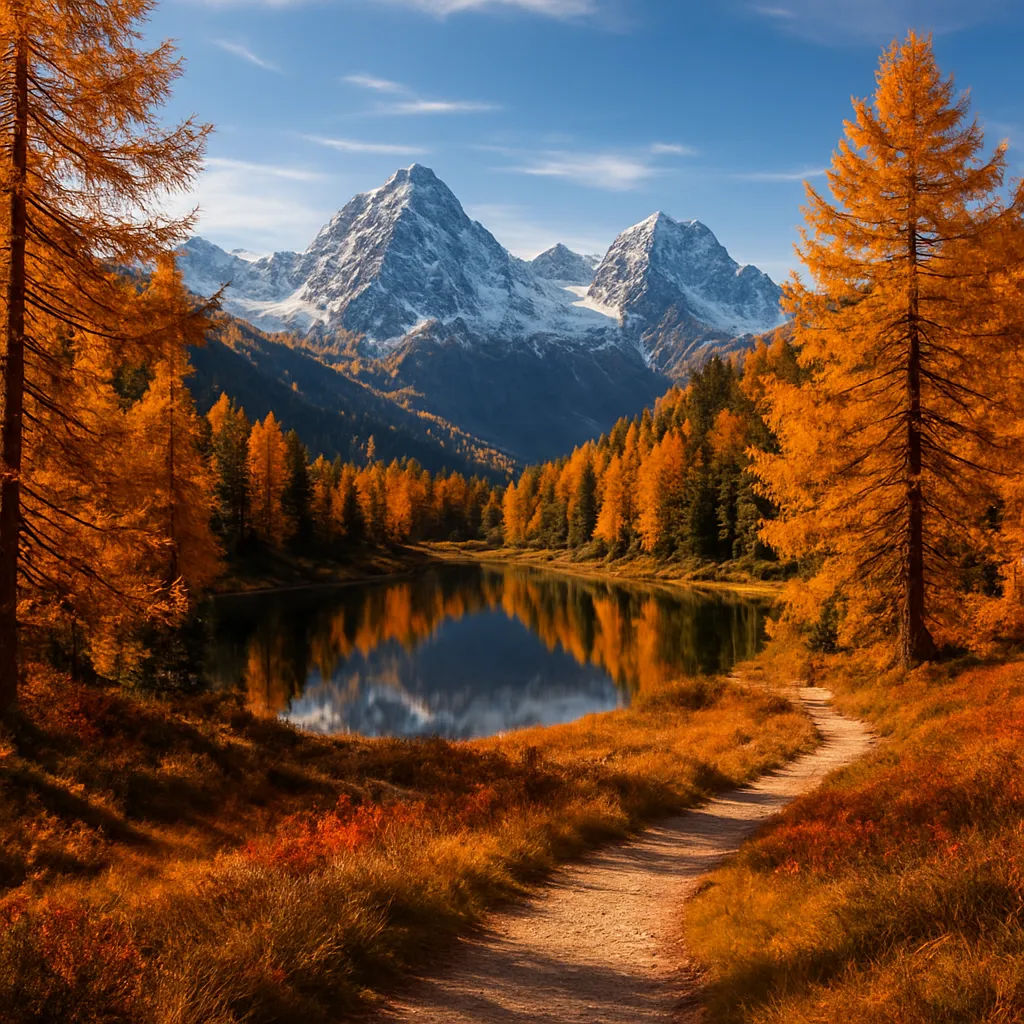
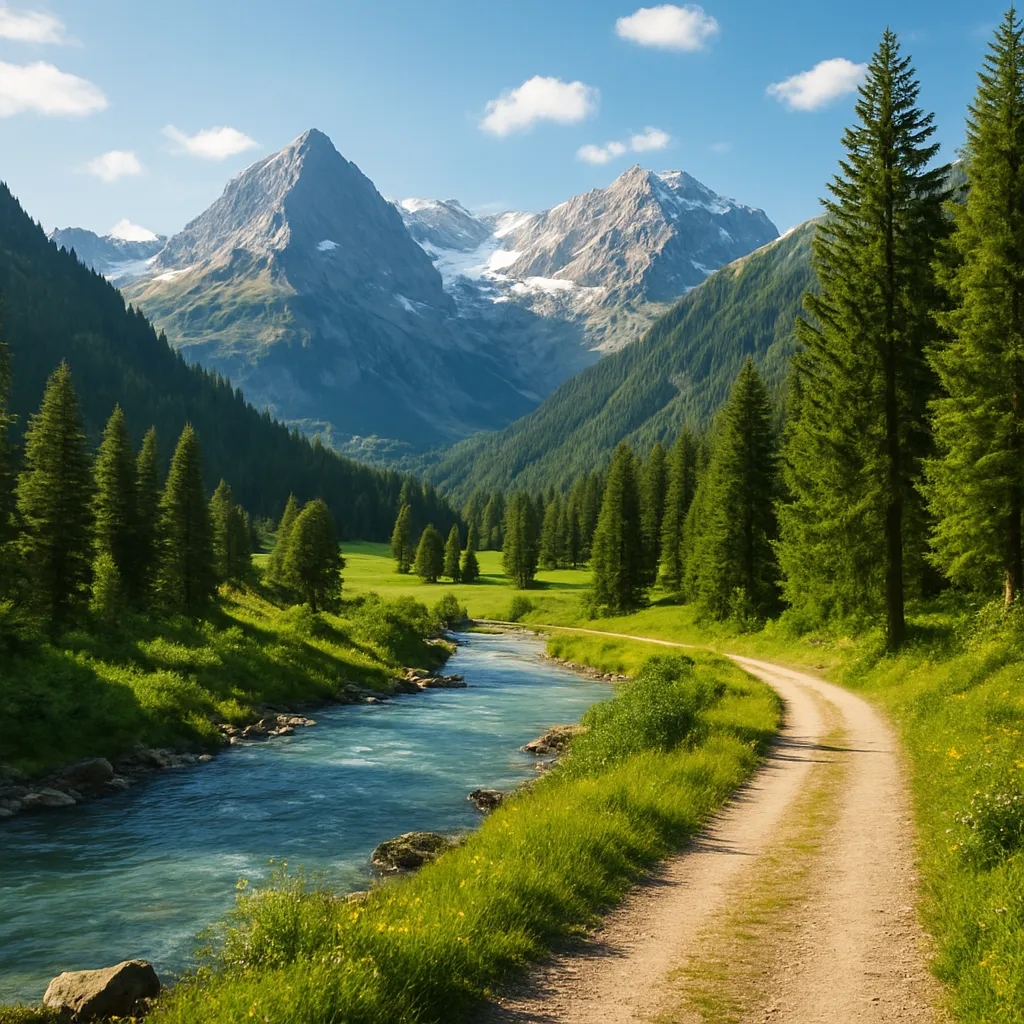
The Alps are more than just a backdrop for winter sports; they represent a complex ecosystem shaped by ancient glaciers and ongoing geological forces. Stretching from France to Slovenia, this range contains peaks over 4,000 meters, such as Mont Blanc and the Matterhorn. Key aspects to consider include:
- Glacier Dynamics: Alpine glaciers carve deep valleys and form icefalls, creating natural climbing routes. Familiarize yourself with glacier travel techniques to avoid hidden crevasses.
- Weather Patterns: The high elevation brings unpredictable storms and rapid temperature shifts. Always check the local forecast and understand how wind, snow, and sun exposure affect ice quality.
- Altitude Effects: Climbers may experience headaches, fatigue, or nausea above 2,500 meters. Acclimatization is critical—plan gradual ascents and rest days to adapt.
Essential Gear and Safety Measures
Proper equipment and cautious planning form the backbone of any successful ice climb. Here’s a breakdown of the must-haves for newcomers:
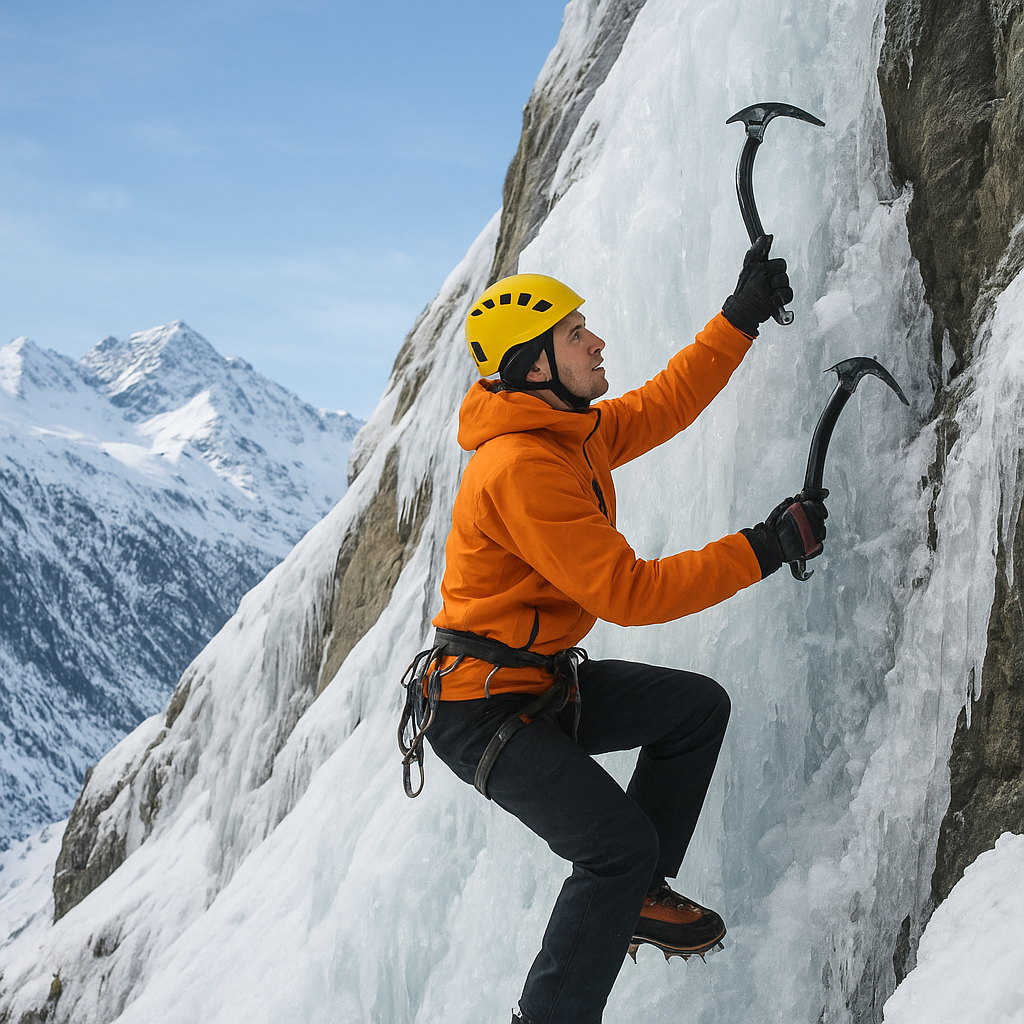
- Ice Axes – Choose technical axes with curved shafts for steep terrain.
- Crampons – Look for 12-point aluminum or steel models designed for ice climbing.
- Helmet – A lightweight yet durable helmet protects from falling ice and rock.
- Harness and Ropes – Use dynamic ropes suited to alpine conditions, paired with a comfortable harness.
- Carabiners and Ice Screws – Secure your path with reliable anchors and connectors.
- Layered Clothing – Incorporate moisture-wicking base layers, insulating mid-layers, and waterproof shells to manage sweat and cold.
- Gloves and Mountaineering Boots – Ensure good dexterity and thermal protection in sub-zero temperatures.
Safety protocols should not be overlooked. Always climb with a partner, carry a GPS or map, and know basic crevasse rescue techniques. Hiring a certified guide can greatly reduce risks, as they bring local expertise in route-finding and emergency response.
Fundamental Techniques for Ice Climbing
Mastering technique is crucial when tackling vertical or overhanging ice walls. Beginners should focus on building core skills through practice and repetition:
Footwork and Stance
- Front Pointing – Kick your crampon front points firmly into the ice, keeping your legs slightly bent and body weight over your feet.
- Rest Positions – Use outside edges of crampons to create stable stances; shift weight to alternate feet to reduce fatigue.
Tool Placement and Swing
- Controlled Swings – Aim for solid hauls before each placement; avoid wild swings that waste energy.
- Tool Orientation – Keep the picks curved toward the ice, ensuring reliable holds and reducing risk of pry-out.
Efficient Movement
- Three-Point Contact – Always maintain at least three points of contact (two feet and one tool, or vice versa).
- Energy Conservation – Rest periodically on ice screws or natural ledges; breathe steadily and focus on fluid movements.
Top Alpine Regions for Beginners
Certain areas in the Alps are particularly welcoming to novice ice climbers, offering moderate routes, easy access, and supportive infrastructure:
- Chamonix Valley, France – Renowned for its variety of ice routes at all levels and well-established guiding companies.
- Engadine, Switzerland – Home to frozen waterfalls near St. Moritz, with clear markers and beginner-friendly climbing schools.
- Aosta Valley, Italy – Features mixed alpine terrain and approachable ice formations around Cogne.
- Salzburg Region, Austria – Offers stunning ice circuits near Golling and Obertraun, with comprehensive safety training.
Planning Your First Alpine Ice-Climbing Adventure
Careful preparation maximizes enjoyment and minimizes hazards. Follow these steps before heading into the mountains:
- Research Local Regulations – Some areas require permits or seasonal restrictions to protect sensitive habitats and ensure climber safety.
- Book Accommodations Early – Alpine towns fill up quickly during peak season; secure lodgings near trailheads or cable car stations.
- Physical Conditioning – Incorporate cardiovascular training, core strengthening, and flexibility workouts to prepare your body for sustained exertion.
- Training Courses – Enroll in beginner courses covering navigation, rope management, and avalanche awareness.
- Emergency Kit – Pack a first-aid kit, emergency bivouac sack, and communication device suitable for high-altitude use.
Embracing the Alpine Adventure
Ice climbing in the Alps offers an exhilarating blend of natural beauty, technical challenge, and personal growth. By starting with solid knowledge of the environment, investing in essential gear, and learning core techniques, you’ll be ready to tackle your first frozen waterfall under expert guidance. Each step on the ice brings you closer to firsthand experience of the mountains’ raw power and timeless appeal—truly an unforgettable journey for adventure seekers.