Hidden among soaring peaks and winding valleys, the Alpine region harbors a tapestry of age-old customs and stories that have flourished for centuries. This article delves into the heart of these mountain communities, examining how the interplay of environment, history, and communal spirit has shaped a unique panorama of folk life. From the echo of cowbells at dawn to the intricate woodcarvings in village squares, every detail speaks to a living legacy that continues to enchant visitors and locals alike.
Alpine Environment and Community Life
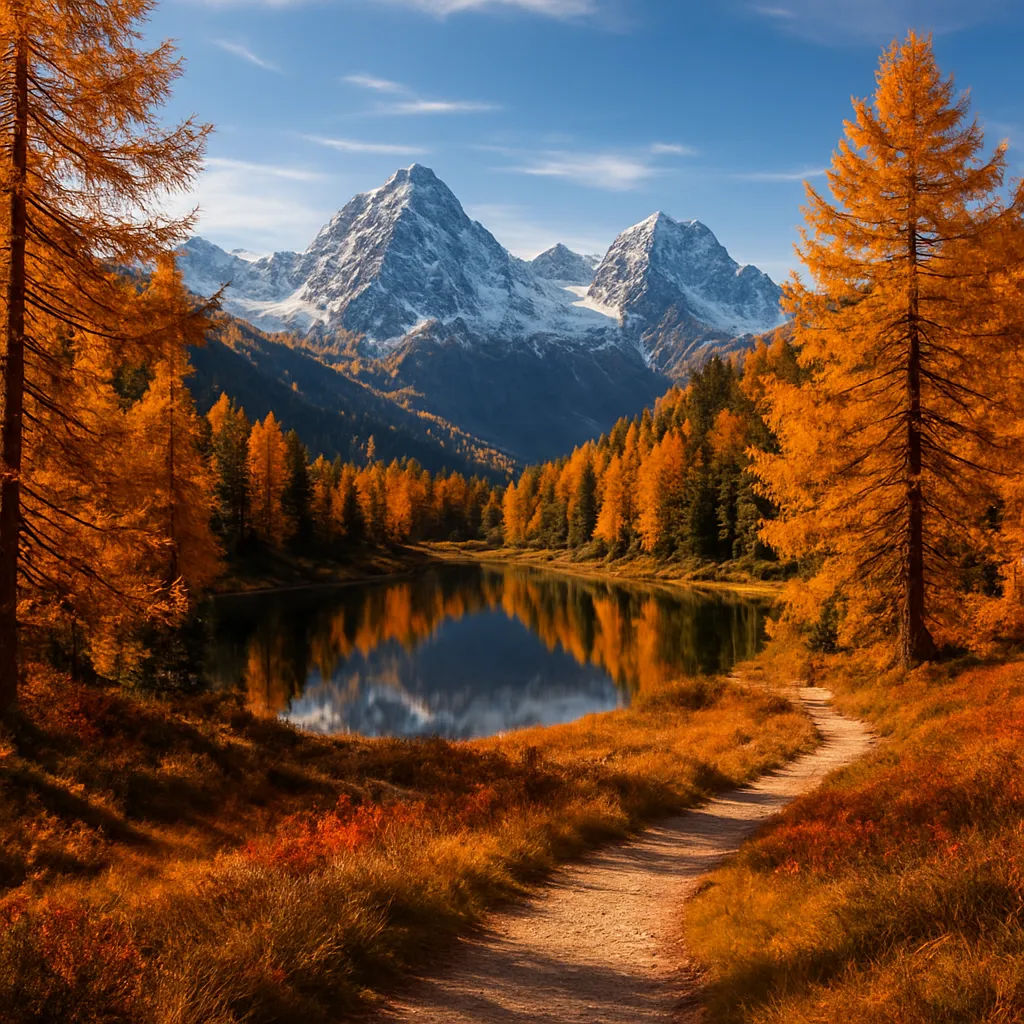
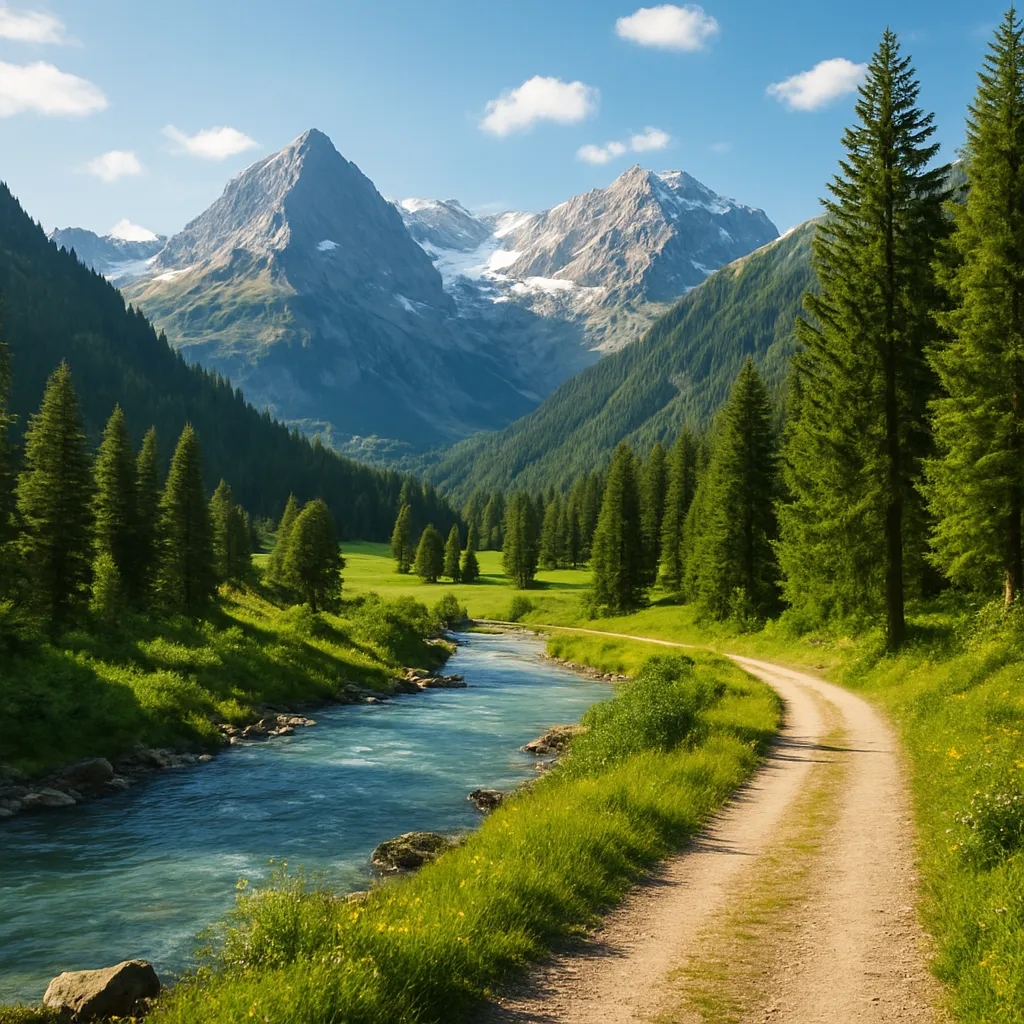
The majestic Alpine landscapes serve as both protector and provider for the mountain dwellers. Jagged peaks carved by ancient glaciers cradle verdant meadows and crystalline streams. The altitude and climate have forced villagers to adapt ingenious ways of cultivating crops on terraced fields, raising livestock in high pastures, and harnessing water power for small mills. This challenging terrain fosters a spirit of mutual assistance—neighbors pool labor during haymaking, while families share resources to ensure everyone weathers the harsh winter months.
Wood from alpine forests becomes the raw material for homes, barns, and ornate balconies. Skilled carpenters transform logs into sturdy chalets with steep roofs designed to shed heavy snowfall. The interplay between environment and ingenuity echoes in time-honored building techniques, where stones are carefully stacked without mortar and wooden shingles are pegged by hand. Here, architecture is not just shelter—it is an expression of harmony with nature’s rhythms.
Folklore, Festivals, and Music
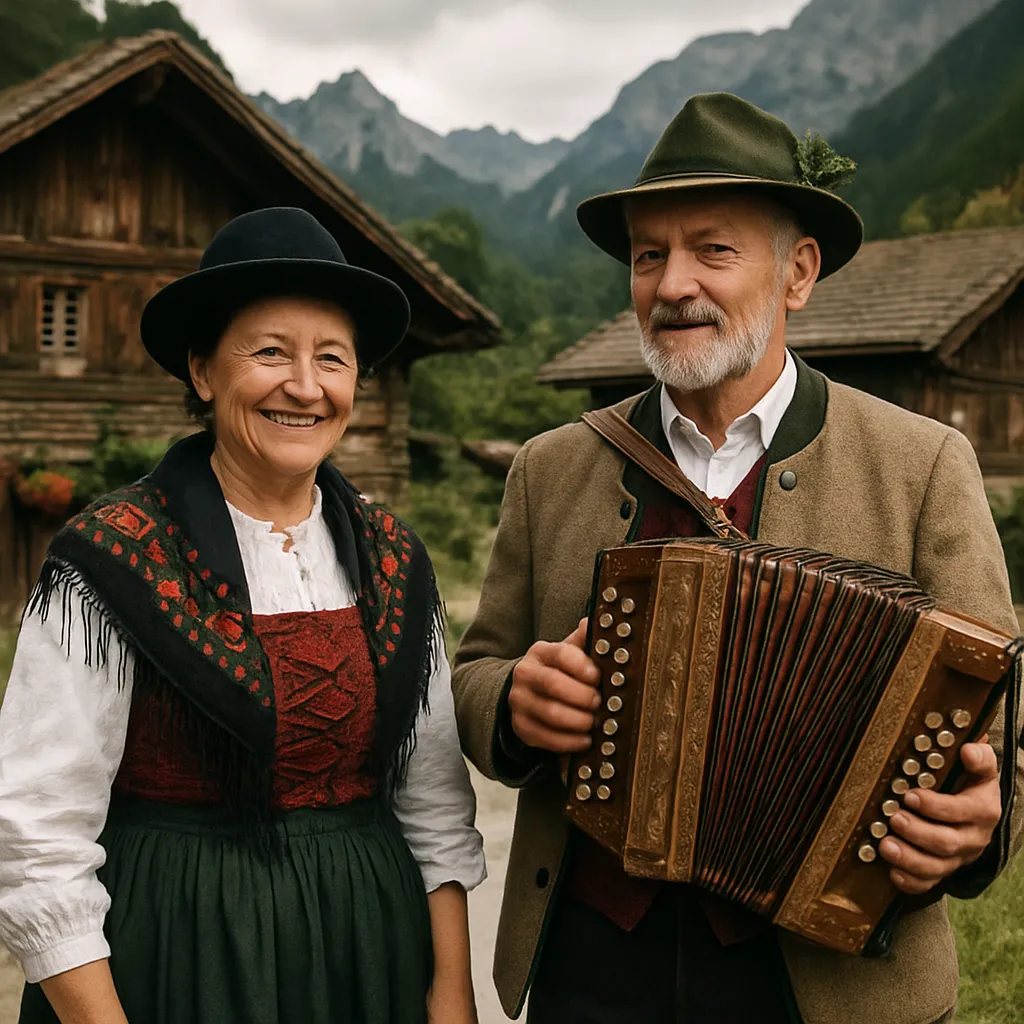
Each Alpine community bursts into color and song during its annual celebrations. Traditional festivals weave ancient beliefs with Christian rituals, creating a tapestry of pageantry: masked figures chase away winter demons during carnival, while joyous processions honor patron saints in summer. Vibrant costumes—embroidered bodices, woolen socks, and elaborately painted masks—convey regional identities and family lineages.
Melodies from the Mountains
The Alpine musical heritage resonates through yodeling calls that once helped herders communicate across valleys. Today, this distinctive vocal technique features in lively gatherings, accompanied by the deep drone of the alphorn and the rhythmic foot-tapping of Schuhplattler dance. Local bands, armed with accordions, zithers, and clarinets, perform folk tunes that narrate tales of love, hardship, and heroic hunts.
Community halls and open-air stages host concerts that draw visitors eager to experience the raw authenticity of mountain culture. Workshops invite participants to learn traditional dances or craft simple instruments, ensuring that each generation inherits a living connection to ancestral melodies.
Artisan Craftsmanship and Culinary Customs
In the winding lanes of Alpine hamlets, workshops brim with artisans preserving skills passed down centuries. Local carpenters carve intricate reliefs on chalice bases and door frames. Leatherworkers stitch durable alpine boots, while weavers produce richly patterned blankets and shawls dyed with plant-based colors. Here, every object embodies a story of resourcefulness and pride.
- Woodcarving: The sculpted motifs of edelweiss, ibex, and crosses adorn household items and church interiors.
- Textiles: Hand-loomed fabrics featuring bold geometric patterns provide warmth against mountain chills.
- Metalwork: Skilled blacksmiths forge cowbells of varying tones, each tuned to a specific alpine herd.
- Pottery: Clay jugs and bowls glazed in earthy hues complement hearty mountain stews.
Equally distinctive is alpine cuisine. Simple ingredients—meltwater cheese, cured meats, wild mushrooms, and mountain herbs—form dishes that balance sustenance with flavor. Hearty soups like barley broth and cheesy dumplings fend off the cold, while sweet treats such as nut-filled strudels and honey-coated pastries celebrate the season’s bounty. Local inns invite travelers to share tables laden with rustic fare, reinforcing communal bonds through shared meals.
Preserving Heritage Amid Modern Challenges
As tourism expands and younger generations seek opportunities beyond village confines, many Alpine communities face the delicate task of preserving tradition without becoming static museums. Innovative initiatives pair local schools with elder mentors to teach language dialects, traditional dances, and folk tales. Cultural centers organize exhibitions showcasing archival photographs, embroidered costumes, and vintage agricultural tools.
Eco-friendly tourism offers a path to sustainability, encouraging visitors to trek responsibly, support family-run guesthouses, and purchase handcrafted souvenirs. Cooperative markets allow artisans to sell their wares directly, ensuring economic incentives to maintain traditional crafts. Simultaneously, digital platforms archive oral histories and folk songs, making them accessible to a global audience while inspiring renewed appreciation at home.
The future of Alpine villages hinges on a balanced embrace of progress and preservation. By weaving modern education with time-honored practices, communities safeguard the intangible spirit that renders these mountain enclaves so valuable. In doing so, they ensure that the vibrant tapestry of Alpine traditions continues to captivate hearts across generations, sustaining a living link between past and present.