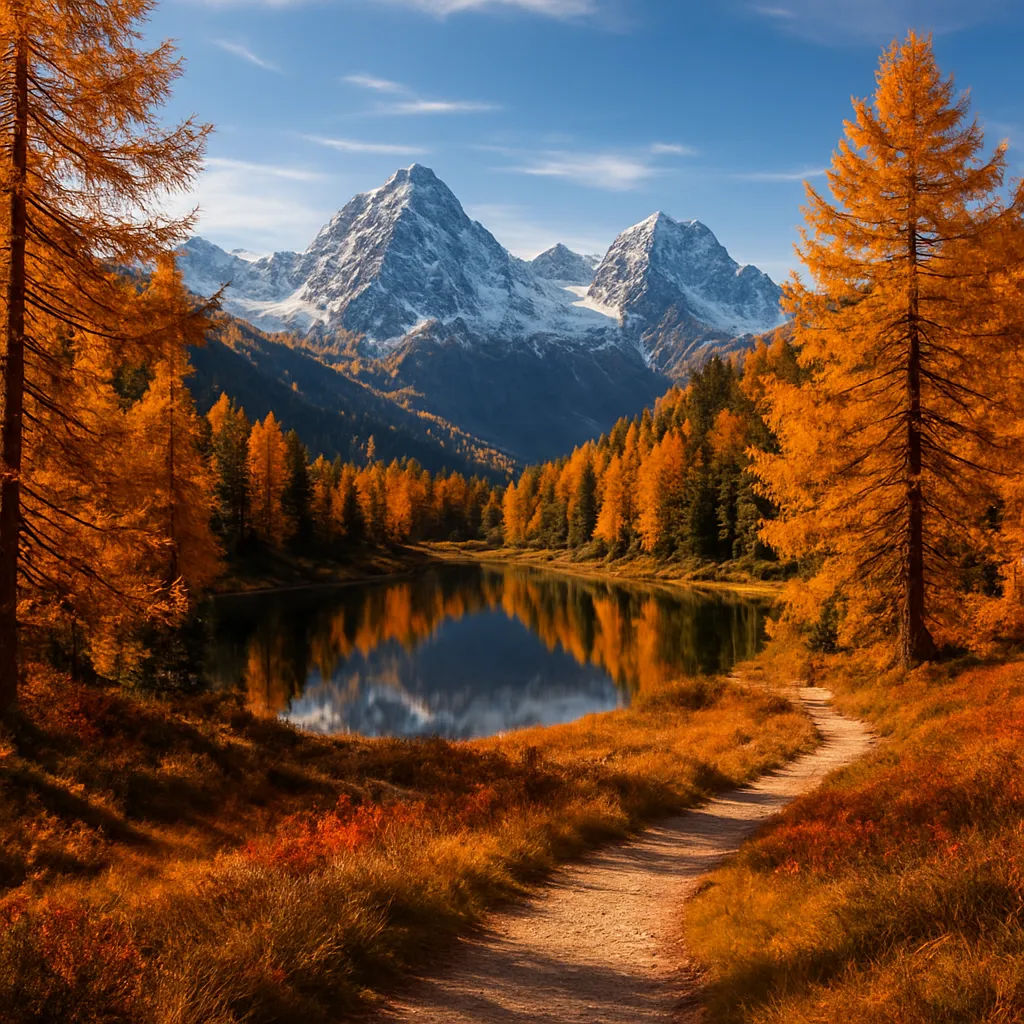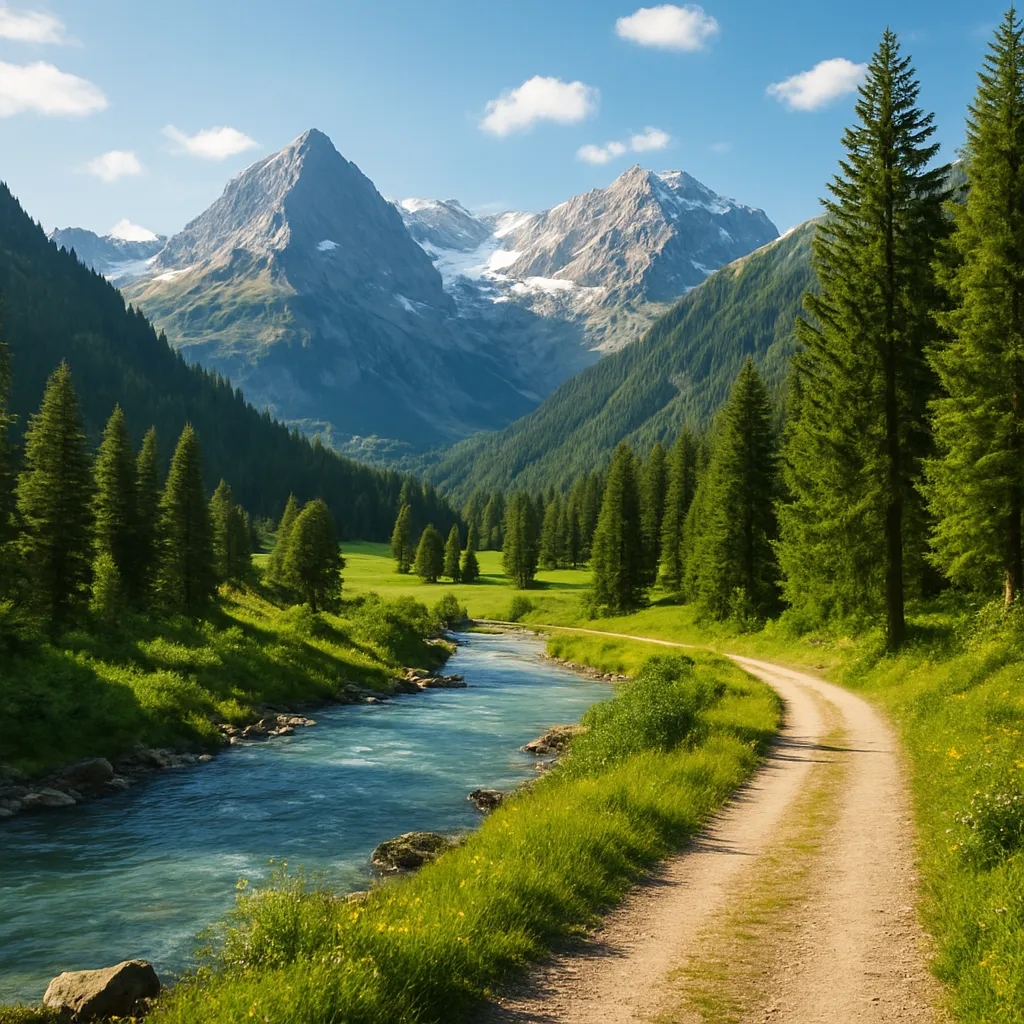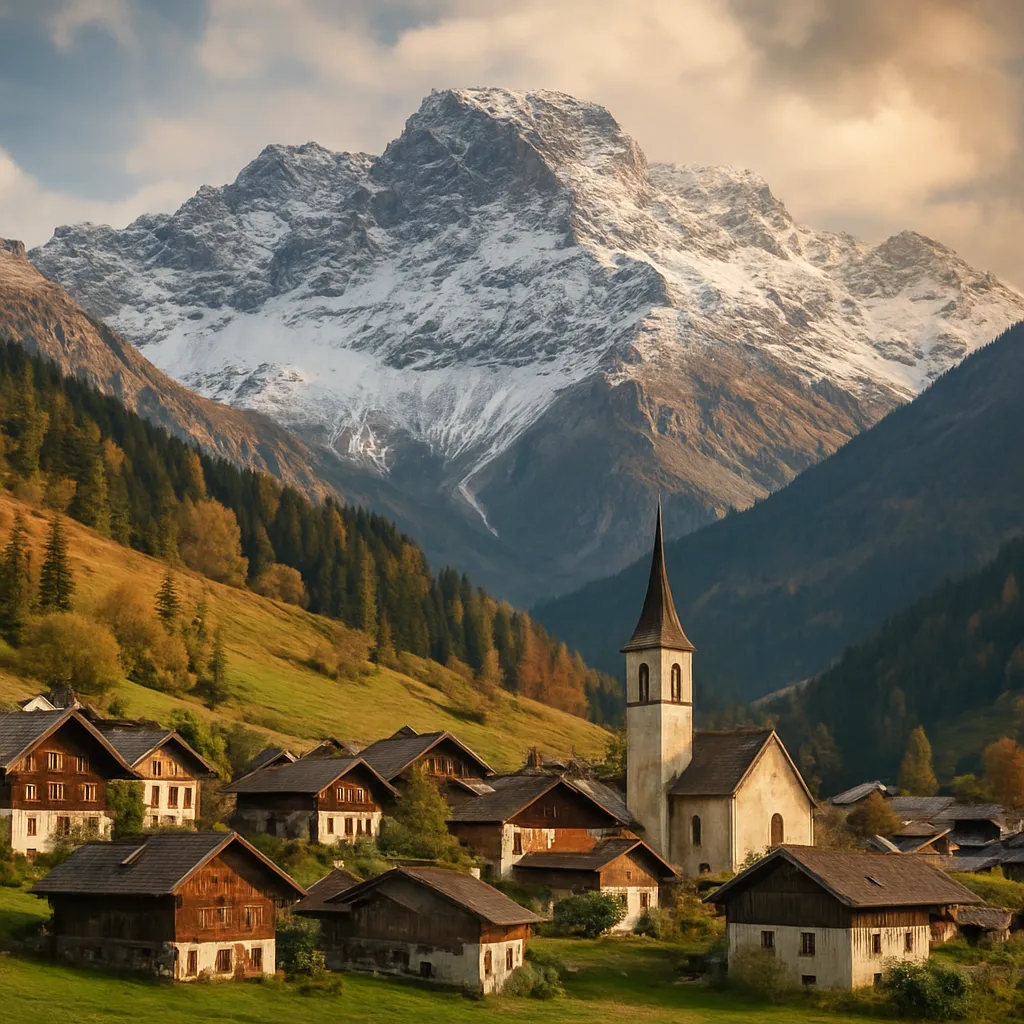
The Alpine region stands at a crossroads where **Climate Change** emerges as a driving force reshaping the environment, economy, and cultural fabric of mountain villages. From the highest snow-capped peaks to the narrow valley settlements, the impacts are far-reaching, demanding both innovative solutions and a deep respect for centuries-old traditions. This exploration delves into the multifaceted transformations sweeping through these communities, illustrating the urgency for **sustainable** stewardship and collective action.
Changing Landscape and Glacial Retreat
Over the past century, the Alps have experienced significant temperature increases, leading to accelerated glacial retreat and altered precipitation patterns. Once-mighty ice masses that carved the landscape for millennia are receding at unprecedented rates. This phenomenon not only transforms the visual identity of Alpine peaks but also poses critical challenges to water security and mountain stability.
Glacial Decline and Water Resources
Glaciers function as natural reservoirs, releasing meltwater that sustains rivers, farmland, and hydroelectric facilities. As they shrink, the seasonal distribution of water flow changes dramatically:
- Peak runoff occurs earlier in the year, straining irrigation schedules.
- Reduced summer meltwater threatens agricultural yields and municipal supplies.
- Hydropower generation faces volatility, impacting energy **resilience**.
The disappearance of ice also exposes fragile soils, increasing the risk of landslides and rockfalls that endanger mountain roads and villages. Local authorities must invest in monitoring systems and early-warning networks to safeguard residents and tourists alike.
Impact on Alpine Communities and Tourism
Tourism remains the economic backbone of many Alpine villages, traditionally anchored in winter sports. However, erratic snowfall and shorter ski seasons are prompting a profound reimagining of the region’s appeal. Resorts at lower elevations struggle to maintain reliable slopes, while high-altitude destinations invest heavily in artificial snowmaking, a tactic often at odds with environmental goals.
Shifting Visitor Patterns
Summer tourism is on the rise as visitors seek hiking, mountain biking, and cultural experiences. This shift offers opportunities to extend the tourist season and diversify income streams. Yet, new pressures include:
- Trail erosion and habitat disturbance from increased foot traffic.
- Water demand peaks for outdoor activities, straining dwindling water **resources**.
- Balancing high-season profits with off-season community well-being.
Forward-thinking villages are launching initiatives to promote **sustainable** travel: eco-friendly accommodations, guided nature tours emphasizing **biodiversity**, and carbon-offset programs. These efforts not only reduce environmental footprints but also cultivate a year-round allure for conscientious travelers.
Adapting Traditions and Agricultural Practices
Highland agriculture has always been shaped by short growing seasons and steep terrain. The arrival of warmer summers opens possibilities for new crops but also invites pests and diseases previously suppressed by cold temperatures. Farmers are experimenting with:
- Hardy grape varietals for niche mountain vineyards.
- Heirloom grains and legumes better suited to shifting weather patterns.
- Agroforestry systems that combine fruit trees and pasture.
Integration of modern techniques—such as drip irrigation and greenhouse tunnels—helps secure yields. Meanwhile, the revival of traditional practices like transhumance, where livestock are moved seasonally between valley and high pastures, fosters **resilience** against climate extremes. This blend of old and new sustains both biodiversity and cultural **heritage**, ensuring that mountain cheeses, cured meats, and herbal remedies continue to define Alpine identity.
Biodiversity and Ecosystem Shifts
The Alpine ecosystem hosts a remarkable variety of flora and fauna adapted to specific altitude zones. As temperatures climb, species range shifts become evident, with some high-altitude specialists forced upward toward mountaintops and, ultimately, extinction. New species invade from lower elevations, altering food webs and competition dynamics.
Conservation Strategies
To preserve delicate habitats, conservationists are:
- Establishing cross-border wildlife corridors that enable migration and genetic exchange.
- Implementing controlled grazing to prevent overgrowth of invasive plants.
- Utilizing citizen science programs where hikers report sightings, aiding ecological monitoring.
Protected areas are expanding, yet effective management requires community involvement. Engaging local residents in reforestation and alpine meadow restoration fosters a sense of ownership and harnesses invaluable indigenous knowledge. These collaborative projects uphold both ecological integrity and the scenic vistas that draw visitors worldwide.
Addressing Natural Hazards and Community Safety
Mountain villages face heightened risks from extreme weather events linked to **Climate Change**. Intense rainfall can trigger flash floods and debris flows, while rapid snowmelt may unleash torrents that wash away roads and contaminate water supplies.
Disaster Preparedness and Infrastructure
Strengthening community safety involves multifaceted planning:
- Investing in robust flood defenses, such as retention basins and reinforced levees.
- Installing automated sensors to detect ground movement and water levels.
- Conducting regular evacuation drills, ensuring residents remain vigilant.
Education campaigns highlight simple yet critical actions, like maintaining clear drainage channels and securing livestock in elevated enclosures. Through these measures, villages enhance their capacity to respond swiftly to natural hazards, safeguarding lives and livelihoods.
Fostering Innovation and Regional Collaboration
Addressing the complex challenges of a warming Alpine region necessitates cooperation across borders and disciplines. Research institutions, nonprofit organizations, and municipal governments are forging partnerships to develop cutting-edge solutions. Notable initiatives include:
- High-altitude test sites for renewable energy technologies, such as wind turbines tailored to valley winds.
- Smart grid projects that optimize energy distribution in remote settlements.
- Cross-cultural festivals celebrating Alpine traditions while raising awareness about **adaptation** and environmental stewardship.
By sharing data, best practices, and funding, these collaborations enhance the region’s overall **resilience**. They also underscore the Alps’ role as a living laboratory for global mountain systems facing similar climate pressures.
Empowering Local Voices and Cultural Continuity
The soul of the Alps resides in its communities—the artisans, shepherds, and storytellers who preserve languages, music, and folklore passed down through generations. As villages adapt to new realities, maintaining cultural continuity becomes as vital as environmental conservation.
Celebrating Alpine Identity
Efforts to reinforce local identity include:
- Revitalizing traditional festivals, with dance performances and craft demonstrations.
- Supporting youth exchange programs that connect Alpine students with peers across Europe.
- Documenting oral histories to capture memories of old glaciers, religious customs, and communal wisdom.
These cultural endeavors cultivate a deep sense of belonging and purpose, empowering villagers to champion both their **heritage** and the delicate ecosystems they inhabit.