Embarking on a multi-country adventure across the majestic Alps offers an unforgettable blend of breathtaking landscapes, diverse culture, and thrilling outdoor experiences. Planning such an expedition requires careful attention to route design, logistics, and personal interests. This guide will walk you through essential steps—from mapping a flexible itinerary to selecting ideal accommodation—so you can savor every moment of your Alpine journey.
Route Selection and Itinerary Design
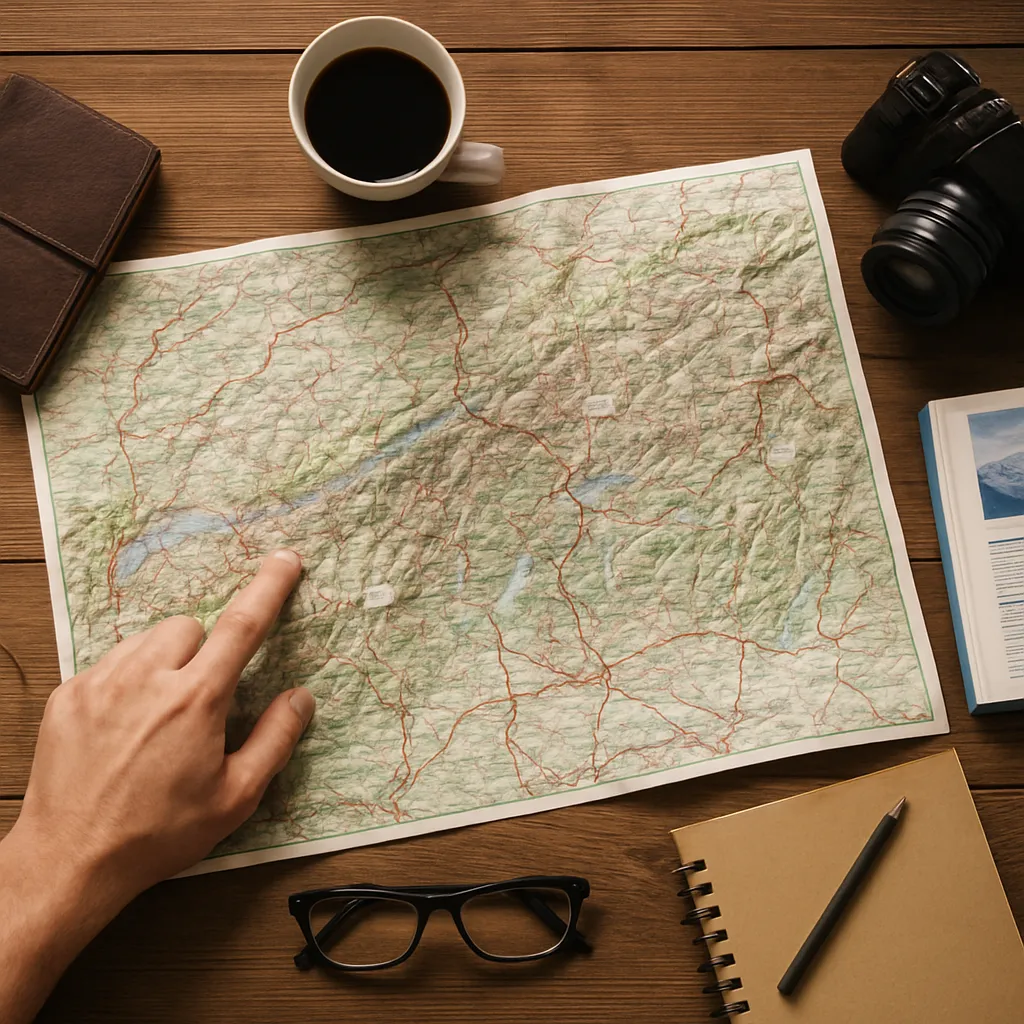
Choosing the perfect path through the Alps hinges on your preferred pace, interests, and travel style. Do you crave high-altitude trekking in Switzerland, cultural immersion in Italy, or scenic drives through Austria? By blending multiple countries into a cohesive plan, you’ll maximize your time and experience varied landscapes without backtracking.
Mapping Key Destinations
- Switzerland: Base yourself in Interlaken for lake cruises, Jungfraujoch excursions, and cable car rides over snow-capped peaks.
- Italy: Explore the Dolomites around Cortina d’Ampezzo, taste world-class cuisine in South Tyrol, and wander medieval streets in Bolzano.
- Austria: Traverse winding mountain roads in Tyrol, hike the Eagle’s Walk, and relax in thermal spas near Innsbruck.
- France: Discover Chamonix at the foot of Mont Blanc, enjoy panoramic train rides, and sample Alpine cheeses in local markets.
- Germany: Combine Neuschwanstein Castle visits with hikes in the Bavarian Alps and lakeside strolls around Garmisch-Partenkirchen.
Balancing Time and Distance
Alpine passes and valleys often appear close on the map but can require hours of winding driving or train travel. Factor in:
- Transit times—Research rail and bus schedules to avoid lengthy layovers. The Swiss Travel Pass and Eurail Global Pass can streamline connections.
- Altitude acclimatization—Schedule rest days at moderate elevations before tackling the highest passes or long hikes.
- Seasonal closures—Many mountain roads and trails close from late autumn to spring. Plan around peak-season windows for open routes.
Transportation and Accommodation Strategies
Efficient transportation and comfortable lodging are pillars of a successful multi-country Alpine trip. Embrace a mix of trains, rental cars, and mountain lifts to unlock remote valleys and high passes.
Train Travel vs. Car Rental
- Train travel: The rail network in Alpine nations is renowned for punctuality and scenic routes. Routes like the Glacier Express (Switzerland) and Bernina Express (Italy to Switzerland) offer panoramic windows and reserved seating.
- Car rental: Flexibility to stop at hidden viewpoints, change plans on a whim, and transport sizable gear. Opt for a compact vehicle with winter tires if traveling outside summer months.
- Combination approach: Use trains for long-distance transfers and rent cars locally for day trips in mountainous regions.
Selecting Lodging
From cozy mountain huts to luxury resorts, Alpine accommodation caters to every budget. Consider:
- Mountain huts (Rifugi, Hütten): Ideal for hikers seeking communal dorms and hearty dinners at high elevation. Booking in advance during summer is critical.
- Guesthouses: Family-run B&Bs provide local insight, typically including breakfast made with regional ingredients.
- Hotels and resorts: Spa facilities, gourmet restaurants, and wellness centers await in towns like Zermatt, Courmayeur, and Kitzbühel.
- Vacation apartments: Perfect for longer stays or groups. Equipped kitchens allow you to sample local produce from weekly markets.
Must-See Sights and Signature Activities
The Alps boast endless attractions, but focusing on standout experiences ensures your trip remains memorable. Tailor your days around iconic highlights and hidden gems.
Iconic Alpine Experiences
- Jungfraujoch – Ride the highest cogwheel train in Europe to “Top of Europe” for ice cave tours and panoramic views.
- Mont Blanc – Take the cable car from Chamonix to Aiguille du Midi, then venture onto the thrilling run down Vallée Blanche (guide recommended).
- Dolomites via Great War road – Hike WWI tunnels and forts near Lagazuoi for a blend of history and dramatic scenery.
- Grossglockner Hochalpenstraße – Drive Austria’s highest alpine road, stopping at wildlife parks and observation platforms.
- Lauterbrunnen Valley – Marvel at 72 waterfalls, including the towering Staubbach Falls, and enjoy paragliding for a bird’s-eye perspective.
Off-the-Beaten-Path Adventures
- Vanoise National Park (France) – Wilderness trekking among ibex and marmots, with basic refuges for overnight stays.
- Rhaetian Railway – UNESCO-listed track winding through dramatic gorges and viaducts in Graubünden, Switzerland.
- Alpine Via Ferrata – Assisted climbing routes in Dolomites and Tyrol allow non-expert climbers to scale vertical faces safely.
- Lake Lugano – Between Swiss and Italian shores, hike Monte Brè or Monte Generoso for panoramic lake and mountain vistas.
Essential Gear, Health, and Safety
Preparing the right equipment and understanding mountain health protocols elevate both comfort and safety. Altitude and weather can change rapidly, so thorough preparation is key.
Packing Essentials
- Layered clothing: moisture-wicking base layers, insulating mid-layers, and a waterproof outer shell.
- Sturdy hiking boots or approach shoes with a reliable grip.
- High-altitude sun protection: sunglasses with UV filter, broad-spectrum sunscreen, and a brimmed hat.
- First-aid kit: blister treatments, pain relievers, altitude sickness medication (consult your doctor), and adhesive bandages.
- Navigation tools: physical map, compass, and GPS device or offline mapping app.
Altitude and Weather Awareness
As elevation rises, oxygen levels drop and weather patterns can shift from sunny to stormy in minutes. To stay prepared:
- Monitor local forecasts via alpine weather websites or mobile apps.
- Acclimatize gradually: spend a day above 1,500 meters before ascending further.
- Recognize altitude sickness symptoms—headache, nausea, dizziness—and descend if conditions worsen.
- Communicate plans with locals or mountain rescue services, especially when tackling remote trails.
Budget Planning and Seasonal Considerations
Costs in Alpine regions vary dramatically by season and country. By aligning your travel dates with off-peak periods and seeking value options, you can keep expenses manageable while enjoying top-tier experiences.
Cost-Saving Strategies
- Travel shoulder season (late spring and early autumn) for lower accommodation rates, fewer crowds, and fewer closed routes.
- Leverage regional passes for trains, cable cars, and local buses—often bundled with discounts on activities and museums.
- Prepare picnic lunches with items from local markets to reduce reliance on mountain hut meals, which can carry steep markups.
- Book lodging and tour activities months in advance to secure early-bird prices and optional free cancellation.
Seasonal Highlights
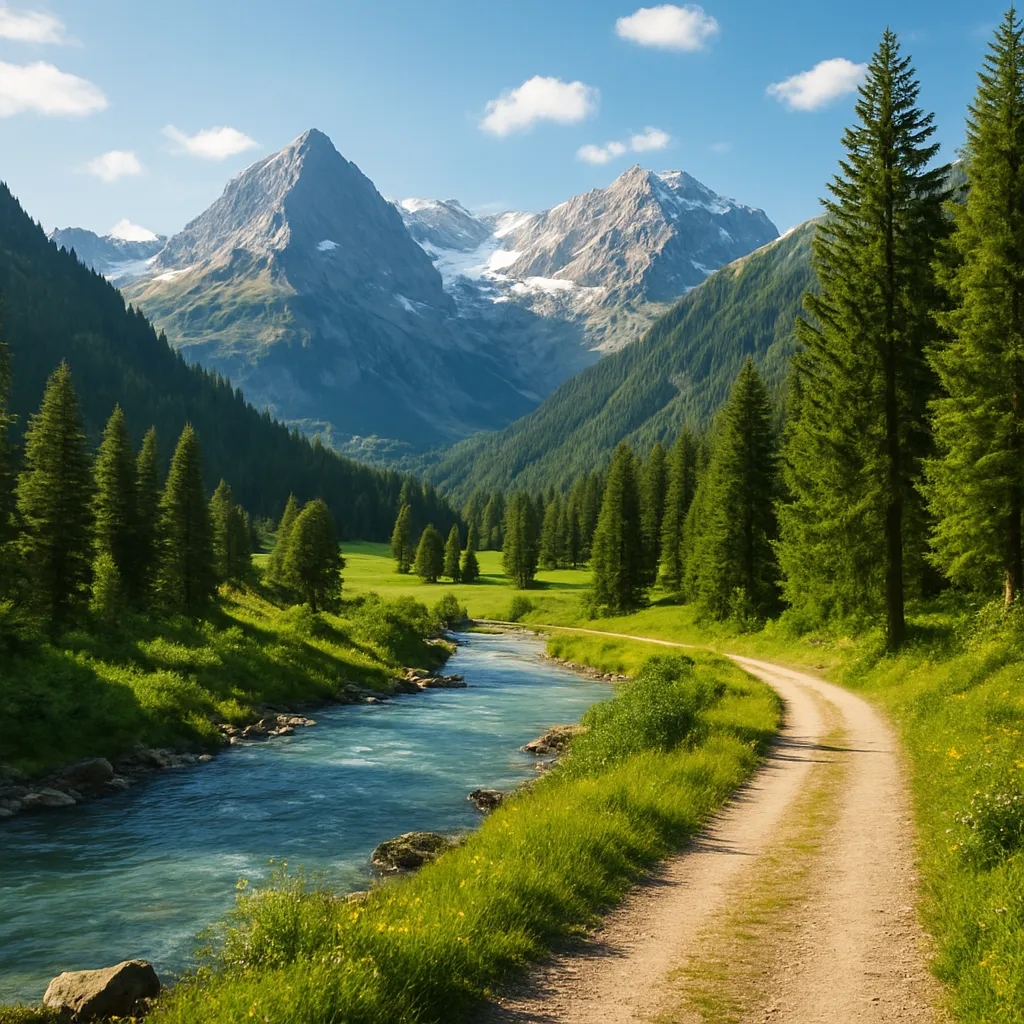
- Summer (June–September): Ideal for hiking, cycling, paragliding, and open-highway driving. Expect warmer temperatures and lively festivals.
- Winter (December–March): World-class skiing and snowboarding, Christmas markets, and cozy chalets. Be ready for winter tires and snow chains.
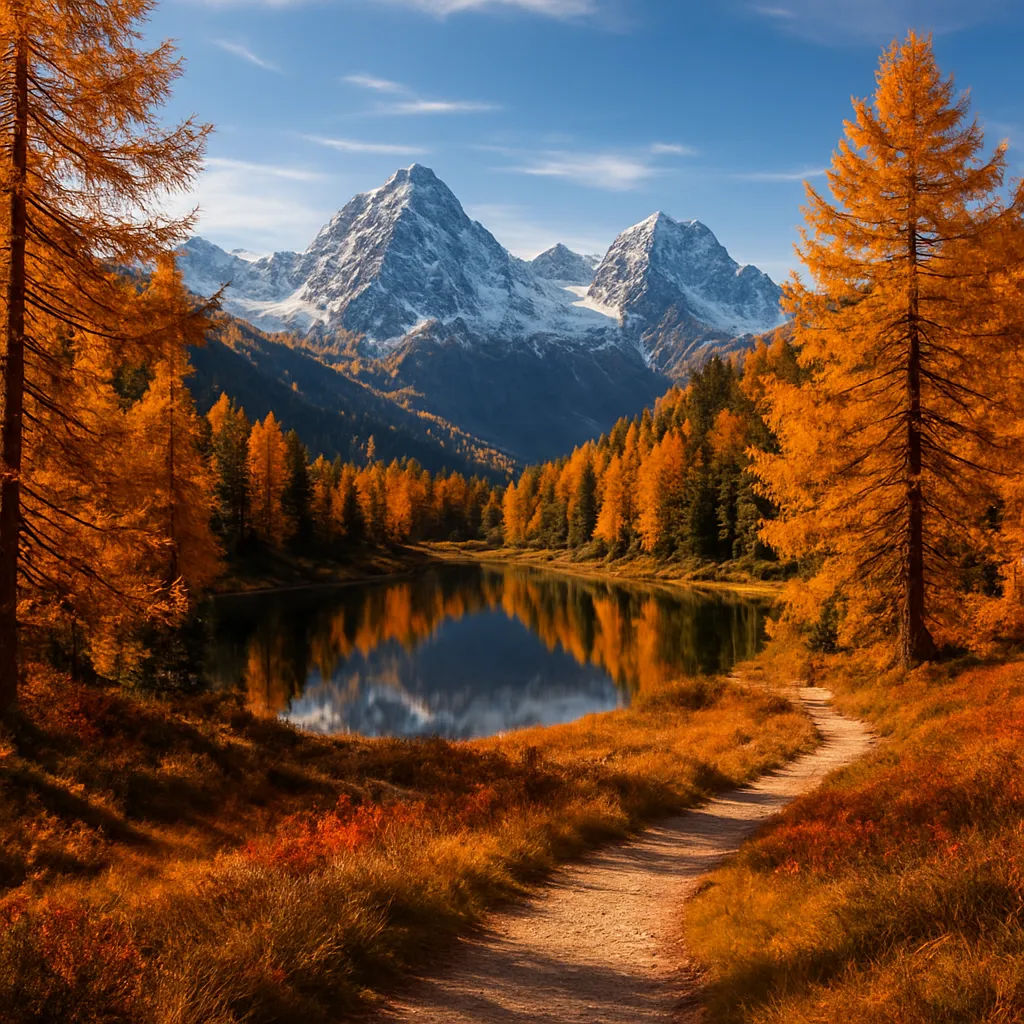
- Spring (April–May) & Autumn (October–November): Blooming flora or vibrant foliage, peaceful trails, and fewer tourists—but plan around snowline variations.