The Alps, a majestic mountain chain stretching across eight European countries, have shaped the continent’s natural and cultural landscapes for millions of years. This article explores their geological birth, the ingenious railway systems weaving through steep slopes, the cultural tapestry woven by generations of mountain dwellers, and the modern strides toward a harmonious relationship between tourism and environmental stewardship.
Origins and Geography of the Alpine Giants
Born from the titanic collision of the African and Eurasian tectonic plates, the Alps are products of complex orogeny processes that began around 65 million years ago. As the earth’s crust folded and fractured, titanic pressures forced layers of sedimentary rock skyward. Today, 82 peaks soar above 4,000 meters, with Mont Blanc reigning supreme at 4,810 meters, a testament to the perpetual dance of geological forces.
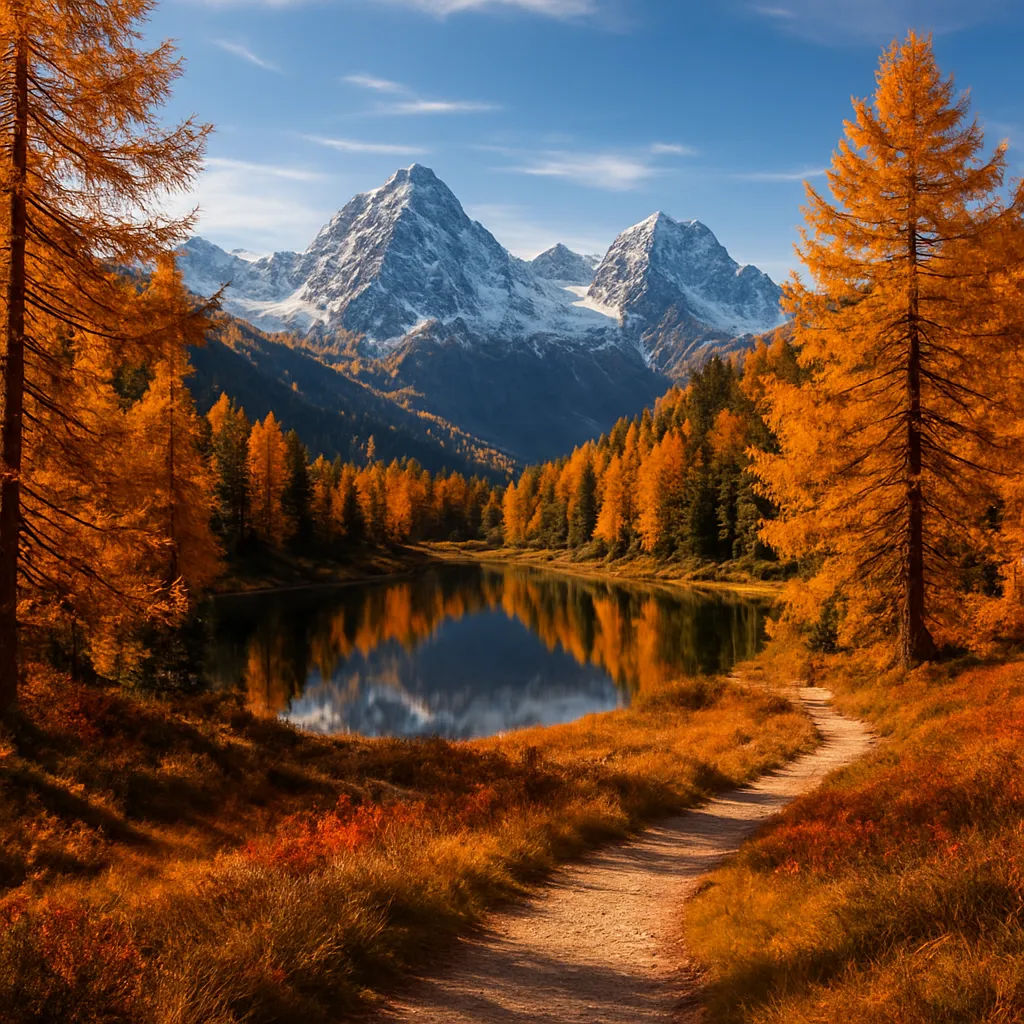
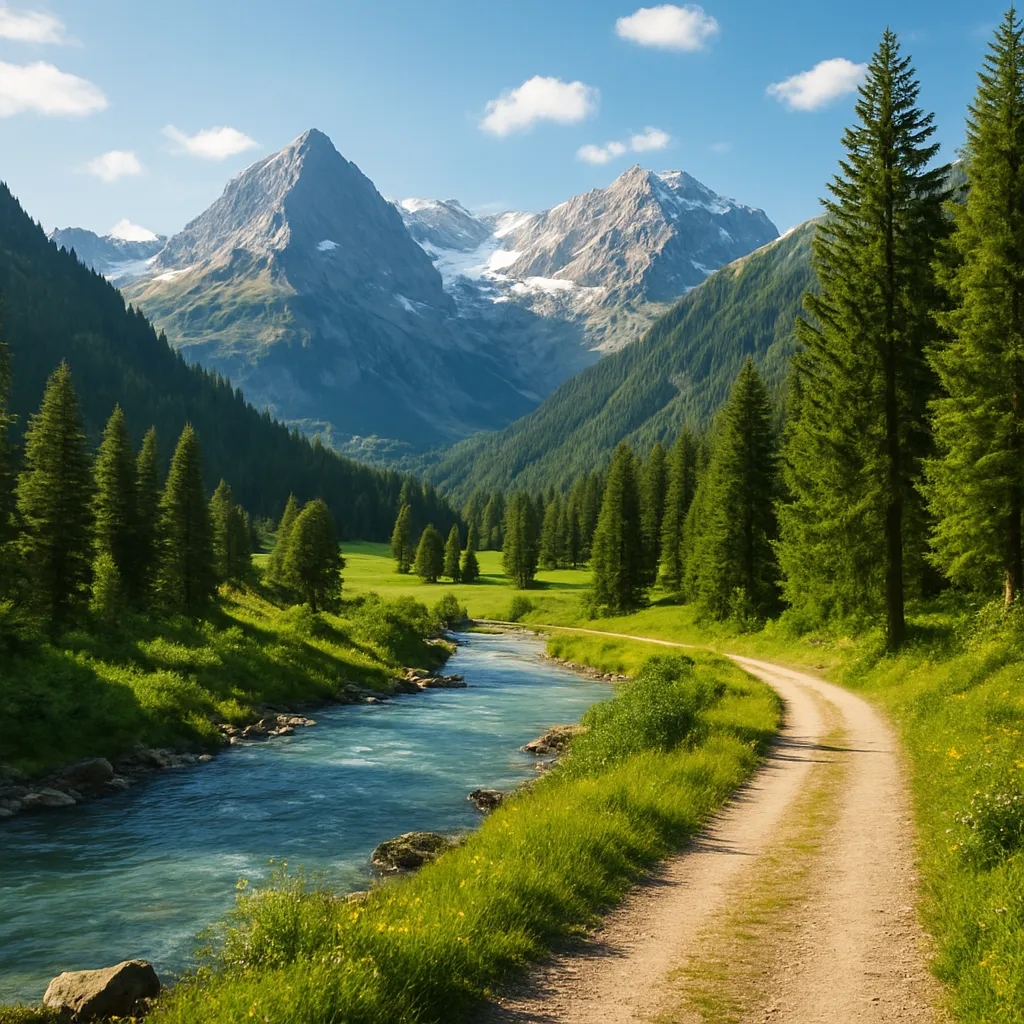
Spanning over 1,200 kilometers, the Alpine arc embraces a remarkable variety of landscapes. Deep valleys carved by millennia of erosion host meandering rivers and lush meadows. Rugged ridges give way to soaring peaks blanketed by eternal snowfields. Subtropical flora clings to lower slopes, while hardy pines and larches dominate montane forests. This altitudinal gradient supports an extraordinary array of ecosystems, providing a sanctuary for countless species adapted to life at each elevation.
Glacial Dynamics
Among the Alps’ most captivating features are its glaciers, rivers of ice that sculpt valleys and chisel mountainsides. Once covering nearly a quarter of the range during the last Ice Age, Alpine glaciers now occupy less than 5 percent of the total area. Their retreat, driven by rising temperatures, reveals moraines, polished bedrock, and blue-hued ice caves. Glaciologists study these formations as sensitive indicators of climate change, seeking to understand the interplay between atmospheric conditions and cryospheric responses.
Engineering Marvels: Mountain Railways and Cableways
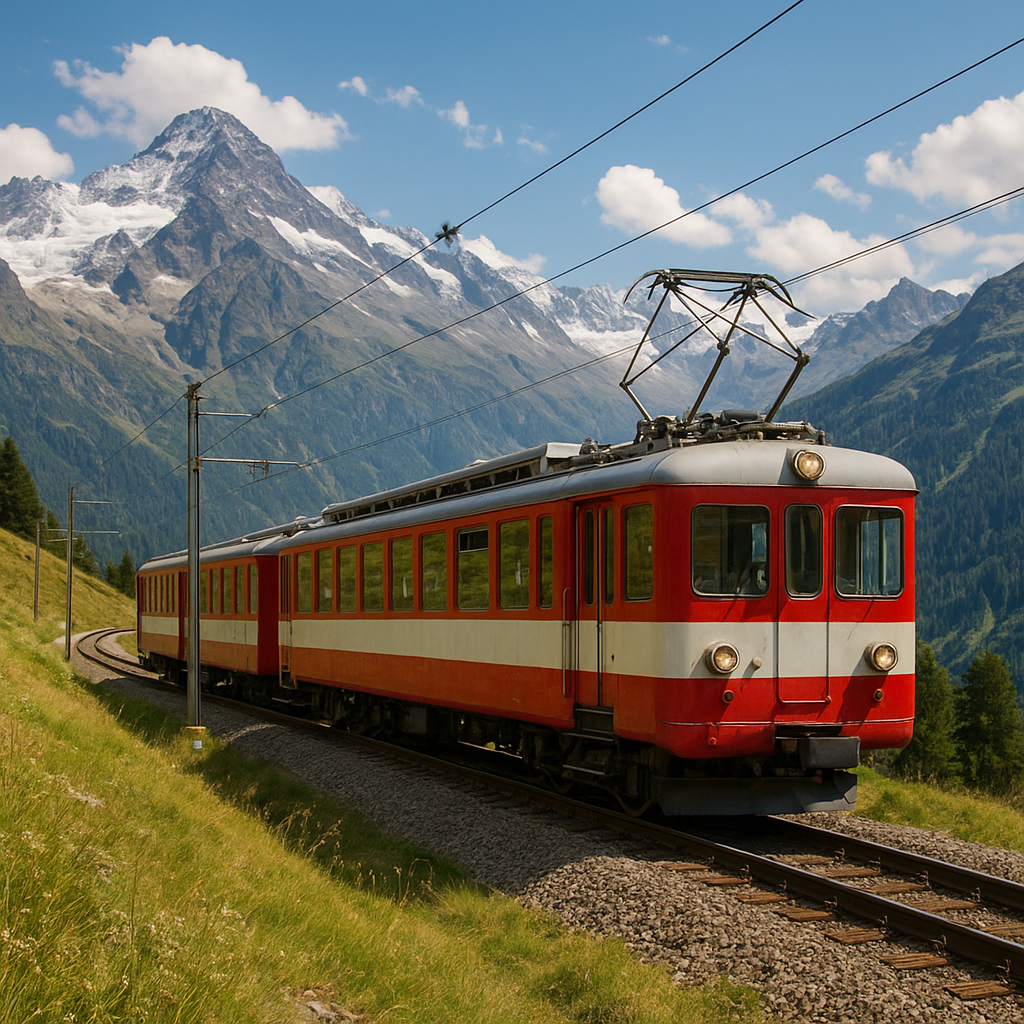
The daunting topography of the Alps posed a formidable challenge to early engineers and travelers. Yet, the 19th and early 20th centuries witnessed the birth of pioneering mountain railways that would forever transform alpine mobility. Through daring feats of civil engineering—spiral tunnels, viaducts suspended on sheer cliffs, and cogwheel mechanisms—rail routes climbed steep gradients where conventional trains would slip.
The Jungfrau Railway, inaugurated in 1912, pierces the Eiger and Monch peaks to reach the Jungfraujoch station at 3,454 meters, the highest railway station in Europe. Its construction involved drilling nearly seven kilometers of tunnels under subzero conditions, a labor-intensive endeavor powered by steam drills and sheer human resolve. Similarly, the Gornergrat Railway, opened in 1898, employs a cogwheel system to ascend from Zermatt to 3,089 meters, offering iconic views of the Matterhorn’s pyramid silhouette.
Cableway Pioneers
Cable cars and funiculars soon complemented mountain railways, bridging the most precipitous slopes. The aerial tramway at Stoos, built in 2017, boasts the world’s steepest funicular track with a maximum gradient of 110 percent, whisking passengers over dense forests and sheer cliffs in minutes. These systems not only facilitate tourism but also ensure year-round access for local communities, medical services, and supplies.
- Rhaetian Railway’s Albula and Bernina lines (UNESCO World Heritage)
- Gornergrat Railway: panoramic journeys through high alpine terrain
- St. Moritz–Diavolezza cableway: linking ski resorts and glacier trails
- Stoosbahn Funicular: pioneering modern steep-track technology
Cultural Significance and Alpine Heritage
The Alps are more than geological giants; they serve as a living canvas of human history. For centuries, shepherds drove herds along transhumance routes, naming mountain passes and valleys in dialects reflecting the region’s linguistic diversity. Alpine villages—often perched on terraces hewn from rock—boast centuries-old chalets adorned with carved wooden balconies and frescoed facades.
Local folklore celebrates mountain spirits, legendary chamois hunts, and miraculous springs believed to cure ailments. During festive seasons, villagers don ornate costumes and cowbells chime in exuberant processions. Alpine music, characterized by the yodel’s echoing call, binds communities, creating a unique soundscape that resonates across meadows and crags.
Culinary tradition emerges from the high pastures. Rustic dishes—cheese fondues, raclette, hearty barley soups—reflect the simplicity and resourcefulness of mountain life. Seasonal festivals revolve around cheese-making, where villagers gather to taste the day’s fresh harvest of milk and celebrate communal bonds.
Biodiversity Hotspots
Despite harsh conditions, the Alps harbor remarkable biodiversity. Alpine marmots burrow beneath stone scree, while ibex scale vertical rock faces with effortless grace. Edelweiss flowers, emblematic of mountain purity, cling to limestone outcrops. Conservation areas and national parks protect rare flora and fauna, balancing visitor access with the preservation of fragile habitats.
Modern Innovations and Sustainable Tourism
As visitor numbers swell—over 120 million annual overnight stays—the challenge is to reconcile economic benefits with ecological integrity. Swiss operators lead the charge in sustainability, pioneering multimodal transport solutions that integrate electric buses, low-emission trains, and bike-sharing networks. Hotel chains adopt solar panels, geothermal heating, and water-saving technologies to minimize their ecological footprint.
Research institutes collaborate with local governments to monitor climate trends, avalanche risks, and soil stability. Innovative materials such as lightweight composite tracks reduce maintenance needs, while remote sensors detect early signs of slope movement. The University of Lausanne’s mountain observatory, perched at 2,500 meters, studies air quality and atmospheric chemistry, yielding insights into pollution transport and high-altitude weather patterns.
Community-driven initiatives encourage visitors to embrace off-peak travel, explore lesser-known routes, and engage with local customs. Workshops teach sustainable foraging of alpine berries, while guided treks showcase the region’s natural history. By fostering environmental awareness, these programs ensure that future generations can continue to marvel at the Alps’ pristine vistas.
Technological Horizons
The next frontier includes autonomous mountain vehicles, drone-assisted maintenance of tracks and towers, and virtual reality experiences that bring high-alpine landscapes to urban audiences. Engineers explore magnetic levitation systems for frictionless ascents, potentially slashing travel times and energy consumption. Integrating these innovation pathways demands careful planning but promises to redefine mountain mobility.