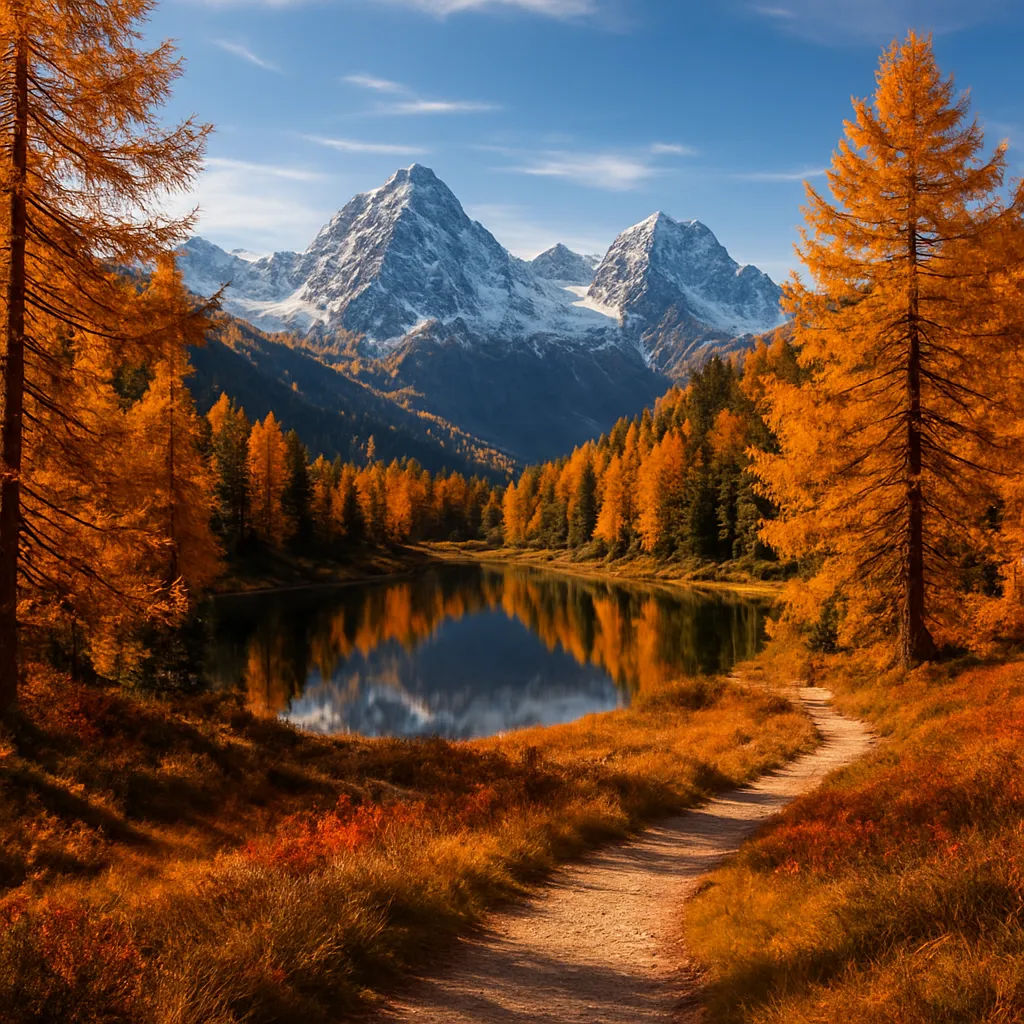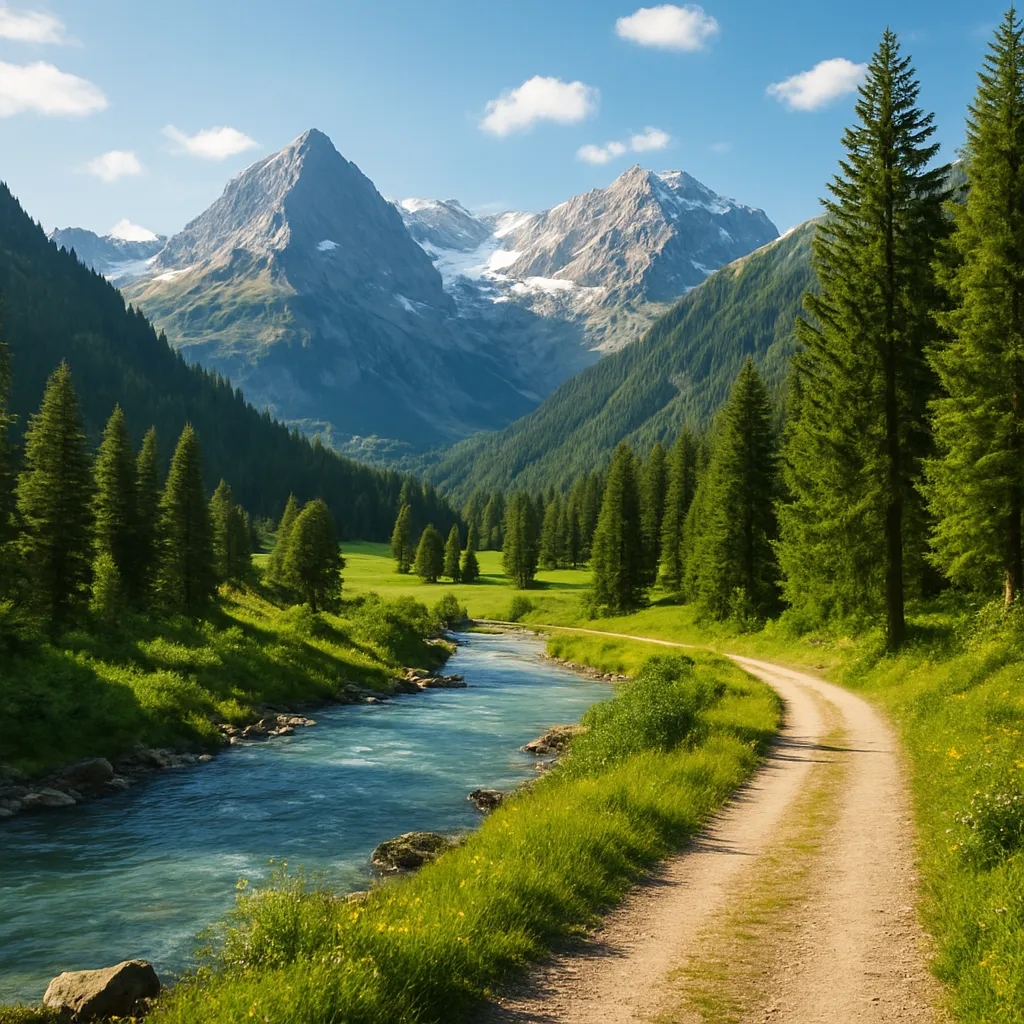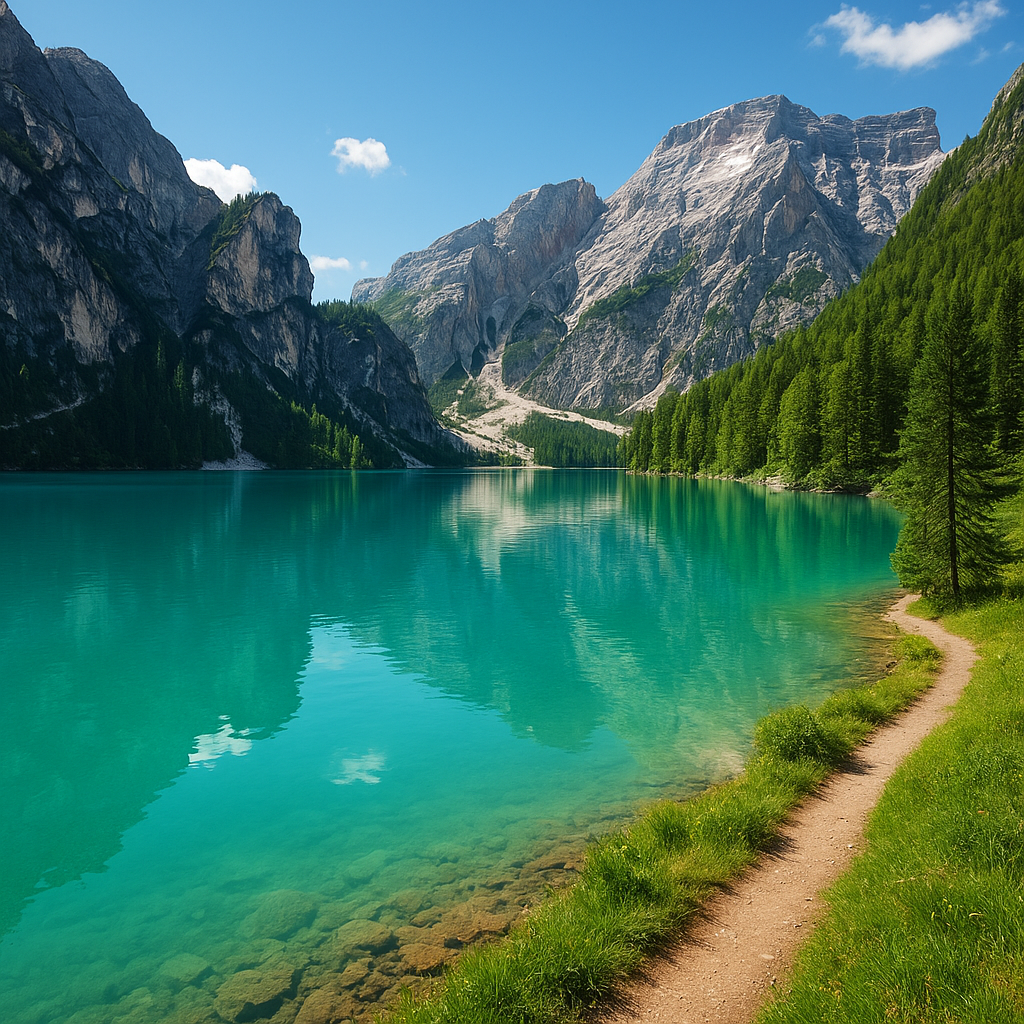
The Alps stand as a testament to nature’s most breathtaking spectacles, offering an array of landscapes that range from soaring peaks to mirror-like lakes tucked away in hidden valleys. Spanning eight countries, this mountain range has inspired countless artists, explorers, and adventurers. In this article, you will embark on a journey through the heart of the Alps, discovering its geological marvels, pristine lakes you won’t believe exist, and the vibrant cultures that thrive in its shadow.
Majestic Landscapes and Alpine Geography
Stretching over 1,200 kilometers, the Alps form the highest and most extensive mountain range system in Europe. Their formation began some 65 million years ago when the African and Eurasian tectonic plates collided, thrusting up the rock layers that now create the dramatic ridges and valleys. Today, the Alps are divided into Western and Eastern sectors, each with distinct geological characteristics.
Western Alps: A Fortress of Granite and Marble
The Western Alps, known for their glacial expanses, showcase massive granite peaks and marble cliffs. Mont Blanc, Europe’s highest summit at 4,808 meters, dominates this region. Its permanent ice and snowfields feed a host of rivers that eventually flow into the Rhône and Po basins.
Eastern Alps: Limestone and Dolomite Wonders
In contrast, the Eastern Alps feature extensive zones of limestone and dolomite, giving rise to sharp pinnacles and steep walls. The Dolomites, a UNESCO World Heritage Site, are prized for their pale-colored rock formations that glow pink at dawn and dusk—a phenomenon known as the Enrosadira.
The Hidden Lakes of the Alps You Won’t Believe Exist
Amid these soaring peaks lie some of the most crystalline and serene lakes on Earth. Many remain accessible only by foot or small mountain trails, preserving their pristine beauty. Here are a few that defy belief:
- Lake Sorapis (Italy): Tucked away in the Dolomites, this vibrant turquoise lake contrasts sharply with the grey limestone cliffs. Accessible via a steep hiking trail, it rewards trekkers with an otherworldly panorama.
- Oeschinen Lake (Switzerland): Surrounded by vertical rock faces and lush pine forests, this UNESCO-protected lake can only be reached by cable car or a challenging mountain path.
- Lake Cauma (Switzerland): Hidden near Flims, Lake Cauma’s vivid blue waters are framed by beech and spruce forests. It offers a tranquil escape from busy alpine resorts.
- Lago di Braies (Italy): Also known as the “Pearl of the Dolomites,” this heart-shaped lake captivates photographers and romantics alike with its emerald hues and historic boathouse.
- Lake Vouliagmeni (Austria): Lying in a secluded cirque, this gem reflects the surrounding cliffs and houses thermal springs that maintain a pleasant swimming temperature year-round.
The Science Behind Their Colors
The dazzling shades of these lakes arise from glacial flour—fine rock particles ground by moving ice. When suspended in water, these minerals scatter sunlight, creating vivid blues, greens, and turquoises. Seasonal variations in sediment and algae can further transform the palette.
Alpine Flora, Fauna, and Conservation Efforts
The Alps host a remarkable diversity of life adapted to extreme altitudes and cold climates. From the high-altitude meadows carpeted with colorful wildflowers to the dense forests at lower elevations, the range of ecosystems is astounding.
- Flora: Alpine gentians, edelweiss, and rare orchids grace the meadows during the short summer season. Each species has developed unique strategies to survive freezing temperatures and limited growing periods.
- Fauna: The elusive ibex scales sheer cliffs, while chamois bound across rocky slopes. Marmots emerge from hibernation to fill the air with whistles, and bearded vultures soar overhead, playing a crucial role in cleaning carcasses.
- Conservation: National parks and protected areas, such as Vanoise in France and the Hohe Tauern in Austria, work tirelessly to preserve these fragile habitats. Initiatives focus on sustainable tourism, wildlife monitoring, and reforestation.
Balancing Tourism and Preservation
While millions of visitors flock to ski resorts and hiking trails every year, conservationists face the challenge of ensuring that development does not harm the Alpine environment. Efforts include:
- Limiting the construction of new lifts and condominiums in sensitive zones
- Promoting electric and shared transportation in mountain valleys
- Enforcing strict waste disposal and recycling policies on popular trails
Culture, Tradition, and Alpine Adventures
The human heritage of the Alps is as rich as its natural wonders. Over centuries, mountain communities have forged unique traditions in architecture, cuisine, and festivals, all shaped by the demands of their environment.
Architectural Marvels
Alpine villages feature sturdy stone houses with sloping roofs designed to withstand heavy snowfall. The use of local timber and stone reflects a deep respect for available resources. Mountain huts, or refuges, offer shelter to trekkers, maintaining a network of trails that crisscross the entire range.
Culinary Delights
Alpine cuisine is hearty and comforting, featuring cheeses like Gruyère, Emmental, and Fontina. Dishes such as fondue, raclette, and polenta with mushrooms showcase local ingredients. In spring and summer, villagers harvest wild herbs and blossoms to infuse oils, syrups, and spirits with aromatic flavors.
Festivals and Folklore
From the Almabtrieb, the festive autumn descent of cattle from mountain pastures, to vibrant folk music events in Tyrol and Bavaria, Alpine festivals celebrate the cycle of seasons and agricultural traditions. Dancers in traditional dress, alphorn musicians, and spectacular displays of fireworks bring communities together.
Thrilling Alpine Activities and Mountaineering
Adventure seekers find no shortage of activities among the Alpine peaks. Whether seeking an adrenaline rush or a peaceful retreat, the mountains cater to all tastes.
- Hiking and Trekking: Epic trails like the Tour du Mont Blanc and the Alta Via routes challenge hikers with multi-day treks through diverse landscapes.
- Mountaineering: Classic ascents such as the Matterhorn and Eiger beckon experienced climbers to test their skills on steep faces and icy ridges.
- Skiing and Snowboarding: World-renowned resorts in Chamonix, Zermatt, St. Anton, and Cortina d’Ampezzo offer slopes for all levels, backed by modern lift networks and off-piste opportunities.
- Paragliding and Air Sports: Launching from high meadows, thrill-seekers can glide above valleys, enjoying panoramic views and the sensation of soaring like an eagle.
- Mountain Biking: A growing network of trails takes riders through remote passes and down technical descents, combining fitness with scenic rewards.
Preparing for High-Altitude Adventures
To ensure safety and enjoyment, adventurers should:
- Acclimatize gradually to prevent altitude sickness
- Carry navigation tools, emergency kits, and sufficient water
- Stay informed about weather forecasts and avalanche risks
- Respect local regulations and protected areas
Conclusion
The Alps offer an unparalleled fusion of natural beauty, cultural richness, and thrilling adventure. From the pristine lakes that glow in impossible hues to the time-honored traditions of mountain communities, every element combines to create a region of extraordinary diversity. Whether you seek solitude on a remote trail, excitement on a challenging ascent, or the warmth of Alpine hospitality, this mountain range promises memories that will last a lifetime.