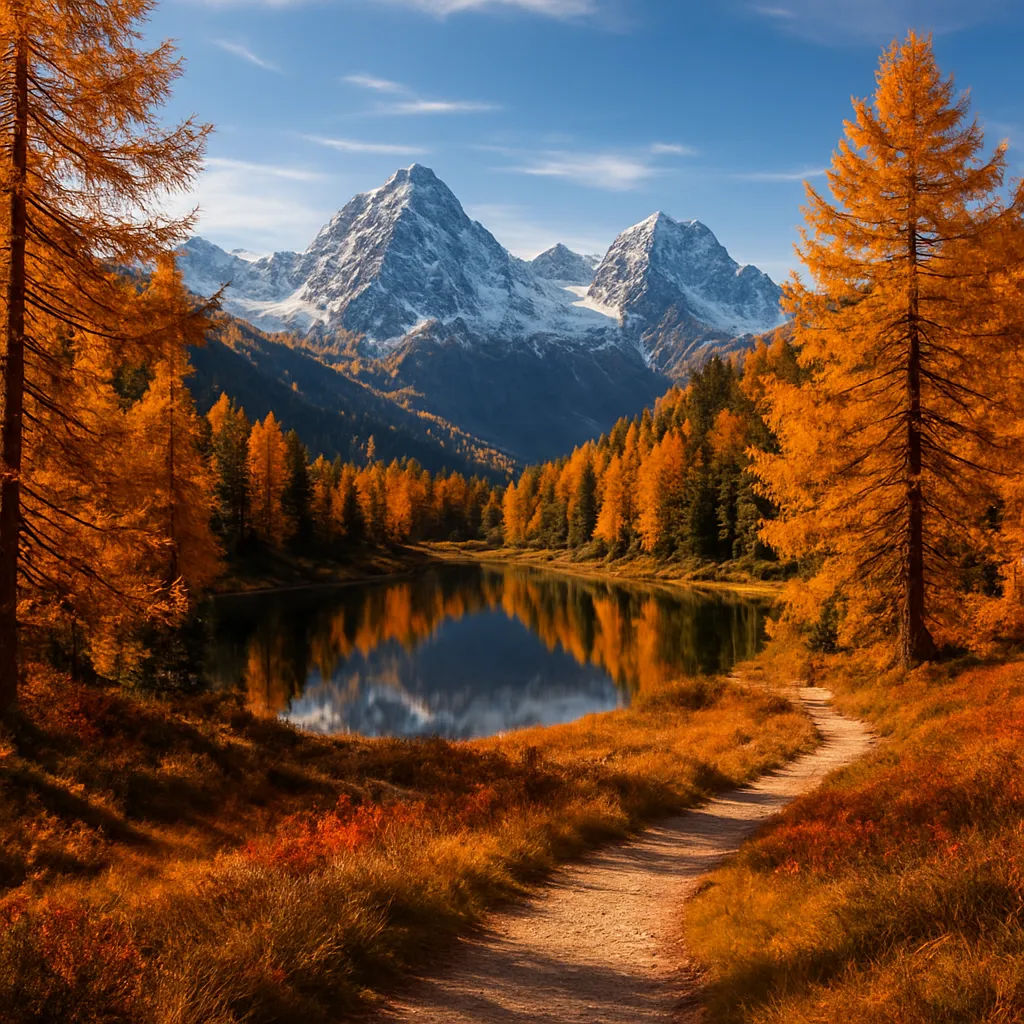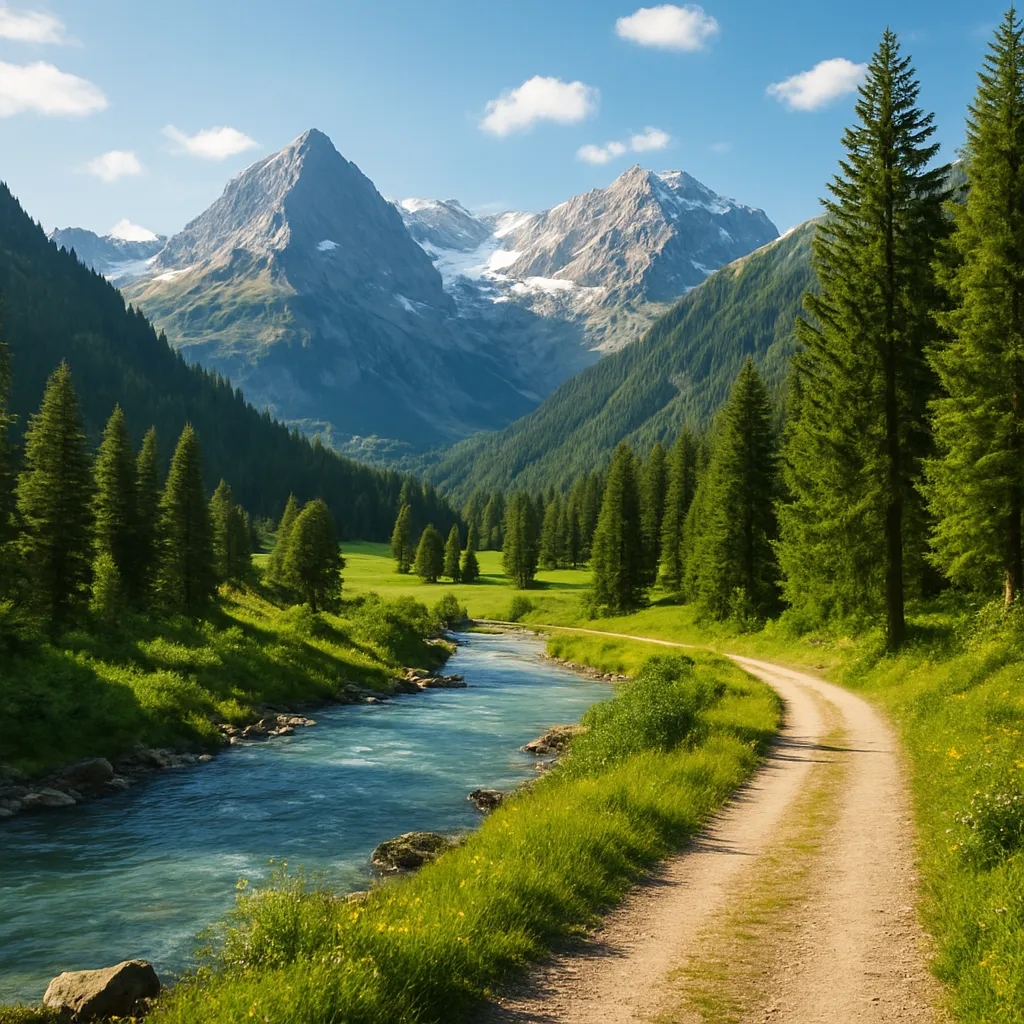
Rising above central Europe, the majestic peaks of the Alps stretch across eight countries, forming a tapestry of rugged terrain, glimmering glaciers, and lush valleys. This mountain range has shaped the destiny of communities for centuries, giving rise to unique agricultural practices, culinary wonders, and vibrant cultural traditions. From the lush meadows where cows graze to the cellars where chocolate is tempered, the Alps offer an unparalleled backdrop for understanding why Swiss cheese and chocolate captivate taste buds around the world.
Geographical Grandeur and Alpine Biodiversity
The Alps are more than a series of tall peaks; they represent a delicate balance of climate, geology, and ecology. Spanning from France and Monaco in the west to Slovenia in the east, these mountains act as a natural barrier that influences weather patterns and nurtures an incredible array of flora and fauna.
Mountain Chains and Geological Origins
- Formation: Born millions of years ago as the African and Eurasian tectonic plates collided, the Alps continue to rise through complex geological processes.
- Elevation: With over 1,200 peaks exceeding 3,000 meters, including the famous Mont Blanc, the range creates dramatic altitudinal zones.
Climatic Zones and Microclimates
Thanks to the range’s orientation and altitude, microclimates thrive within short distances:
- Glacial zones above 3,000 meters maintain year-round ice and snow, feeding rivers that flow into major European waterways.
- Temperate valleys provide mild summers and snowy winters, enabling both winter sports and summer agriculture.
- South-facing slopes often host vineyards and vineyards’ unique grape varieties, a testament to the region’s climatic diversity.
The resulting biodiversity is staggering: alpine ibex, chamois, golden eagles, and over 12,000 plant species find refuge here, making the Alps a hotspot for conservation and scientific study.
Alpine Pastures and the Art of Swiss Cheese
Among the world’s most celebrated cheeses, varieties like Emmental, Gruyère, and Appenzeller owe their distinct character to high-altitude pastures and centuries-old methods. Alpine dairy farming is as much an ecological practice as it is an agricultural one, rooted in local tradition and seasonal rhythms.
The Alpine Pastures
- Sustainability: Farmers move their herds to high pastures during summer, allowing lower fields to regenerate and maintain soil health.
- Floral Diet: The cows feed on a diverse mix of grasses and wildflowers, infusing milk with subtle aromatic notes.
From Milk to Mastery
The journey from fresh milk to aged cheese involves several steps:
- Milk Collection: Every morning, dairymaids collect raw milk, ensuring optimal freshness and nutrient retention.
- Coagulation: Traditional methods use natural rennet to separate curds and whey, a process closely guarded by local cooperatives.
- Pressing and Molding: Curds are pressed into distinctive wheels, each shape influencing moisture release.
- Affineur Expertise: Aging rooms in mountain cellars maintain precise humidity and temperature, managed by an artisan known as an affineur.
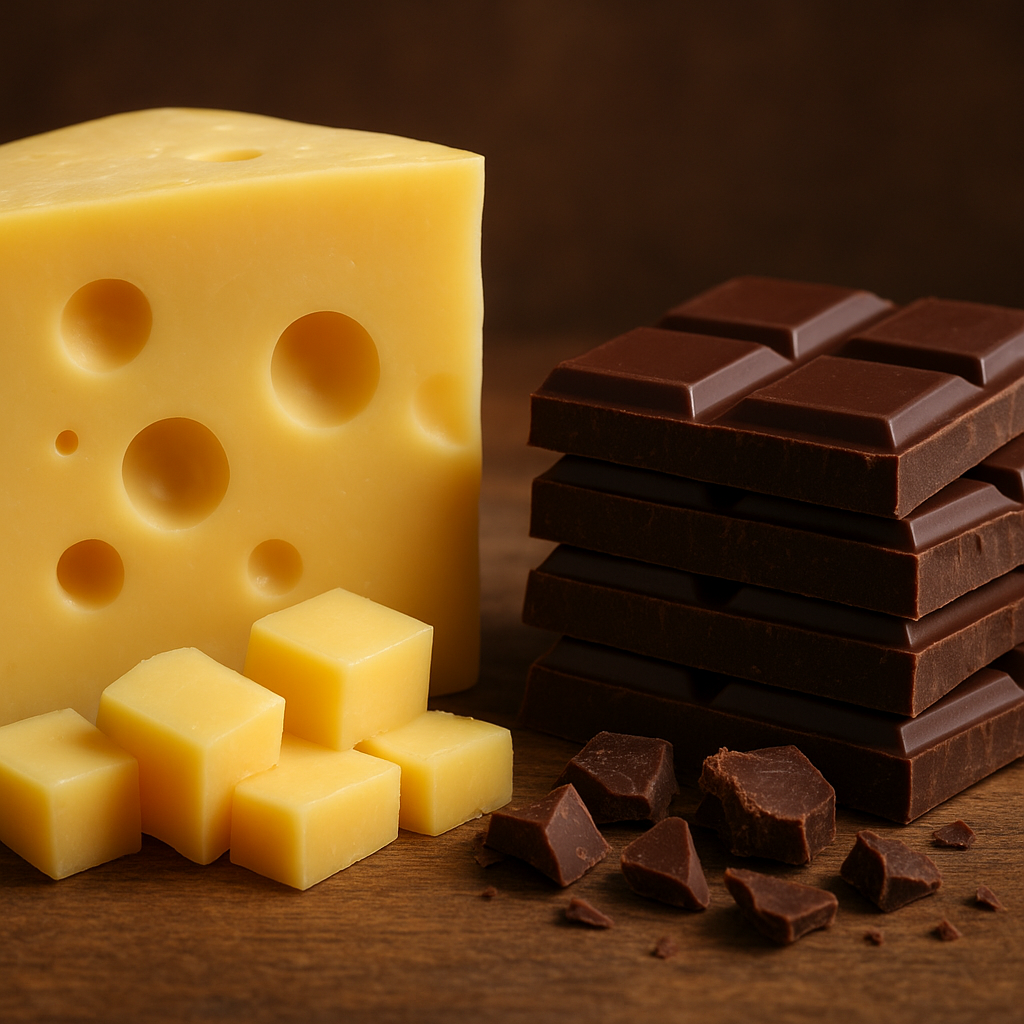
The result is a symphony of textures and flavors: the nutty bite of aged Gruyère, the characteristic holes of Emmental, and the pungent complexity of Appenzeller. Such profiles stem from the region’s unique microclimate and the biodiversity of Alpine pastures.
Swiss Chocolate: From Bean to Bar
While cocoa trees do not grow in cold mountain climates, Switzerland became synonymous with premium chocolate through inventive processing and steadfast quality standards. Key developments in the 19th century propelled Swiss chocolate to global fame.
Pioneers of Innovation
- Conching Process: Developed by Rodolphe Lindt in 1879, conching improved texture by smoothing out cocoa particles, creating a velvety mouthfeel.
- Milk Chocolate Invention: In 1875, Daniel Peter combined condensed milk with cocoa liquor, giving birth to the first successful milk chocolate bar.
- Chocolate Tempering: Precise cooling methods ensure a glossy finish and satisfying snap, hallmarks of Swiss craftsmanship.
Cocoa Sourcing and Ethical Practices
Modern Swiss chocolatiers emphasize traceability and fair trade:
- Direct Partnerships: Many brands partner with farmers in West Africa, South America, and Asia to guarantee quality beans and equitable prices.
- Organic and Rainforest Alliance Certifications: Ethical standards ensure minimal environmental impact and social responsibility.
Through continuous innovation and an unwavering commitment to excellence, Swiss chocolate offers a balance of sweetness, cocoa intensity, and creamy richness. This legacy elevates each bar beyond mere confection, reflecting a deep-rooted culture of precision and care.
Cultural Heritage and Alpine Celebrations
The Alps are as much a cultural crossroads as they are a natural wonder. Communities scattered across valleys celebrate centuries-old customs, festivals, and crafts that speak to local pride and communal bonds.
Festivals and Traditions
- Almabtrieb: In autumn, decorated cows return from mountain pastures, celebrated with music, dancing, and traditional attire.
- Yodeling and Horn Blowing: Vocal calls and horn concerts echo through valleys, preserving age-old musical forms.
- Cheese and Chocolate Fairs: Seasonal markets showcase artisanal products, offering tastings that highlight regionally specific flavors.
These gatherings reinforce a sense of place and continuity, connecting residents to the land and visitors to authentic experiences. In many villages, local schools teach children how to weave wicker baskets, craft wooden ornaments, and prepare classic dishes like fondue and raclette.
Modern Tourism and Sustainable Practices
Tourism fuels Alpine economies but also demands careful stewardship. In recent decades, operators have embraced strategies to protect fragile ecosystems while offering unforgettable adventures:
- Eco-friendly Lodging: Mountain huts and chalets adopt solar heating, water recycling, and waste reduction measures.
- Low-impact Trails: Designated hiking and skiing routes minimize erosion and wildlife disturbance.
- Education Initiatives: Guided nature walks and wildlife workshops instill respect for Alpine flora and fauna.
By integrating cultural preservation with environmental responsibility, the Alps remain a dynamic landscape where tradition meets modernity.
Nutritional Value and Health Benefits
Swiss cheese and chocolate are often seen as indulgences, yet they offer surprising health advantages when consumed in moderation.
- Nutrition: Alpine milk is rich in calcium, protein, and essential vitamins, promoting bone health and muscle repair.
- Probiotics: Certain cheeses contain live cultures that support digestive well-being.
- Antioxidants: Dark chocolate boasts flavonoids that may improve cardiovascular function and reduce inflammation.
Enjoying these products alongside a balanced diet and active mountain lifestyle exemplifies the age-old Alpine principle of harmony between food, body, and environment.
Conclusion of an Ongoing Legacy
The Alps stand as a testament to the interplay between nature and human ingenuity. From the green pastures that nurture cows to the laboratories where chocolatiers refine recipes, each step in the creation of Swiss cheese and chocolate reflects a commitment to quality, sustainability, and heritage. As travelers ascend towering peaks and sample local delicacies, they become part of a story that spans millennia—a story of resilience, creativity, and the enduring allure of one of Europe’s most remarkable regions.