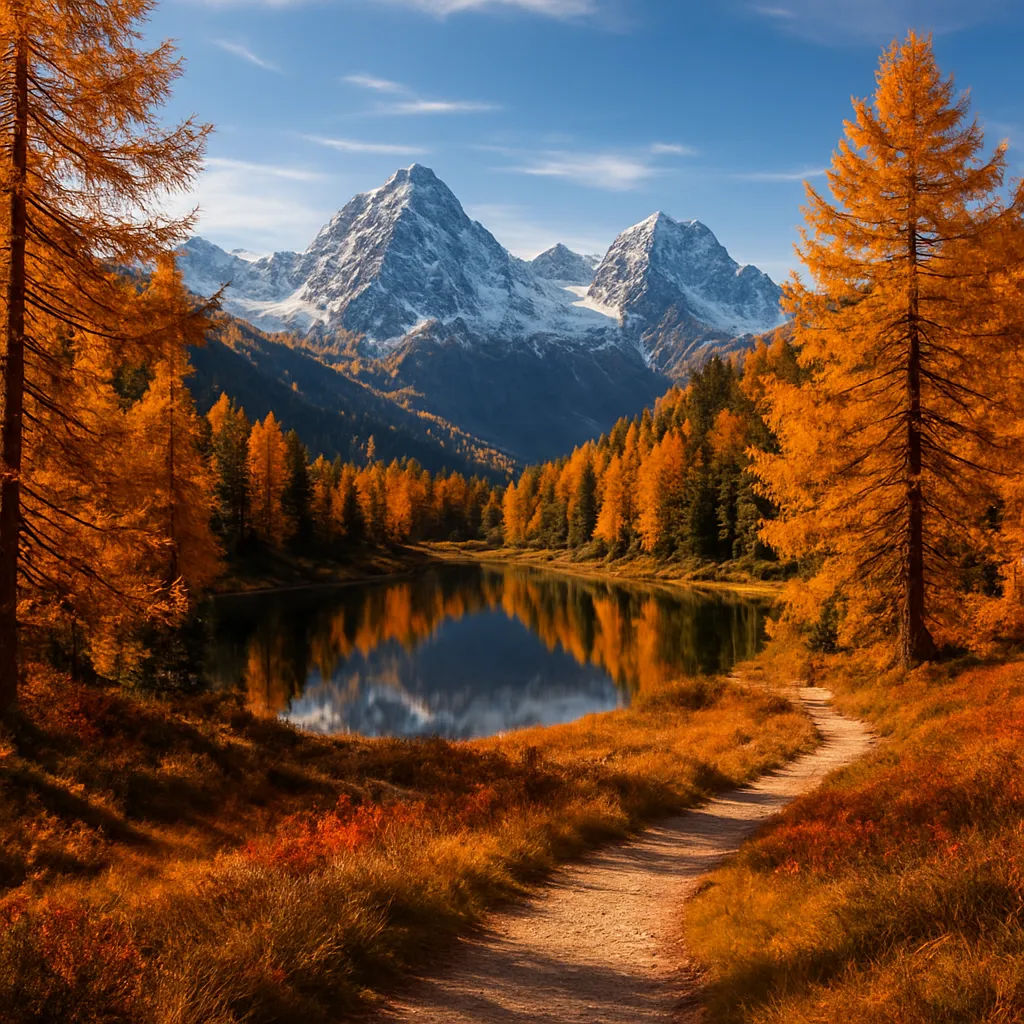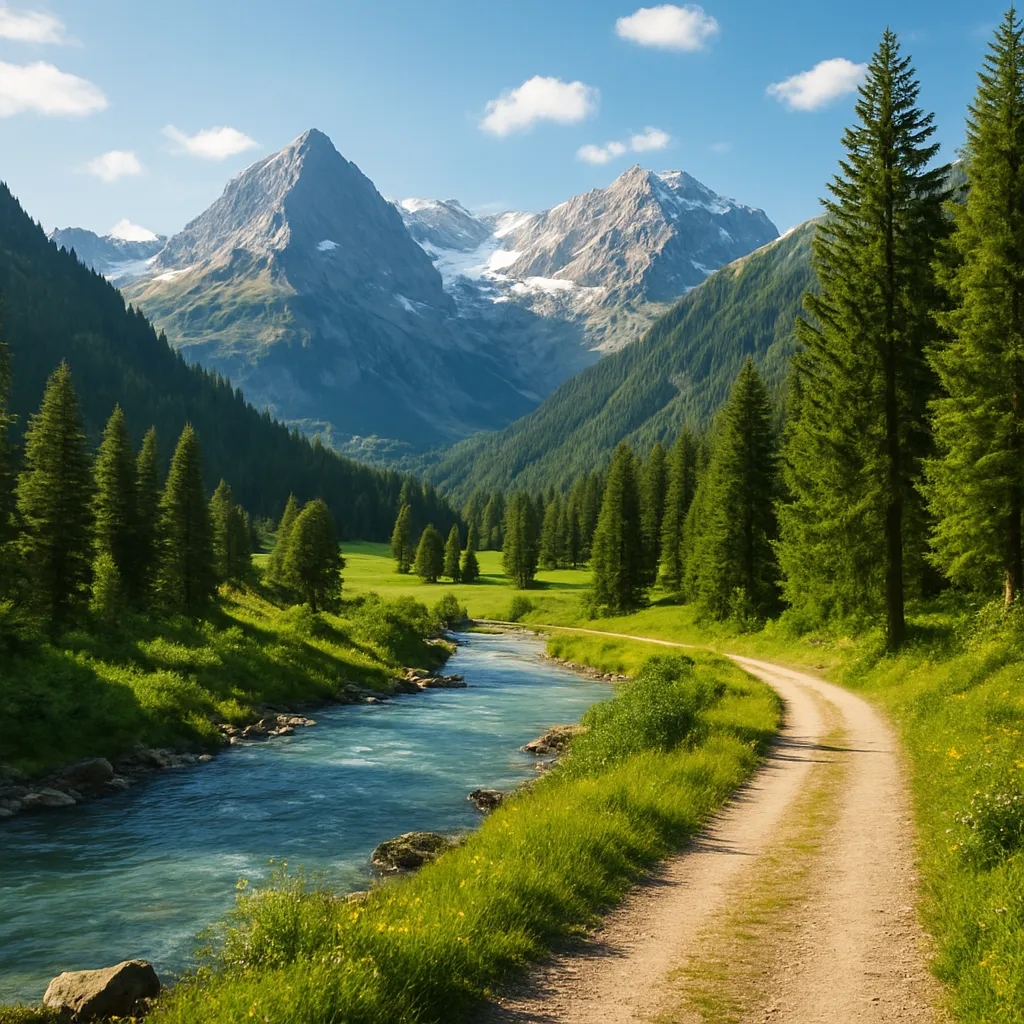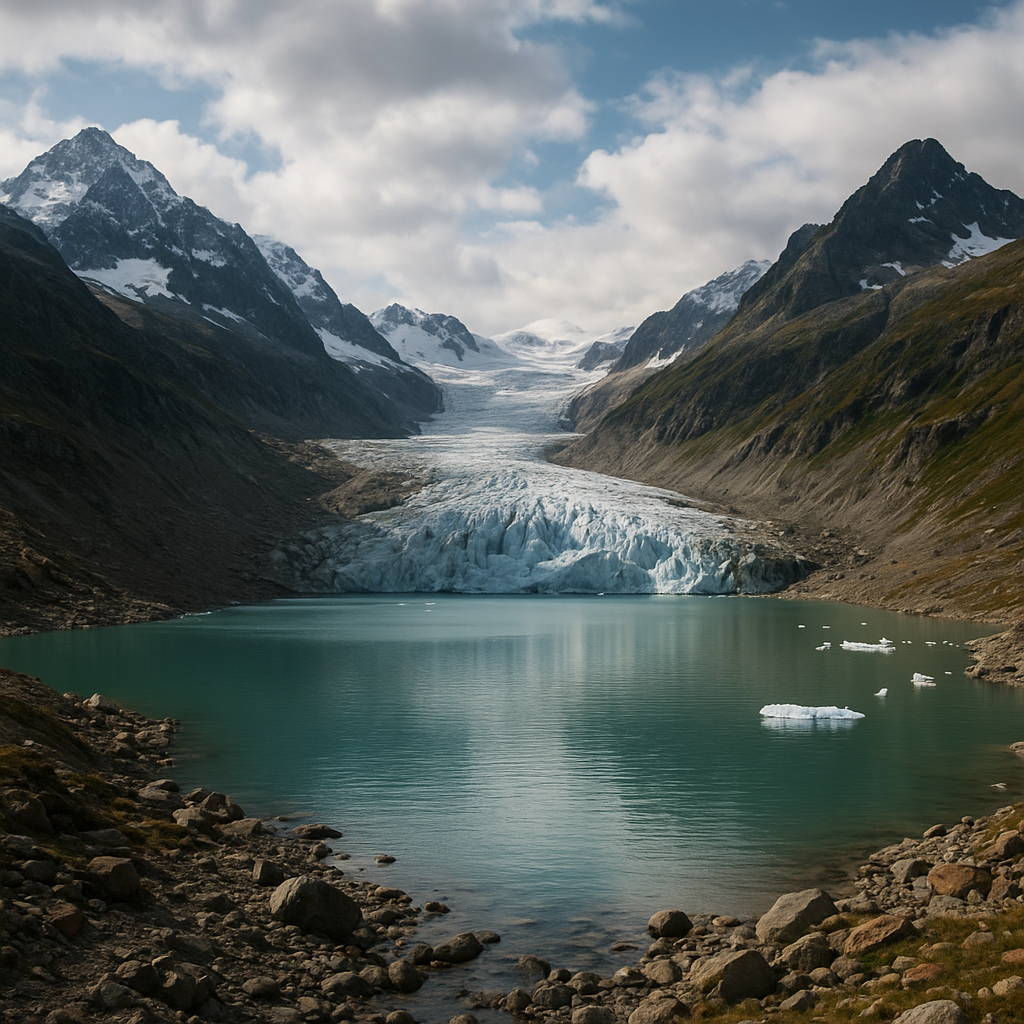
The Alps stretch across eight European countries, forming a dramatic mountain chain that profoundly influences weather patterns, water resources, and human livelihoods. This rugged landscape is home to fragile ecosystems, vital freshwater reserves, and centuries-old traditions. As climate dynamics shift, scientists observe a close link between rising temperatures, the retreat of glacier tongues, and broader ecological changes. Understanding this relationship is key to developing effective strategies for sustainability and resilience in alpine environments.
Geography and Climate Characteristics
The Alpine massif extends over 1,200 kilometers, from the Mediterranean corridors in the southwest to the lush valleys of Austria in the northeast. Its high peaks, including Mont Blanc (4,808 m) and the Matterhorn (4,478 m), create a natural barrier that shapes regional precipitation patterns. Air masses forced to rise encounter colder temperatures, producing abundant snowfall on windward slopes and fostering diverse microclimates.
- Altitude zones: The Alps feature distinct belts—from colline and montane forests to alpine meadows and high-nival zones dominated by snow and ice.
- Water cycle: Snowmelt and rain feed major rivers such as the Rhine, Rhône, Po, and Danube, affecting millions downstream.
- Permafrost patches: Found above 2,500 meters, permafrost acts as a glue that stabilizes slopes. Thawing can lead to rockfalls and landslides.
This intricate interplay of topography and climate supports an extraordinary level of biodiversity. Alpine habitats shelter specialized flora and fauna adapted to short growing seasons and intense solar radiation. However, these species also face heightened vulnerability as temperature regimes shift.
Environmental Impacts of Warming Temperatures
Rising average temperatures—about 2°C higher than pre-industrial levels in many Alpine areas—have triggered accelerated melting of ice and permafrost. Over the past century, the Alps have lost more than half of their ice volume. Researchers document a range of downstream effects:
- Glacier retreat: Iconic glaciers like the Aletsch Glacier retreat several meters annually, reducing alpine water storage.
- Hydrological changes: Shifts in seasonal runoff patterns lead to higher winter flows and diminished summer supply, stressing agriculture and hydroelectricity.
- Ecological transitions: Warmer conditions allow lowland species to encroach on alpine zones, threatening cold-adapted communities and fragmenting habitats.
Furthermore, thawing permafrost destabilizes rocky slopes, increasing the frequency of debris flows and rockslides. These hazards not only endanger mountain villages and infrastructure but also alter soil distribution and ecosystem productivity. Alpine wetlands, peat bogs, and groundwater systems experience changes in hydrology, which can reduce carbon sequestration capacity and modify nutrient cycles.
Tourism, Economy, and Adaptation Strategies
Tourism constitutes a vital economic pillar across Alpine regions. Ski resorts, hiking trails, and mountaineering attract millions annually. Yet, shrinking snow cover and erratic winter conditions compel stakeholders to adapt:
- Snowmaking technologies: Artificial snowmakers extend ski seasons but demand large volumes of water and energy.
- Diversification: Resorts promote summer activities—mountain biking, alpine spas, and cultural festivals—to reduce reliance on winter sports.
- Sustainable management: Certification schemes encourage eco-friendly practices, from limiting vehicle emissions to protecting mountain meadows.
Local communities implement resilience measures by reinforcing flood defenses, monitoring slope stability, and redesigning infrastructure to withstand extreme weather events. Agricultural traditions, such as transhumance grazing, are revived to preserve open landscapes and maintain biodiversity corridors. Governments collaborate through the Alpine Convention, a transnational treaty emphasizing adaptation, conservation, and cross-border research.
Future Outlook and Research Directions
Scientific efforts continue to refine climate models specific to mountain regions, aiming to project changes in temperature, precipitation, and extreme events with greater accuracy. Key priorities include:
- High-resolution monitoring: Deploying remote sensing, weather stations, and ground-penetrating radar to track permafrost dynamics and ice mass balance.
- Integrative ecosystems research: Studying interactions among soil microbes, alpine plants, and pollinators to forecast shifts in biodiversity.
- Socioeconomic assessments: Evaluating how rural populations adapt land-use practices, tourism strategies, and cultural heritage in response to climate pressures.
Climate scenarios suggest that even under moderate warming, many smaller glaciers may vanish by the end of the century, fundamentally altering water availability. Effective mitigation—reducing greenhouse gas emissions—and proactive adaptation remain essential. By fostering regional cooperation, innovative engineering, and community-based stewardship, the Alpine region can strive for a balanced future that safeguards its unique natural capital and supports the well-being of millions who depend on its resources.