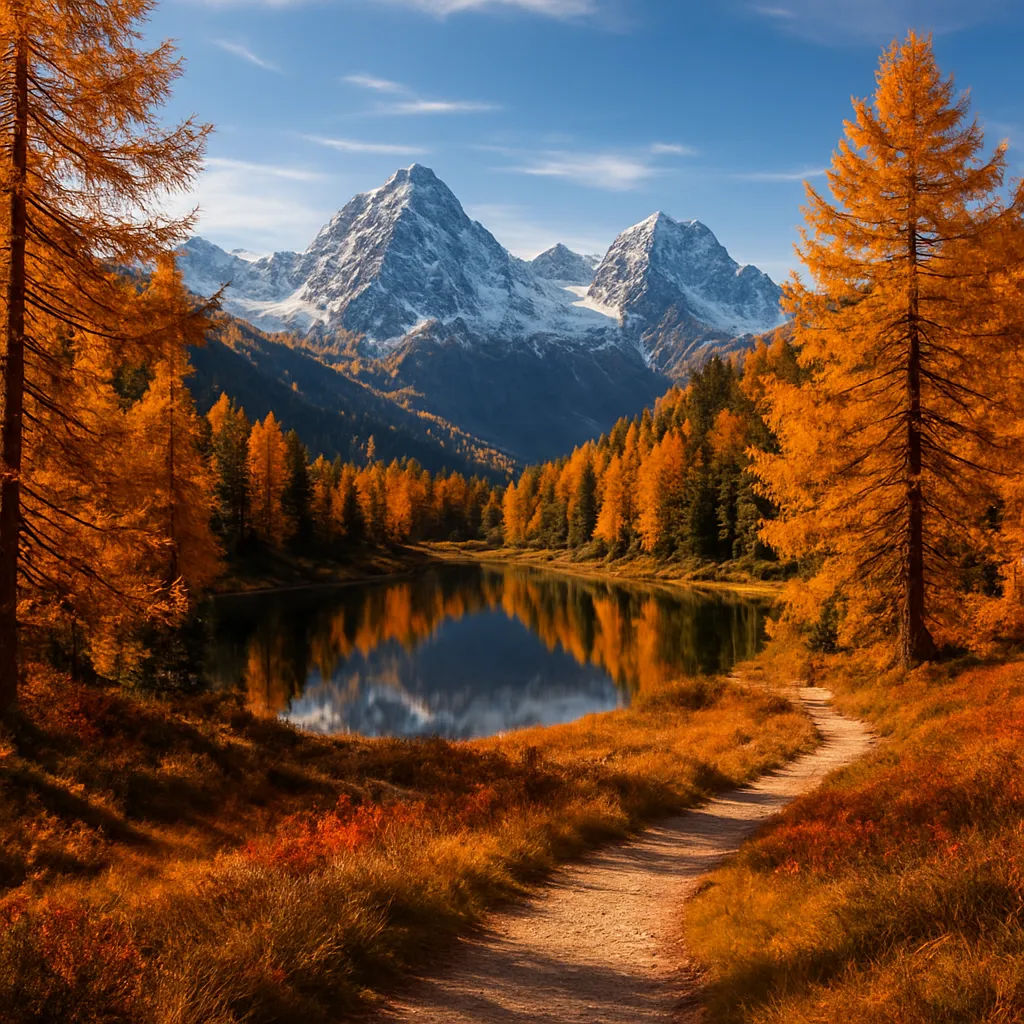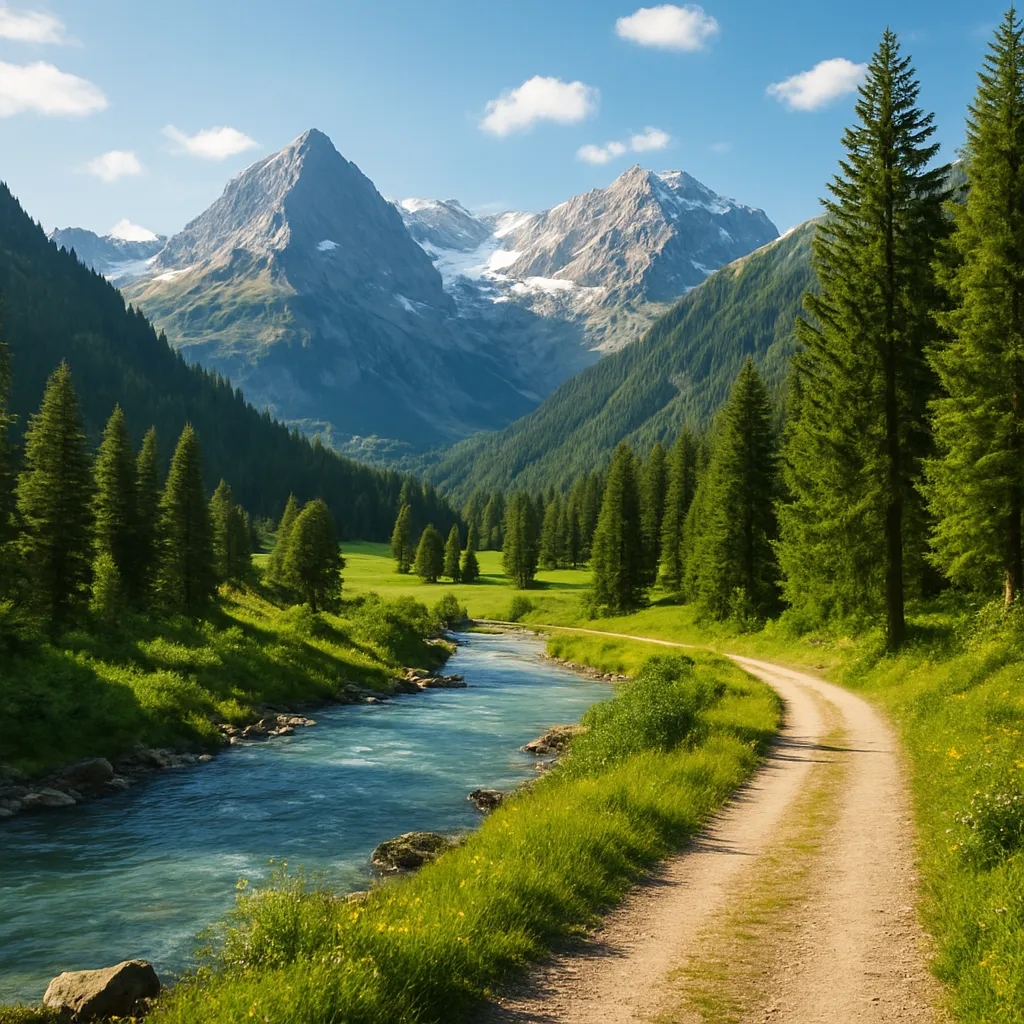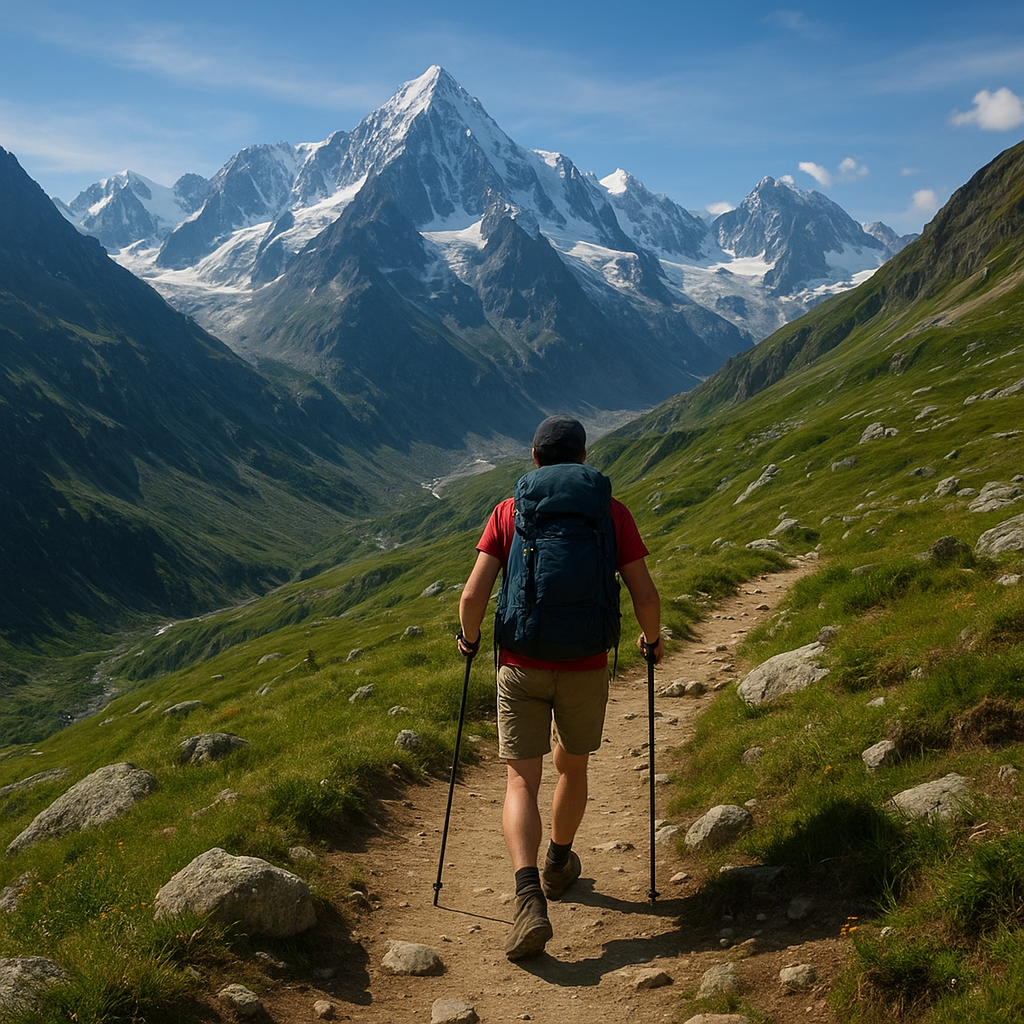
The Alps stand as one of Europe’s most iconic mountain ranges, offering an extraordinary blend of majestic summits, verdant valleys, and a rich tapestry of human heritage. Stretching across eight countries, this vast system of mountains captivates explorers, nature enthusiasts, and cultural aficionados alike. From towering peaks draped in snow to vibrant meadows teeming with wildflowers, the region invites everyone to discover its secrets and stories. Whether you seek an adrenaline-fueled expedition or a serene retreat in alpine villages, the Alps deliver an unforgettable experience.
Geographical Majesty of the Alps
Rising abruptly from the rolling foothills, the Alps carve a grand arc through France, Switzerland, Italy, Germany, Austria, Slovenia, Liechtenstein, and Monaco. Their geological evolution took place over millions of years, as the African and Eurasian tectonic plates collided, thrusting up colossal rock formations. Today, lofty summits such as Mont Blanc (4,808 m) and the Matterhorn (4,478 m) reign supreme, crowning the landscape with eternal snow and ice.
Glacial activity has sculpted deep valleys and sharp ridges, leaving behind an intricate network of cirques, moraines, and U-shaped valleys. Countless alpine rivers still trace these ancient paths, feeding major European waterways like the Rhine, Rhone, and Po. Visitors can witness the awe-inspiring power of nature by exploring the massive glaciers of the Aletsch, Mer de Glace, and Pasterze, marvels that continue to retreat slowly in the face of climate change.
Hiking enthusiasts traverse an extensive web of well-maintained trails, connecting mountain refuges and quaint villages. Long-distance routes—such as the Tour du Mont Blanc and Via Alpina—span several hundred kilometers, weaving through three countries and offering panoramic vistas at every turn. For those wishing to escape the crowds, countless lesser-known paths tangle through pristine forests and high-altitude pastures.
Flora and Fauna in Alpine Environments
The Alps boast remarkable biodiversity, where ecosystems shift dramatically with altitude. At lower elevations, mixed forests of beech, oak, and chestnut give way to coniferous woodlands of spruce, fir, and pine. Higher up, the treeline yields to windswept grasslands dotted with colorful edelweiss, gentians, and alpine roses. In spring and summer, these flower-strewn meadows become living tapestries, attracting photographers and botanists alike.
Wildlife thrives in this mosaic of habitats. The elusive ibex scales near-vertical rock faces, relying on its keen surefootedness. Marmots whistle from rocky burrows, warning of potential threats, while chamois herd on steep slopes. Birdlife includes the golden eagle, wallcreeper, and Alpine chough, each adapted to life in thin mountain air. Conservation efforts have reintroduced species once endangered, such as the bearded vulture and lynx, ensuring ecological balance for future generations.
Iconic Outdoor Activities
Adventure seekers flock to the Alps for a multitude of outdoor pursuits that match every level of expertise and boldness.
- Hiking: Trail networks range from gentle valley promenades to strenuous high-altitude treks. Many routes lead to panoramic viewpoints, ridgelines, and tranquil mountain lakes.
- Mountaineering: Scaling peaks like the Gran Paradiso or the Eiger requires technical skill, glacier travel, and the guidance of experienced mountain guides.
- Skiing and snowboarding: Renowned resorts such as Chamonix, Zermatt, St. Anton, and Cortina d’Ampezzo boast extensive pistes, off-piste zones, and world-class lift infrastructure.
- Paragliding and hang gliding: Soar above jagged ridges and alpine villages, savoring unparalleled aerial views of the valleys below.
- Mountain biking: Dedicated trails and rugged singletracks wind through forests, alpine passes, and abandoned mule tracks, delivering both technical challenges and epic descents.
Each season transforms the region: crisp, clear summers invite long days in nature, while winter blankets the mountains in fresh powder, creating a winter sports paradise. Local outfitters provide guided tours, equipment rental, and safety courses, ensuring that both novices and experts can pursue their chosen activities with confidence.
Cultural Heritage and Alpine Cuisine
The Alps are not only a natural wonder but also a vibrant cultural mosaic. Alpine communities share centuries-old traditions in architecture, music, and craftsmanship. Timber-framed chalets, stone barns, and ornate balconies reflect regional styles, often incorporating intricate woodcarvings and vibrant frescoes. Festivals celebrate local folklore, with yodeling contests, alpine horn concerts, and colorful costume processions that evoke rural life of yesteryear.
Gastronomy in the Alps is a testament to resourcefulness and simplicity, turning modest ingredients into hearty fare. Cheeses such as Gruyère, Comté, Fontina, and Raclette are produced in high-altitude dairies and proudly served melted over potatoes or polenta. Savory stews like fondue, tartiflette, and goulash showcase locally foraged mushrooms, alpine herbs, and cured meats. After a day on the slopes or a long hike, indulging in warm bowls of soup—such as barley soup or cheese soup—offers a comforting end to any adventure.
Wine lovers can explore terraced vineyards along the southern slopes, especially in the Aosta Valley and Alto Adige. These high-altitude vineyards yield crisp whites and robust reds, perfectly paired with mountain cheeses or game dishes. Farmhouse inns, known as agriturismi, offer home-cooked meals and a chance to connect with local families, preserving centuries-old culinary traditions.
Conservation and Sustainable Travel
Preserving the Alps’ pristine beauty requires cooperative efforts across international borders. Numerous national parks and protected areas—such as the Hohe Tauern in Austria, Vanoise in France, and Stelvio in Italy—safeguard critical habitats and endangered species. Environmental organizations monitor glacial retreat, promote reforestation, and manage visitor impact to minimize erosion and habitat disturbance.
Sustainable tourism initiatives encourage responsible travel: carrying out all waste, using public transportation, and supporting eco-friendly accommodations that rely on renewable energy. Hikers are advised to stick to marked paths and respect wildlife by keeping a safe distance. Mountain guides educate visitors on Leave No Trace principles, ensuring that future generations can enjoy the Alps’ breathtaking landscapes.
Communities throughout the range champion innovative solutions, from solar-powered mountain huts to community-based trail maintenance programs. By prioritizing conservation and sustainable practices, the Alps remain a living laboratory of resilience, where people and nature coexist in harmony.