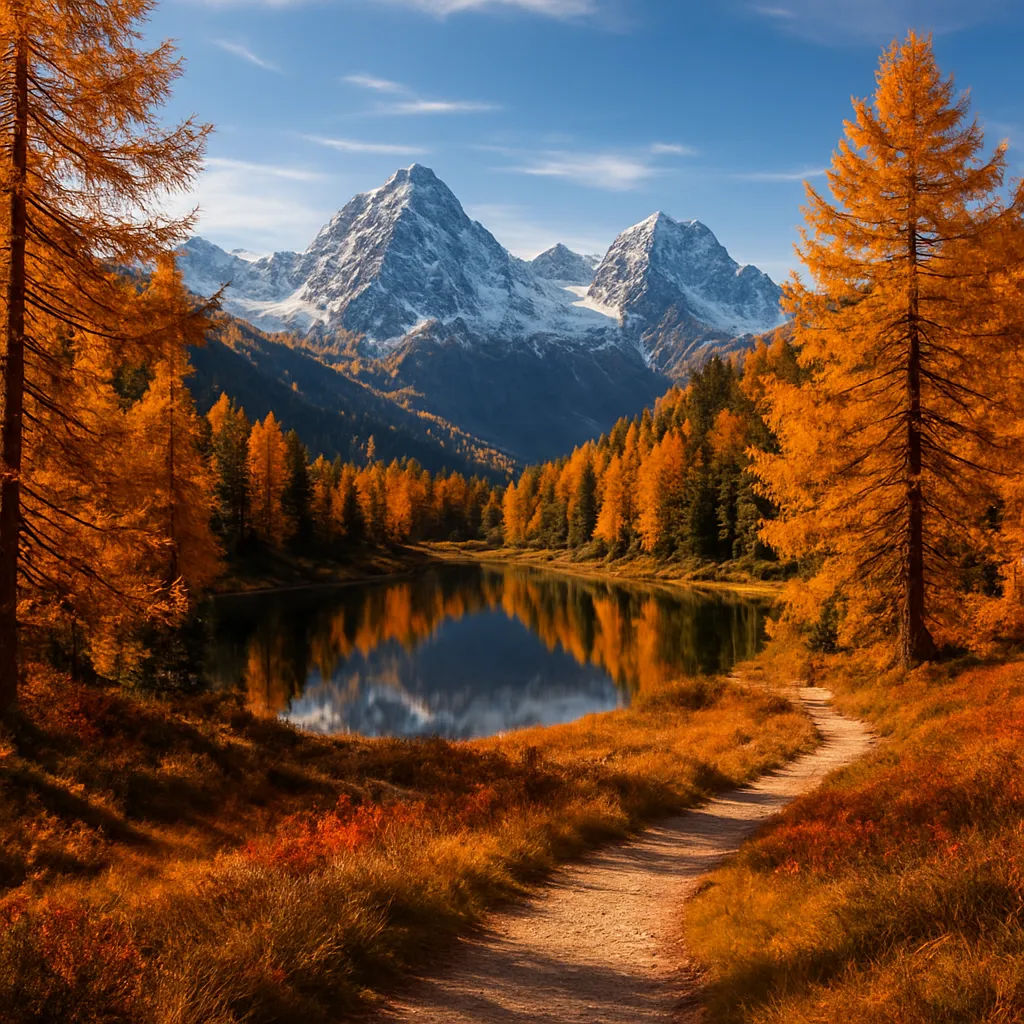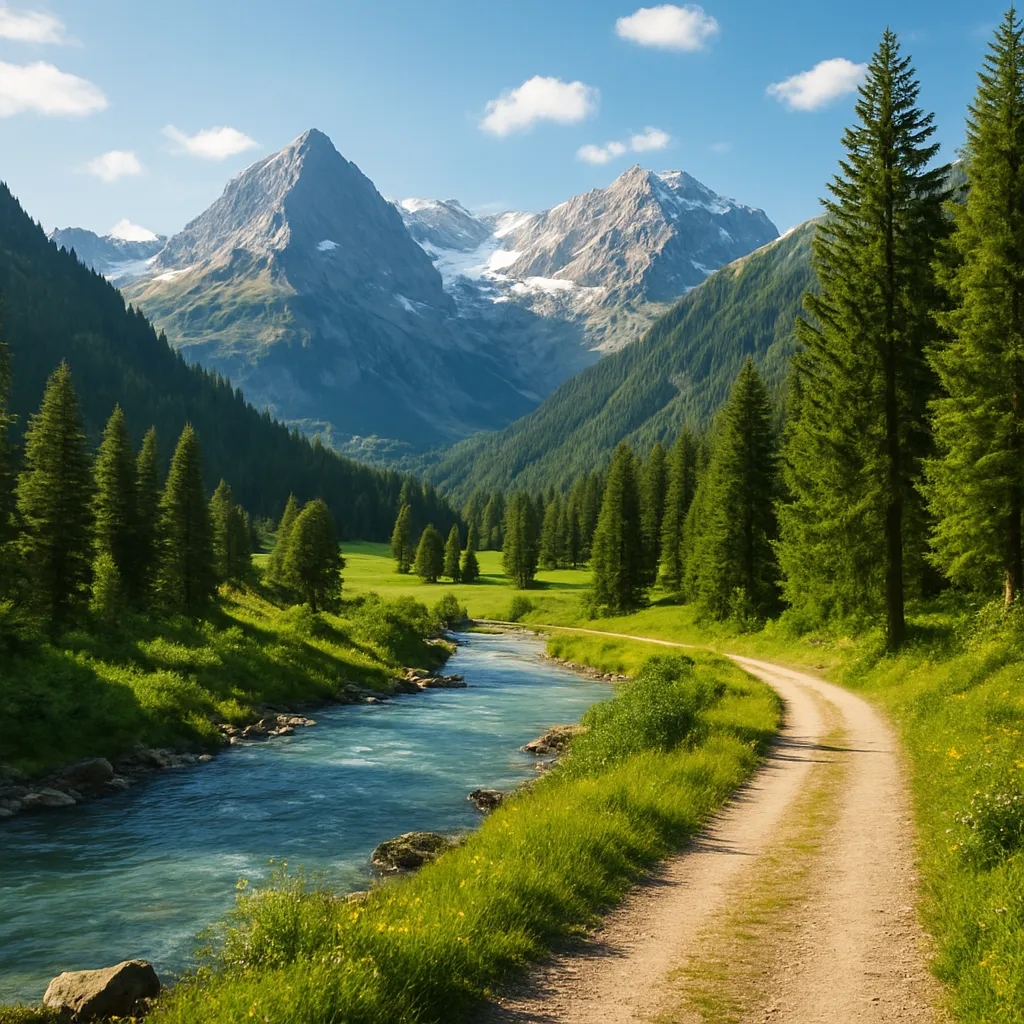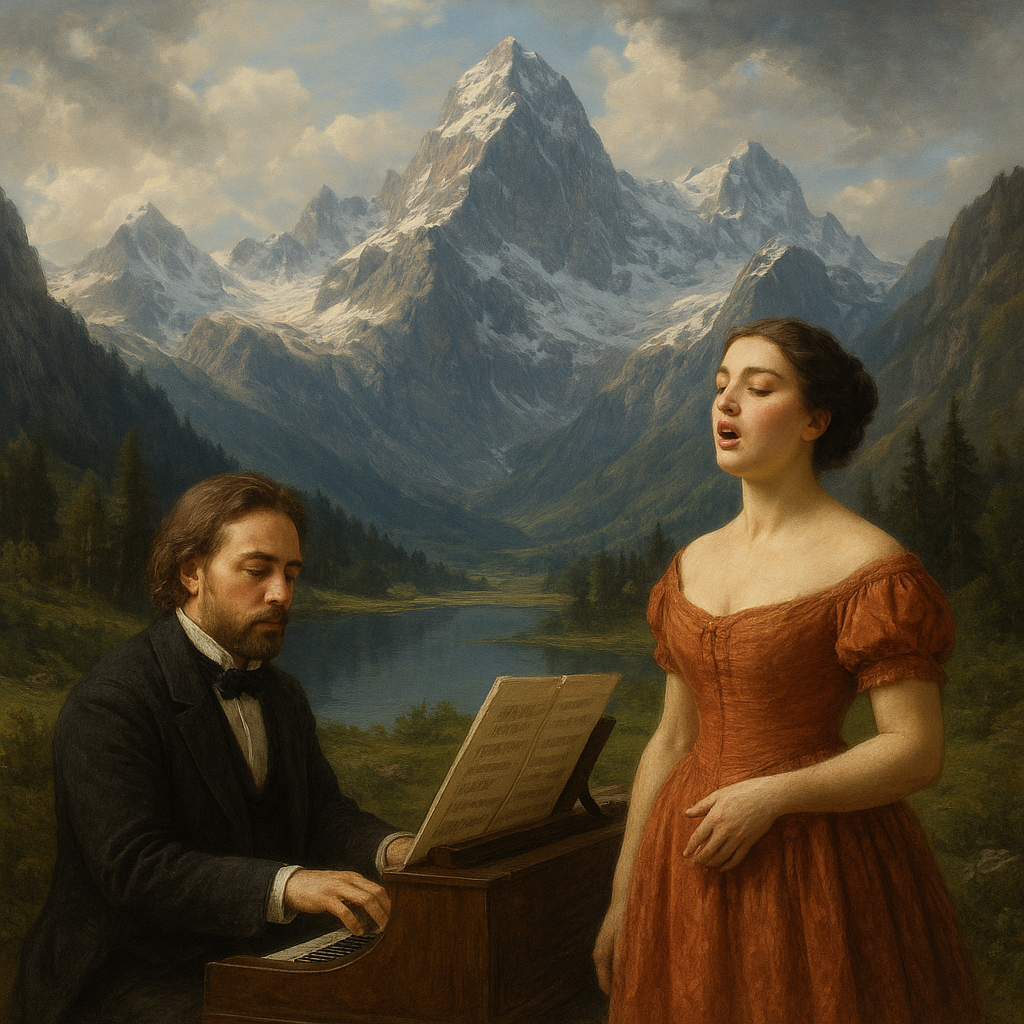
The towering ridges and snow-clad summits of the Alps have long captivated the human imagination, acting as both a backdrop and a wellspring of creative genius. Spanning eight countries across Europe, this majestic mountain range has inspired poets, painters, and most notably, composers of classical music and opera. From the serene valleys echoing with folk melodies to the dramatic peaks that symbolize epic struggle, the Alps offer a panorama of sounds and stories that have become integral to Western musical heritage. This article explores how the grandeur of the Alps shaped key works in symphonic music and opera, and how that legacy continues to resonate in contemporary culture.
Alpine Majesty: A Source of Creative Inspiration
For centuries, travelers on the Grand Tour marveled at glaciers, pine forests, and tumbling waterfalls. Early Romantic poets like Lord Byron and Samuel Taylor Coleridge penned vivid descriptions of the region’s sublime beauty. Their verses, in turn, influenced young composers seeking a similar emotional intensity. The Alps embodied the concept of the sublime: awe mixed with a tinge of fear, a powerful motif that bridged literature, painting, and music.
During the 18th and 19th centuries, Alpine-themed travelogues and illustrated prints circulated widely. These popular works fueled public fascination, encouraging composers to evoke mountain landscapes through orchestration and thematic material. Melodic lines would rise and fall like alpine meadows, while timpani and brass unleashed thundering climaxes reminiscent of avalanche and storm. The interplay of delicate woodwind motifs and bold orchestral outbursts reflected the region’s dual character: tranquil beauty and untamed force.
Beyond visual and emotional stimulus, the Alps introduced composers to local folk traditions. Shepherds’ horns, yodeling calls, and simple choral hymns provided a repository of melodic ideas. These elements found their way into classical compositions, adding an authentic regional color. In many cases, a single Alpine theme would serve as the basis for variations, capturing its rustic charm while transforming it through the prism of high art.
Symphonies Among Peaks: The Alps in Classical Music
Perhaps the most famous homage to the Alps in orchestral music is Richard Strauss’s Alpine Symphony. Composed in 1915, this sprawling tone poem unfolds as a musical trek from dawn to dusk, traversing past meadows, glaciers, and summit triumphs. Strauss employed a massive orchestra, complete with wind machine and thunder sheet, to paint vivid sonic landscapes. The work’s programmatic structure mirrors the typical Alpine ascent, complete with moments of gentle repose, sudden storms, and exultant victory at the peak.
Gustav Mahler drew inspiration from his childhood in the Bohemian Alps. His Third Symphony contains passages that evoke birdsong, rustling leaves, and the majestic ascent toward transcendence. Mahler viewed nature as a spiritual force, and the Alpine environment reinforced his quest to bridge earthly experience with the divine. The careful layering of themes and meticulous orchestration reflect the composer’s lifelong fascination with the natural world’s harmony.
Ludwig van Beethoven’s Sixth Symphony, known as the Pastoral, may not depict the Alps specifically, yet its idyllic rural scenes owe much to Alpine pastoral life. The gently meandering themes in the opening movement evoke rolling hills and bubbling streams. While Beethoven’s work celebrates countryside serenity, it also sets a precedent for program music—sonic storytelling that composers later expanded with Alpine subjects.
- Johann Strauss II and various contemporaries adapted folk dances like the ländler, bringing Austrian mountain tunes into ballrooms.
- Franz Schubert incorporated alpine folk songs into his song cycles, blending cultivated art song with regional lore.
- Felix Mendelssohn referenced Alpine spectacles in orchestral overtures that painted contrasting moods of serenity and tempest.
Operatic Landscapes: Mountain Drama on the Stage
The dramatic topography of the Alps offers a natural stage for operatic narratives of love, heroism, and revenge. Rossini’s William Tell Overture stands as an iconic example. Although the full opera delves into Swiss national uprising, the overture’s opening measures—softly plucked strings suggesting dawn over Alpine valleys—quickly lead to thunderous galloping rhythms, symbolizing the fight for freedom.
Giacomo Puccini’s La fanciulla del West unfolds in the rugged Sierra Nevada rather than the Alps, but its inspiration drawn from Alpine setting conventions reveals the genre’s fascination with mountainous drama. Similar themes reappear in Mascagni’s Iris, where Alpine motifs underscore the heroine’s struggle against societal constraints. Even Wagner, whose mythology-centered operas rarely mention specific landscapes, structured his leitmotifs with a sense of soaring peaks and deep chasms, borrowing the emotional power inherent in Alpine imagery.
In more recent decades, composers have staged operas directly in Alpine settings. Open-air productions in mountain villages harness natural acoustics, enhancing authenticity. Audiences sit on grassy slopes beneath stars while singers project over dramatic ravines. This immersive approach underlines the transformative potential of placing music within the very environment that inspired it.
Contemporary Echoes: Tourism, Art, and Conservation
Today, the Alps remain a thriving hub for festivals celebrating classical music and opera. Summer gatherings in Salzburg, Lucerne, and Montreux draw international talent to venues nestled between peaks. Innovative projects blend sound art with environmental awareness, featuring installations that use live recordings of glacier creaks, bird calls, and echoing chortles to craft site-specific compositions.
Sustainable tourism initiatives acknowledge the delicate Alpine ecosystems. Musicians and organizers collaborate with conservationists to reduce carbon footprints, often hosting benefit concerts for glacier preservation and reforestation. The contrast between the ancient mountain range and modern environmental threats adds a poignant layer to performances, reminding audiences of the fragile connection between culture and nature.
Visual artists continue to explore Alpine themes through multimedia works. Video projections of panoramic vistas accompany live orchestral performances, while contemporary choreographers stage dance pieces that mimic avalanche cascades. These cross-disciplinary collaborations highlight the Alps as a living muse, constantly evolving with advances in technology and shifts in societal values.
- Annual Alpine Music Festivals showcase chamber music in medieval churches and mountain huts.
- Soundwalks guide participants along hiking trails, blending natural sounds with curated musical scores.
- Virtual reality experiences allow remote audiences to “climb” peaks while listening to Alpine-inspired compositions.
In every era, the Alps have offered an enduring testament to the power of nature to inspire human creativity. From the thunderous chords of Strauss to the hushed pastoral scenes of Beethoven, mountain landscapes continue to shape the trajectory of classical music and opera. As long as these peaks endure, so will the melodies and dramas they evoke, ensuring that the Alpine spirit lives on in concert halls and open-air stages around the world.