Capturing the essence of the Alps demands more than just pointing a camera skyward. From the jagged peaks to the verdant valleys, each scene offers an opportunity to convey a sense of adventure, serenity, and grandeur. This guide explores practical insights and creative approaches for turning Alpine experiences into breathtaking visual stories.
Understanding the Alpine Atmosphere
Before venturing into the mountains, invest time in studying the unique light and weather patterns that define Alpine regions. Early mornings often unveil low-lying mist drifting through pine forests, while afternoons can bring dramatic clouds swirling around craggy summits. Familiarizing yourself with local forecasts will help you anticipate dynamic conditions, ensuring you’re ready to capture both the calm of a clear sunrise and the drama of an approaching storm.
The Alpine environment also offers a rich tapestry of textures and tones. Snow-covered slopes, rugged rock faces, and crystal-clear lakes all present opportunities for contrasting elements within a single frame. Seek out vantage points where these textures intersect—like a scree slope leading down to a mirror-like mountain tarn—to emphasize the interplay between rough and smooth surfaces.
Essential Gear and Techniques
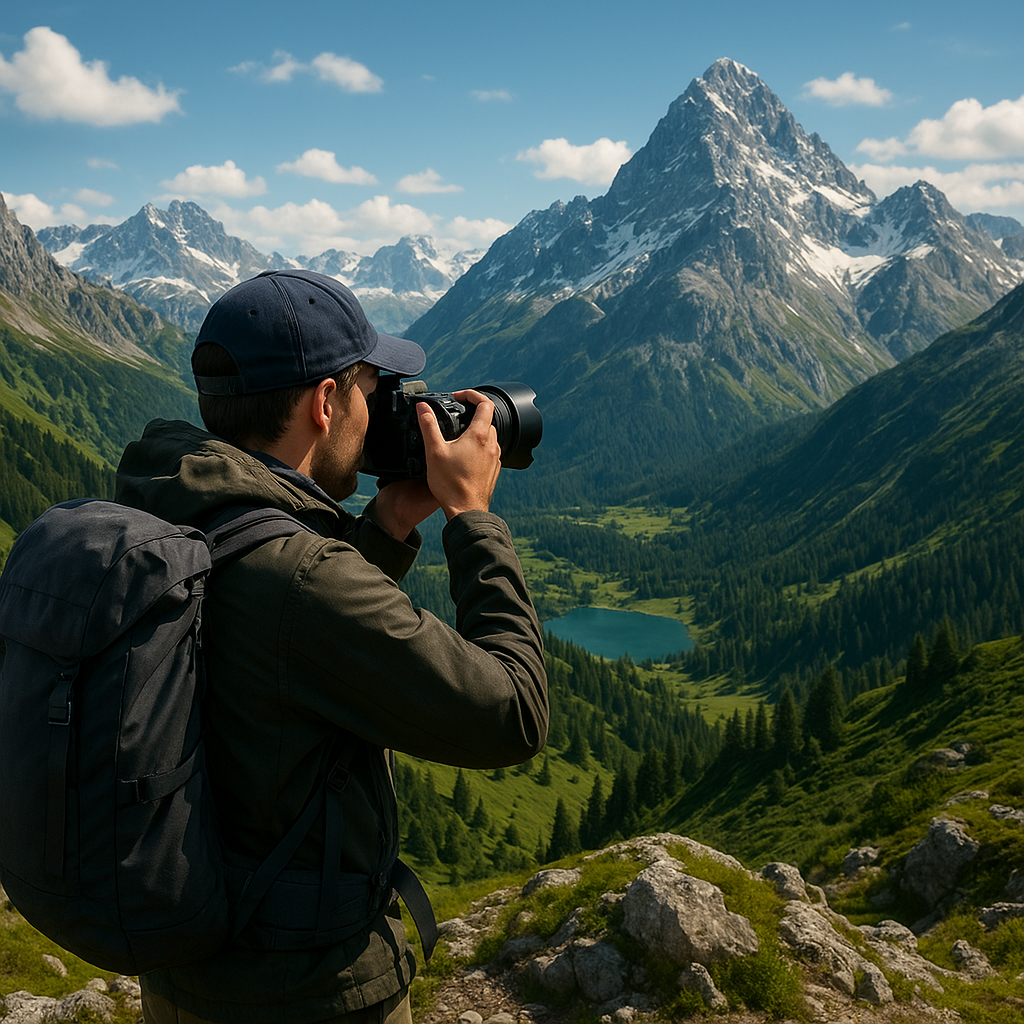
Equipping yourself with the right tools is crucial for transforming Alpine vistas into stunning images. A sturdy tripod provides the stability needed for long exposures, especially under low-light conditions. Consider packing:
- Wide-angle lenses to encompass sweeping panoramas and accentuate scale.
- Neutral density filters for smooth, milky-water effects on fast-flowing streams.
- A reliable weather-sealed camera body to withstand sudden mountain downpours or snow flurries.
- An assortment of memory cards and fully charged batteries, as long days and cold temperatures can drain power faster than expected.
In terms of technique, mastering manual settings is invaluable. Dial in a narrow aperture (f/8–f/16) to maximize depth of field, ensuring sharp focus from the jagged ridge to the distant valley. Experiment with shutter speeds: a fast shutter can freeze crashing waves on shorelines, while a slow exposure will capture the ethereal flow of Alpine waterfalls. Always bracket exposures when the contrast between sunlit peaks and shaded valleys exceeds your camera’s dynamic range.
Composing Iconic Alpine Landscapes
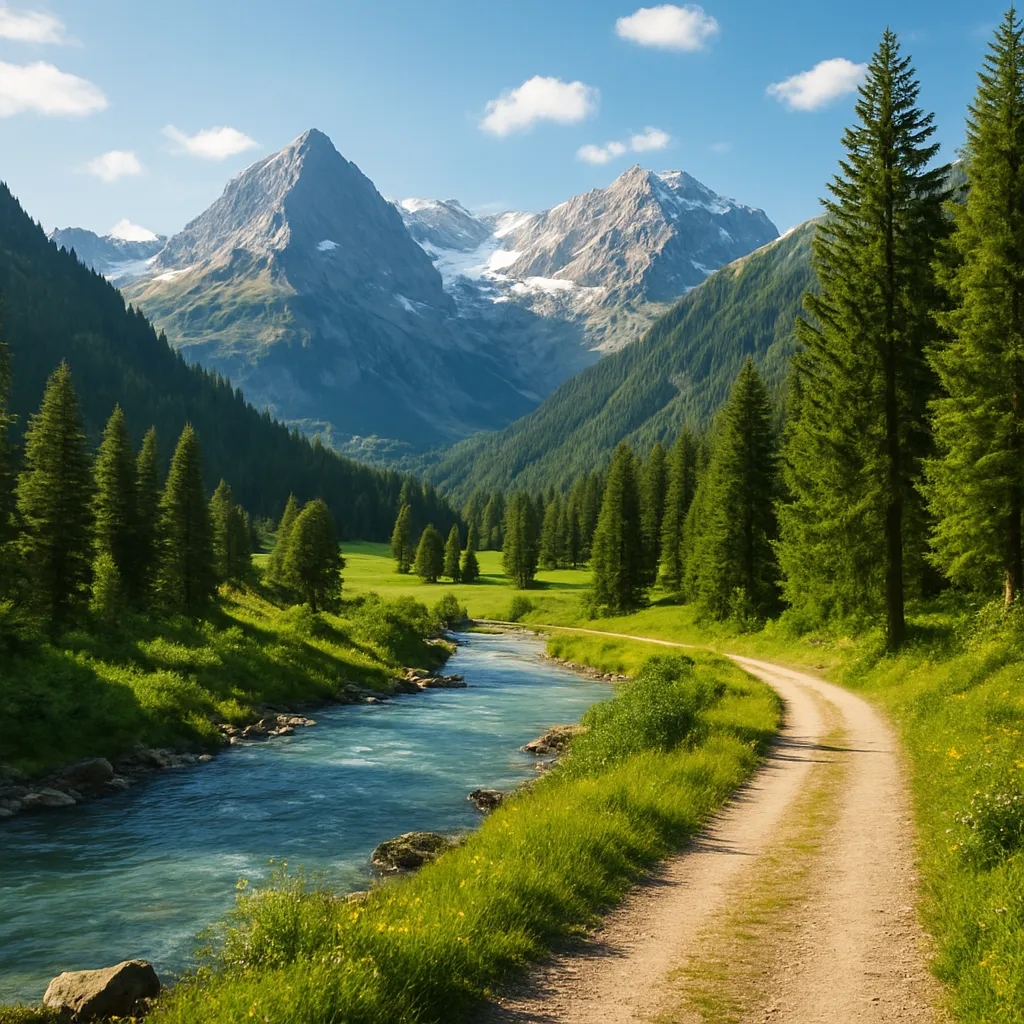
Great composition often hinges on guiding the viewer’s eye through the frame. Employ leading lines such as mountain ridges, rivers, or hiking trails that converge toward a focal point. Positioning foreground elements—like wildflowers or driftwood—adds depth and invites onlookers into the scene.
Golden Hour and Blue Hour Magic
The fleeting moments just after sunrise and before sunset paint the Alps in a warm, magenta glow, while the blue hour that follows casts an enchanting, cooler palette. Plan your ascent or positioning so you’re in place before first light; the patience you demonstrate during these periods often yields the most evocative results. Carry a headlamp for pre-dawn hikes, and use remote triggers to minimize camera shake when shooting long exposures.
Weather and Seasonal Variations
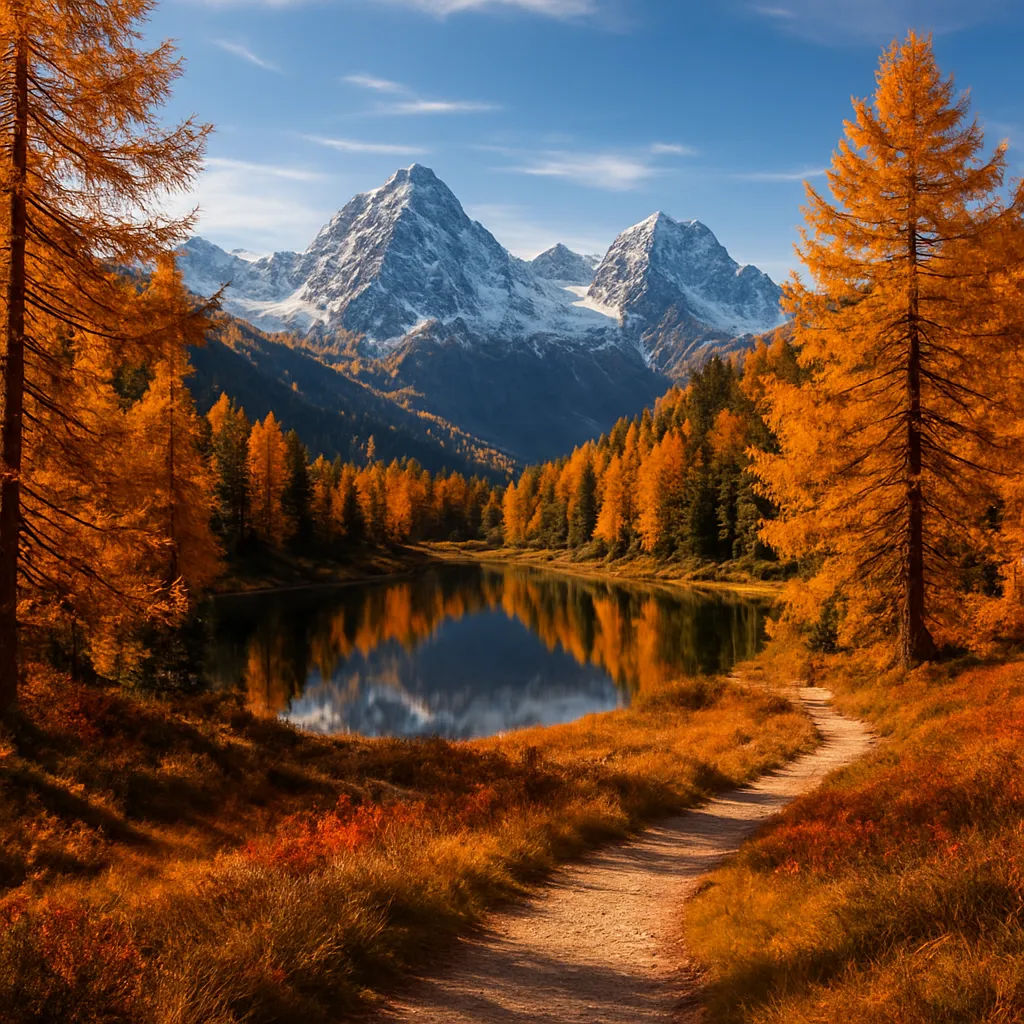
Each season in the Alps presents distinct visual opportunities. In spring, melting snow creates rushing streams and budding meadows. Summer brings lush greenery and colorful wildflowers. Autumn’s golden larches and frost-lined grasses offer dramatic contrasts, while winter transforms the peaks into a pristine, wintry wonderland. Adapt your approach: during snowstorms, focus on intimate compositions of swirling flakes and frosted branches. On clear winter days, challenge yourself with wide vistas that showcase the immense scale of the mountain range.
Seeking Authentic Cultural Moments
The spirit of the Alps extends beyond its geology to the traditions and daily lives of the people who inhabit its valleys. Local festivals, rustic chalets, and grazing cattle lend an authentic sense of place to your travel photography. Prioritize respectful interactions: ask permission before photographing farmers, herders, or herd dogs, and learn a few simple phrases in the local language to break the ice.
- Capture farmers tending to dairy cows, emphasizing the heritage of Alpine cheese-making.
- Document mountain rescue drills or guide-led expeditions to showcase human resilience.
- Include traditional attire—such as lederhosen or dirndl—during festivals to lend a cultural narrative to your images.
By intertwining landscape and lifestyle, you create images that speak not only to the grandeur of nature but also to the enduring relationship between people and place.
Post-Processing with a Light Touch
Editing should enhance, not overshadow, the innate beauty captured in-camera. Start by correcting exposure and white balance, then move carefully through these steps:
- Apply subtle contrast adjustments to bring out details in shadow and highlight areas.
- Use graduated filters to balance sky and foreground brightness without creating unnatural transitions.
- Boost clarity sparingly to emphasize textures in rock faces or tree bark.
- Fine-tune color saturation, focusing on retaining a realistic portrayal of Alpine hues.
Resist the urge to over-sharpen or oversaturate: the Alps’ true magic lies in their organic beauty, which thrives in authenticity rather than hyper-realism.
Planning and Safety Considerations
Respect for the mountains is the cornerstone of successful Alpine photography. Before setting out:
- Research trail conditions and avalanche risks through local alpine clubs or guides.
- Pack essential safety gear, including a map, compass, first-aid kit, and emergency whistle.
- Inform someone of your itinerary and expected return time, especially when venturing into remote areas.
Embrace a mindset of preparedness rather than bravado. Weather can shift rapidly, and trails can become slick or obscured in fog. By acknowledging the Alps’ formidable nature, you safeguard not only your equipment but also your own well-being.
Developing Your Personal Alpine Style
Over time, strive to cultivate a unique visual voice. Perhaps you gravitate toward minimalist compositions with bold negative space, or maybe you prefer busy frames alive with human activity. Experiment with:
- Abstract details, such as frost crystals on a pine needle or the curve of a wooden fence.
- Panoramic stitching to create immersive vistas that cannot be captured in a single frame.
- High-contrast black-and-white edits to emphasize form and structure over color.
By continuously refining your approach, you’ll learn to capture not just images of the Alps, but the spirit and emotion that resonate long after you leave the mountains behind.