The Alps hold an irresistible charm for travelers seeking an authentic connection with **mountain** life. Beyond the postcard panoramas and well-trodden ski slopes lies a world where centuries-old customs blend seamlessly with modern comforts. This guide will show you how to embed yourself in the rhythm of alpine villages, discover hidden trails, and join in local celebrations. By immersing yourself in daily routines and honoring time-honored customs, you’ll gain a deeper appreciation for this extraordinary region.
Embracing Alpine Culture
One of the most rewarding ways to experience the Alps is by engaging with its tight-knit community. From dawn until dusk, villagers in valleys and high-altitude hamlets maintain a pace that reflects their respect for nature’s cycles. Many mornings begin with the ringing of a chapel bell or the melodious call of a cowbell echoing down narrow alleys. Taking part in these small rituals—whether by attending a chapel service, helping to feed livestock, or simply sharing fresh bread at a local bakery—creates an intimate connection to alpine life.
Traditional wooden chalets speak volumes about regional architecture. Exposed beams, intricately carved balconies, and sturdy stone foundations are not just for show: they stand as testament to centuries of adaptation to heavy snow and steep terrain. In some villages, artisans still craft wooden toys, hand-weave wool blankets, and carve ornate musical instruments. Visiting a workshop or purchasing a handmade souvenir offers insight into how residents honor their heritage while sustaining artisanal trades.
Respecting Local Customs
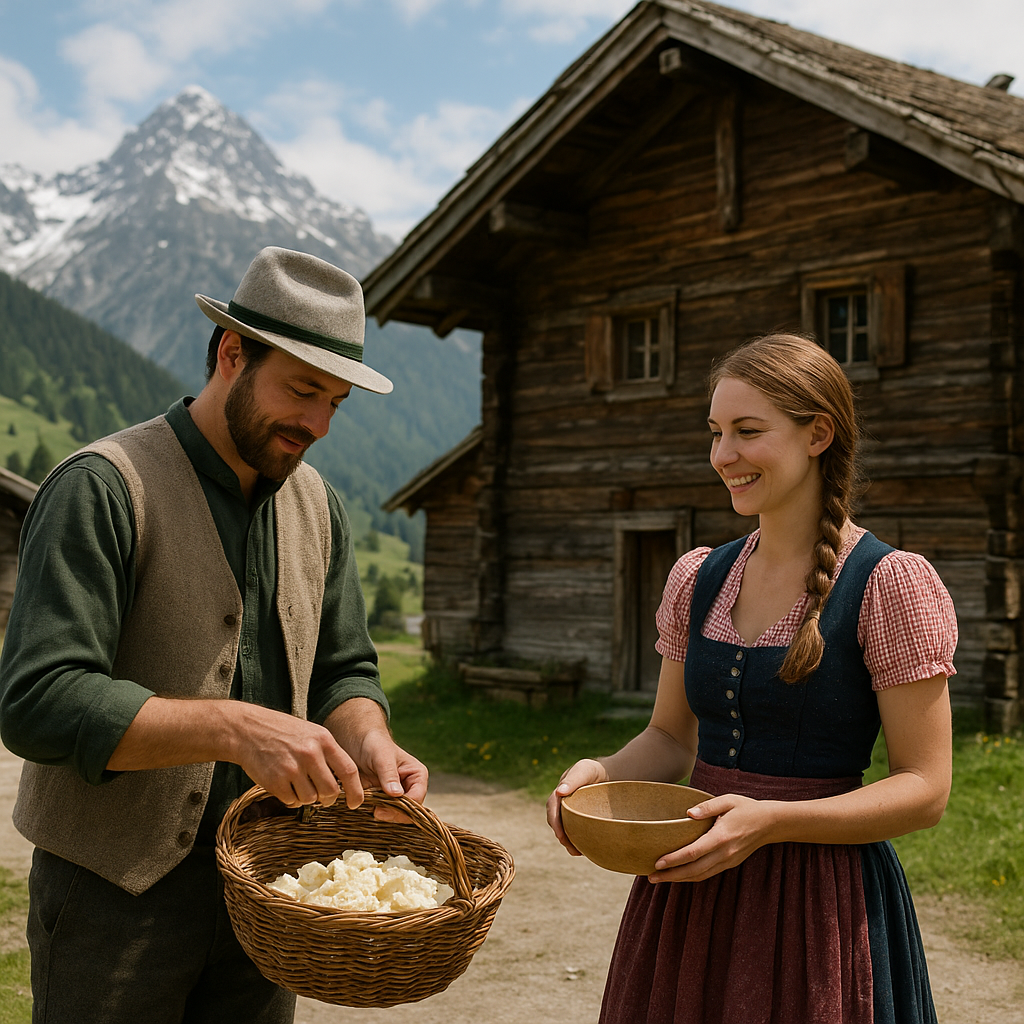
When you enter a family-run restaurant or a village inn, a simple greeting in the local dialect—be it Bavarian German, French, Italian, Romansh, or Ladin—will be met with beaming smiles. It shows you’ve done your homework and value their linguistic diversity. During seasonal events, such as the upland cattle drive in autumn, villagers don traditional attire: embroidered vests, felt hats, and vibrant ribbons. Joining the procession not only offers remarkable photo opportunities but also underscores your respect for tradition.
Whether you’re invited to a communal barn dance or asked to lend a hand in the vegetable garden, those who approach local life with humility and curiosity will be welcomed like family. In many mountain valleys, informal gatherings revolve around board games, card tournaments, or spontaneous accordion sessions that last well into the night. Embrace the warmth of alpine hospitality—you might find yourself forging friendships that outlast the trip itself.
Exploring Alpine Landscapes
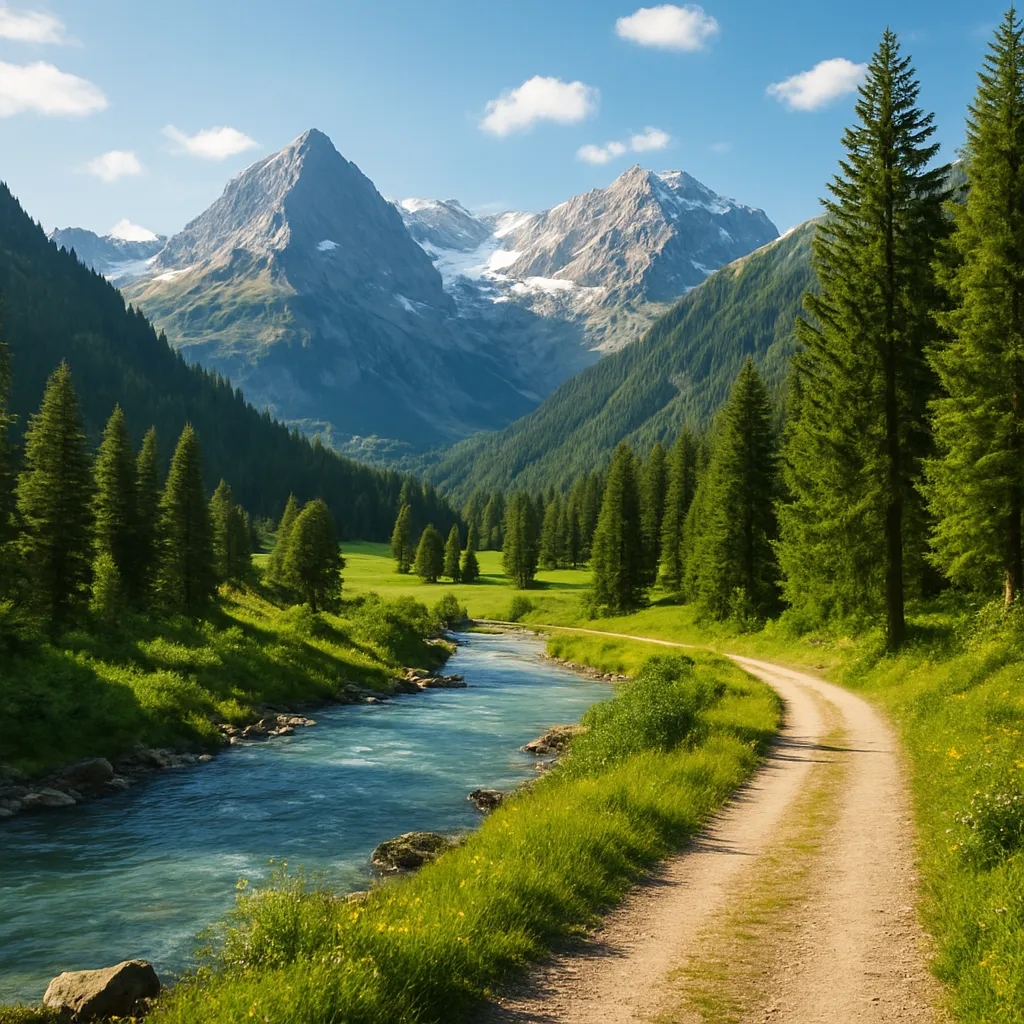
Alpine terrain is as diverse as it is majestic: glacial lakes, jagged peaks, verdant meadows, and dense conifer forests await your discovery. Instead of sticking to popular routes, seek out lesser-known trails that connect remote hamlets or lead to secret waterfall swimming holes. Many local guides are eager to show you paths used for centuries by shepherds and traders—routes you won’t find in standard guidebooks.
- Sunrise Ridge Walk: Start before dawn to catch the first light over frosted summits.
- Alpine Lake Circuit: A moderate loop around a pristine mountain lake with alpine huts en route.
- Forest and Waterfall Trail: Follow a hidden stream into a cool glen where you can picnic beneath cascading water.
- High Pass Crossing: For experienced hikers—offers unparalleled views of multiple valleys.
Wildlife is plentiful if you know where to look. In spring and early summer, ibex and chamois graze along rocky ledges, while marmots whistle from their burrows. Birdwatchers can spot golden eagles soaring overhead and bearded vultures riding thermal updrafts. Carry binoculars and a wildlife guide, and consider staying overnight in a mountain refuge. These simple shelters allow you to begin your trek at first light, witness untouched alpine scenery, and appreciate the profound silence that descends at night.
Seasonal Adventures
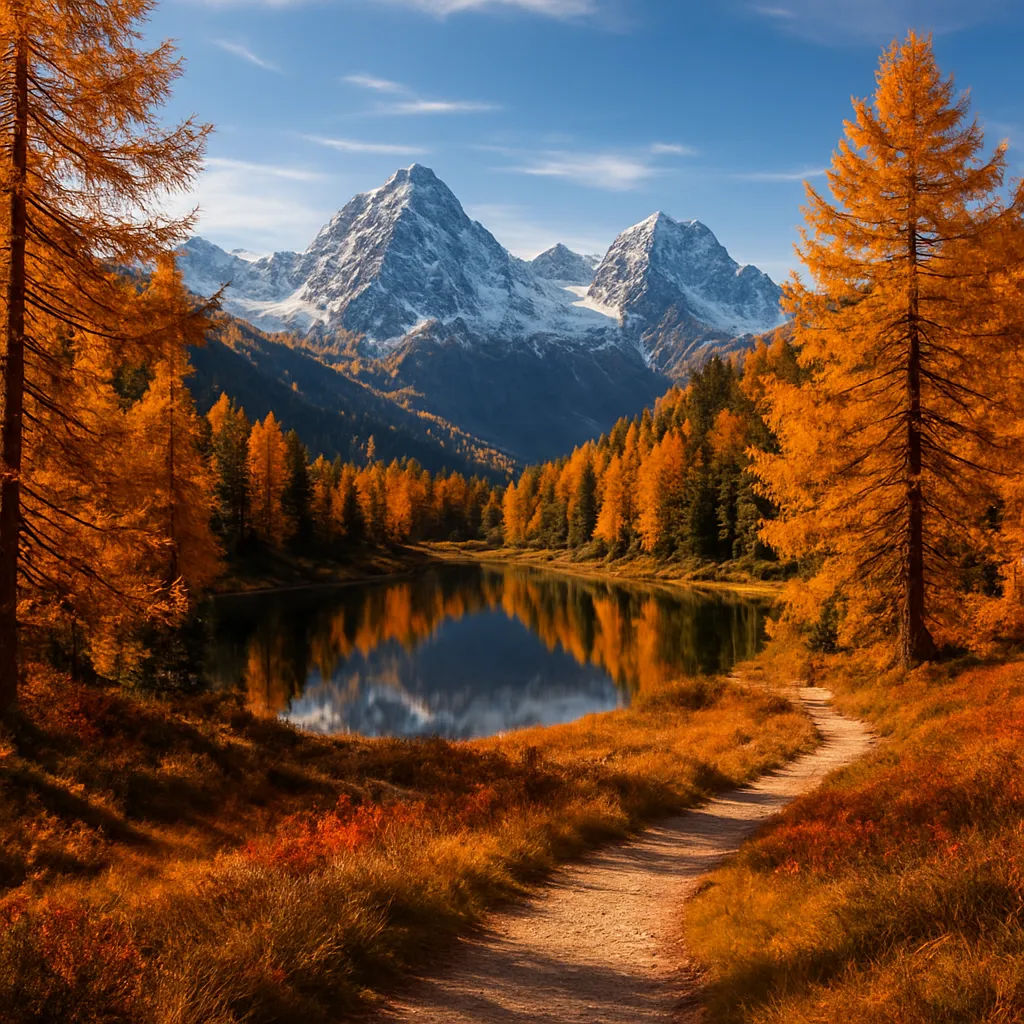
Each season unveils a new dimension of the Alps. In summer, wildflowers carpet high pastures, turning them into colorful mosaics of purple, yellow, and white. Autumn brings a riot of golden larches and russet beech forests. Winter’s deep snows transform the region into a powder paradise for skiing, snowshoeing, and ice climbing. Spring thaw invites mountaineers to tackle glaciated peaks under the guidance of experienced instructors. Align your itinerary with local events—such as the Alpine Flower Festival in June or the Winter Ice Sculpture Competition—to witness nature’s spectacle alongside devoted enthusiasts.
Savoring Local Flavors and Traditions
One cannot truly live like a local without sampling the region’s culinary treasures. Alpine gastronomy is rooted in practical ingredients that withstand harsh winters: cured meats, hearty cheeses, and preserved vegetables. Yet it also embraces innovation, with talented chefs reinventing time-honored recipes using seasonal produce.
Cheese making is a central pillar of alpine life. In select valleys, you can join daily milking sessions, observe curd formation in large copper vats, and help turn wheels of young cheese during the pressing phase. The resulting flavors range from mild and buttery to pungent and nutty, reflecting the unique herbs and grasses grazed by mountain cows and goats. A visit to a mountain dairy is not only educational but also yields some of the best gourmet souvenirs you can carry home.
Regional dishes vary across borders. In the French Alps, you’ll find creamy gratins and robust stews like tartiflette. In Tyrol and Bavaria, dishes spotlight speck, sausage, and potato dumplings. Italian slopes feature polenta-based specialties topped with wild mushrooms or fontina cheese. Seek out family-run osterias, where the chef might deliver a steaming plate of gnocchi and pour a glass of local grappa at the table. Don’t miss out on seasonal mushrooms, wild berries, and freshly caught trout.
- Alpine Fondue Experience: A shared pot of melted cheese enlivened with garlic and white wine.
- Farm-to-Table Picnic: Hampers filled with local bread, cured sausages, cheeses, and mountain honey.
- Baking Workshop: Learn to make traditional sweet breads, strudels, or nut rolls.
- Schnapps Tasting: Sample fruit brandies distilled by local families for generations.
Beyond food, the Alps are rich in seasonal festivals that celebrate folklore, religious traditions, and harvest rituals. In summer, watch villagers dance the Schuhplattler in open-air theaters beneath mountain backdrops. In spring, priests bless herds at the valley’s edge, invoking protection for another year’s grazing cycle. During the Christmas season, candlelit processions weave through snow-laden lanes as carolers sing in multiple languages. Participating in these events deepens your understanding of the alpine sustainability mindset—where each community member plays a role in preserving cultural and environmental balance.