The majestic Alps stretch across eight European nations, offering travelers an unparalleled blend of breathtaking scenery and efficient transportation options. Navigating this vast mountain range requires careful planning, seamless connections, and an understanding of the region’s unique infrastructure. By combining modern rail services, scenic roadways, and emerging shared-mobility solutions, you can enjoy both comfort and speed. Below, discover practical strategies, insider tips, and essential information to travel between Alpine countries with maximum efficiency and minimal hassle.
Efficient Rail Travel Across the Alps
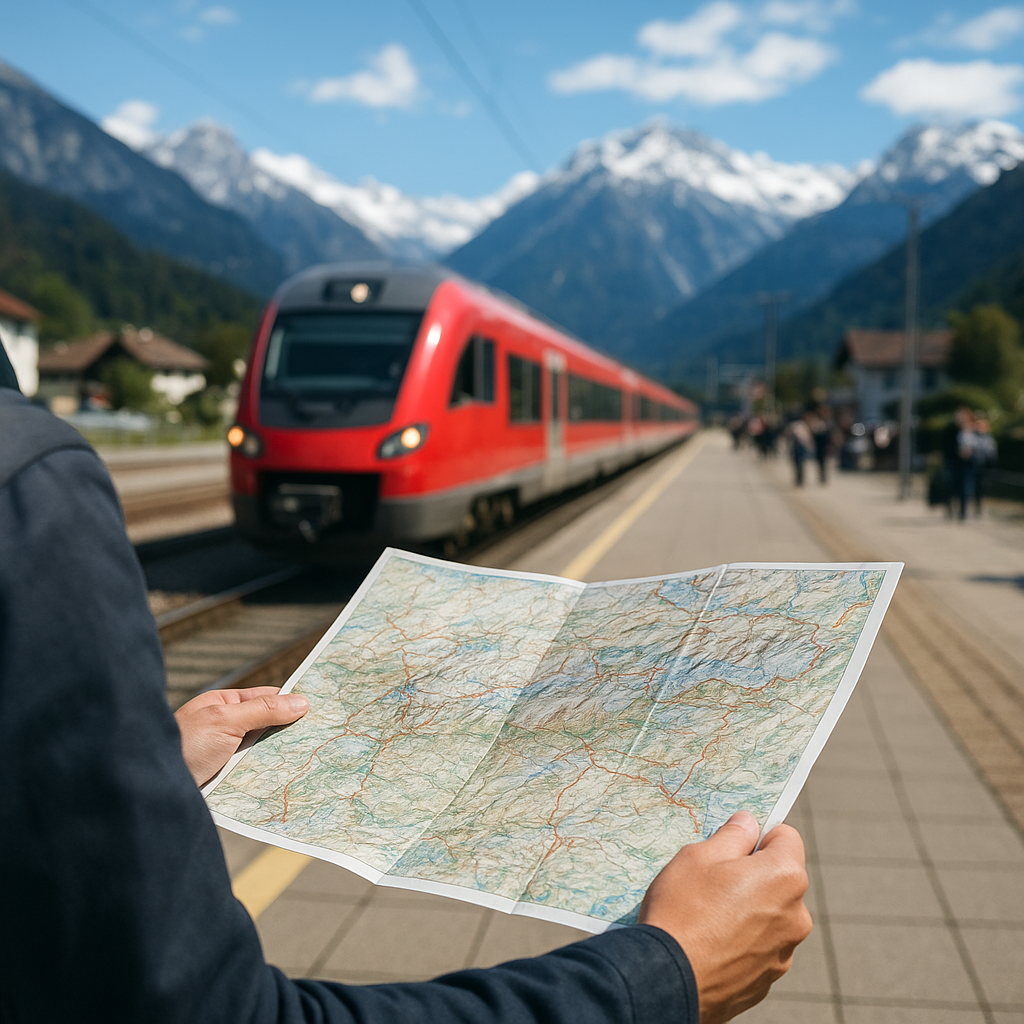
Rail travel remains one of the most sustainable and reliable ways to cross Alpine borders. High-altitude tunnels, panoramic carriages, and extensive networks ensure that major cities and remote valleys alike are well connected.
Panoramic Trains and Scenic Routes
- Glacier Express: Known as the slowest express train in the world, this route between Zermatt and St. Moritz offers ever-changing views of snow-capped peaks, deep gorges, and hillside vineyards. Large windows and panoramic carriages guarantee a memorable journey.
- Bernina Express: Linking Switzerland to Italy, this UNESCO World Heritage route traverses the Bernina Pass at nearly 2,253 meters above sea level. The engineering marvel of spiral tunnels and viaducts ensures a seamless transition from Alpine expanses to Mediterranean landscapes.
- GoldenPass Line: From Montreux to Lucerne, this route highlights the French-speaking region, passes by pristine lakes, and cuts through rugged mountain corridors, catering to travelers seeking both speed and comfort.
International Connections and Timetables
Major rail operators coordinate schedules to allow swift cross-border transfers. Key hubs such as Geneva, Zurich, Innsbruck, and Milan feature frequent departures. By consulting real-time apps and online timetables, you can minimize layovers and optimize your itinerary.
Rail Passes and Ticketing Strategies
- Eurail Pass and Interrail Pass: Ideal for non-European and European residents respectively, these multi-country passes unlock unlimited travel days within a set timeframe. They often include seat reservations for premium trains at a nominal fee.
- Swiss Travel Pass: Covers all public transport in Switzerland, including many mountain railways and boats. It offers flexibility for day trips and unlimited travel in consecutive days.
- Advance Booking vs On-the-Spot Tickets: For high-speed and scenic trains, reserving seats 2–3 months ahead ensures availability during peak seasons. Regional trains can typically be booked a few days before departure.
Road Trips and Scenic Drives
Exploring the Alps by car provides the freedom to stop at hidden viewpoints, alpine villages, and high-altitude passes. However, navigating winding roads demands awareness of seasonal regulations and toll systems.
Renting a Car vs. Guided Tours
- Car Rental: Choose compact, fuel-efficient models with all-wheel drive during winter months. Familiarize yourself with local traffic rules, such as right-of-way customs in Switzerland and strict speed limits in Austria.
- Guided Motorcoach Tours: For those who prefer not to drive, luxury coaches offer panoramic windows, multilingual guides, and prearranged stops at landmarks like the Stelvio Pass and the Grossglockner High Alpine Road.
Toll Systems, Vignettes, and Road Safety
- Vignettes in Austria and Switzerland: Purchase one- or two-month vignettes to cover highway travel. Stickers must be displayed on the windshield before entering toll zones.
- Italian Autostrade and French Toll Roads: Payment can be made at toll booths with cash or credit cards. Prepaid electronic devices (Telepass in Italy) speed up entry and exit.
- Seasonal Equipment: Snow chains are compulsory in certain regions during winter. Always check local requirements regarding winter tires and reflective vests.
Iconic Alpine Drives
The Grossglockner High Alpine Road in Austria, the Stelvio Pass in Italy, and the Col de l’Iseran in France rank among the most spectacular drives. Plan early starts to avoid busier midday traffic and book accommodation in advance near mountain inns.
Bus Services and Shared Mobility
Buses bridge gaps where rail lines cannot reach. Thanks to innovative apps, travelers can access on-demand shuttles and carpooling options, reducing both cost and environmental impact.
Long-Distance and Regional Bus Networks
- FlixBus and BlaBlaCar Bus: Offer budget-friendly routes connecting major Alpine cities. Expect onboard amenities like free Wi-Fi and power outlets.
- Regional Shuttles: Local operators often run mini-buses to mountain resorts and hiking trailheads. Schedules adapt to seasonality, with higher frequencies in summer hiking months and winter ski season.
- Night Buses: A practical solution for long distances, night buses save you a night’s accommodation and maximize daytime exploring.
Carpooling and Ride-Sharing Platforms
Services such as BlaBlaCar connect drivers with empty seats to passengers traveling between Alpine towns. This fosters community, lowers travel expenses, and promotes sustainability.
Bike and E-Bike Rentals
- Mountain Bike Trails: Many valleys offer hourly or daily rentals. E-bikes help conquer steep gradients with ease.
- Intermodal Solutions: Combine a morning train, a midday cycling stretch, and an afternoon bus ride for a dynamic and eco-friendly Alpine experience.
Seasonal Considerations and Outdoor Adventures
Each season in the Alps unveils unique opportunities. Whether you’re chasing winter powder or alpine wildflowers, logistical planning ensures you make the most of regional attractions.
Winter Travel and Ski Transfers
- Airport to Resort Shuttles: Book private or shared transfers from Geneva, Innsbruck, or Salzburg airports directly to ski resorts. Early reservations can include ski-pass pickup and equipment delivery.
- Rail with Ski Cars: Several trains feature ski compartments where you can stow skis or snowboards securely, linking you from city centers to slopes without the need for additional transport.
- Snow and Weather Advisories: Regularly check avalanche warnings and road closure bulletins to adjust routes or departure times.
High-Altitude Hiking and Summer Trekking
From the Tour du Mont Blanc circuit to the Dolomites’ Alta Via, Alpine trails span multiple countries. Coordinate permit requirements, refuges reservations, and equipment transfers via local trekking agencies for a hassle-free trip.
Cycling Tours and Mountain Pass Challenges
- Tour de France Passes: Iconic climbs like the Col du Galibier attract cycling enthusiasts worldwide. Plan support vehicles or supply points in advance.
- Bike-Friendly Trains: Many regional trains accommodate bicycles with a small surcharge. Reserve your spot early during peak summer months.
Practical Tips for Border Crossings
While most Alpine borders are open within the Schengen Area, customs checks and vehicle inspections may occur near high-traffic zones or in mountainous border towns.
Passport and Document Readiness
- Carry a valid passport or EU national ID card at all times, even for intra-Schengen travel.
- Keep car rental contracts, insurance papers, and pressed vignettes easily accessible in case of spot checks.
Customs and Duty-Free Purchases
Alcohol, tobacco, and fuel prices vary widely between countries. Plan stops at duty-free shops near borders to stock up on local specialties, but respect personal allowance limits to avoid fines.
Mobile Connectivity and Apps
- Download offline maps and apps like Rail Planner, FlixBus, and local transport operator apps to monitor delays or route changes.
- Consider a multi-country SIM card for uninterrupted internet access, or utilize free Wi-Fi hotspots at major stations.