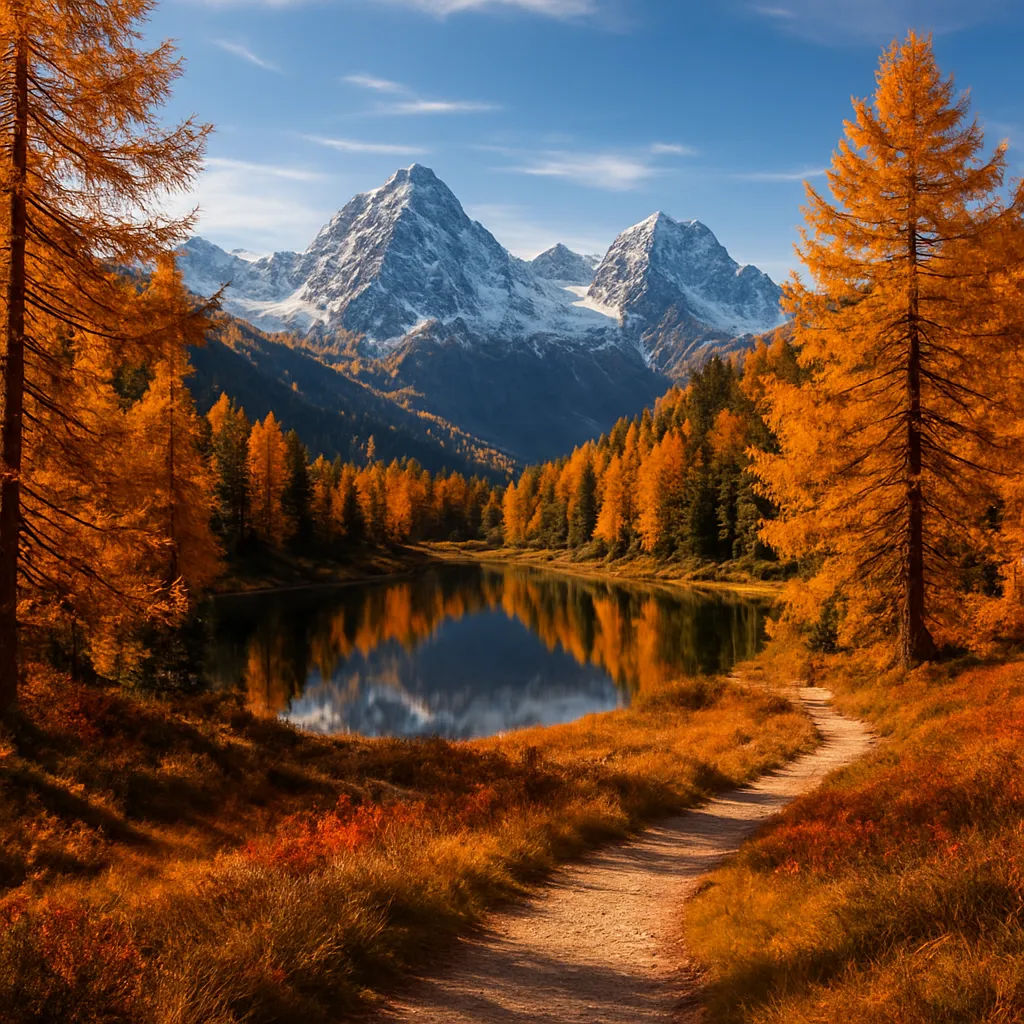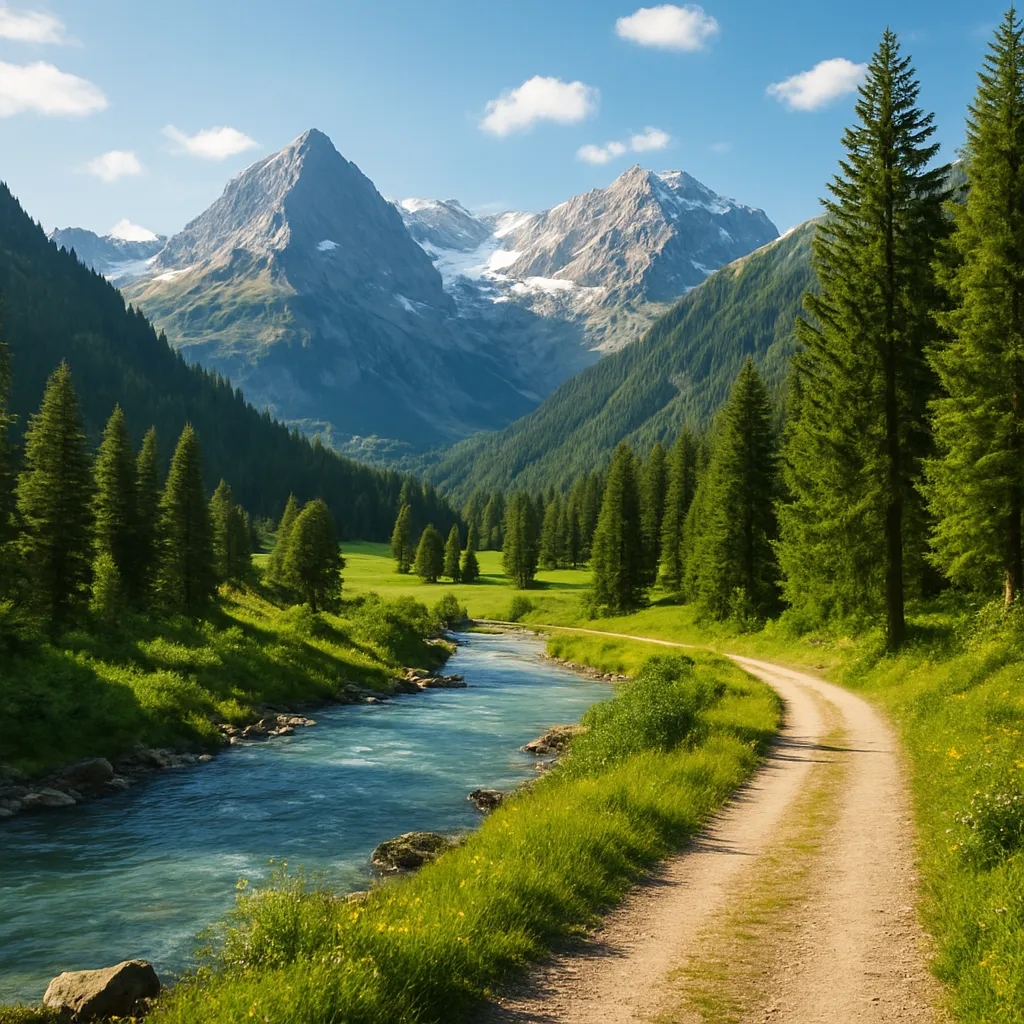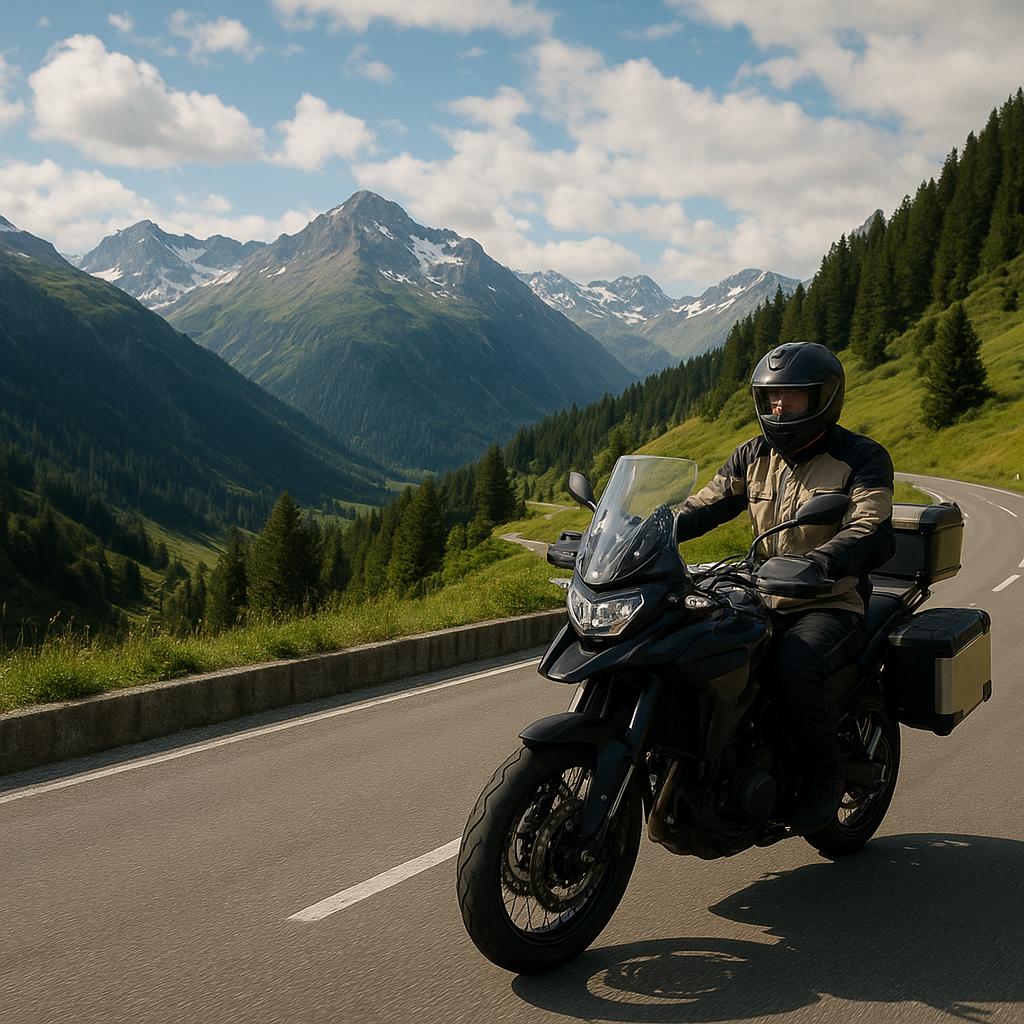
Embark on an unforgettable journey through the majestic Alps by motorcycle and discover a world where winding roads meet awe-inspiring peaks. This article will guide you through the essential preparation, highlight must-ride routes, and share crucial safety advice for a truly epic experience. Whether you’re a seasoned rider or a curious newcomer, you’ll find inspiration to tackle the curves, breathe in fresh mountain air, and immerse yourself in unique regional culture.
Choosing Your Motorcycle and Essential Gear
Selecting the right bike and equipment is the foundation of any successful Alpine trip. Comfort, performance, and reliability are key factors to consider before setting off on your two-wheeled adventure.
1. Motorcycle Selection
- Touring Bikes: Models such as the BMW R 1250 RT or the Honda Gold Wing offer built-in luggage options and wind protection.
- Adventure Bikes: Yamaha Tenere 700 and Triumph Tiger 900 excel on mixed terrain and gravel spurs off beaten tracks.
- Naked and Sport Bikes: If you prefer agility and direct feedback, bikes like the Ducati Monster or KTM 1290 Super Duke can handle Alpine curves brilliantly.
2. Protective Clothing and Gear
- Helmet: A full-face helmet with a clear visor for optimum visibility.
- Jacket and Pants: Waterproof, breathable, and armored at shoulders, elbows, and knees.
- Gloves and Boots: Winding roads demand sturdy footwear and gloves with reinforced palms.
- Base Layers and Liner: Temperature changes are common—layering keeps you comfortable at varying altitudes.
- Rain Suit: Sudden thunderstorms can drench even the best-prepared riders.
3. Luggage and Accessories
- Saddlebags or Hard Cases: Secure tools, maps, and spare parts.
- Tank Bag: Quick access to snacks, cameras, and smartphones for photos of the stunning landscape.
- GPS and Mounts: Reliable navigation prevents wrong turns in remote regions.
- Tool Kit: Include tire repair kit and basic tools for roadside fixes.
Top Alpine Routes to Explore
The Alps span eight countries, offering diverse terrain from high-altitude passes to tranquil valleys. Below are some iconic itineraries that showcase the best of this mountain passes wonderland.
1. Stelvio Pass (Italy)
- Elevation: 2,757 meters – one of Europe’s highest paved roads.
- Key Features: 48 hairpin bends, panoramic views of snow-capped peaks, and well-maintained tarmac.
- Tips: Start early to avoid heavy traffic and bring a warm layer even in summer.
2. Grossglockner High Alpine Road (Austria)
- Elevation: Up to 2,504 meters, winding through Hohe Tauern National Park.
- Highlights: Glacier view points, visitor’s center at Kaiser-Franz-Josefs-Höhe, and steep hairpin curves.
- Advice: Pay toll at the entrance, keep helmets on and savor the engineering marvel.
3. Col de l’Iseran (France)
- Elevation: 2,764 meters – the highest paved pass in the Alps.
- Scenery: Alpine meadows, crystal-clear lakes, and views of Mont Blanc.
- Strategy: Fuel up before the climb and check weather forecasts—snow can linger late into summer.
4. Furka Pass to Grimsel Pass (Switzerland)
- Route: From Andermatt over Furka (2,429 m) to Grimsel (2,164 m).
- Attractions: Rhone Glacier, Ospizio San Gottardo, and secret Viamala Canyon detour.
- Navigation: Signposts are clear, but switch off cruise control to master steep declines.
Safety Tips and Riding Techniques
Riding in the Alps demands respect for nature and personal limits. Proper safety measures and refined riding skills will make your journey both thrilling and secure.
1. Weather Awareness
- Forecast Checks: Mountain weather changes rapidly—monitor local forecasts before each stage.
- Layering: Carry thermal liners and waterproof layers to adapt to cold peaks and sunny valleys.
- Storm Protocol: Pull off in designated lay-bys or refuges if lightning or heavy rain strikes.
2. Cornering and Brake Control
- Look Ahead: Scan apexes and exits of each bend to set the right line and speed.
- Progressive Braking: Apply brakes before the turn, then roll on throttle through the exit for stability.
- Traction Awareness: Wet or gravel sections demand smooth inputs to avoid skidding.
3. Altitude and Health Considerations
- Hydration: Thin air at high altitudes accelerates dehydration—drink water frequently.
- Rest Breaks: Stop every 1–2 hours to stretch, check your bike, and enjoy the landscape.
- Altitude Sickness: Symptoms like headaches or dizziness require descent to lower elevations.
4. Group Riding Etiquette
- Staggered Formation: Improves visibility and safety for each rider.
- Hand Signals: Agree on clear signals before departure to communicate hazards or stops.
- Pit Stops: Plan fuel, food, and photo breaks ahead to keep everyone together.
Accommodation and Local Culture
Beyond the ride itself, embracing Alpine culture adds depth to your journey. From cozy mountain huts to gourmet cuisine, immerse yourself in regional traditions.
1. Mountain Huts and Refuges
- Features: Basic dorms or private rooms, communal dining, and breathtaking morning views.
- Booking: Reserve in advance, especially in peak season (July–August).
- Etiquette: Keep noise to a minimum and respect shared facilities.
2. Local Cuisine and Specialties
- Italy: Try polenta, speck, and hearty mountain stews.
- Switzerland: Indulge in raclette, fondue, and artisan chocolates.
- France and Austria: Sample alpine cheeses, cured meats, and regional wines or schnapps.
3. Cultural Highlights
- Festivals: Check local calendars for folklore events, music festivals, and harvest celebrations.
- Heritage Sites: Explore medieval castles, baroque churches, and UNESCO-protected villages.
- Language Tips: Basic phrases in German, French, or Italian go a long way in rural areas.