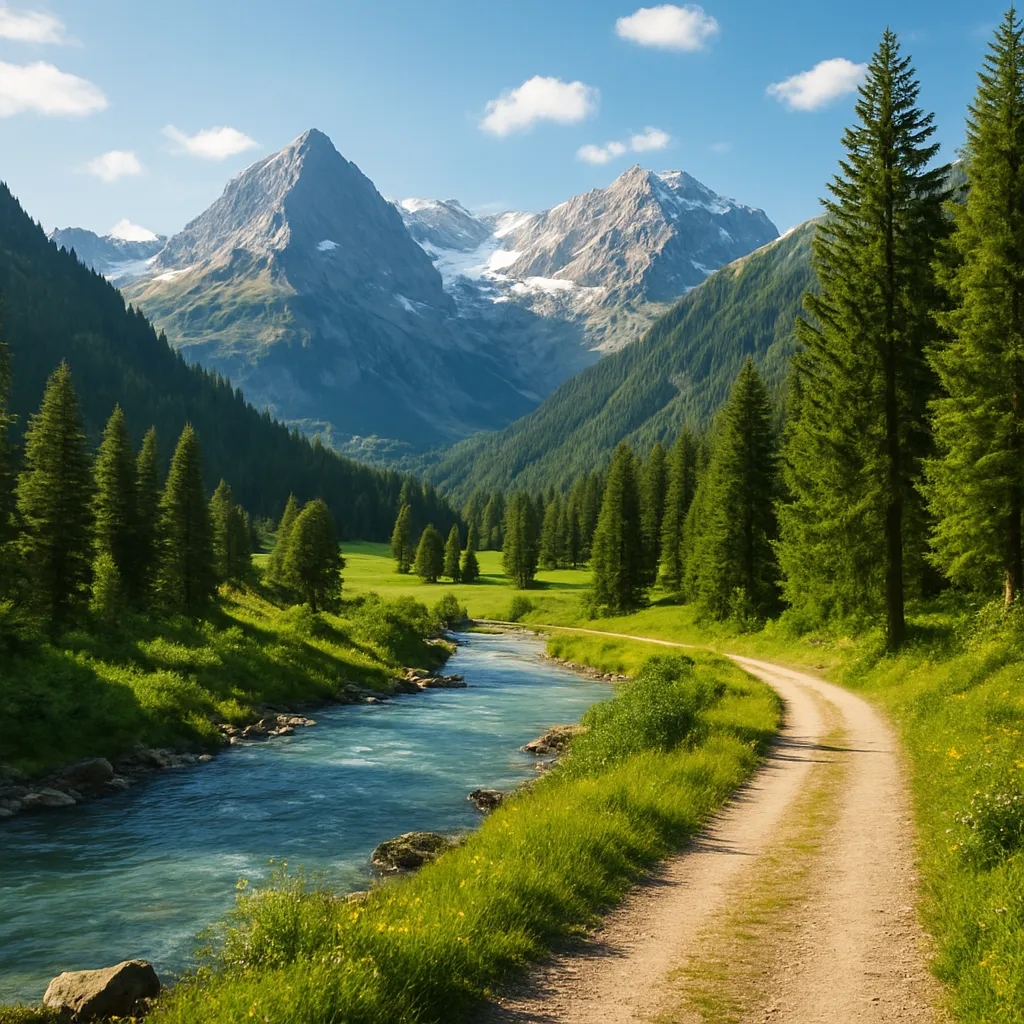
Nestled between France, Italy, Switzerland, Austria and Germany, the Alps beckon travelers with their snow-capped peaks, verdant valleys and crystal-clear lakes. While famous resorts can seem pricey, a carefully planned journey proves that exploring this majestic mountain range need not drain your wallet. From secret hiking trails to budget-friendly ski passes, this guide uncovers smart strategies for experiencing the Alps without overspending. Read on and discover how to balance adventure with savings as you explore Europe’s most iconic peaks.
Planning Your Alpine Adventure on a Budget
Choosing Affordable Destinations
Instead of heading straight for legendary but expensive resorts like Chamonix or St. Moritz, consider lesser-known Alpine towns. Villages such as Brixen in Italy, Schladming in Austria, and Annecy in France offer comparable mountain charm with lower prices. These hidden gems surround you with alpine vistas while keeping accommodation and dining costs down.
Travel During Shoulder Seasons
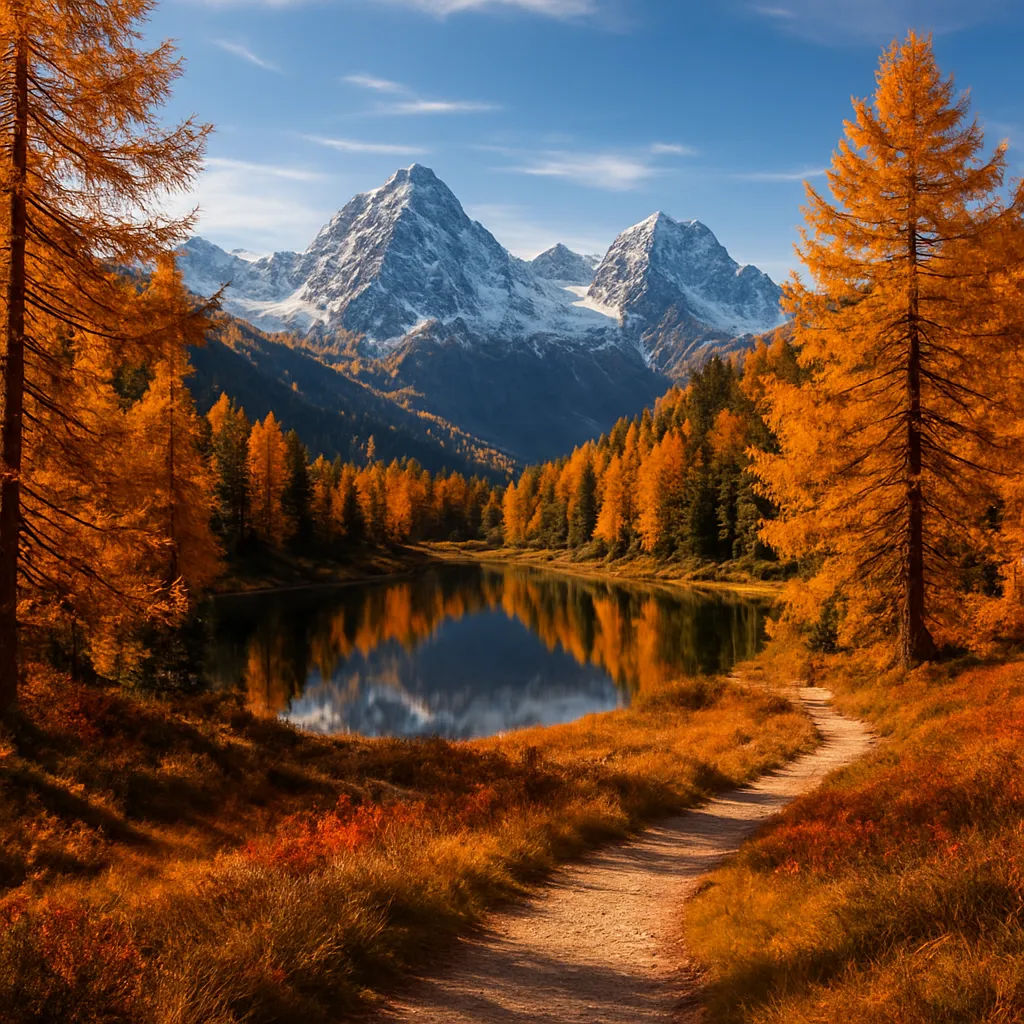
Peak winter and high-summer months attract crowds and inflate rates. By visiting in late spring (May–June) or early autumn (September–October), you’ll find significantly reduced fees on lodging and transport. Snow may linger on higher trails in spring, perfect for those chasing the last powder, while autumn’s colorful foliage complements crisp, brisk hikes.
Booking Economical Transport
- Rail passes: The Eurail or Swiss Travel Pass grants inexpensive, unlimited train travel through Alpine countries.
- Budget airlines: Carriers like Ryanair and EasyJet serve major cities near the Alps—plan early to snag low fares.
- Buses and carpooling: Regional bus services and ride-sharing apps connect small Alpine villages at minimal cost.
Finding Budget Accommodation in the Alps
Hostels and Shared Dormitories
Younger travelers and backpackers know that hostels deliver the greatest savings. Dorm beds often start around €20–€30 per night. Many Alpine hostels also feature communal kitchens, free maps and evening social events—ideal for meeting fellow adventurers and splitting group costs.
Mountain Huts and Alpine Refuges
For a truly immersive experience, book nights in alpine huts (known as refuges or rifugi). Managed by local clubs like the German Alpenverein, these rustic lodges perch at high altitudes, offering dorm-style bunks, hearty meals and unbeatable sunrise views. Expect to pay €25–€60 a night including dinner and breakfast—far less than valley hotels.
Camping and Glamping Alternatives
With over 400 campgrounds scattered across the Alps, tent pitching remains the ultimate budget option. Basic sites cost under €15 nightly. For a slightly pricier but still affordable experience, many campsites now offer glamping pods or A-frame cabins for around €40–€70 per night—no gear required.
Budget-Friendly Activities and Local Experiences
Hiking and Nature Trails
One of the best free activities in the Alps is hiking. Countless well-marked trails cater to all skill levels—just grab a map from the tourist office. Plan day treks to waterfalls, lakes and alpine meadows. Don’t miss multi-day routes like the Tour du Mont Blanc or Eagle Walk: permit fees are low, and mountain huts keep lodging expenses modest.
Bargain Ski Passes and Off-Peak Skiing
Major ski areas levy high prices during Christmas and February break. Seek out smaller resorts such as Serre Chevalier (France) or Nassfeld (Austria) where passes can be up to 40% cheaper. Alternatively, midweek skiing often comes with discounted lift tickets. Check resort websites for package deals combining accommodation and passes.
Local Cuisine at Low Cost
Instead of dining at resort restaurants, explore village bakeries for affordable pastries and sandwiches. Look for Alpine markets selling cured meats, cheeses and fresh bread. Sampling local specialties like fondue, raclette or polenta at small taverns can be surprisingly economical—and far more authentic.
Saving on Food and Daily Expenses
Supermarkets and Farmer’s Markets
Grocery chains such as Lidl and Aldi operate throughout Alpine regions, perfect for stocking up on snacks, pasta and local produce. Weekly farmer’s markets in towns like Bolzano or Interlaken offer fresh fruits, vegetables and artisanal goods—often at lower rates than tourist hotspots.
Self-Catering Options
Booking an apartment or chalet with a functional kitchen transforms meal costs. A hearty breakfast of muesli, yogurt and fruit sets you up for the day, while dinner preparations featuring local cheese and cold cuts cost a fraction of restaurant bills. Splitting groceries among travel companions yields extra savings.
Picnics and Packed Lunches
Packing lunches saves both time and money. Fill your backpack with sandwiches, trail mix and local bakery treats before heading out for day hikes. Choose scenic picnic spots beside emerald lakes or alpine streams—enjoy stunning views without dining out expenses.
Maximizing Your Alpine Journey
Free Events and Festivals
Alpine villages host numerous free events that celebrate regional culture. Summer music festivals, folk dance performances and open-air film screenings welcome visitors at no charge. In winter, traditional torchlight processions and village markets immerse you in local customs.
Volunteering and Work-Exchange Programs
Certain mountain farms and hostels offer room and board in exchange for a few daily hours of help. Platforms like WWOOF (World Wide Opportunities on Organic Farms) connect travelers with hosts seeking assistance in gardening, animal care or guest services. This arrangement provides free lodging and unique insight into Alpine life.
Clever Gear Rentals and Second-Hand Shops
Purchasing brand-new outdoor equipment can strain a budget. Instead, rent skis, snowboards or trekking gear from local shops—daily or weekly rates are extremely competitive. For visitors planning multiple months in the Alps, browse thrift stores or online marketplaces (such as local Facebook groups) for used jackets, boots and backpacks at steep discounts.
Embracing the Alpine Spirit Without Overspending
With creativity and research, an unforgettable Alpine getaway is within reach for any traveler. By opting for off-peak travel, choosing economical lodging, embracing picnic-style meals and tapping into free cultural activities, your wallet remains intact while your spirit soars among Europe’s highest peaks. Lace up your boots, breathe in the crisp mountain air and discover how the Alps reward those who seek adventure with a keen eye for value.