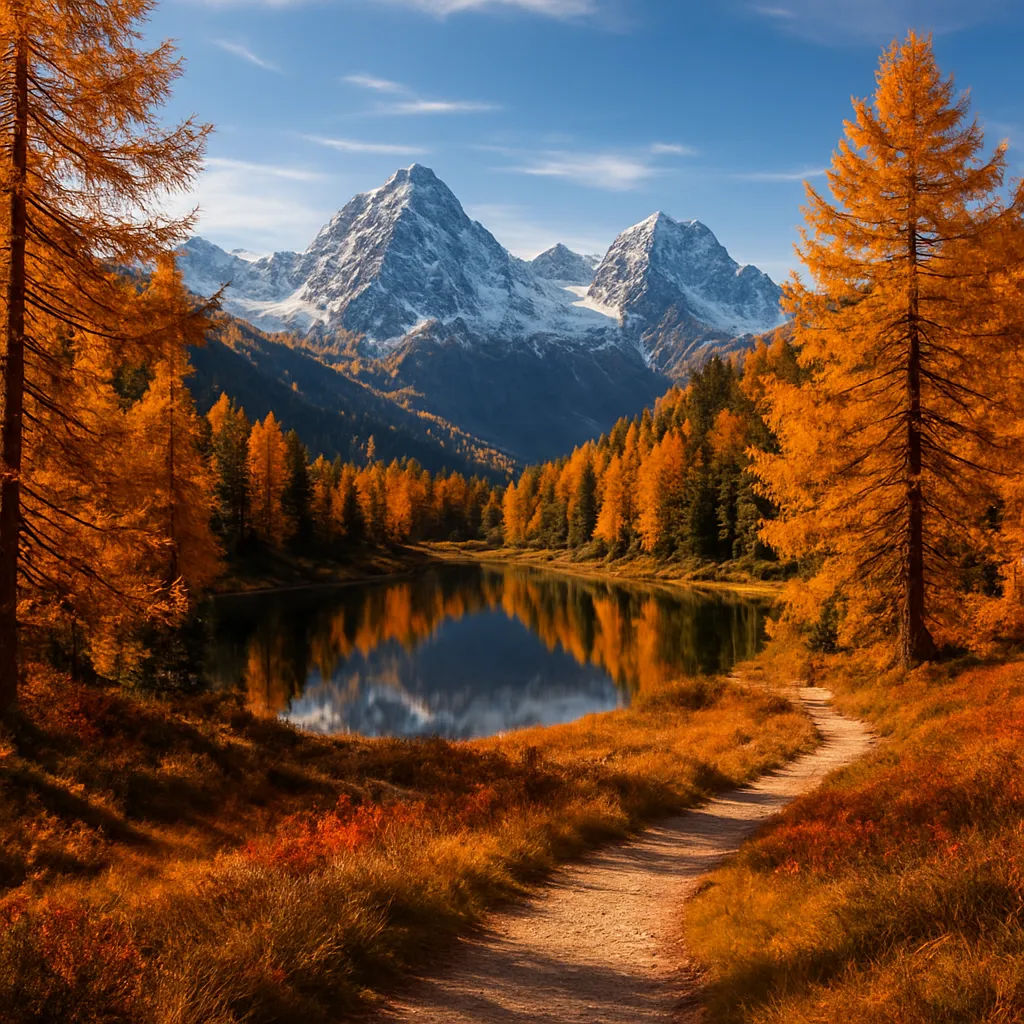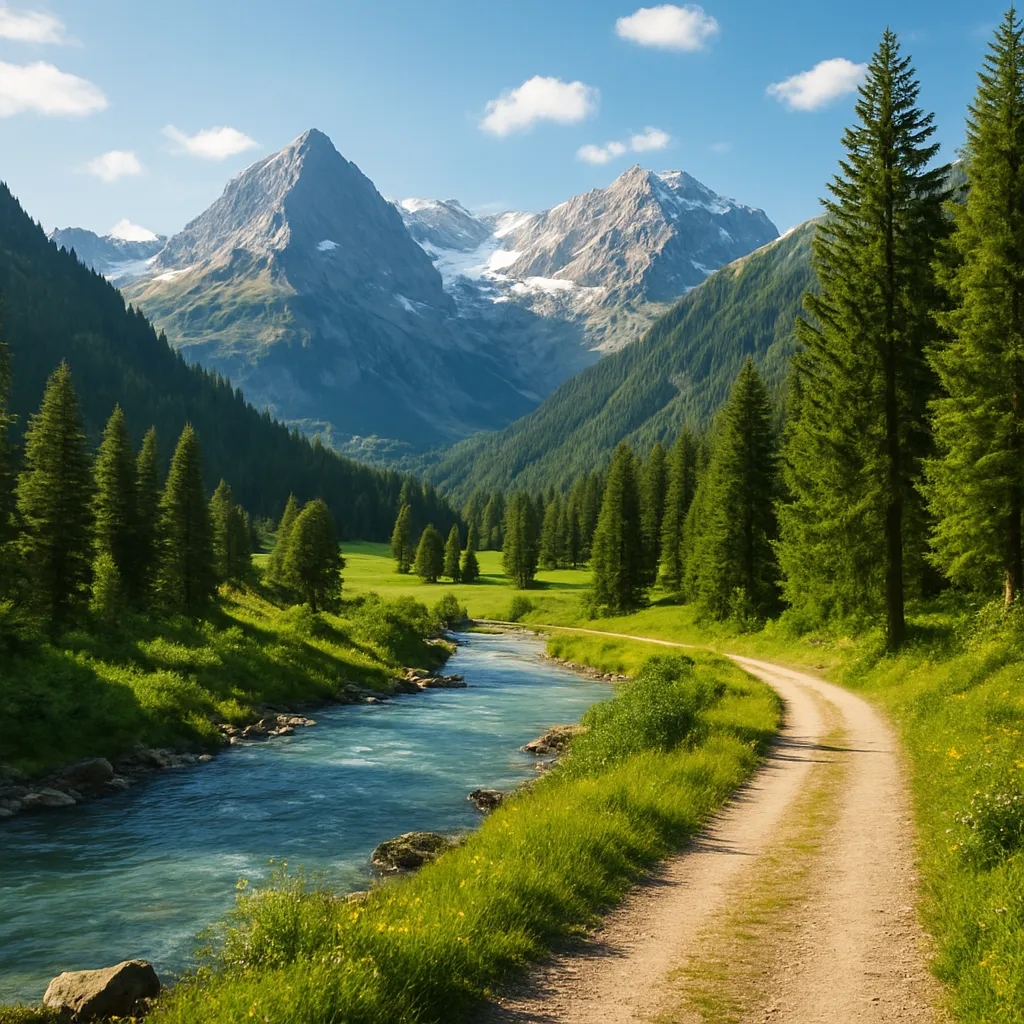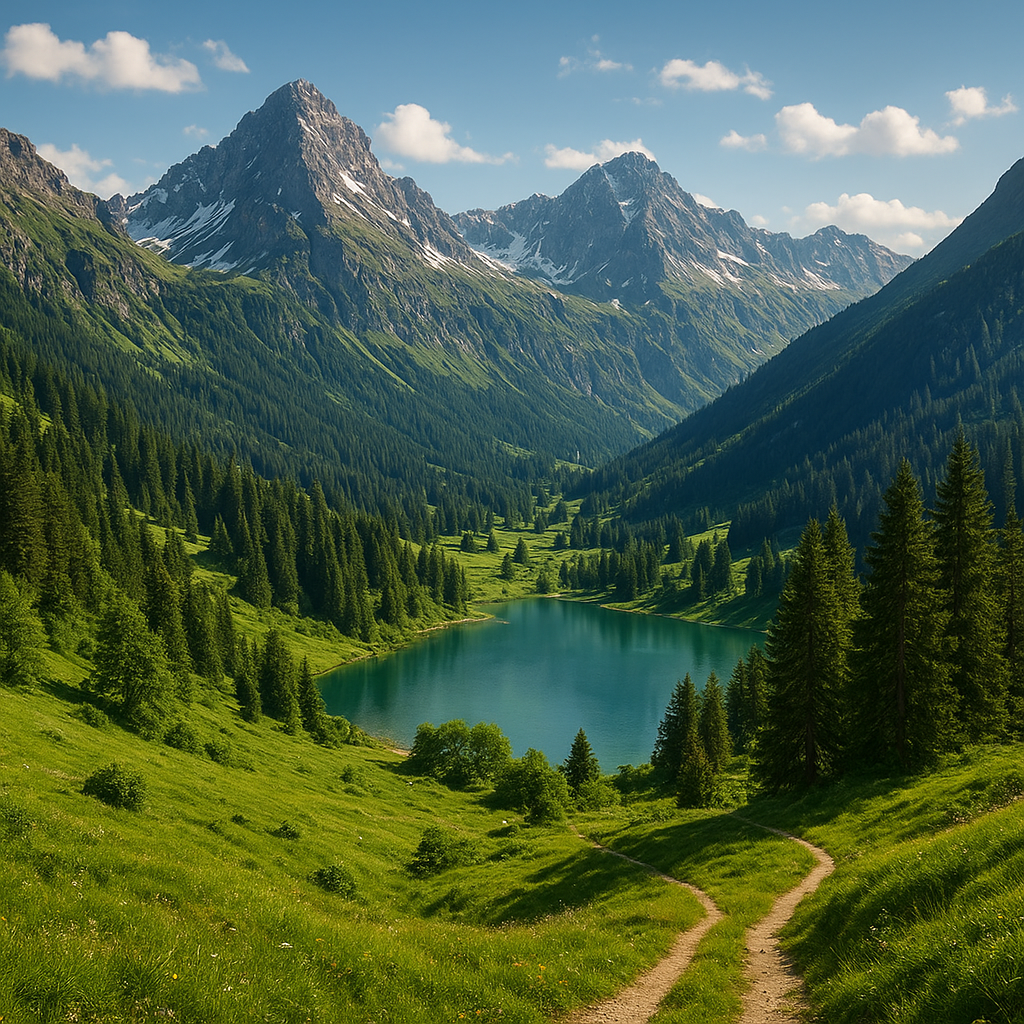
Nestled amid rolling valleys and towering peaks, the Austrian Alps offer an enchanting retreat for every nature enthusiast. This majestic mountain range stretches across western Austria and boasts an extraordinary blend of rugged terrain, crystal-clear lakes, and charming villages. From lush meadows dotted with wildflowers to timeworn glaciers perched high above the tree line, the region presents a dynamic tapestry that captures the imagination. Adventurers can follow centuries-old trails, while history buffs explore traditional architecture and lively festivals. Whether you seek adrenaline-pumping sports or peaceful solitude, the Austrian Alps stand as a testament to the enduring allure of pristine wilderness.
Geographical Splendor and Alpine Landscapes
The Austrian Alps form part of the greater Alps chain, extending over more than 400 kilometers. Dominated by the glittering summit of Mount Grossglockner at 3,798 meters, this region showcases dramatic altitudinal gradients, creating a mosaic of climatic zones. Deep gorges carve through limestone cliffs, while emerald-hued lakes like Lake Königssee reflect snow-clad peaks in perfect symmetry. Vast forests of pine and spruce cloak the lower slopes, giving way to alpine pastures blanketed in summer blooms.
Recent studies highlight the range’s exceptional biodiversity, with over 5,000 plant species, including endemic orchids and edelweiss. Glacial valleys harbor rare wildlife such as ibex, chamois, and golden eagles, thriving in fragile high-altitude ecosystems. The intricate network of rivers and streams feeds into larger waterways like the Danube, sustaining both rural communities and floodplain wetlands downstream.
Geologists find fascination in this terrain, tracing tectonic movements that uplifted ancient seabeds millions of years ago. Fossil-rich deposits reveal prehistoric marine creatures, a silent reminder of Earth’s ever-changing face. Rock faces display layers of shale, marble, and gneiss, offering clues to the planet’s dynamic history. Outdoor enthusiasts often pause at lookout points to savor panoramic vistas, where early morning mist drifts like a silken veil across the valleys.
The region’s topographical variety also shapes local weather patterns, leading to rapid changes in conditions. Sudden afternoon thunderstorms can sweep through alpine basins, while inversion layers trap cold air in valleys, blanketing villages in frost. Such phenomena fascinate meteorologists and challenge hikers to prepare carefully for shifting elements, ensuring both safety and enjoyment.
Outdoor Activities and Adventure Opportunities
Embraced as a playground for all seasons, the Austrian Alps deliver unparalleled opportunities for outdoor pursuits. In summer, a labyrinth of marked paths invites hikers to conquer gentle ridge walks or tackle demanding multi-day treks. Well-maintained refuges offer basic lodging, communal meals, and warm hospitality, allowing explorers to immerse themselves in uninterrupted wilderness.
- Hiking along the Eagle Walk or Adriatic Trail
- Skiing in world-class resorts like St. Anton and Kitzbühel
- Climbing vertical faces of the Dachstein massif
- Paragliding above scenic valleys for bird’s-eye views
- Mountain biking on challenging alpine singletracks
Winter transforms the landscape into a snowy wonderland, drawing skiers and snowboarders to powder-laden slopes. Over 400 ski areas offer modern lifts and freeride zones, while cross-country trails wind through silent forests. Ice climbers test their mettle on frozen waterfalls, and toboggan runs provide fun for families. Those seeking serenity can indulge in snowshoe excursions or unwind at a spa fed by natural hot springs.
Local outfitters supply expert guides and top-grade equipment, ensuring both beginners and seasoned adventurers feel confident tackling high-altitude challenges. Safety courses in avalanche awareness and alpine first aid reinforce responsible travel, fostering a culture of preparedness. From glacier skiing on the Stubai to kayaking crystal-clear streams, the Austrian Alps remain a magnet for thrill-seekers and serenity-chasers alike.
Rich Culture and Local Traditions
Beyond its natural grandeur, the Austrian Alps pulsate with centuries-old traditions that connect residents to the land. In spring and autumn, alpine farmers drive their herds between seasonal pastures in a colorful spectacle known as “almsingen.” Villagers don elaborate costumes, and yodelers echo mountain calls, preserving melodies passed down through generations.
Wooden chalets adorned with flower boxes line cobblestone streets, their sloping roofs designed to shed heavy snowfall. Inside, warm interiors feature hand-carved furniture and well-worn benches where locals gather for hearty dishes. Signature fare includes käsekrainer sausages, creamy kaiserschmarrn pancakes, and tangy alpine cheeses aged in mountain caverns.
Festivals enliven valleys each summer, from the Tyrolean folk dance competitions to the Innsbruck Street Food Market, blending tradition and innovation. Musicians perform polkas and marches during church processions, while artisans demonstrate woodcarving, pottery, and stained glass crafts. Regional museums showcase displays on peasant life, glacial research, and wartime history, weaving narratives that deepen visitors’ appreciation for local heritage.
Hospitality lies at the heart of alpine culture. Farm-stays welcome guests to share daily routines—churning butter, shepherding goats, or foraging edible mushrooms and herbs. Seasonal markets brim with hand-knitted woolens, local honey, and artisanal schnapps distilled from orchard fruits. These experiences foster meaningful connections, reminding travelers that the mountain lifestyle is as resilient as it is enchanting.
Conservation Efforts and Sustainable Tourism
Recognized by UNESCO and other international bodies, parts of the Austrian Alps fall under stringent preservation measures to protect delicate habitats. National parks like Hohe Tauern serve as living laboratories for ecological research, monitoring glacial retreat, species migration, and climate impacts. Conservationists strive to maintain corridors that allow wildlife to roam freely between highland refuges.
Eco-friendly initiatives encourage hotels and resorts to reduce carbon footprints through solar energy, waste recycling, and organic farming. Green certifications guide travelers toward accommodations that prioritize sustainable practices, from limiting single-use plastics to sourcing local produce. Public transport networks—efficient buses, rack railways, and car-free zones—diminish vehicle emissions and preserve air quality.
Community-led projects engage residents in habitat restoration, reforestation, and water conservation. Volunteers plant native tree species to stabilize slopes and mitigate erosion, while youth programs educate the next generation on biodiversity and resource stewardship. Scientific teams track populations of chamois, marmots, and alpine salamanders, using this data to inform adaptive management plans.
Responsible tourism campaigns promote the concept of “leave no trace,” urging visitors to tread lightly, pack out waste, and respect wildlife. Seasonal restrictions on trail access prevent overcrowding and allow recovering ecosystems to regenerate. By balancing human enjoyment with ecological welfare, the Austrian Alps remain a living testament to the power of collaboration between nature and humankind.