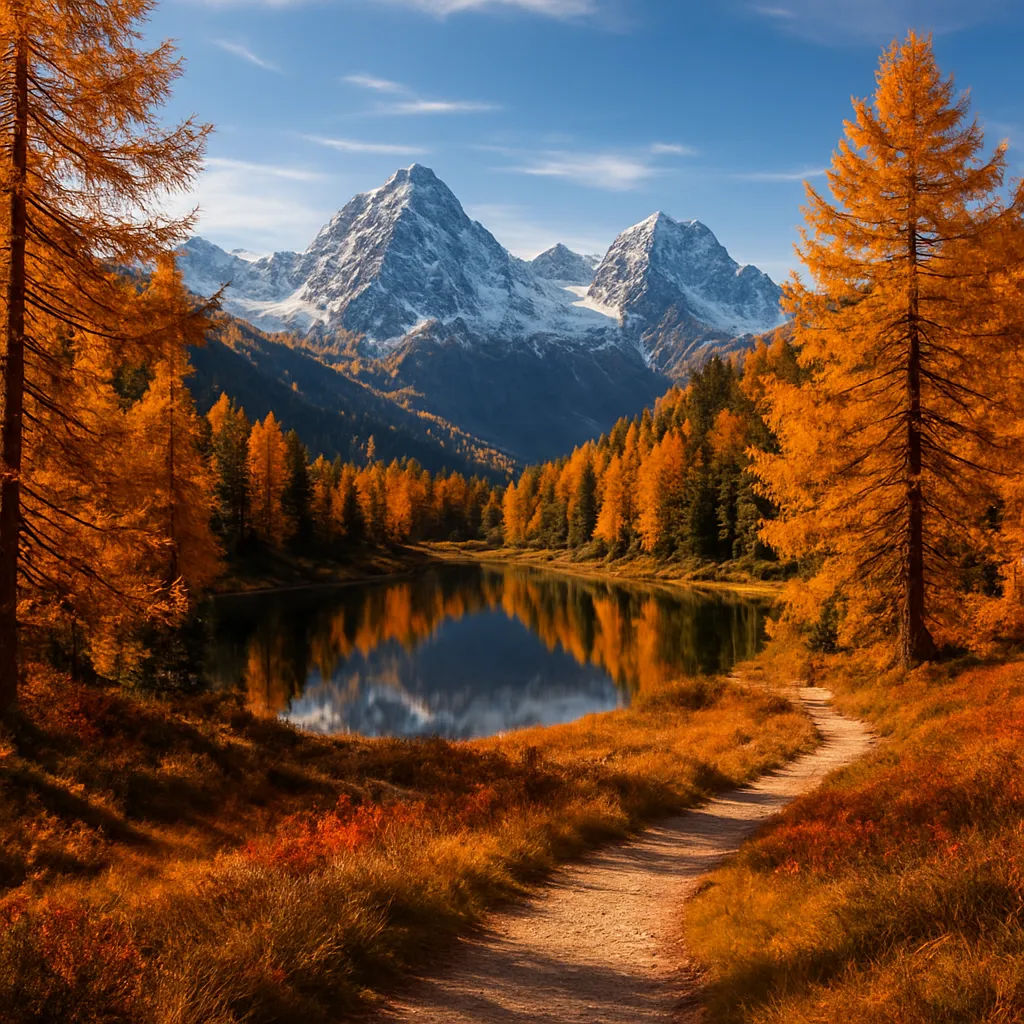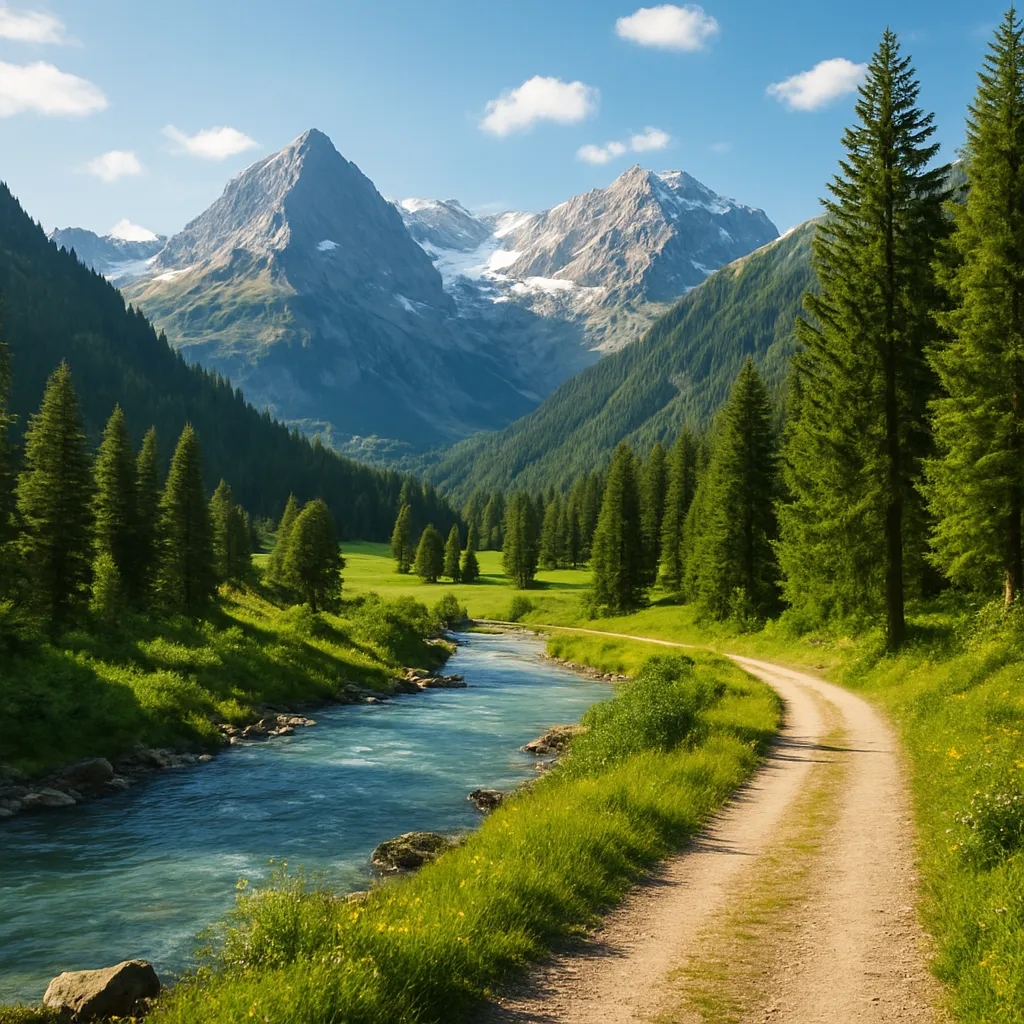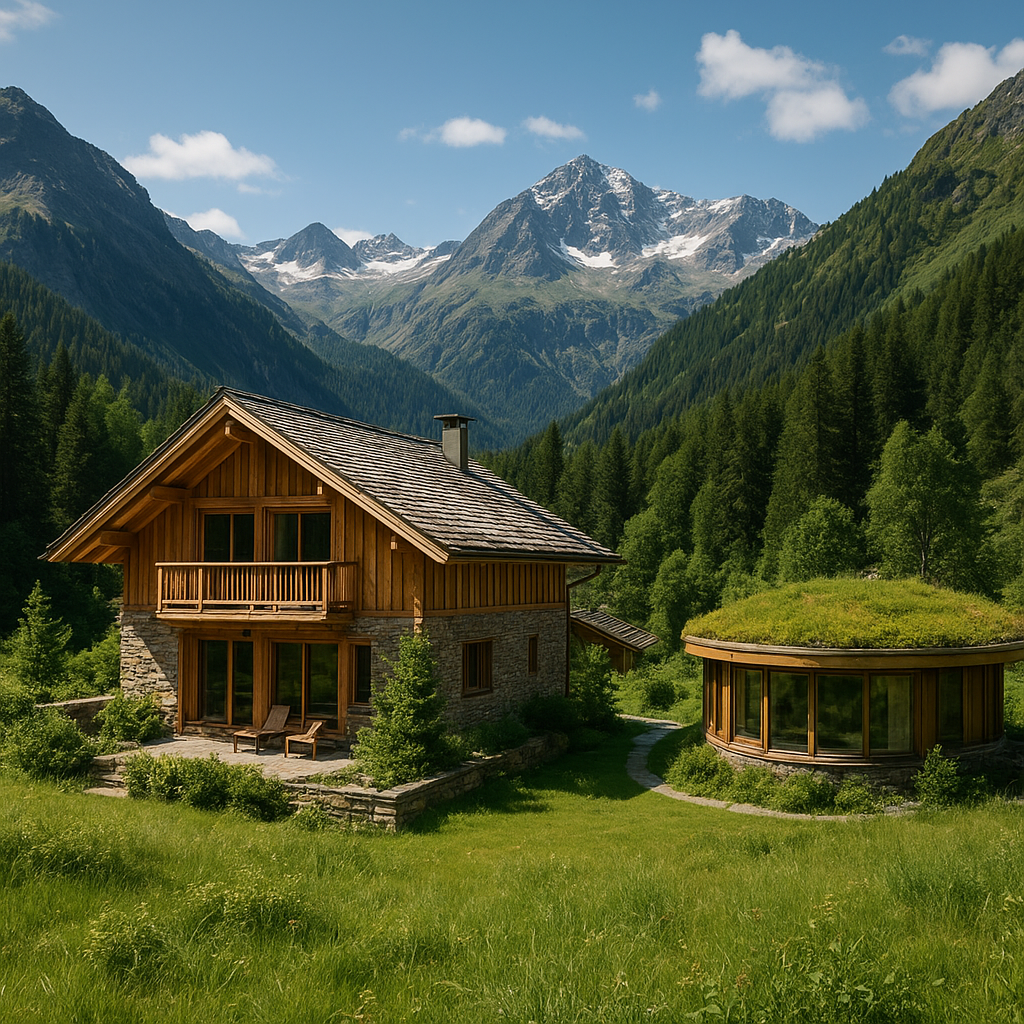
The Alps have long been celebrated for their soaring peaks, lush valleys, and pristine lakes. Today, a growing number of travelers seek accommodations that honor and protect this majestic environment. From tiny wooden cabins powered by renewable energy to cavernous lodges designed with green architecture principles, the region offers a variety of inspiring options. In this article, explore some of the most remarkable eco-friendly stays, discover cutting-edge technologies transforming mountain hospitality, and learn how local initiatives foster sustainable tourism in one of Europe’s most breathtaking landscapes.
Alpine Retreats Leading the Way in Eco-Conscious Hospitality
Across Austria, Switzerland, France, Italy, Germany, and Slovenia, innovative hoteliers are reinventing the concept of a mountain getaway. They combine traditional craftsmanship with modern systems to minimize their environmental impact while providing memorable experiences for guests.
- Bio-Bau Lodge (Austria): Nestled in the Tyrolean Alps, this timber structure is built entirely from sustainably harvested wood. Its insulation is made of reclaimed sheep wool and hemp, dramatically reducing heating needs in winter. Onsite solar panels and a micro-hydro turbine generate surplus power, making it nearly off-grid.
- Alpine Blossom Retreat (Switzerland): With panoramic views of Mont Blanc, this lodge champions a zero-waste policy. Bulk refill stations replace single-use toiletries, and organic in-house gardens supply the kitchen with fresh produce. Guests can participate in compost workshops to learn about returning nutrients to the soil.
- EcoPeak Refuge (France): Under a green roof that blossoms with wildflowers, this remote refuge blends into its mountainous surroundings. Its rainwater collection system supports greywater filtration for toilets and irrigation. The lodge also partners with local beekeepers, protecting wild pollinators and enhancing biodiversity.
- Sustainable Summit Villas (Italy): These hillside cottages employ passive solar design, thick stone walls, and natural ventilation to maintain comfortable indoor climates year-round. Each villa comes equipped with an electric shuttle service to nearby ski lifts, significantly reducing visitors’ carbon footprint.
Innovations in Green Technologies for Mountain Lodging
Advancements in eco-technology are reshaping how alpine accommodations operate. From passive design strategies to digital monitoring, these solutions prioritize resource efficiency and guest comfort.
Passive Design and Materials
- High-performance glazing optimizes heat retention in winter and minimizes solar gain in summer.
- Natural insulation like cork, sheep wool, and recycled denim substitute energy-intensive materials.
- Local stone and timber reduce transport emissions and tie each building to its regional heritage.
Renewable Energy Integration
- Solar photovoltaic arrays on south-facing slopes power lighting, heating, and appliances.
- Small-scale wind turbines harness mountain breezes to complement solar during cloudy periods.
- Ground-source heat pumps channel stable subterranean temperatures to provide efficient heating and cooling.
Smart Water Management
- Rainwater harvesting systems capture and store precipitation for irrigation and toilet flushing.
- Leak-detection sensors monitor pipes 24/7, preventing waste and costly damage.
- Biological wastewater treatment uses native wetland plants to purify greywater before returning it to natural waterways.
Engaging with Local Communities and Conservation Efforts
True sustainability extends beyond the lodge itself. Many green stays in the Alps collaborate with residents to support preservation projects, promote cultural exchange, and strengthen rural economies.
Community Partnerships
- Guided hikes led by local rangers educate visitors on alpine flora and fauna.
- Seasonal farm-to-table dinners feature produce from nearby local communities, sustaining small-scale agriculture and traditional foodways.
- Workshops in handicrafts, such as wood carving and basket weaving, help keep mountain folk arts alive.
Conservation Initiatives
- Guest contributions fund reforestation efforts to stabilize fragile slopes and enhance wildlife corridors.
- Wildlife monitoring programs allow travelers to record sightings of ibex, chamois, and golden eagles, aiding biologists in tracking population trends.
- Educational exhibits at lodges highlight the delicate balance between tourism and nature, raising awareness of human sustainability responsibilities.
Cultural Immersion
- Language exchanges with mountain shepherds and cheese makers provide authentic insights into alpine life.
- Traditional music evenings bring visitors together around a crackling fire, celebrating centuries-old folklore.
- Seasonal festivals, from spring blossom ceremonies to winter solstice celebrations, connect guests to the rhythms of mountain living.
Planning Your Responsible Alpine Adventure
When selecting an alpine retreat, consider these key factors to ensure your stay aligns with eco-conscious principles:
- Eco-Friendly Certifications: Look for labels like EU Ecolabel, Green Globe, or national eco-awards that verify a property’s green credentials.
- Carbon Footprint Offsetting: Inquire whether the lodge invests in local reforestation or renewable projects to balance out travel emissions.
- Minimal Single-Use Policies: Choose lodges offering refill stations and compostable or reusable dishware.
- Wildlife Respect: Ensure guided tours follow strict wildlife etiquette, keeping a safe distance and avoiding feeding animals.
- Accessibility: Supporting remote communities often means valuing simple infrastructure—encourage low-impact transport options like electric shuttles or regional trains.
By choosing accommodations committed to environmental stewardship and community engagement, travelers can savor the towering peaks, fragrant meadows, and crystal waters of the Alps with a clear conscience. Each stay becomes an opportunity to protect and celebrate one of the world’s most spectacular mountain ranges, ensuring its splendor endures for generations to come.