The Alps, stretching across eight countries, offer an extraordinary display of wildflowers, verdant meadows, and panoramic vistas as soon as winter’s snow begins to melt. From gentle foothills to soaring peaks, each elevation reveals unique biodiversity and seasonal spectacles that beckon nature lovers and hiking enthusiasts alike. Whether you seek a kaleidoscope of colorful blooms or a tranquil escape, the alpine landscape delivers unforgettable moments of spectacular beauty.
Spring Awakening: Alpine Meadows in Bloom
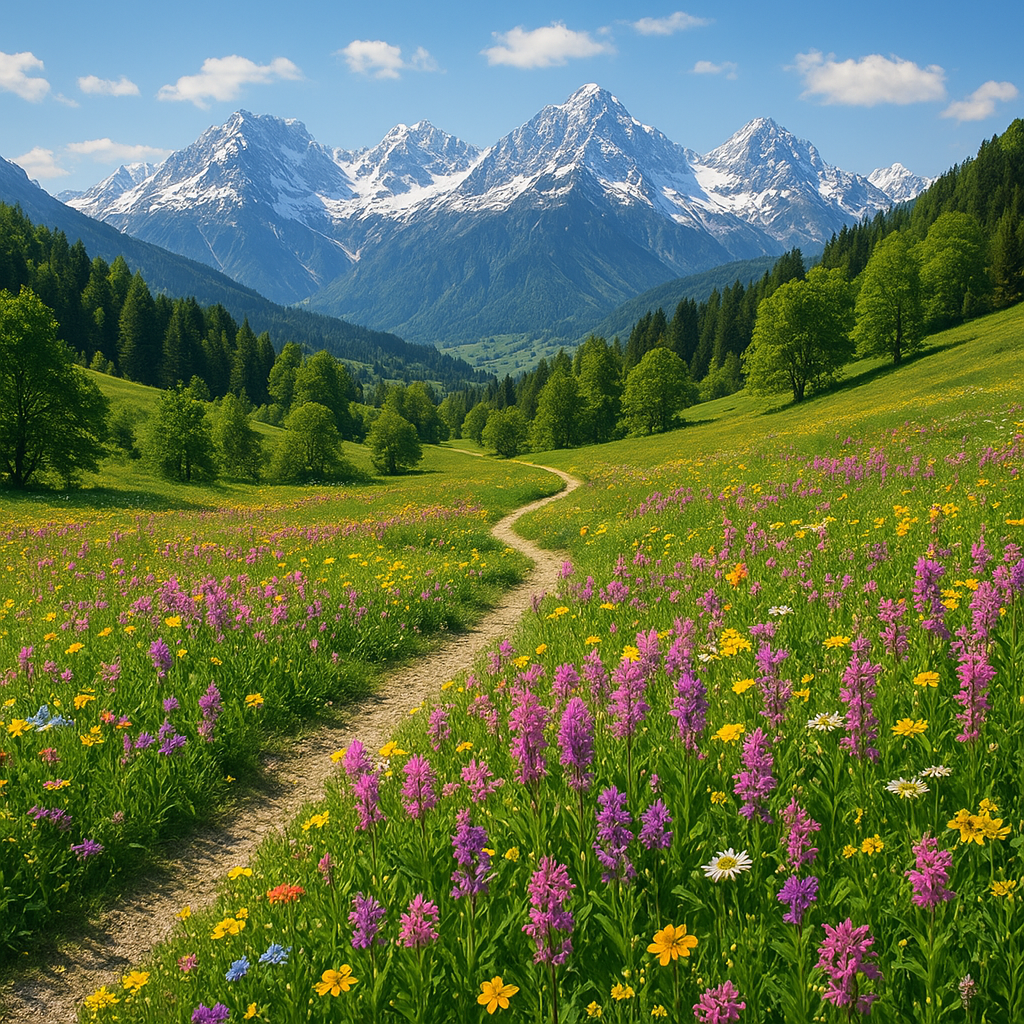
As the snow retreats and days grow longer, the lower slopes of the Alps become a stage for the first act of the blooming season. Generally, the best time to witness this transformation is from late April through mid-June, depending on latitude and altitude. Here, delicate flower carpets emerge in sheltered valleys, while higher ground remains under winter’s lingering chill.
Lower Elevations
Between 1,000 and 1,800 meters, the warming sun coaxes forth a variety of early bloomers. Visitors can expect:
- Crocus (Crocus vernus) — one of the earliest heralds of spring, carpeting pastures in purple and white.
- Pasque Flower (Pulsatilla alpina) — with its silky petals and feathery seed heads.
- Primrose (Primula elatior) — bright yellow clusters dotting mossy patches.
- Marsh Marigold (Caltha palustris) — glowing in damp meadows and stream banks.
By mid-May, gentle hillsides transform into a living mosaic, perfect for scenic drives or leisurely walks through fragrant pastures. Local villages often hold small festivals celebrating the flower season, complete with guided tours and traditional music.
Higher Elevations
Between 1,800 and 2,500 meters, the bloom arrives later—usually from early June to late July. Here, hardy mountain species thrive under cooler conditions:
- Alpine Gentian (Gentiana verna) — intense blue blooms framed by verdant alpine turf.
- Edelweiss (Leontopodium nivale) — an iconic symbol of the Alps, prized for its woolly white petals.
- Alpine Aster (Aster alpinus) — violet or pink star-shaped flowers blanketing rocky ledges.
- Glacier Buttercup (Ranunculus glacialis) — thriving near snowfields with petals that glisten in the sun.
These sites are best reached on organized treks or via mountain railways, which preserve the delicate flora and reduce environmental impact. Early summer expeditions often feature dramatic contrasts: thawing streams running alongside lingering snowbanks, framed by delicate blossoms.
Summer Splendor: A Tapestry of Colors
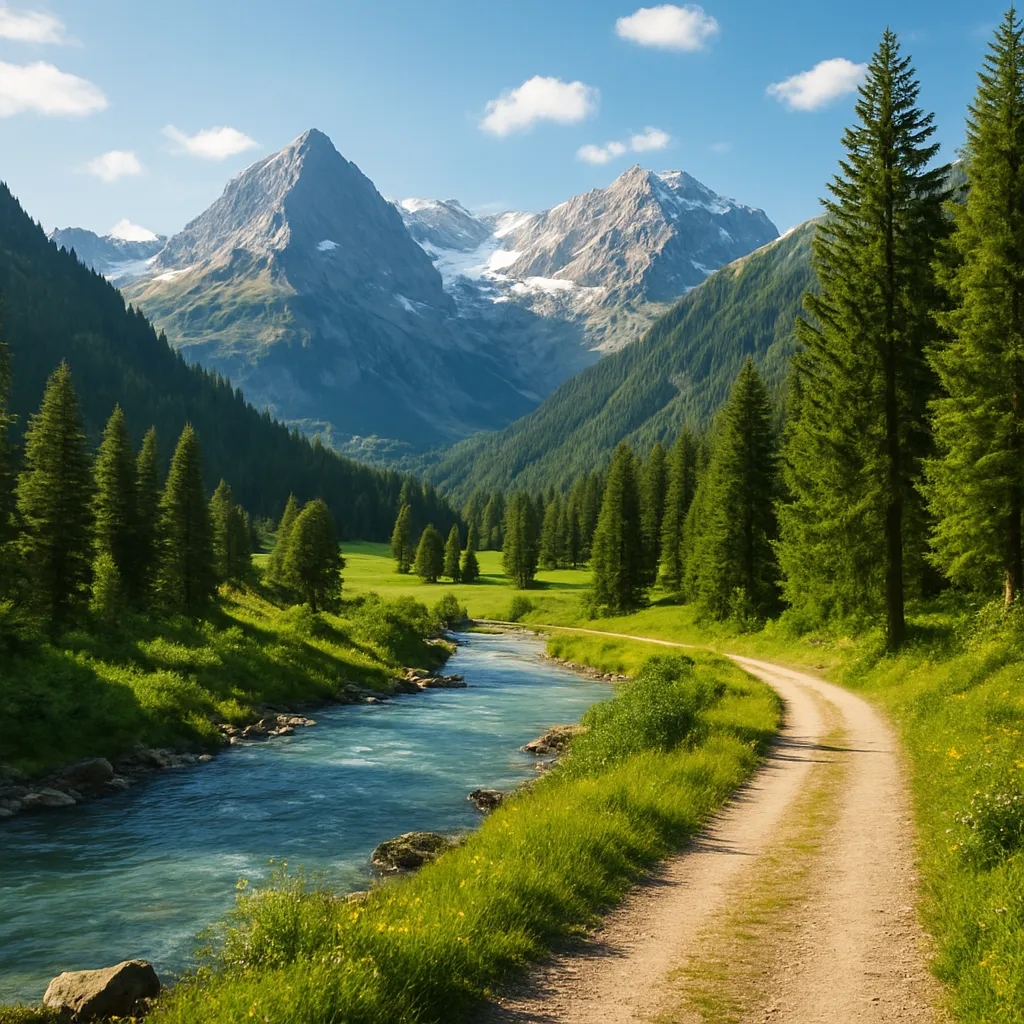
By July and August, the Alps reach peak floral diversity. From verdant valleys to high alpine pastures, an incredible variety of mountain blooms creates a tapestry of reds, pinks, purples, and yellows. Summer is also prime time for fauna activity—hovering butterflies, buzzing bees, and grazing chamois.
Iconic Blooms of Mid-Summer
- Lupins (Lupinus polyphyllus) — tall, spire-like clusters in deep violet and pink.
- Alpine Rose (Rhododendron ferrugineum) — bright coral-pink cushions along scree slopes.
- Bellflower (Campanula alpina) — nodding purple bells swaying in the breeze.
- Mountain Arnica (Arnica montana) — vibrant yellow daisies with medicinal properties.
- Bear’s Breeches (Acanthus mollis) — stately white and purple flower spikes in shaded corners.
Popular routes such as the Tour du Mont Blanc and various Swiss haul trails offer daily passes through fields alive with color. Mountain huts and alpine lodges open their terraces so hikers can relax while immersed in this living panorama. Early morning or late afternoon treks often reward explorers with dramatic lighting that amplifies the brilliance of each petal.
Regional Highlights
- Swiss Alps: Engadine Valley’s flower meadows and the Flüela Pass in July.
- French Alps: Vanoise National Park’s high-altitude plateaus in August.
- Italian Alps: Dolomites’ alpine pastures, especially around the Alpe di Siusi.
- Austrian Alps: Hohe Tauern’s UNESCO region blossoms in July and early August.
Late Summer and Early Autumn Transitions
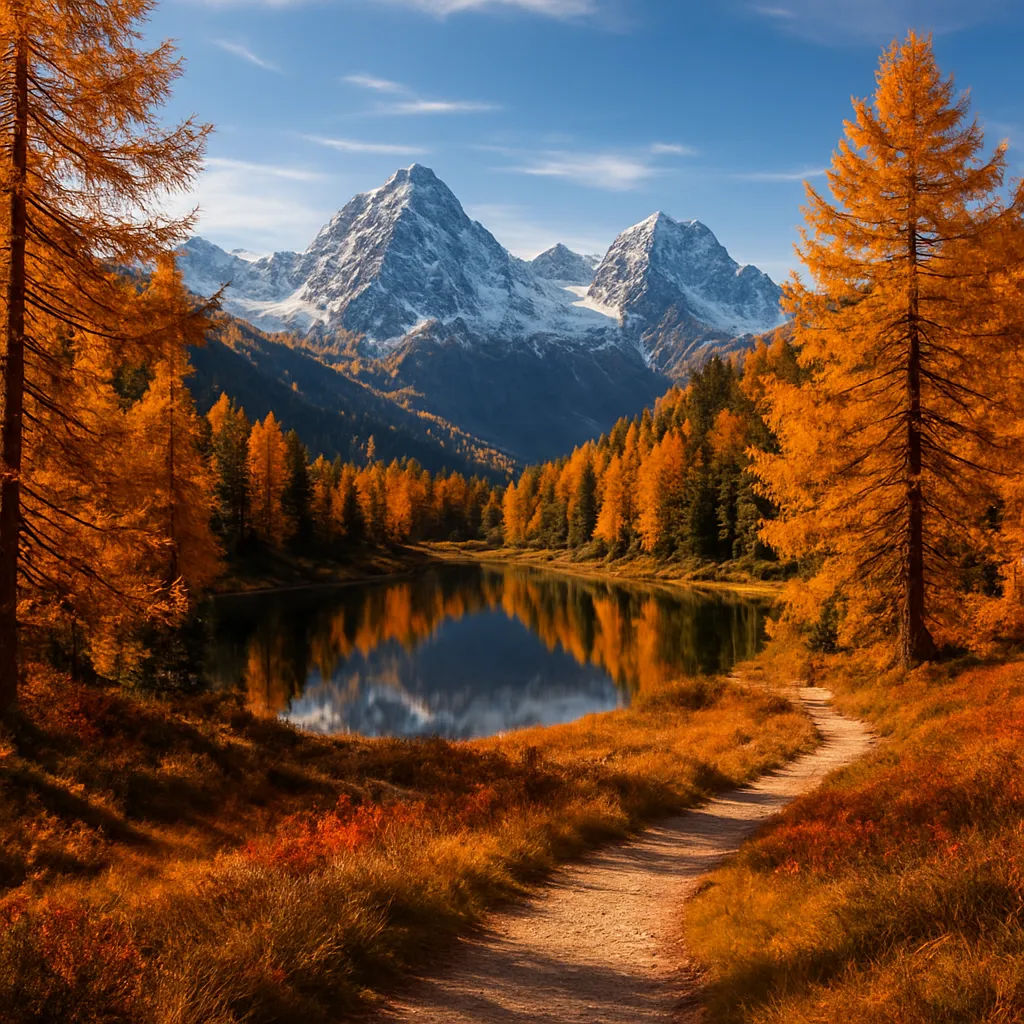
As August wanes, the alpine flora begins its graceful descent into autumn. Between late August and September, the first frosts bring out rich shades of rust, gold, and crimson in the lower meadows, while hardy survivors cling to rock ledges at higher altitude.
The Last Bloomers
- Alpine Aster — extending its bloom into September on sheltered slopes.
- Autumn Crocus (Colchicum autumnale) — surprising pink blossoms emerging from the grass.
- Heathers (Calluna vulgaris) — carpeted hillsides displaying purplish-pink buds.
- Bearberry (Arctostaphylos uva-ursi) — glossy red berries beside pinkish flowers.
This is also the time to observe the changing foliage of larches and birches at mid-altitude, creating a beautiful contrast with late flower patches. Photographers and artists often plan visits during the first two weeks of September to capture nature’s final flourish.
Tips for Planning Your Alpine Adventure
- Gear Up Wisely: Layered clothing, waterproof boots, and sun protection are essential for unpredictable mountain weather.
- Timing Matters: Check local alpine flower calendars or regional park websites for up-to-date bloom forecasts.
- Respect Nature: Stay on marked trails to preserve fragile ecosystems and avoid trampling rare plants.
- Guided Tours: Consider joining expert-led hikes to learn about botanical specialties and sustainable practices.
- Accommodation: Alpine huts, agriturismos, and family-run guesthouses offer authentic experiences and local cuisine.
- Photography: Early morning and golden hour provide the best lighting for capturing the vibrant hues of alpine flowers.
- Local Festivals: Time your visit to coincide with regional flower festivals or traditional pasture gatherings.