Embark on an unforgettable winter adventure in the heart of Europe’s most majestic mountain range. Snowshoeing in the Alps offers a unique blend of adrenaline and serenity, allowing enthusiasts to explore pristine valleys, traverse high-altitude ridges, and discover hidden alpine hamlets. Whether you’re a seasoned mountaineer or a beginner eager to experience your first winter trek, the Alps cater to every skill level with their vast network of trails and stunning natural beauty. This guide highlights top destinations, essential gear, and insider tips to help you plan your next snowshoeing excursion.
The Allure of Snowshoeing in the Alps
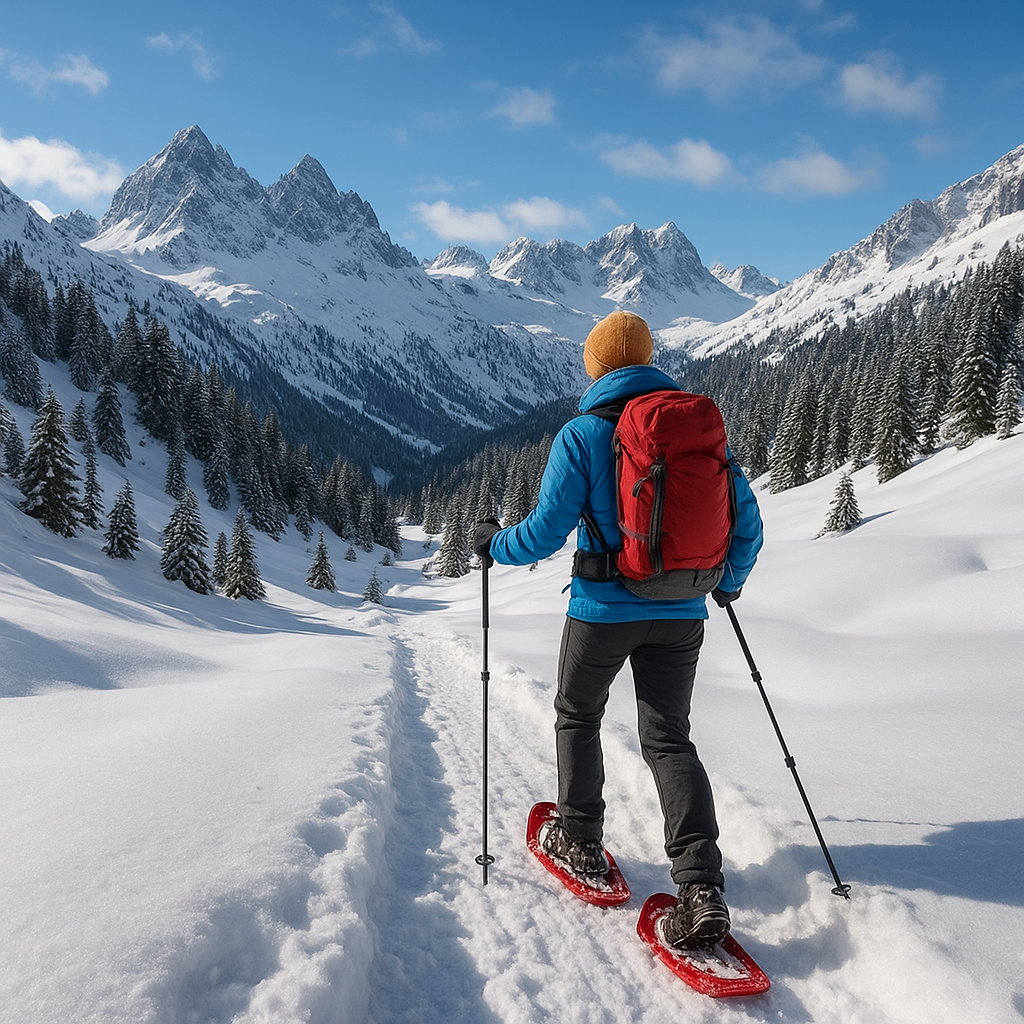
Snowshoeing has evolved from a utilitarian mode of transportation into a popular winter pastime. In the Alps, this activity provides access to remote areas that are inaccessible by ski lifts or ski resorts. Imagine the sensation of stepping onto a snow-covered meadow at dawn, surrounded by towering peaks glistening in the morning sun. The silence, broken only by the soft crunch beneath your feet, amplifies the connection to nature and the sense of adventure.
Embracing Alpine Wilderness
- Unspoiled vistas: Remote valleys shielded from mass tourism.
- Wildlife encounters: Spot chamois, ibex, or even golden eagles.
- Seasonal transformations: Frozen lakes become glittering panoramas.
Many trails wind through old-growth forests, offering glimpses of animal tracks and frosted branches. At higher elevations, you’ll cross ridgelines that reveal sweeping 360-degree views. These panoramic landscapes are a photographer’s dream and a call to adventurers seeking to test their physical and mental limits.
Top Snowshoe Trails and Regions
From the French Mont Blanc massif to the Italian Dolomites, the Alps span eight countries, each region boasting distinctive terrain and cultural richness. Below are some standout destinations and recommended routes.
Chamonix Valley, France
- L’Aiguillette des Houches: A gentle ascent for beginners with views of Mont Blanc.
- Balme Plateau: Vast open fields ideal for tracking animal footprints.
- Mér de Glace Traverse: For experienced trekkers seeking glacial scenery.
Chamonix is a hub of winter sports, making it easy to rent gear and hire local guides. The town’s lively après-ski scene offers cozy alpine bars and restaurants serving hearty Savoyard cuisine.
Dolomites, Italy
- Seiser Alm (Alpe di Siusi): Europe’s largest high-altitude plateau.
- Puez-Odle Nature Park: Dramatic limestone spires and narrow couloirs.
- Tre Cime di Lavaredo Circuit: Challenging route with spectacular mountain faces.
The Dolomites are famed for their UNESCO World Heritage status. After a day on your snowshoes, unwind in a traditional rifugio and sample local specialties like canederli and strudel.
Bernese Oberland, Switzerland
- First to Bachalpsee: Easy route to one of Switzerland’s most photographed lakes.
- Grindelwald – Grosse Scheidegg: Alpine meadows with views of Eiger, Mönch, and Jungfrau.
- Lauterbrunnen Valley: Explore frozen waterfalls and valley floors.
This region features well-marked snowshoe paths and rapid transport options. The Swiss Railway network ensures seamless connections between trailheads and villages.
Essential Tips and Gear for Alpine Snowshoeing
Proper preparation is key to a safe and enjoyable snowshoeing trip. From equipment to physical readiness, these guidelines will help you tackle the Alps with confidence.
Selecting the Right Equipment
- Snowshoes: Choose based on weight category—light, all-mountain, or backcountry.
- Poles: Adjustable trekking poles provide stability on steep slopes.
- Footwear: Insulated, waterproof boots compatible with bindings.
- Clothing: Layering system—base, mid, and shell layers to regulate body temperature.
- Backpack essentials: Avalanche beacon, shovel, probe, first-aid kit, and extra snacks.
Experts recommend renting from local outfitters if you’re unfamiliar with binding systems. Investing in high-quality gaiters and gloves will prevent snow ingress and keep extremities warm.
Safety and Avalanche Awareness
- Check daily avalanche bulletins for risk levels.
- Carry a transceiver and practice rescue drills regularly.
- Travel in groups; maintain visual contact and voice communication.
- Learn to read terrain—avoid convex slopes and hidden cornices.
Understanding snowpack stability and technique is crucial. Consider enrolling in an avalanche safety course before venturing into the backcountry. Mountain guides can provide invaluable local knowledge and ensure adherence to safety protocols.
Physical Conditioning and Altitude
- Cardiovascular training improves stamina for long ascents.
- Strength exercises target core muscles and leg endurance.
- Acclimatization: Gradual ascent to reduce the risk of altitude sickness.
Even well-conditioned hikers should allow extra time at higher elevations. Symptoms like headache or nausea indicate that you need to rest or descend. Hydration and balanced nutrition help maintain energy levels during multi-day tours.
Cultural Highlights and Local Experiences
Beyond the trails, the Alps offer a mosaic of languages, traditions, and flavors. Embrace the regional diversity by visiting charming villages and participating in local customs.
Gastronomic Delights
- Fondue and raclette in Swiss chalets.
- Hearty barley soups and cured meats in Austrian huts.
- Polenta, speck, and grappa in the South Tyrolean valleys.
Treat yourself to a warming mug of glühwein or vin chaud after a frosty day outdoors. Many mountain inns serve artisanal cheeses and homemade pastries, reflecting centuries of alpine tradition.
Festivals and Traditions
- Krampus runs in Bavaria and Tyrol during December.
- Winter markets featuring crafts and regional produce.
- Yodeling and alphorn performances in Swiss mountain villages.
These cultural events offer insight into local heritage and provide opportunities to mingle with residents. Seasonal festivities often coincide with peak winter sports season, creating a vibrant atmosphere.
Wellness and Après-Trek Relaxation
- Natural thermal springs in Leukerbad, Switzerland.
- Spa retreats featuring essential oil massages in Austrian Tyrol.
- Hot tubs with mountain views in Italian alpine lodges.
After a day of trekking, soothe your muscles in mineral-rich waters or indulge in a sauna session. Many resorts combine wellness packages with guided snowshoe tours, blending adventure with rejuvenation.
With careful planning and respect for mountain environments, snowshoeing in the Alps promises lasting memories and breathtaking encounters with nature. Whether you seek challenge or tranquility, these legendary peaks deliver an experience like no other.