The Alps offer an incomparable tapestry of soaring peaks, deep valleys and majestic ice formations. Travellers seeking the most breathtaking glaciers will discover an array of spectacular sights, from the famous ice rivers of the Western Alps to the lesser-known giants of the Eastern range. This article guides you through the very best places to witness these frozen wonders, explores the challenges they face today and suggests ways to enjoy them responsibly.
Glaciers of the Western Alps
Aletsch Glacier: Europe’s Ice Colossus
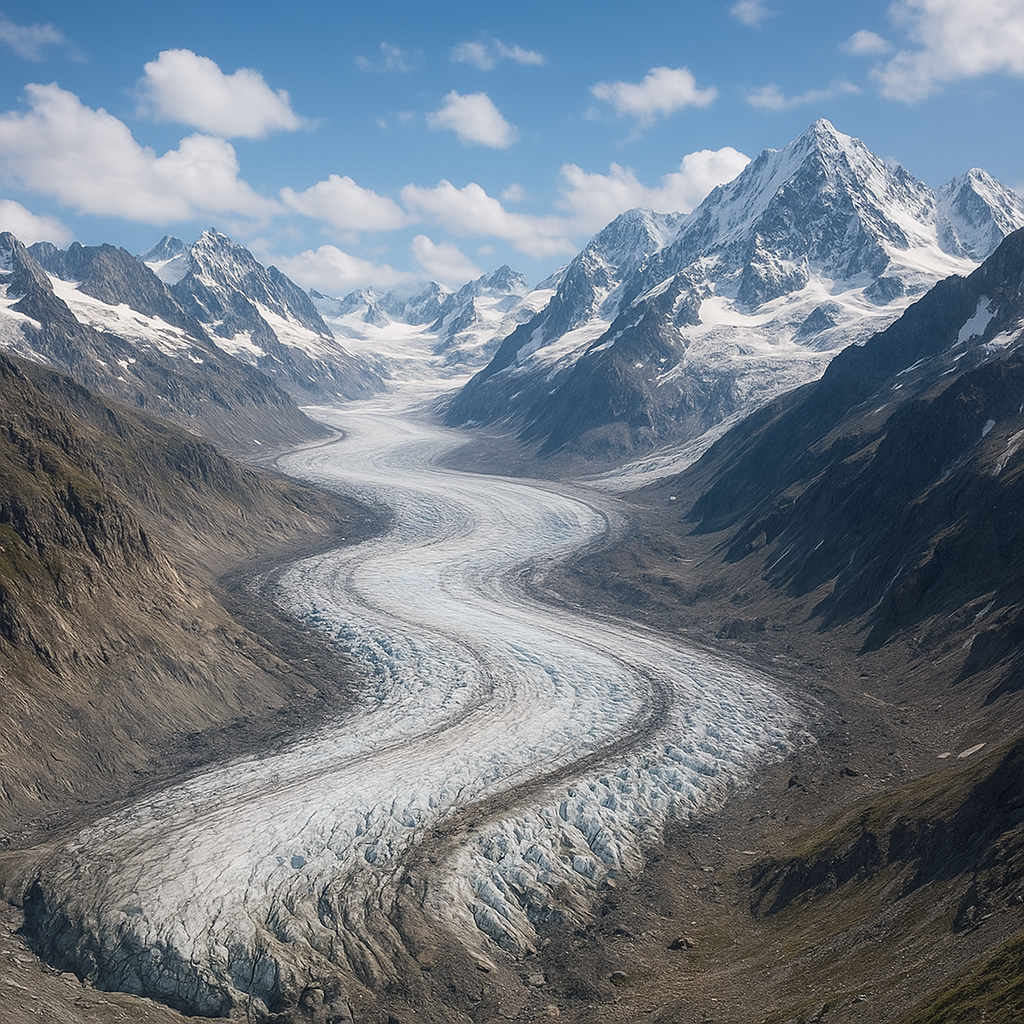
Stretching over 23 kilometres, the Aletsch Glacier stands as Europe’s longest. Perched high in the Bernese Alps, it snakes down from the Jungfrau massif. Visitors can access panoramic viewpoints from the Bettmerhorn and Eggishorn cable cars. From these vantage points, the vast white expanse seems to glow under sunlight, offering a truly majestic panorama.
- How to get there: Take the train to Brig, then the scenic electric railway to Fiesch.
- Best time: Late June to early September for the clearest trails.
- Facilities: Mountain huts and guided tours available.
Mer de Glace: The Sea of Ice
Located near Chamonix, the Mer de Glace once extended over 30 kilometres. Today it has retreated but remains one of the most breathtaking sights in the Mont Blanc region. Visitors climb the steep rack railway to the Montenvers station, then descend via a series of steps into the ice grotto carved annually by local guides.
- Highlights: Ice cave sculptures and an interactive museum detailing glacier history.
- Access: Chamonix–Montenvers train plus a short hike or funicular ride.
- Safety: Stick to marked paths and consider a local guide for crevassed areas.
Glaciers of the Eastern Alps
Pasterze Glacier: Austria’s Largest Ice River
Sitting below the iconic Grossglockner, Austria’s highest peak, the Pasterze Glacier stretches for almost eight kilometres. A combination of cable car and panorama road provides easy access, while a series of platforms offers close-up views of the ice front. This glacier is a focal point for research on melting rates and is featured at the Alpine Nature Trail exhibit.
- Route: Take the Ködnitzbahn cable car from Heiligenblut.
- Facilities: Visitor centre, café and educational displays.
- Research: Ongoing glaciological studies on ice thickness changes.
Dachstein Ice Palace and Glacier
Rising above Hallstatt in the Salzkammergut region, the Dachstein range boasts a smaller but no less impressive ice cap. The Dachstein Ice Palace, carved inside the glacial ice, reveals intricate tunnels, ice sculptures and illuminated passages. Outside, panoramic terraces provide sweeping views of the Alpine plateau and surrounding peaks.
- Access: Cable car from Obertraun or Hallstatt.
- Activities: Guided glacier tours, via ferrata routes and skiing in winter.
- Conservation: Visitors are urged to stay on designated trails to protect delicate ice structures.
Impact of Climate Change on Alpine Glaciers
Alpine glaciers have lost roughly half their volume since the late 19th century. Rising temperatures have accelerated melting, leaving some ice tongues endangered and at risk of disappearing within decades. Scientists monitor key metrics—surface mass balance, ice flow speed and moraine shifts—to understand the evolving glacial dynamics.
Retreat and Environmental Effects
As glaciers shrink, they alter mountain hydrology and threaten biodiversity. Rivers fed by glacial melt provide water for agriculture, hydroelectric power and communities downstream. Reduced ice cover can also destabilize slopes, increasing rockfall and landslide hazards.
Research Stations and Citizen Science
High-altitude research stations are crucial for gathering data on temperature trends, ice thickness and snow accumulation. Visitors can sometimes participate in citizen science projects, such as measuring snow depth or photographing moraines, contributing valuable information to long-term studies.
Experiencing Alpine Glaciers: Activities and Tips
Guided Glacier Walks and Ice Climbing
Professional guides lead safe routes across crevassed terrain, teaching techniques in ice axe use and rope travel. For the more adventurous, ice climbing on seracs and frozen waterfalls offers an adrenaline-packed adventure. Ensure your guide is certified by a recognized alpine association and always check weather forecasts.
Skiing and Snowshoeing
Many high-altitude ski resorts maintain glacier slopes well into late spring. Popular spots include the Hintertux Glacier in Austria and the Matterhorn Glacier Paradise in Switzerland. In the warmer months, snowshoeing provides a quieter way to explore, allowing you to tread softly on snowfields and discover hidden ice caverns.
- Equipment: Rent specialized glacier skis or snowshoes at resort shops.
- Permits: Some regions require permits for off-piste glacier travel.
- Safety gear: Always carry avalanche transceivers, probes and shovels if venturing off-piste.
Preserving the Alps for Future Generations
Balancing tourism with conservation is vital to maintain the heritage and ecological integrity of the ice landscapes. Many Alpine destinations have adopted eco-friendly practices:
- Sustainable transport: Electric buses and trains reduce carbon emissions.
- Waste reduction: Mountain huts implement strict recycling and composting policies.
- Community involvement: Local cooperatives manage trails and educational programs.
Supporting Local Economies
Engaging with regional guides, staying in family-run guesthouses and purchasing artisan goods fosters community resilience. It also ensures that the benefits of tourism flow directly to those who live among the glaciers and depend on them for their livelihood.
Raising Awareness and Advocacy
Travellers can help by sharing their experiences on social media, supporting glacier monitoring organizations and promoting policies that address climate change. Every photo, blog post or discussion contributes to a broader understanding of why these ice giants deserve protection.