Nestled between France, Switzerland, Italy, Austria, Germany, and Slovenia, the Alps stand as one of the most breathtaking mountain ranges in the world. This natural masterpiece offers a wealth of opportunities for outdoor photographers eager to capture its dramatic vistas, pristine lakes, and verdant valleys. Whether you are drawn by jagged peaks dusted with snow or vibrant wildflower meadows, the Alps provide an ever-changing canvas that challenges and rewards the dedicated lensman. In the following sections, you will discover why this region has become a mecca for shutterbugs and how you can make the most of every alpine adventure.
The Unparalleled Alpine Landscapes
The Alps stretch for over 1,200 kilometers, boasting a staggering variety of terrain that ranges from soaring summits above 4,000 meters to gentle foothills dotted with charming villages. Photographers will find countless subjects to explore:
- Majestic Peaks: Icons such as Mont Blanc, the Matterhorn, and the Eiger form a sculptural skyline, their rock faces and glaciers shifting in tone as the sun arcs across the sky.
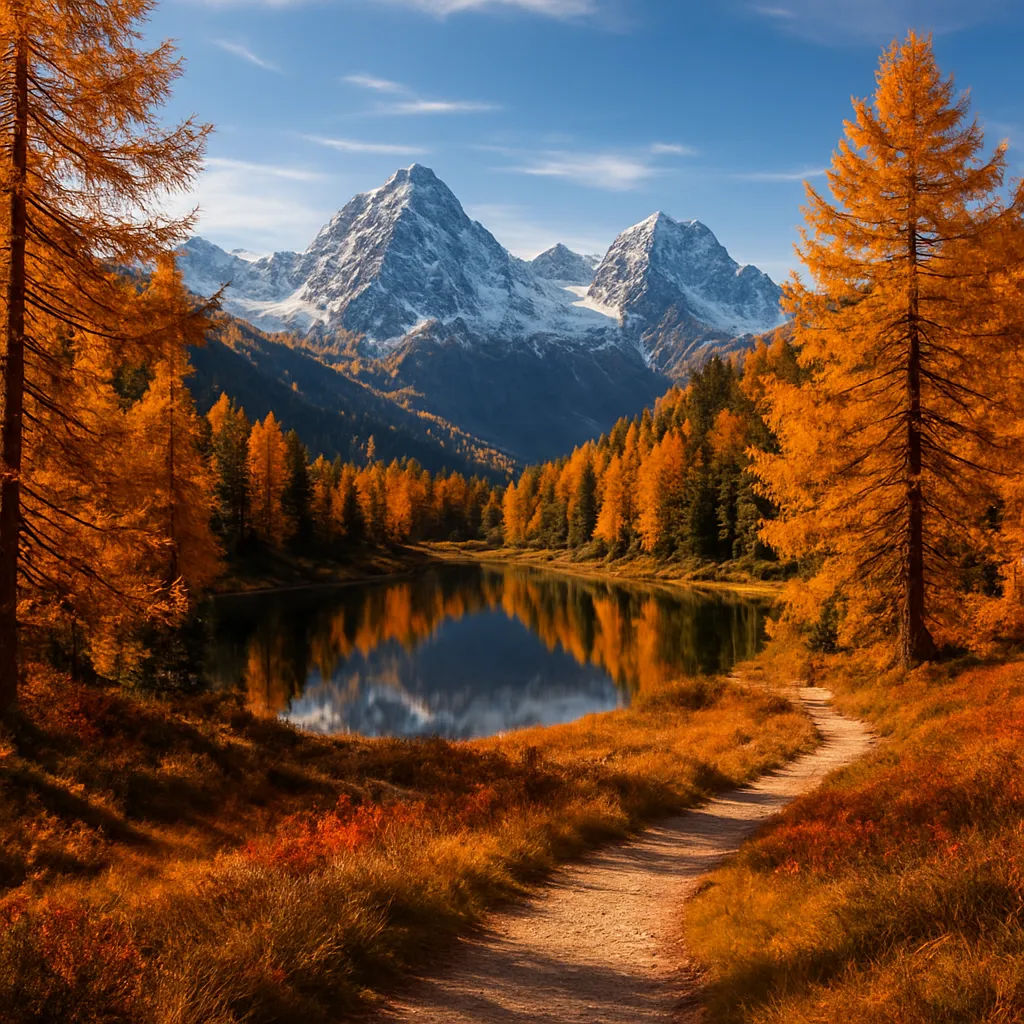
- Emerald Lakes: Bodies of water like Lake Annecy, Lake Geneva, and Lago di Braies mirror their surrounding peaks, creating mirror-perfect reflections at dawn and dusk.
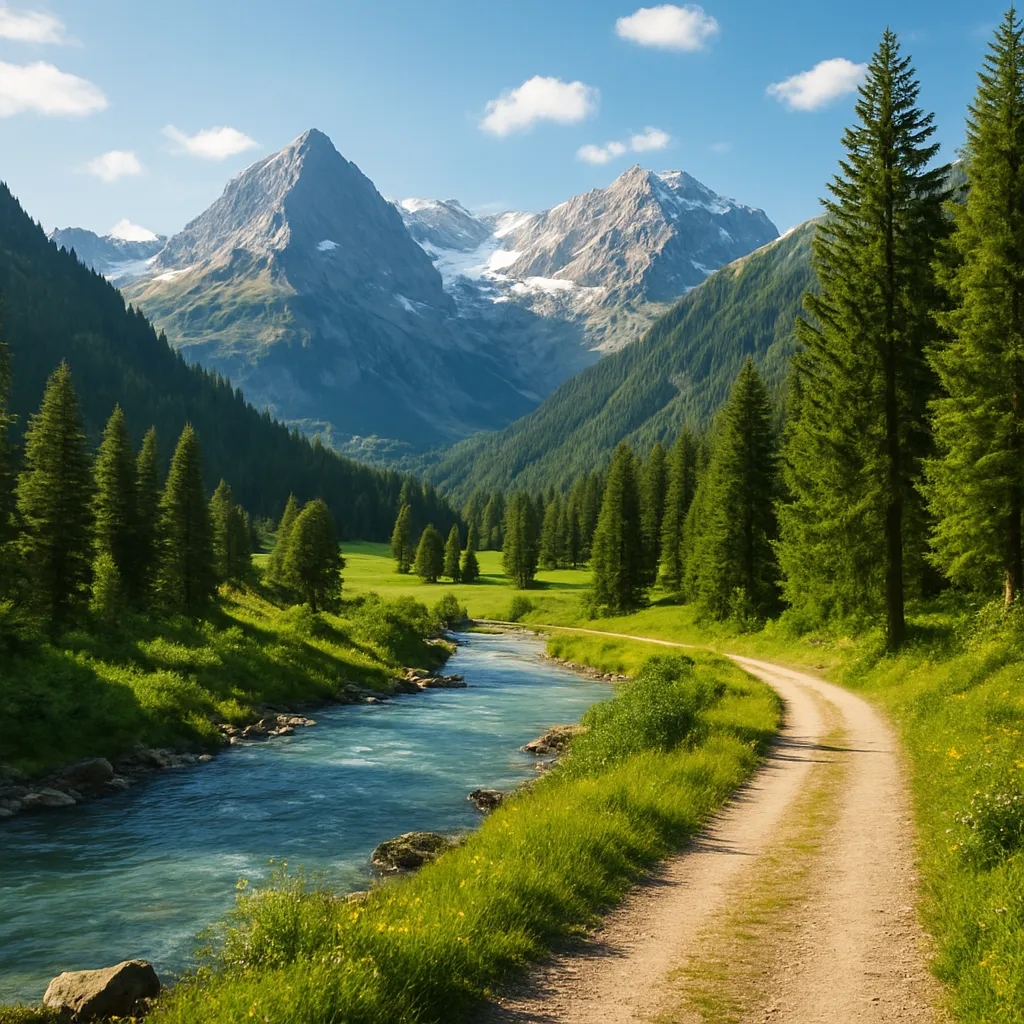
- Verdant Valleys: Valleys of the Dolomites and the Tirol offer pastoral scenes, with grazing livestock, alpine barns, and meadows aflame with wildflowers in summer.
Lighting plays a pivotal role in accentuating these landscapes. Early morning light can lend a soft glow to rocky outcrops, while golden hours at sunset enhance textures and shadows, giving depth to every frame. Overlook a ridge at dawn, and you’ll witness an ethereal sea of clouds rolling through the valleys below—a sight that never loses its wonder.
Seasonal Charms and Challenges
Each season in the Alps unveils a distinct personality, offering fresh perspectives and unique technical demands:
Spring and Summer Splendor
- Floral Displays: Alpine meadows burst into color with edelweiss, gentians, and alpine roses, providing vibrant foregrounds against stony panoramas.
- Accessible Trails: Snow-free paths open up remote ridges and high-altitude viewpoints, putting you within arm’s reach of breathtaking vantage points.
- Wildlife Encounters: Marmots, chamois, ibex, and golden eagles become more active, allowing photographers to capture intimate portraits of alpine fauna.
Autumn’s Golden Glow
- As larches turn amber and valleys don russet hues, the interplay of cool air and warm sunlight creates atmospheric mist and painterly scenes.
- Shorter days reward those who plan for crisp dawn shoots or moonlit nightscapes featuring illuminated villages and stellar skies.
Winter Wonderland
- Snow-Capped Summits: Pristine snow and frozen waterfalls transform the Alps into a monochrome paradise, ideal for high-contrast compositions.
- Ice Formations: Icicles, frosted vegetation, and glacial crevasses offer abstract textures that challenge usual mountain photography norms.
- Beware of avalanche risks and sudden weather shifts—safety and awareness of weather patterns are crucial.
Adapting to each season means adjusting your camera settings, gear, and mindset. Wide apertures may serve you well in low winter light, while in summer, polarizing filters can enhance skies and reduce glare on alpine rivers.
Technical Tips for Capturing the Alps
Succeeding in alpine photography demands a blend of preparation, skill, and adaptability. Below are essential considerations to elevate your work:
- Master the Rule of Thirds: Position prominent peaks or lakes along gridlines to draw viewers’ eyes through the scene.
- Focus Stacking: When your foreground is as crucial as distant ridges, stack multiple exposures to maintain sharpness from front to back.
- Use Graduated ND Filters: Balance bright skies with darker mountain faces, preserving detail in both highlights and shadows.
- Bracket Your Shots: Create high dynamic range (HDR) composites to tackle extreme contrast, especially around sunrise or sunset.
- Experiment with Long Exposures: Soften flowing water in rivers and waterfalls to add a dreamy quality to your compositions.
- Scout Locations in Advance: Apps and satellite maps help you identify ideal vantage points. Arrive early to secure a prime spot for sunrise or sunset.
- Mind White Balance: Snow can fool auto settings, leading to blue tints. Adjust manually or correct in post-processing to retain natural tones.
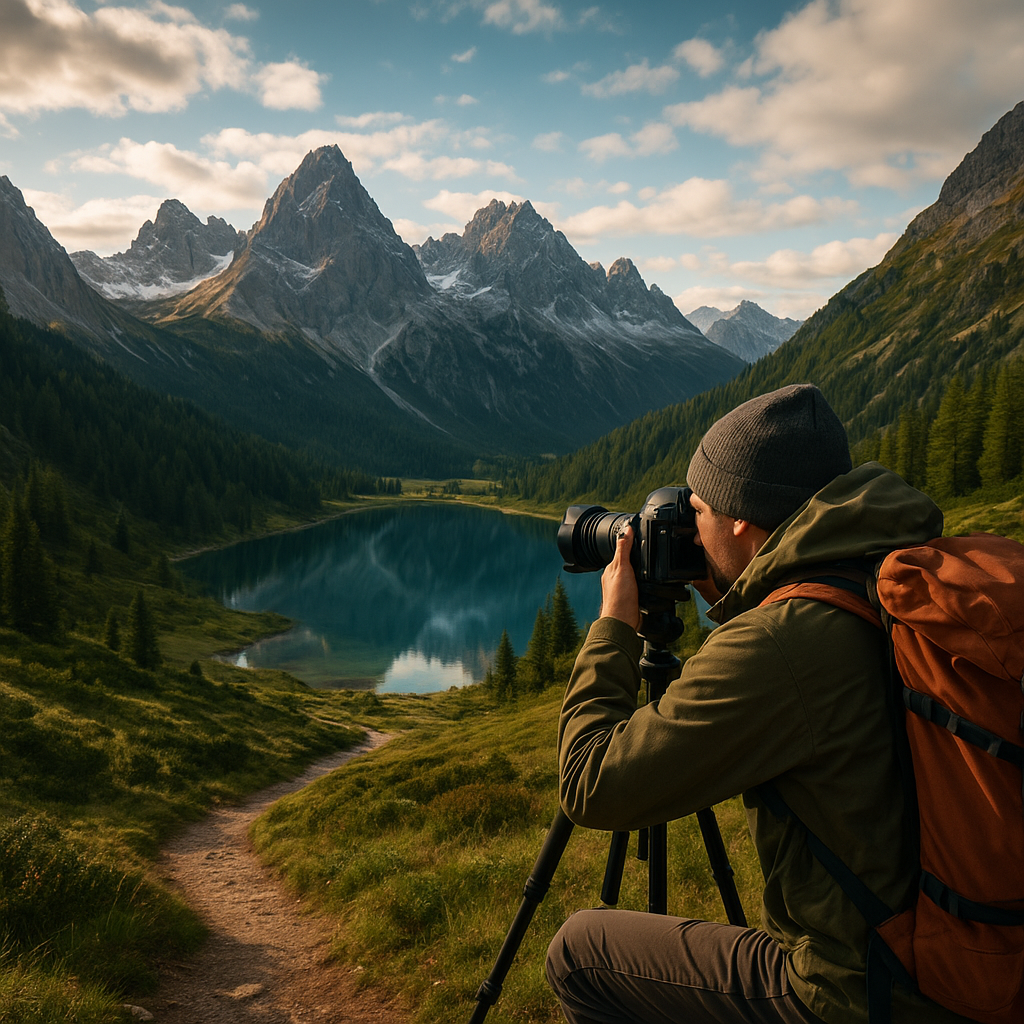
- Pack Rugged Gear: Sturdy tripods, weather-sealed lenses, and extra batteries are indispensable in cold temperatures.
Always carry a lightweight backpack with essential equipment and consider a remote shutter release to prevent camera shake. A compass or GPS device ensures you won’t lose your way when chasing the perfect shot deep in the mountains.
Embracing Conservation and Local Culture
As photographers, we hold a responsibility to protect the pristine alpine environment and respect local traditions:
- Stick to Established Trails: Prevent soil erosion and avoid trampling fragile alpine flora.
- Leave No Trace: Pack out all litter, including biodegradable items that can alter wildlife behavior.
- Support Eco-Friendly Accommodations: Many mountain huts and lodges now operate sustainably, using renewable energy and local produce.
- Interact Respectfully: Engage with shepherds, cheese makers, and artisans—document their centuries-old practices with sensitivity and consent.
By combining technical technique with mindfulness, you enrich your imagery and help preserve the Alps’ fragile ecosystems. Every image can serve as a reminder of the planet’s wonders and the importance of sustainable stewardship.