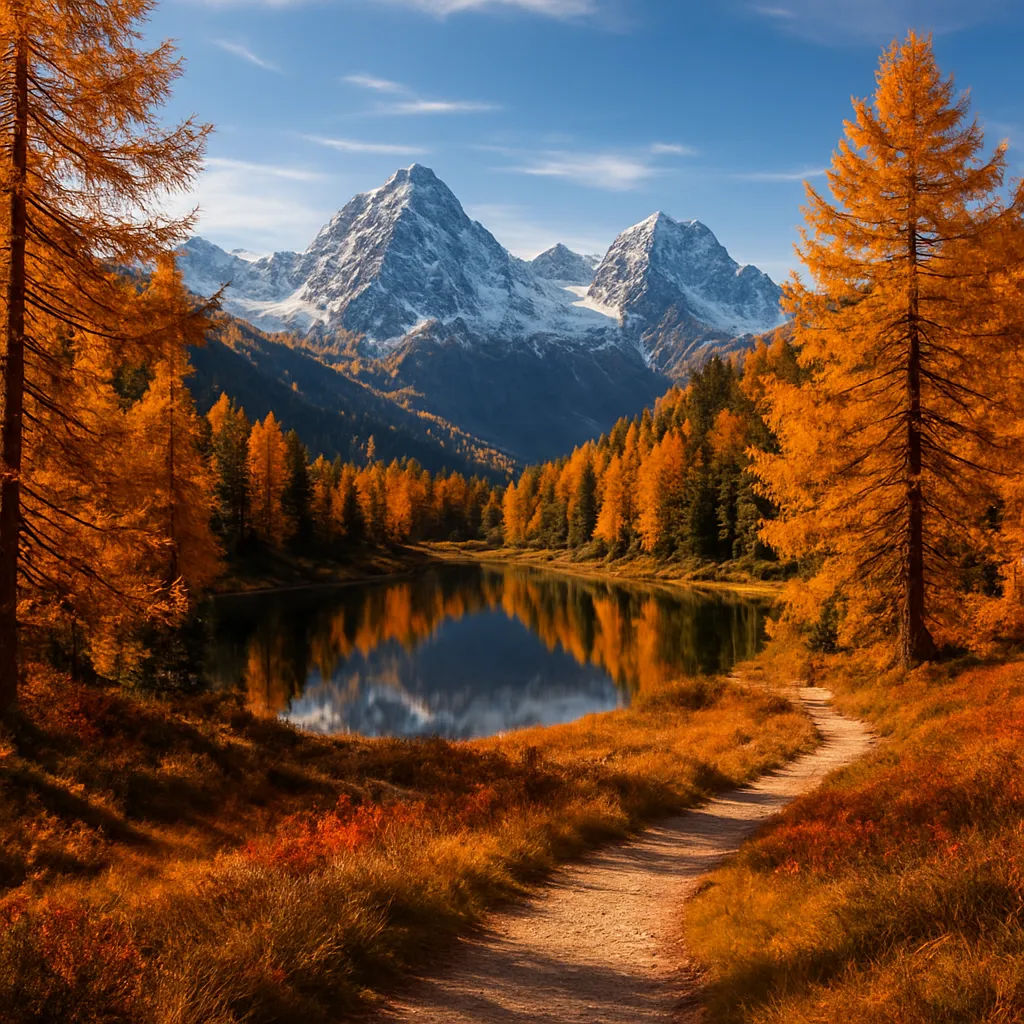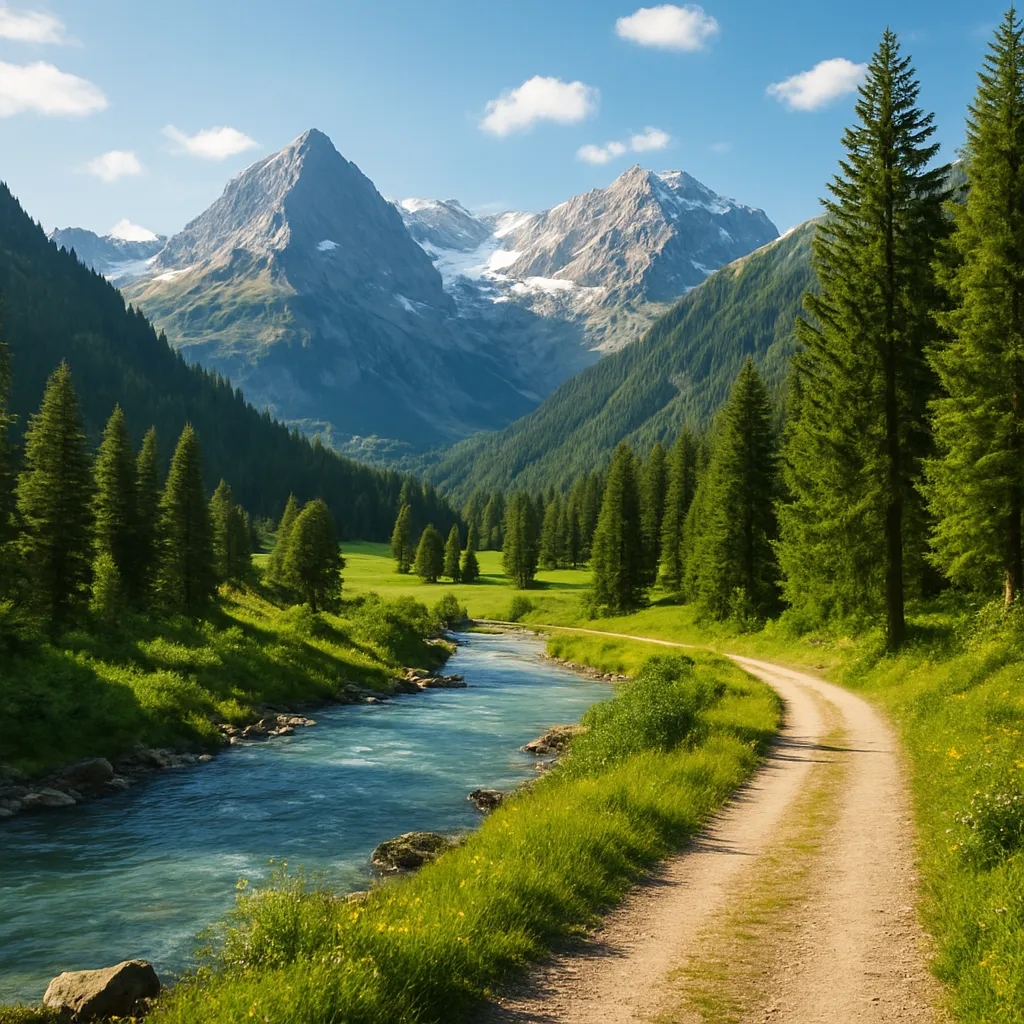
The rugged peaks and serene valleys of Europe’s most iconic mountain range conceal a treasure trove of lesser-known viticultural gems. Far from the bustling tourist trails, small communities have cultivated vines on steep terraces for centuries, nurturing unique flavors shaped by steep slopes, shifting temperatures, and pure alpine waters. This exploration peels back layers of history, geography, and tradition to reveal the lesser-known wine regions of the Alps, where each glass tells a story of adaptation, creativity, and passion.
Alpine Geography and the Secret Terroir
High-elevation viticulture in the Alps defies conventional wisdom: vines thrive above 600 meters, sometimes reaching nearly 1,000 meters in the most daring sites. The interaction of soil, sun, and wind creates a microclimate that protects vines from late frosts and fosters slow ripening. Unlike lowland vineyards, these slopes are carved by ancient glaciers, leaving behind a mosaic of rocky outcrops, gravelly scree, and limestone ridges. These soils are poor in organic matter but rich in minerals, imparting intense minerality and crisp acidity to the wines.
The high altitude means cooler nights and warm, dry days—ideal for preserving aromatic compounds and acidity in grapes. Rapid diurnal temperature shifts ensure that sugars develop steadily while phenolic ripeness remains balanced. This interplay of temperature and sun exposure gives rise to complex flavor profiles rarely found in lowland regions. One local farmer describes the vine’s struggle for nourishment as a “gift,” believing that hardship yields character. Indeed, the wind-swept terraces and sun-drenched rock faces act as natural amplifiers, concentrating flavors and elevating the concept of terroir.
Hidden Valleys and Lesser-Known Vineyards
Venture off beaten paths in regions like the Italian Aosta Valley, the French Savoie, and Switzerland’s Valais, and you’ll encounter vineyards etched into impossible angles. In Aosta, granite hills cradle the indigenous grape varietals such as Petit Rouge and Fumin. These red wines boast spicy notes, dark fruit, and firm tannins, while the white Prié Blanc conjures aromas of alpine flowers and green apple. In Savoie, the rare Jacquère and Roussanne produce delicate, floral wines that dance on the palate with hints of white peach and wild herb.
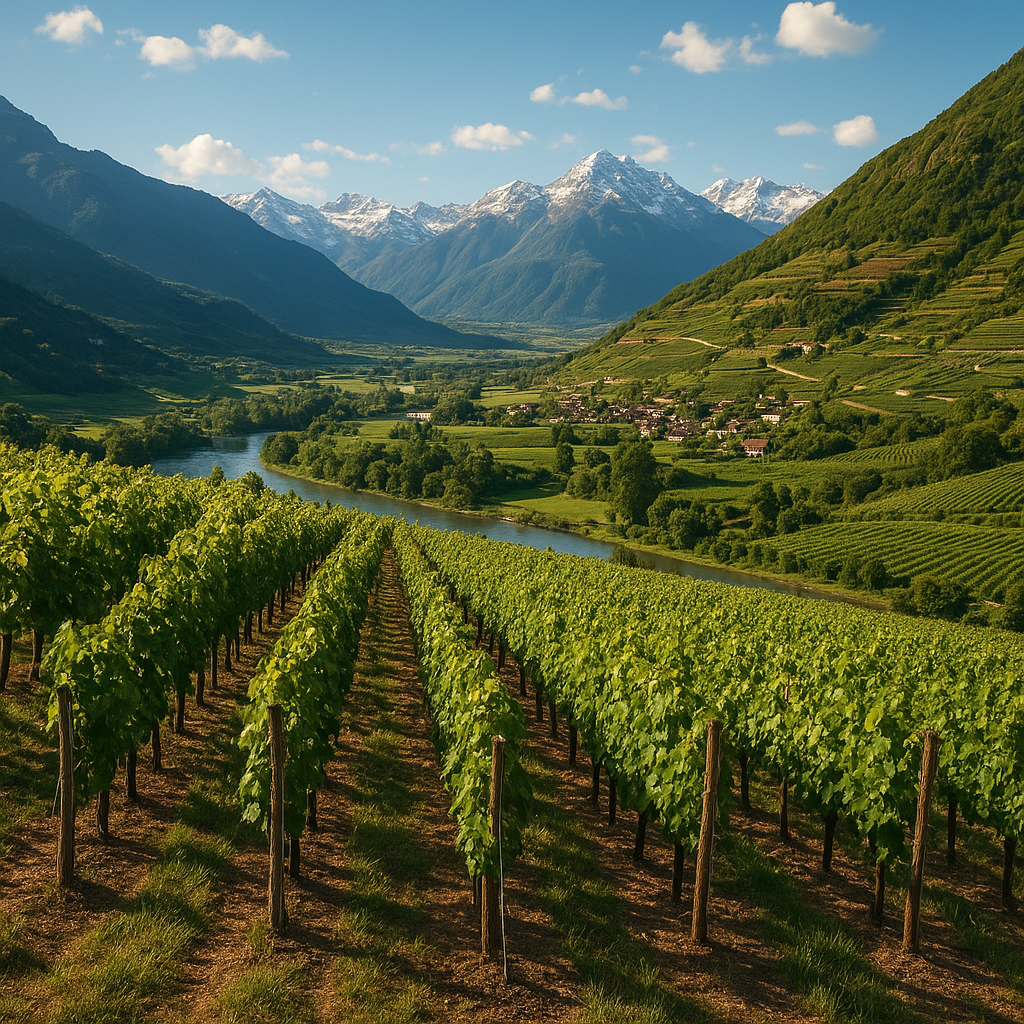
Switzerland’s Valais region stands out for its terraced idylls overlooking the Rhône River. Here, the petite Cornalin and Humagne Rouge offer robust reds with smoky undertones, while Heida and Petite Arvine yield vibrant whites with saline streaks reminiscent of mountain springs. Many of these vineyards lie in remote hamlets accessible only by winding roads or hiking trails. The rewards for adventurous travelers include sampling wines in centuries-old cellars hewn from sandstone or sharing a glass with local families in rustic mountain inns.
- Breganze Hills – Italy: Rare Igino and Torcolato specialty wines.
- Terre di Glaciares – Northern Savoie: Altitude vineyards above 800m.
- Valle di Cembra – Trentino: Vertical terraces of Müller-Thurgau and Nosiola.
Traditional Practices and Alpine Heritage
The Alpine regions’ heritage of viticulture stretches back to Roman times, but much of the current knowledge arises from medieval monks, local farmers, and mountain dwellers who learned through trial and error. Across villages, constellations of small parcels—often less than one hectare—belong to families who pass down vine-cuttings and techniques. The art of terracing harkens to ancient wisdom: low stone walls trap heat by day, radiate warmth at night, and safeguard against erosion and avalanches.
In many communities, winemaking remains a hands-on, artisan craft. Grapes are still harvested by hand on steep ladders and narrow ledges. Traditional foot treading or small presses gently extract juice, ensuring minimal phenolic bitterness. Fermentations often rely on indigenous yeasts, while aging typically occurs in old oak barrels or neutral casks to preserve freshness. Some vintners incorporate alpine herbs like thyme and juniper in maceration, lending distinctive herbal notes. These practices reflect a reverence for nature, an understanding of the terrain, and a refusal to industrialize processes that have endured for centuries.
Sustainable Tourism and Adventurous Tastings
Recent years have seen a growing emphasis on sustainability in these fragile ecosystems. Many vignerons adopt organic or biodynamic methods, believing that healthy soils and balanced vine growth produce the purest expression of mountainside grapes. Cover crops of clover and alpine grasses prevent soil depletion and encourage beneficial insects, while natural rock barriers reduce the need for artificial irrigation.
For travelers seeking authentic experiences, these regions offer more than just tastings. You can:
- Join a guided trek through vineyard slopes at dawn to witness the sunrise over snow-capped peaks.
- Stay in family-run guesthouses offering multi-course dinners paired with local vintages.
- Participate in grape harvesting festivals, where song and celebration accompany the harvest.
- Learn traditional barrel coopering at small workshops hidden in mountain hamlets.
Whether sipping a lusciously textured Fumin or a crystal-clear Petite Arvine, each glass encapsulates the fusion of altitude, sun, and centuries-old winemaking know-how. The biodiversity of these valleys—from wildflowers and bees to sparrows darting among vines—adds an ecological dimension to every sip. As visitors uncover these hidden oases, they become part of a continuum linking past generations to the future of mountain viticulture.