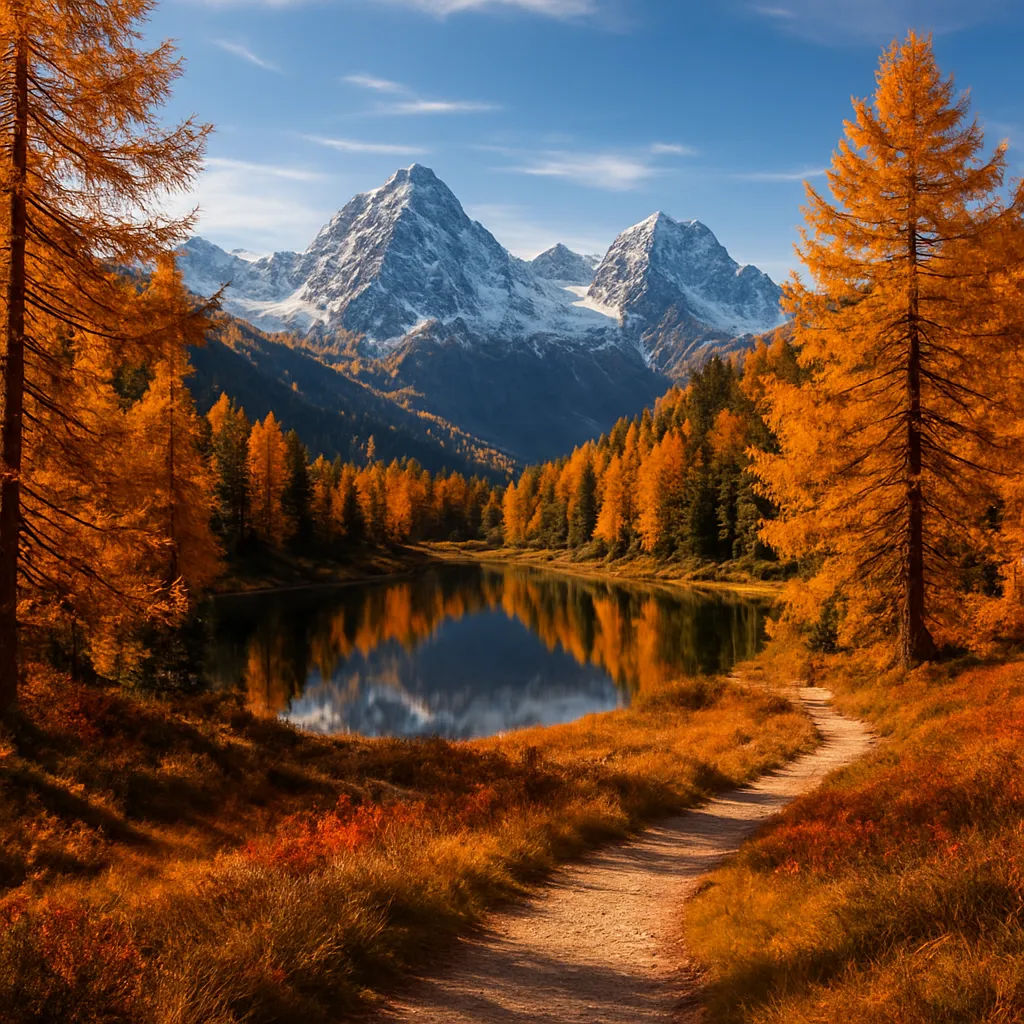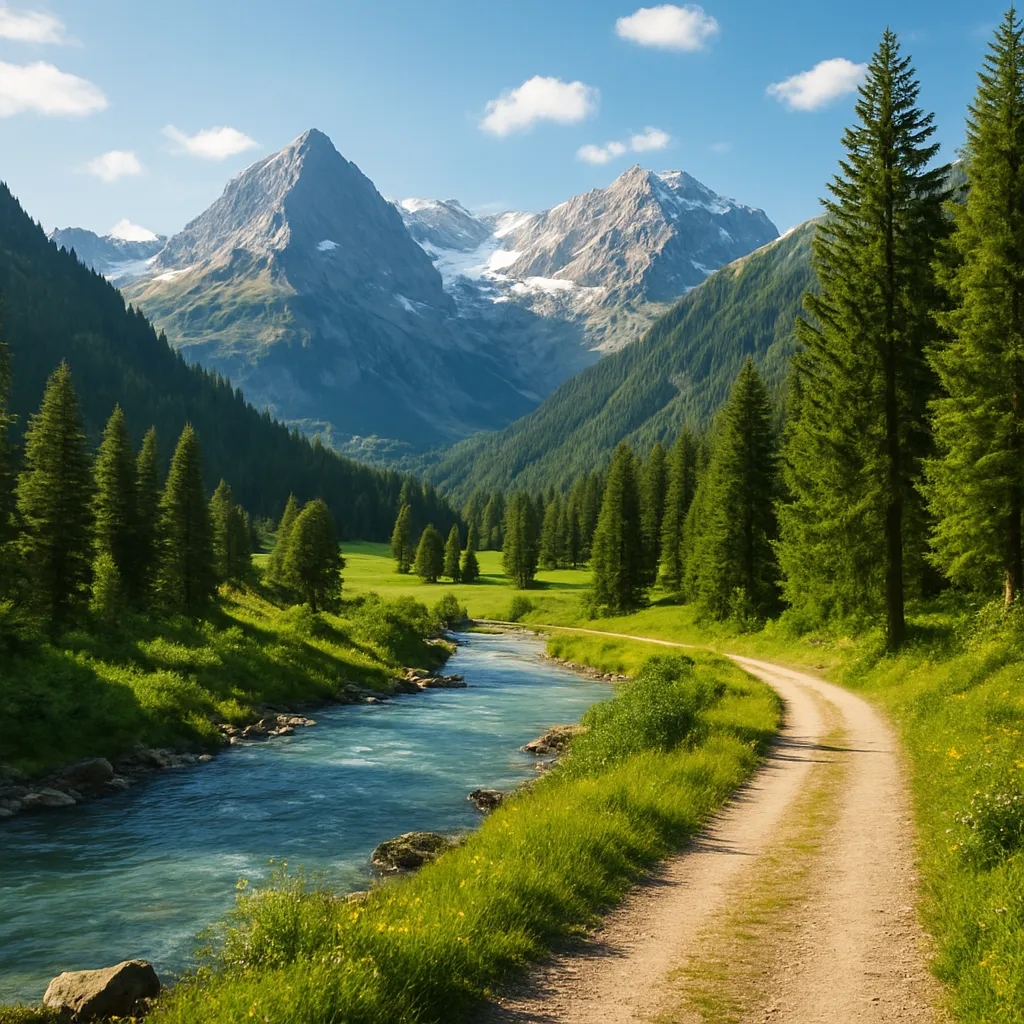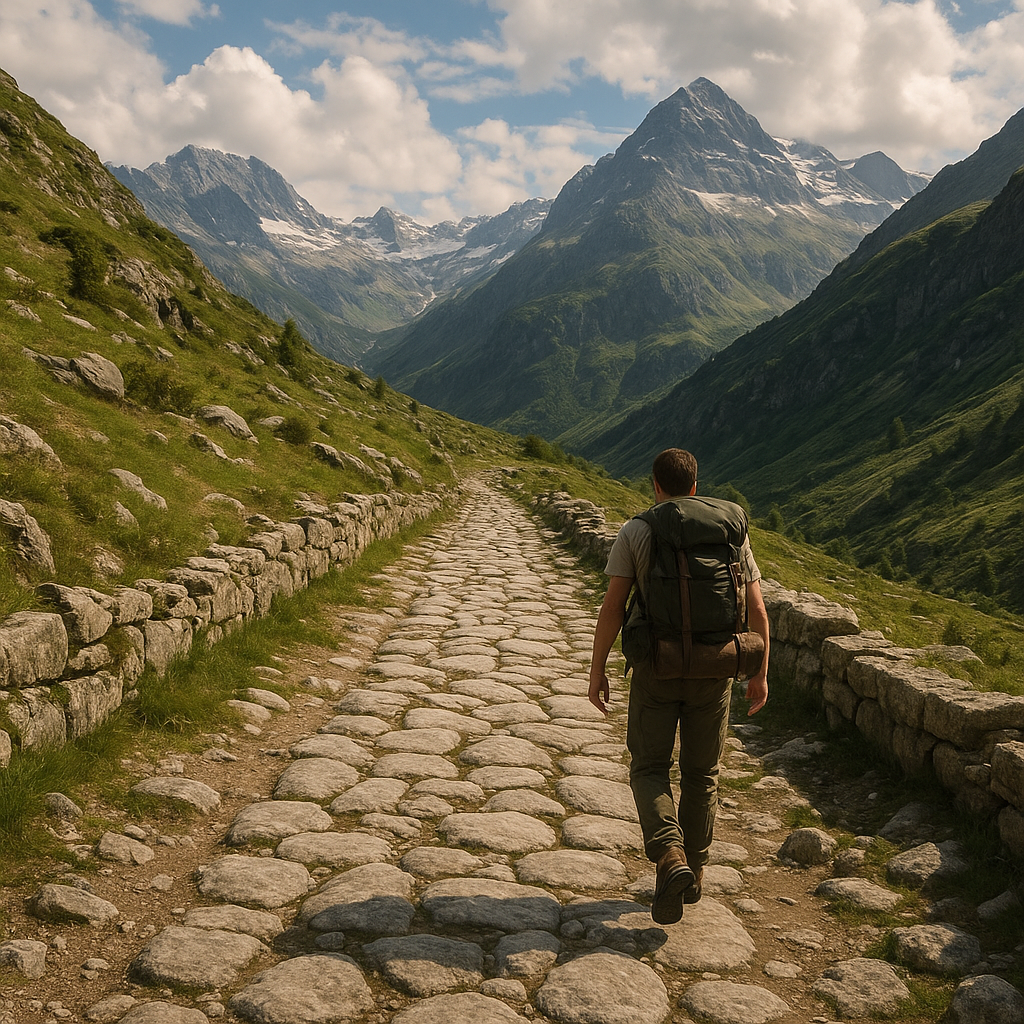
The Alps have long served as both a natural barrier and a conduit for cultures, armies, and merchants. This article delves into the ancient Roman passageways threading across these towering peaks, uncovering the strategic genius that forged durable roads, the archaeological traces left behind, and the enduring legacy of Roman engineering. Travelling from the plains of northern Italy to the heart of Gaul, Roman routes through the Alps shaped commerce, military campaigns, and the very expansion of the empire.
Geography and Strategic Importance
Stretching more than 1,200 kilometers from the Mediterranean to Austria, the Alps comprise multiple ridges, high passes, and deep valleys. The Romans recognized that controlling these natural choke points was essential for both military advantage and the movement of goods. Key factors included:
- Elevation: Many passes remain over 2,000 meters, demanding significant adaptation of construction techniques.
- Climate variability: Harsh winters and sudden storms required careful planning and maintenance schedules.
- Topography: Narrow gorges like the Brenner corridor offered natural routes but had to be widened and reinforced.
Roman generals such as Caesar and Augustus personally supervised survey teams, mapping out viable courses that balanced gradient, shelter, and water supply. Their surveys laid the groundwork for roads like the Via Claudia Augusta, which today still guides modern highways.
Key Roman Passes and Their Construction
Among the network of roads, several passes stood out for their scale and importance. Engineers combined stonework with timber structures to secure pathways:
Great St. Bernard Pass
- Altitude: Approximately 2,469 meters, one of the highest routes.
- Construction: Retaining walls built with cut stone; drainage culverts carved beneath the surface.
- Military use: Vital for securing campaigns into Gaul, housing small garrisons at intervals.
Col de Mont Cenis
- Engineering feat: Double-tiered terraces carved into granite slopes.
- Settlements: Mansiones (way-stations) established every 20–30 kilometers to quarter travelers.
- Commerce: Facilitated the flow of salt, wine, and olive oil between Italy and the western provinces.
In both cases, roadbeds were laid with a multi-layer technique: a foundation of large stones, a middle layer of gravel, and a top surface of polygonal slabs. Stone arches and causeways spanned seasonal streams, while snow galleries protected pathways from avalanches.
Military Campaigns and Economic Impact
Roman legions used Alpine roads not only to move troops but also to project power deep into Central Europe. Key campaigns included:
- Gallic Wars: Caesar’s crossing of the Alps in 58–50 BCE employed Alpine routes to surprise tribes beyond the Rhône.
- Claudius’s Gaulish campaigns: Consolidated frontier control by expanding road networks eastward.
- Pannonian campaigns: Allowed the rapid deployment of legions against tribal uprisings north of the Danube.
On the economic front, Alpine roads spawned vibrant trade systems. Caravans of mules and pack oxen delivered metals from the Alps’ mineral-rich valleys. Inns and markets emerged at junctions, fostering local prosperity. Scholars estimate that Roman merchants moved over 200 tons of goods annually through these routes by the 2nd century CE.
Legacy and Archaeological Discoveries
Excavations along former Roman highways continue to reveal milestones, drainage culverts, and remnants of service stations named “mutationes” and “mansiones.” Notable finds include:
- Milestones engraved with the name of emperors, offering precise dating evidence.
- Stone workshops at La Turbie (France), where decorative reliefs once adorned monumental arches.
- Inscriptions honouring engineers and local officials who commissioned road repairs.
Modern archaeological methods such as LiDAR scanning have uncovered buried sections of road beneath sediment and forest floor. These discoveries highlight the infrastructure’s resilience and provide data for reconstructing original alignments.
Modern Pathways and Preservation Efforts
Many ancient tracks have been repurposed as hiking trails, cycling routes, and even parts of the European long-distance paths (E-paths). Enthusiasts can follow in the footsteps of legionaries on graded trails, encountering Roman bridges and fortified waystations. Key projects include:
- Transalpine Heritage Route: A marked trail tracing Via Claudia Augusta from Donauwörth (Germany) to Ostiglia (Italy).
- St. Bernard Trail Restoration: Collaborative efforts between Swiss and Italian authorities to preserve Alpine monuments.
- UNESCO nominations: Proposals to recognize sections of the Alpine roads as part of the World Heritage List.
Ongoing conservation campaigns employ traditional stonemasonry to repair collapsed parapets and protect ancient pavements from erosion. Digital archives document each milestone and culvert, ensuring that future generations appreciate the Roman legacy in these majestic mountains.
Cultural Influence and Tourism
The story of Roman endeavors in the Alps resonates beyond archaeology. Romantic painters of the 18th and 19th centuries depicted Alpine passes spanned by colossal arches, symbolizing man’s triumph over nature. Today’s travelers can explore museums showcasing artifacts recovered from alpine tunnels and roadworks. Tourist initiatives emphasize:
- Interactive exhibits featuring 3D reconstructions of Roman carriage traffic at Brig and Aosta.
- Pilgrimage routes that overlay medieval and Roman paths, merging spiritual and historical narratives.
- Annual festivals celebrating the opening of high passes, complete with reenactments of Roman convoys.
By blending archaeology, recreation, and cultural storytelling, the Alpine routes maintain their relevance, bridging past and present through stone, sweat, and endurance.