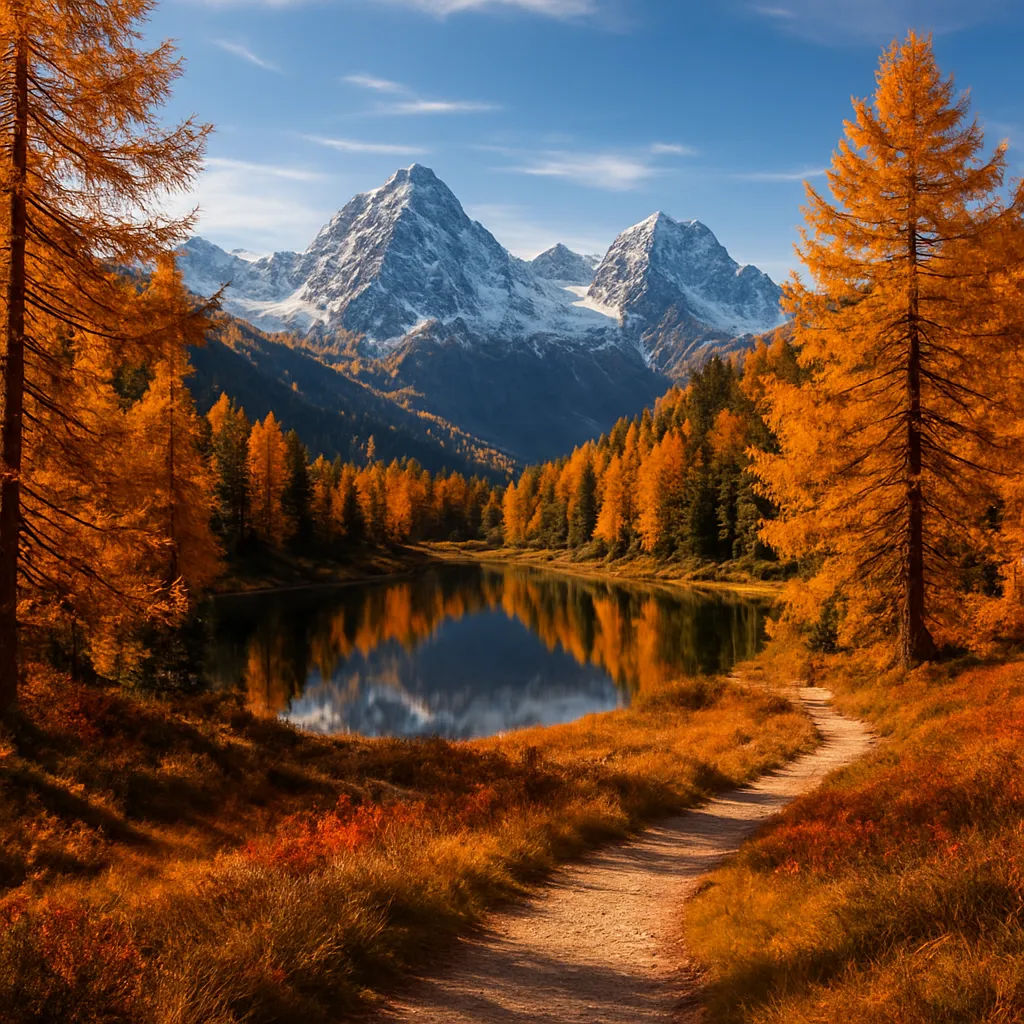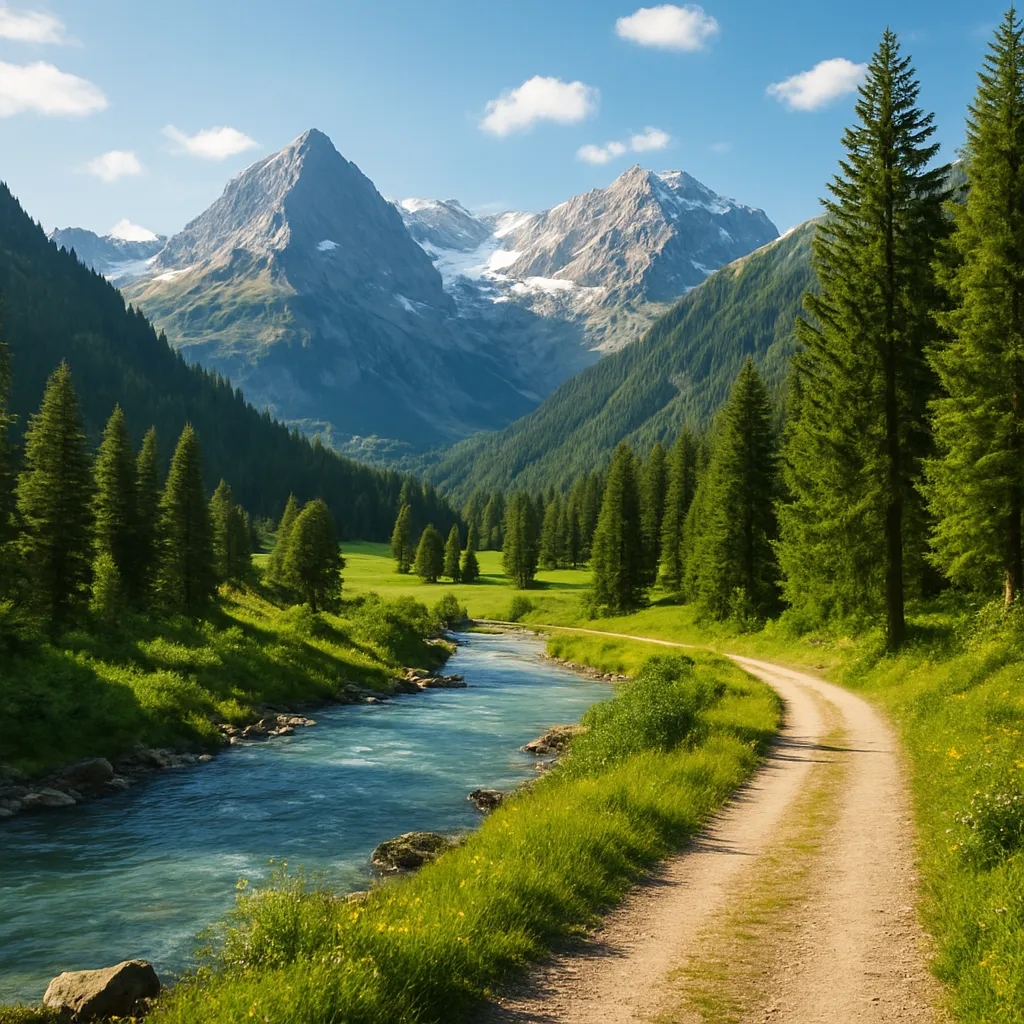
High in the snow-capped peaks of the Alps, hidden among verdant slopes and crystal-clear streams, lie villages where centuries-old artistic and handicraft traditions continue to thrive. From the delicate patterns of wooden chalets to the vibrant frescoes adorning chapel walls, the creative spirit of mountain communities remains as resilient as the rugged terrain they call home. This article delves into the heart of Alpine artistry, uncovering the techniques, materials, and cultural narratives that make these crafts so unique and cherished.
Artistic Traditions Woven by Mountain Communities
Alpine villages have long been celebrated for their distinctive visual language. Artisans draw inspiration from the surrounding environment—pine forests, icy peaks, and pastoral meadows—to produce works that mirror the rhythms of seasonal life. The result is a tapestry of motifs and styles rooted in local heritage, passed down through generations of families dedicated to preserving their ancestral tradition.
Frescoes and Religious Imagery
Chapels and village churches are often the focal point of communal identity. Inside these sacred spaces, walls and ceilings come alive with hand-painted scenes reflecting both sacred stories and rural customs. Common elements include:
- Saints depicted alongside alpine flora and fauna
- Scenes of harvest festivals integrated with biblical narratives
- Elaborate borders featuring Edelweiss, Alpine roses, and geometric patterns
These frescoes not only serve as places of worship but also act as visual records of local beliefs and social gatherings. Each brushstroke is a testament to the artist’s craftsmanship and unwavering devotion.
Wood Carving: From Functional to Decorative
Wood carving is perhaps the most iconic form of handicraft in Alpine hamlets. Whether transforming sturdy fir and larch into intricately carved panels or sculpting life-size statues of patron saints, artisans employ a range of techniques:
- Relief carving for ornate door and window frames
- Chip carving to create decorative motifs on furniture
- Whittling for smaller figurines and kitchen utensils
The natural grain of Alpine timber lends warmth and texture to each piece. In carving studios tucked away in village alleys, the air is thick with the scent of fresh wood and the steady rhythm of chisels shaping raw logs into symbols of local identity.
Techniques and Materials Shaping Alpine Handicrafts
The essence of Alpine handicrafts lies in the careful selection and transformation of raw materials. From sheep’s wool to stone quarried from nearby hills, every resource is chosen for its quality, durability, and cultural resonance.
Textiles: Weaving Stories into Wool and Linen
Wool from mountain sheep and locally grown flax provides the foundation for a rich textile tradition. Spinning, dyeing, and weaving techniques remain remarkably intricate:
- Hand-spinning wool into yarn that retains natural oils for warmth and water resistance
- Natural dyes extracted from alpine flowers and tree bark, yielding deep reds, greens, and ochres
- Traditional loom patterns featuring diamonds, crosses, and stylized edelweiss
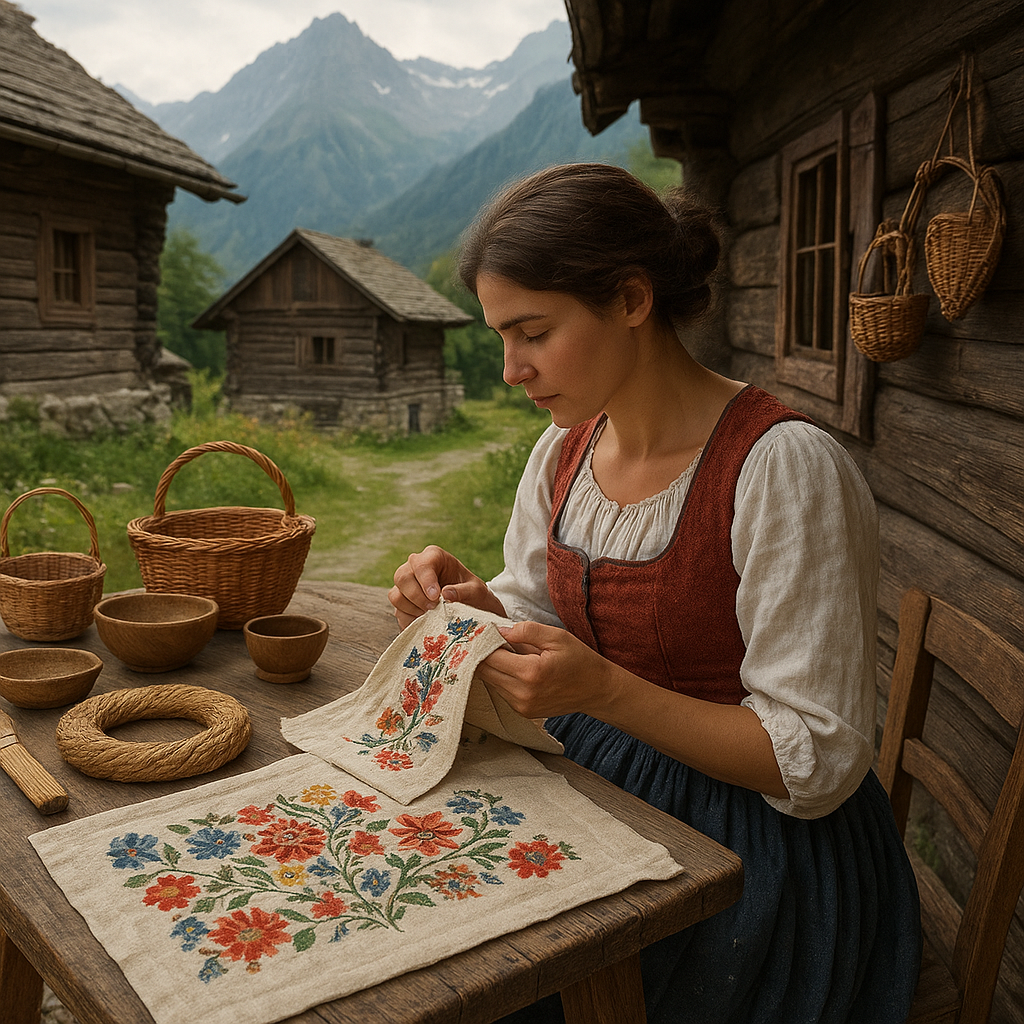
Textile workshops often occupy the ground floors of old farmhouses, where the steady hum of the loom echoes alongside crackling fireplaces. Products range from practical winter garments to richly embroidered table linens, each item embodying the cultural narrative of the region.
Ceramics and Pottery: Earthen Vessels with Alpine Flair
In valleys with abundant clay deposits, potters have shaped durable ceramics for domestic and ceremonial use. Typical designs include:
- Decorative plates painted with mountain scenes
- Steins and mugs adorned with rustic motifs
- Flower pots featuring stylized pine trees and goats
Pottery studios fire their creations in wood-fired kilns, imparting a distinctive smoky finish. This process underscores the connection between the artisan and the natural environment, where every piece reflects both functionality and aesthetic grace.
Symbols and Meanings in Local Art
Beyond mere decoration, Alpine crafts carry deep symbolic weight. Artisans embed layers of meaning into their work, transforming everyday objects into carriers of collective memory and identity.
Floral Motifs and Seasonal Cycles
Flowers such as Edelweiss, Alpine primrose, and gentian feature prominently across various mediums. Each bloom signifies aspects of mountain life:
- Edelweiss: Resilience and purity in harsh conditions
- Primrose: the renewal of spring after long winters
- Gentian: healing and protection, often used in folk remedies
By incorporating these motifs, artisans celebrate the cyclical nature of the mountain ecosystem and express gratitude for its seasonal gifts.
Animal Figures and Folklore
Wooden figurines of ibex, chamois, and domestic livestock serve both decorative and talismanic functions. According to local beliefs:
- The ibex represents agility and steep-peak navigation
- Chamois embodies community harmony and resourcefulness
- Cows and goats signify abundance and familial prosperity
These figures often appear in nativity scenes, carnival masks, and children’s toys, weaving folklore into everyday life and reinforcing a shared sense of place.
Contemporary Revival and Challenges
While Alpine handicrafts have experienced a surge in popularity among tourists seeking authentic souvenirs, modern pressures threaten these age-old practices. Globalization, urban migration, and economic shifts pose real risks to the survival of local craftsmanship.
Balancing Tradition with Innovation
To remain viable, many artisans experiment with new designs and collaborative projects:
- Fusion of traditional wood carving with contemporary furniture design
- Eco-friendly textile lines using organic dyes and sustainable fibers
- Online platforms enabling direct sales to global customers
These efforts maintain the spirit of Alpine craftsmanship while embracing modern market demands. Workshops host residency programs where international designers partner with local masters, resulting in products that bridge past and present.
Educational Initiatives and Cultural Preservation
Community organizations and municipal governments have launched schemes to safeguard heritage skills. Initiatives include:
- Apprenticeship programs pairing young enthusiasts with veteran artisans
- Workshops and festivals showcasing live demonstrations
- Exhibition spaces dedicated to preserving historic tools and techniques
By investing in education and public engagement, Alpine villages strive to ensure that the artisan legacy continues to enrich future generations.
As visitors ascend gravel paths and pass beneath carved wooden eaves, they step into a world where art and daily life intertwine. The vibrant handicrafts of Alpine communities speak of preservation, innovation, and a profound respect for nature. In every chiseled pattern and handwoven fabric, one can trace the contours of mountain stories—stories of survival, celebration, and a timeless bond between people and the peaks that shape their destiny.