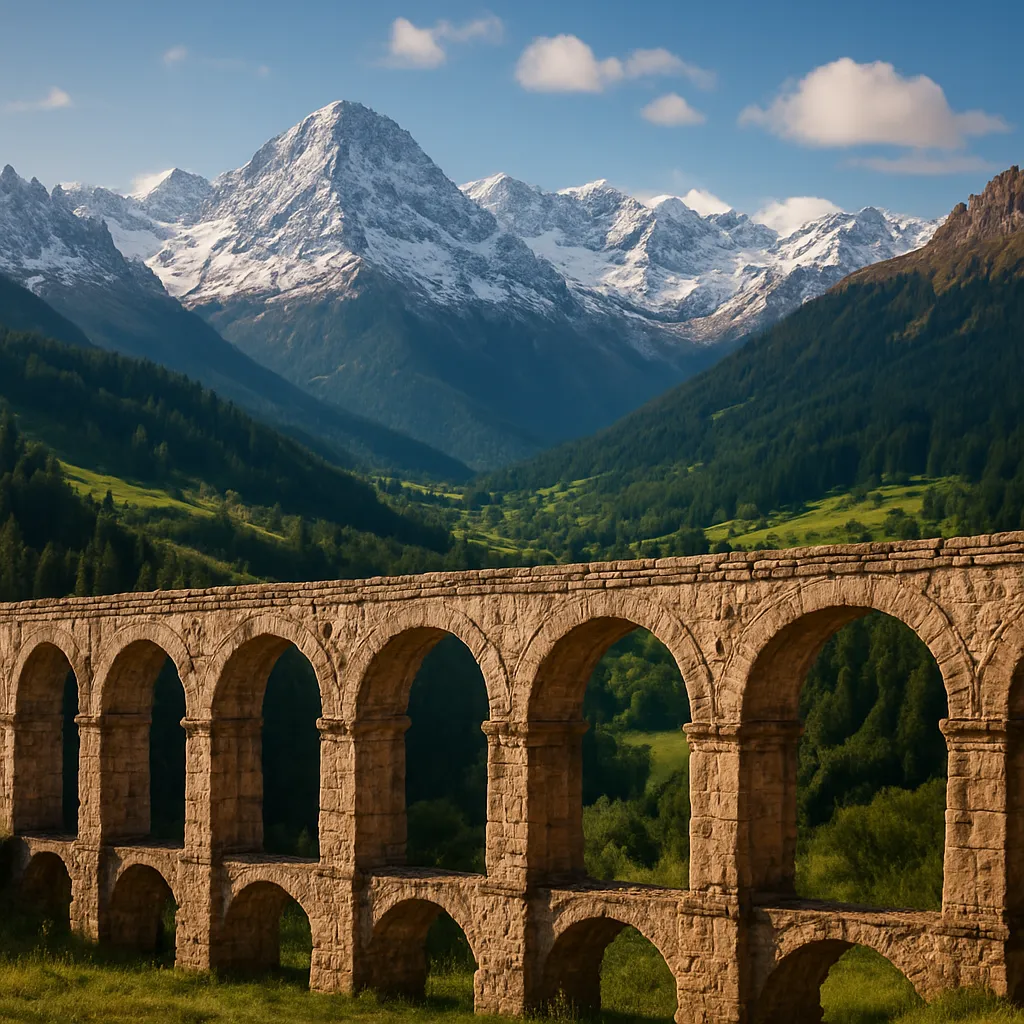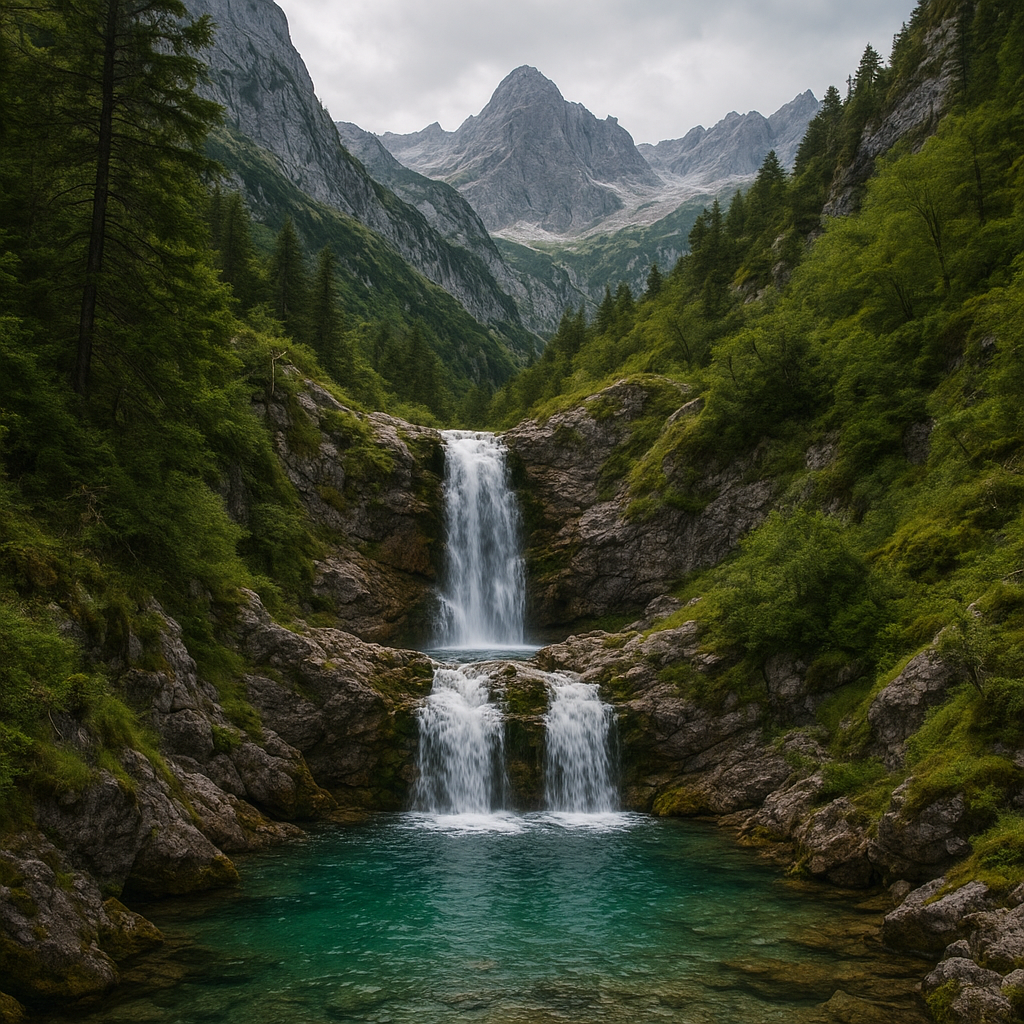
The Alpine region, stretching across multiple European countries, hides an astonishing network of waterfalls that remain largely undiscovered by mainstream tourism. These cascading jewels, often tucked away in remote valleys and high-altitude meadows, offer an experience of pure tranquility and natural wonder. As you venture deeper into the mountains, you encounter roaring cascades fed by melting glaciers, serene drops framed by lush vegetation, and mist-shrouded cliffs echoing with the sound of rushing water. This exploration will immerse you in the biodiversity and geological history that shape these spectacular features.
Remote Cascades and Secluded Valleys
Many of the Alpine waterfalls lie off the beaten path, accessible only via winding trails or challenging climbs. The sense of exploration is heightened when you find yourself standing before a hidden cascade, listening to its thunderous roar as it plunges hundreds of meters into a crystal-clear pool. Among these, some of the most enchanting include:
- Rofflaschlucht Gorge Falls (Switzerland) – Tucked within a narrow canyon, visitors follow a carved pathway that opens onto a view of water thundering through jagged rocks.
- Bridal Veil Waterfall (Austria) – Shrouded in mist and greenery, this curtain-like waterfall lives up to its name, offering a romantic setting at dawn and dusk.
- Gavarnie Falls (France) – One of Europe’s highest continuous waterfalls, cascading from an elevation of over 420 meters in the Cirque de Gavarnie.
These sites can be reached by multi-day treks or shorter day hikes, but many demand a high level of perseverance and respect for unpredictable Alpine weather. Rockfalls and sudden snowmelt can transform a gentle trickle into a raging torrent in a matter of hours, underlining the resilience of the mountain ecosystem and the importance of careful planning.
Geological Wonders and Formation Processes
The origin of Alpine waterfalls is deeply intertwined with the region’s dynamic geological past. Over millions of years, tectonic uplift created towering peaks while glaciers carved deep valleys and steep cirques. When these massive ice bodies finally retreated, they left behind hanging valleys—perfect birthplaces for many of the most dramatic waterfalls.
Glacial Erosion and Hanging Valleys
During the height of the last Ice Age, thick ice sheets ground down softer rock formations, leaving behind U-shaped valleys. Tributary glaciers that once fed into larger ice streams were not as powerful, so when the ice melted, their valleys remained perched high above the main valley floor. Water from melting snow and rain now cascades over these ledges, forming spectacular waterfalls that plunge into the valleys below.
Rock Composition and Waterfall Profiles
Different rock layers contribute to varying waterfall shapes and behaviors. Harder, erosion-resistant strata, such as granite or limestone, create sharp cliffs with vertical drops. Softer sedimentary rocks, including shale or sandstone, erode more quickly, resulting in stepped or tiered waterfalls. The contrast between rock types often forms dramatic shelves where water fans out, creating multi-tiered cascades that glisten like crystal veils, reflecting sunlight in thousands of droplets.
Cultural Significance and Local Legends
Throughout Alpine communities, waterfalls have long been sources of fascination and inspiration. Folk tales and legends often attribute mystical powers to these flowing waters, weaving them into the cultural heritage of mountain villages. From protective spirits to tales of tragic romance, the stories add a layer of enchantment to every visit.
- The Guardian of the Falls (Switzerland) – According to local lore, a benevolent spirit watches over a hidden waterfall, granting safety to honest travelers but misleading those with ill intent.
- The Lovers’ Leap (Italy) – A heartbreaking legend tells of two star-crossed lovers who, forbidden from uniting, leapt together from a cliff, their souls said to merge in the waterfall’s spray each full moon.
- The Healing Waters (France) – Villagers believe that water from certain cascades possesses restorative qualities, and pilgrims once journeyed on foot to collect vials of the pristine flow for healing rituals.
These legends not only enrich the visitor’s imagination but also underscore the deep respect Alpine people have always held for the powerful forces of nature. Many waterfalls remain protected sites, where traditional festivals and ceremonies celebrate the life-giving properties of water, reinforcing community bonds and environmental stewardship.
Practical Tips for Adventurers
Exploring hidden Alpine waterfalls requires preparation and a spirit of adventure. Here are essential guidelines to ensure a safe and rewarding journey:
- Navigation and Planning: Study topographic maps and trail guides. Some cascades are located beyond official paths, demanding GPS devices or local guide expertise to avoid getting lost in rugged terrain.
- Weather Awareness: Alpine weather can shift rapidly. Carry layered clothing, waterproof gear, and emergency shelter in case of sudden storms or temperature drops.
- Environmental Respect: Stick to marked trails where possible. Avoid disturbing native flora and fauna; Alpine ecosystems are fragile, and off-trail excursions can cause long-lasting damage to plant roots and soil structure.
- Water Safety: Viewing platforms near powerful falls may be slippery. Maintain a safe distance from edges, and never attempt to swim directly beneath large cascades where currents can be dangerously strong.
- Local Regulations: Many waterfalls fall under conservation laws. Obtain necessary permits for trekking or camping in protected areas and follow all posted rules regarding waste disposal and campfires.
By following these guidelines, adventurers can savor the breathtaking beauty of Alpine waterfalls without compromising personal safety or environmental integrity. Each hidden cascade you discover will leave an indelible imprint, etched in memory long after the journey ends.