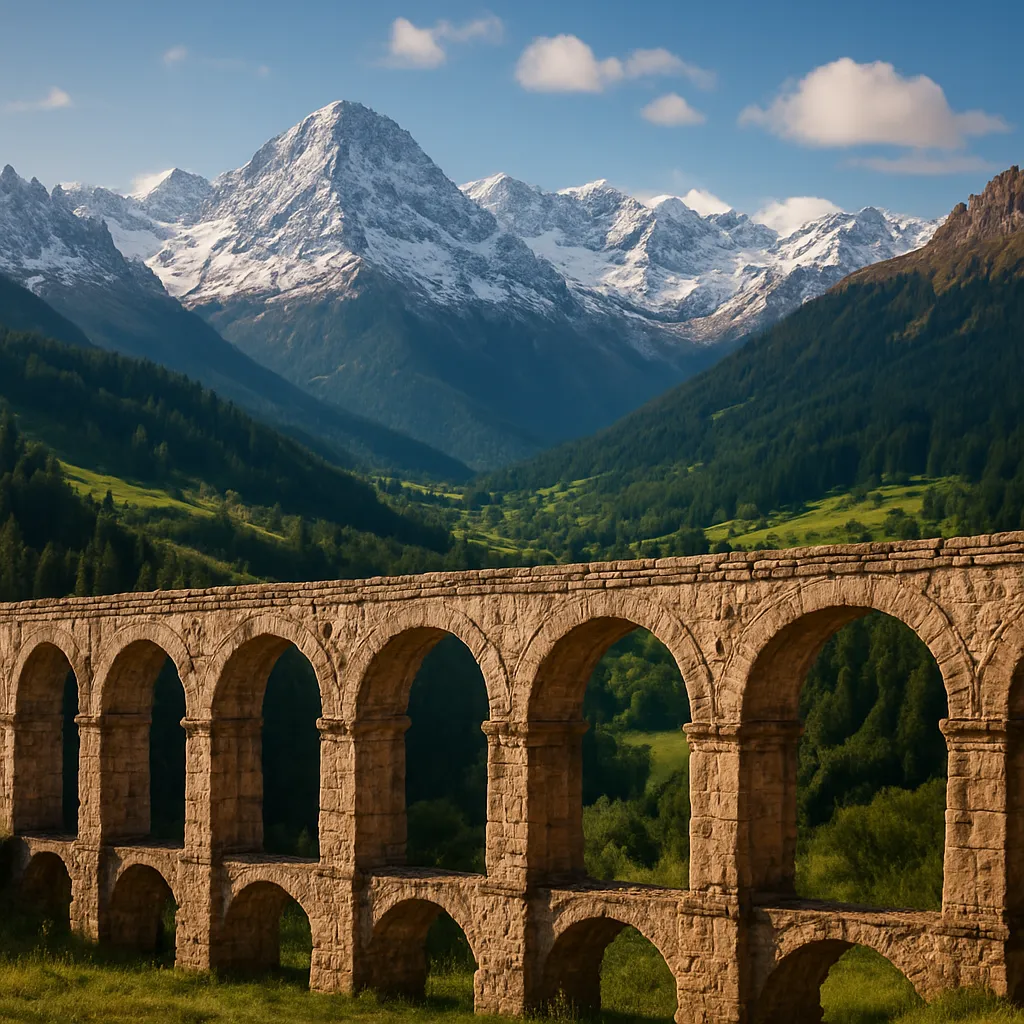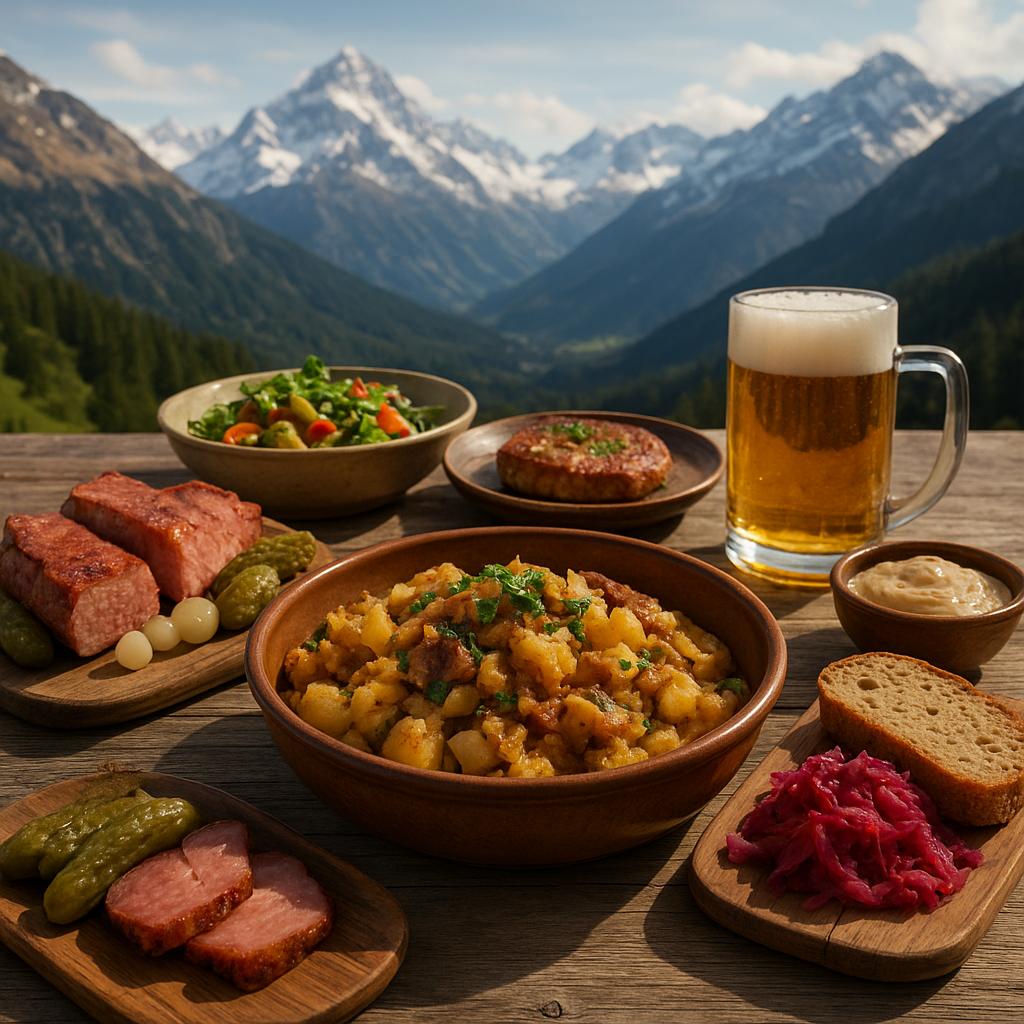
The soaring peaks of the Alps offer more than breathtaking views and exhilarating winter sports. Nestled within these majestic mountains lies a world of rich culinary heritage, shaped by centuries of rural life, harsh climates, and ingenious preservation techniques. From alpine pastures where cows roam freely to centuries-old mountain huts high above the tree line, every ingredient tells a story of survival and community. This journey into the heart of Alpine cuisine will introduce you to iconic dishes, local traditions, and the sustainable farming practices that give these flavors their unique depth.
Alpine Landscapes and Cultural Tapestry
The Alps stretch across eight European countries, creating a vast network of valleys, peaks, and plateaus. These diverse regions share common agricultural methods but offer distinct cultural nuances. Shepherds in the French Alps, dairy farmers in Switzerland, and vintners on the Italian slopes all contribute to a mosaic of traditions and tastes.
- Terrain Influence: Steep slopes favor grazing livestock over large-scale crops, making dairy products the backbone of local cuisine.
- Cultural Exchange: Trade routes through mountain passes carried spices, grains, and recipes between north and south, enriching regional dishes.
- Architectural Heritage: Wooden chalets and stone barns not only offer shelter but also serve as aging cellars for cheese and cured meats.
Visiting a traditional farm in Tyrol or a family-run dairy in Bavaria reveals the deep bond between people and land. Alpine communities have long relied on the art of preservation—drying, smoking, fermenting—to ensure food security during long winters.
Traditional Food in Alpine Villages
Alpine villages revolve around communal meal times where hearty portions of cheese, bread, and meat provide the energy needed for mountain work. Early morning milking, hay gathering, and winter wood-chopping all demand substantial nourishment.
- Alpine Dairy: Cows, goats, and sheep graze on wildflowers and aromatic herbs. Their milk yields rich, flavorful cheeses like Gruyère, Beaufort, and Fontina.
- Grain Staples: Barley, rye, and buckwheat grow in high-altitude fields. Polenta and savory porridges often accompany cheese and stews.
- Foraged Delights: Edible mushrooms, berries, and alpine herbs are collected during short summers, imparting distinctive aromas to sauces and butters.
In many mountain hamlets, a midday break known as the “alpine lunch” gathers farmers at a central hut. Here, plates of mixed cheeses and cold cuts share space with steaming bowls of soup, while locals exchange news and lore.
Must-Try Alpine Specialties
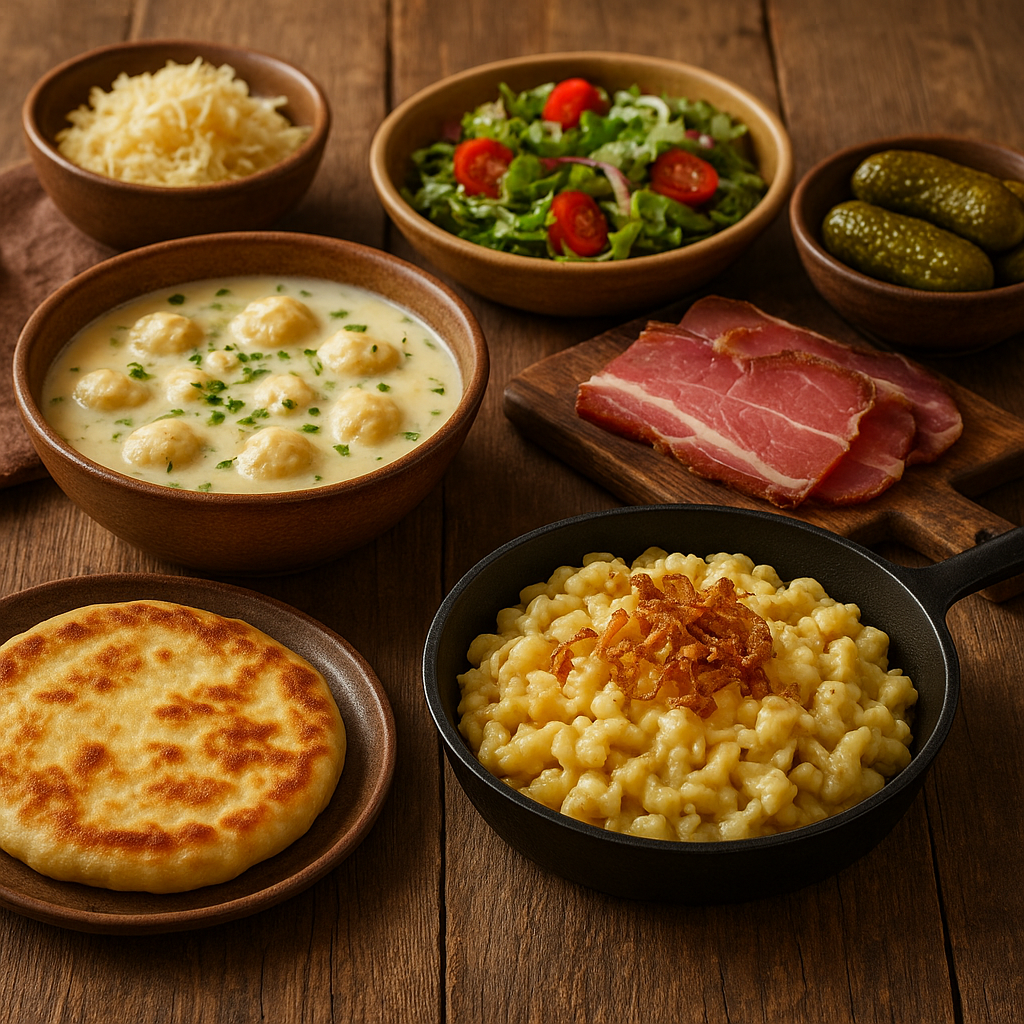
The Alps are a treasure trove of flavors. Below are some iconic dishes every traveler should sample.
- Raclette: Melted cheese scraped over boiled potatoes, pickles, and cured meats. Originating in Switzerland, raclette is both a communal feast and a comforting alpine staple.
- Fondue: A blend of melted Gruyère and Emmental cheese, accompanied by cubes of bread. Fondue has become synonymous with Swiss mountain hospitality.
- Polenta Taragna: A mix of buckwheat and cornmeal, enriched with butter and local cheese. Savory and filling, it reflects the Italian-speaking regions of the Alps.
- Speck: Lightly smoked and cured ham from South Tyrol, perfect for thin slices atop rustic bread or as part of a charcuterie board.
- Schlutzkrapfen: Half-moon dumplings filled with spinach and ricotta, often dusted with grated cheese and served with brown butter.
- Gröstl: Pan-fried potatoes, onions, and pork or beef bits, topped with a sunny-side-up egg. A rustic dish that revives leftover meats in a flavorful way.
- Bündner Nusstorte: A walnut-filled pastry tart from the Swiss canton of Graubünden. Its sweet, crunchy filling contrasts with a buttery crust.
- Tirtlan: Deep-fried pockets filled with sauerkraut or potatoes, typical of the Dolomite region.
Sampling these specialties amid alpine vistas adds a sensory dimension to the experience. Alpine eateries often pair these dishes with locally-sourced wines, craft beers, or herbal infusions, enhancing regional authenticity.
Festivals, Culinary Rituals, and Alpine Celebrations
Celebrations in the Alps often center around harvests, transhumance (seasonal livestock movement), and religious feasts. Each event highlights the strong link between community and the agricultural cycle.
- Almabtrieb: In autumn, herds descend from high pastures decked in flower garlands. Town festivals feature music, dance, and feasts showcasing summer’s cheese production.
- Cheese Markets: Regular markets in towns like Gruyères and Brixen allow farmers to display their artisanal products. Visitors can taste fresh alpine cheeses aged in mountain caves.
- Herb Gatherings: Locals forage wild medicinal and culinary herbs, turning them into teas, oils, and condiments. Workshops teach sustainable harvesting techniques.
These gatherings reinforce cultural identity while drawing culinary enthusiasts from around the globe. Hearing yodelers echo across a valley as villagers dine on raclette under twinkling lights is a scene that lingers long after the trip ends.
Sustainability and Alpine Agriculture
The rugged Alpine environment demands careful stewardship. Modern challenges—climate change, tourism pressure, and market demands—have prompted innovative responses to preserve mountain ecosystems and culinary sustainability.
- Organic Farming: Many alpine farmers follow organic practices, avoiding pesticides and synthetic fertilizers. This protects water quality in streams and maintains biodiversity.
- Pasture Rotation: Moving herds between elevations prevents overgrazing, allows vegetation recovery, and increases soil health.
- Artisanal Production: Small-scale dairies and bakeries emphasize quality over quantity. They often use heritage breeds and heirloom cereals.
- Farm-to-Table Movement: Mountain resorts partner with local producers to create menus that emphasize regional dishes and ingredients, reducing carbon footprints.
Initiatives such as alpine cooperatives and community-supported agriculture ensure that economic benefits remain within mountain regions, encouraging younger generations to stay and continue traditional craftsmanship.
The Future of Alpine Gastronomy
Innovation and tradition converge in Alpine kitchens. Chef-run huts high above the valleys experiment with modern techniques—smoking cheeses with aromatic woods, infusing spirits with wild herbs, and crafting gourmet twists on classic dishes. Yet, respect for time-honored methods remains paramount, ensuring each bite resonates with the Alpine soul.
- Pop-up dining events on glaciers and mountaintops, blending extreme adventure with culinary artistry.
- Collaborations between international chefs and local artisans to reinterpret classic specialties.
- Educational programs in mountain schools teaching sustainable farming and cheese-making skills.
As you traverse winding trails and sip cocoa in a rustic chalet, remember that every dish reflects a landscape shaped by farmers, cheesemakers, and foragers working in harmony with nature. Discovering traditional Alpine food is more than a gastronomic pursuit—it’s a journey through history, environment, and the enduring human spirit.