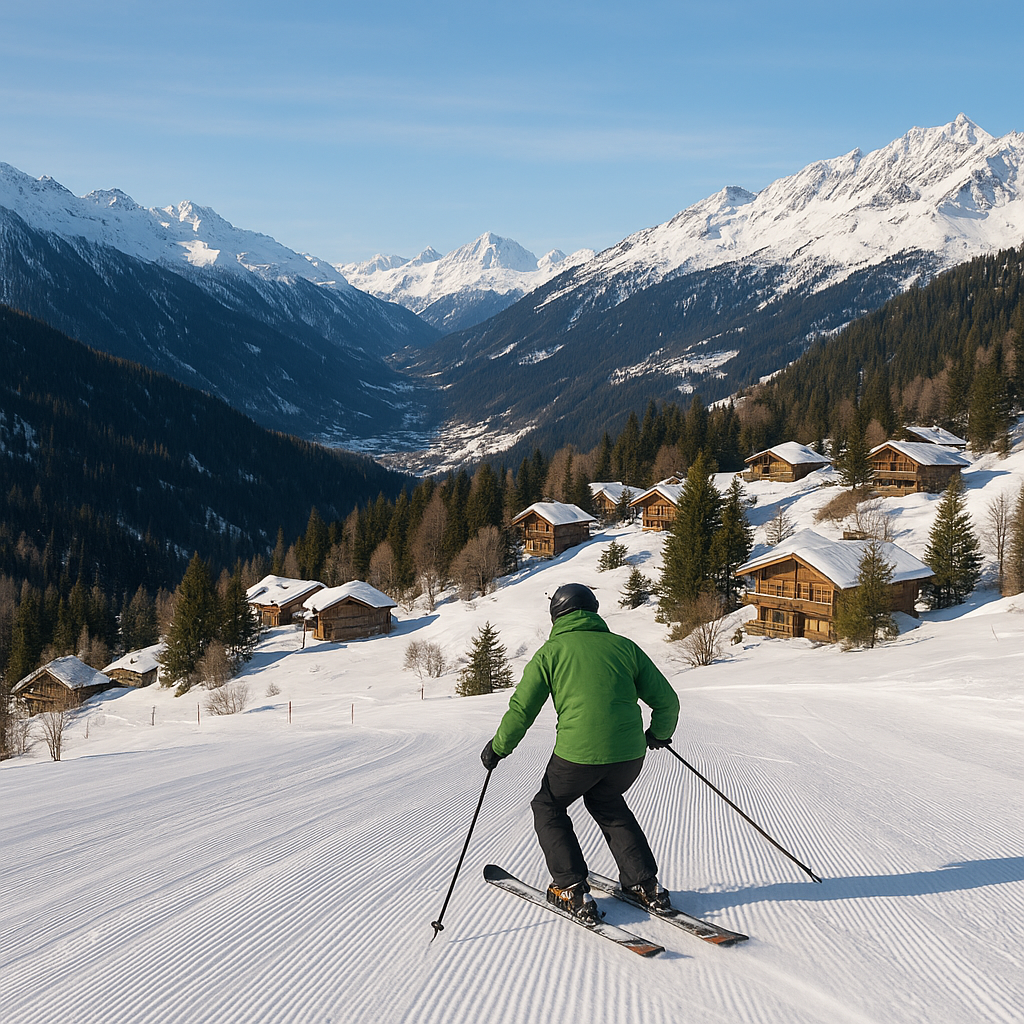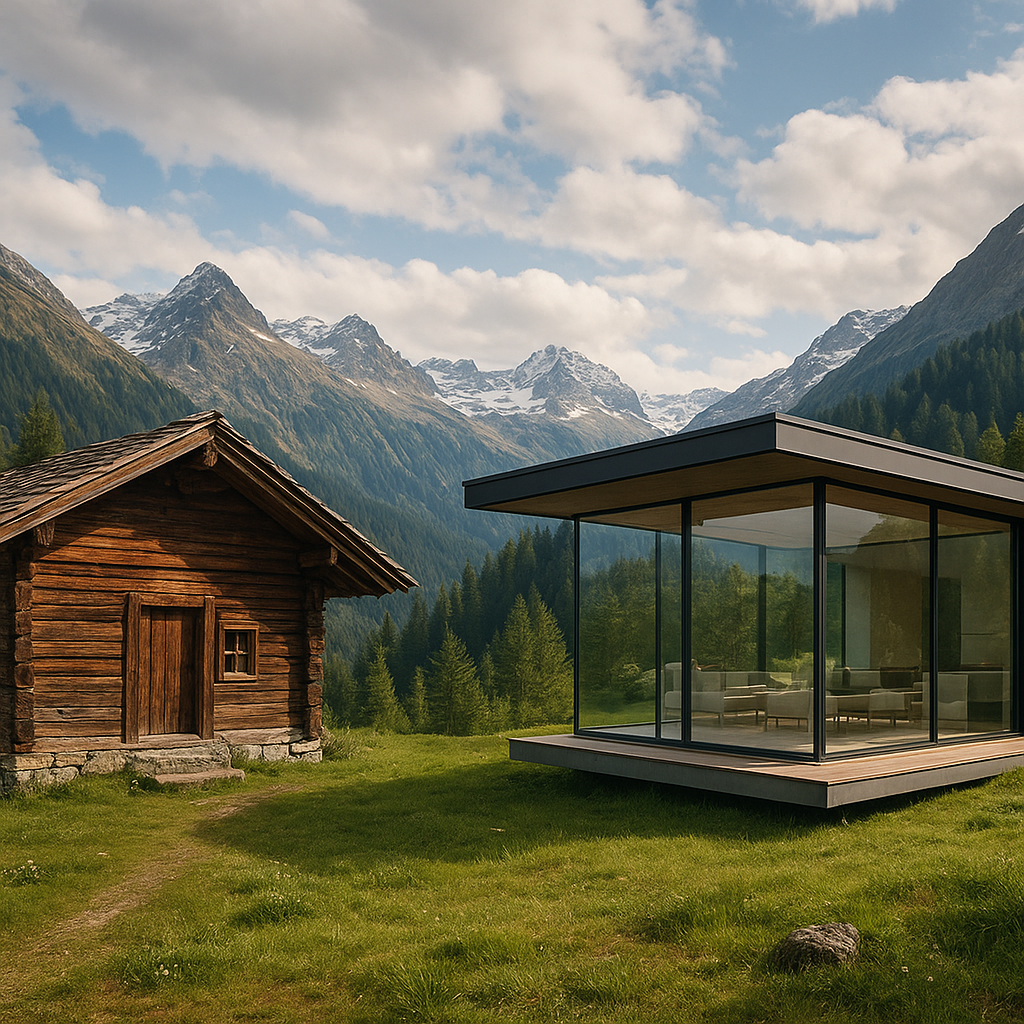
Nestled among soaring peaks and plunging valleys, the Alpine region reveals a tapestry of architectural marvels shaped by centuries of human ingenuity and the formidable forces of nature. From sturdy wooden chalets perched on steep slopes to daring modern glass structures reflecting snow-capped summits, the story of Alpine buildings is one of adaptation, innovation, and enduring cultural identity. This exploration delves into the evolution of mountain dwellings, examining the interplay between environment, community, and design that continues to inspire architects worldwide.
Traditional Alpine Dwellings: Foundations of Craftsmanship
The **Alpine** journey begins with humble yet resilient wooden cabins known as chalets. Originating in the Swiss and French Alps, these structures emerged as seasonal homes for dairy herders who sought refuge from harsh winter storms. Built predominantly of locally sourced spruce and fir, chalets embody a synthesis of **craftsmanship** and practicality.
Materials and Techniques
- Timber Joinery: Craftsmen relied on hand-hewn beams and mortise-and-tenon joints to withstand heavy snow loads and high winds.
- Stone Foundations: Granite or limestone footings provided stability on uneven terrain, elevating wooden walls above ground moisture.
- Overhanging Roofs: Generous eaves kept rain and snow away from facades, while steep pitches ensured quick snow shedding.
These early structures prioritized durability and warmth. Thick, overlapping log walls retained heat, while small shuttered windows minimized drafts. Inside, a central hearth not only served as the heart of domestic life but also distributed warmth throughout the cabin. This synergy of form and function exemplified the **heritage** that shapes Alpine architecture to this day.
Stone and Synthesis: Vernacular to Monumental
As villages grew along trade routes and mountain passes, builders began to combine wood with stone, forging a more **sustainable** and fire-resistant typology. Grain barns, chapels, and communal halls emerged, reflecting both local traditions and broader European influences.
Hybrid Structures in Alpine Villages
- Lower Levels in Stone: Basements and ground floors often featured rubble masonry or dressed stone, offering protection against avalanches and dampness.
- Wooden Upper Floors: Lighter timber framing allowed for expanded living spaces and simpler repairs after harsh weather.
- Decorative Carving: Ornate corbels, window surrounds, and balcony balustrades showcased the village’s artistic **identity**.
One remarkable manifestation of this **traditional** synthesis is the Walser architecture scattered across high Alpine plateaus. With thick stone walls on the lower levels and projecting wood elements above, these multi-story farmhouses gracefully anchor themselves into slope faces. Their stepped gables and intricately carved balconies remain living testaments to vernacular ingenuity, blending natural resources with a deep understanding of mountain ecology.
Religious and Public Edifices
Sturdy stone churches and chapels often crowned valley floors or hilltops, their bell towers visible from afar. Combining Romanesque solidity with Gothic verticality, these buildings symbolized communal resilience. Interiors featured vaulted ceilings and frescoes illustrating local legends—reminders that **architecture** could serve both spiritual and social functions in remote Alpine enclaves.
Modern Glass Houses: Redefining Mountain Living
In recent decades, a new wave of architects has embraced the **landscape** rather than resisting it. Cutting-edge glass residences appear to float above forests, offering panoramic views of jagged ridges without sacrificing minimal environmental impact. These modern glass houses emphasize transparency, lightness, and seamless integration with nature.
Key Principles of Contemporary Alpine Design
- Open Plan Layouts: Interior walls give way to fluid living areas, accentuating the connection between human and mountain scale.
- Sustainable Technologies: Geothermal heating, photovoltaic panels, and high-performance glazing reduce carbon footprints.
- Local Materials: Steel, concrete, and glass are often paired with larch or chestnut cladding, honoring regional **materials**.
One iconic example is a minimalist retreat perched on a high-forest plateau. Floor-to-ceiling glass walls frame a dramatic panorama of glaciers and valley floors. At night, the cabin appears as a glowing lantern, its interior warmth contrasting with the **pristine** snowfields outside. Beneath the cantilevered deck lies a cellar built into bedrock, illustrating how modern projects often merge with subterranean geology for enhanced stability.
Balancing Tradition and Innovation
Although the allure of transparent volumes and steel accents captivates many, a growing number of architects champion a hybrid approach. They weave traditional elements—deep eaves, pitched roofs, timber beams—into contemporary forms to achieve harmony between past and present. This fusion respects the cultural tapestry of Alpine villages while leveraging advances in performance and design.
Case Studies
- Renovation of a 19th-Century Chalet: Old timbers were reinforced with discreet steel supports, and new glazing was inserted to create panoramic living spaces without compromising the chalet’s original character.
- Mountain Community Center: A timber-and-concrete pavilion featuring a sloping roof echoes local barn typologies but is wrapped in triple-glazed curtain walls to maximize daylight and views.
- Net-Zero Alpine Villa: A self-sufficient home integrates solar panels into inverted roofs, rainwater collection systems, and cross-laminated timber (CLT) for both environmental performance and a tactile connection to wood.
These projects demonstrate that **innovation** and respect for Provençal techniques are not mutually exclusive. Rather, they can converge to produce dwellings that meet modern lifestyles while honoring the **heritage** etched into every mountain hamlet.
Challenges and Future Directions
Designing in Alpine environments poses unique **engineering** challenges—steep slopes, avalanche risk, seismic activity, and limited access for construction. Architects must collaborate with geologists, engineers, and local authorities to ensure safety and longevity. Prefabrication techniques and modular assemblies are gaining traction, reducing on-site labor and minimizing ecological disturbance.
Looking forward, several trends are shaping the next generation of mountain architecture:
- Bioclimatic Design: Buildings oriented to optimize passive solar gain while harnessing prevailing winds for natural cooling.
- Adaptive Reuse: Converting abandoned barns and farmhouses into guesthouses or research facilities, preserving local narratives.
- Smart Monitoring: Sensors embedded in foundations and walls alert to snow loads, moisture ingress, and seismic tremors.
By embracing digital modeling, parametric facades, and **sustainable** construction methods, the architectural community can create mountain habitats that are resilient, respectful of their context, and responsive to climate change. As designers continue to draw inspiration from the **timeless** synergy of wood, stone, and light, the Alps remain a living laboratory where tradition and futurism converge in spectacular form.