The Alpine region stretches majestically across eight European countries, forming the continent’s most iconic mountain chain. This article delves into the intricate web of biodiversity that flourishes among soaring peaks, deep valleys, and rushing rivers. From the rugged geological history to the delicate balance of ecosystems, readers will discover the unique flora and fauna that define Europe’s alpine realm, as well as the challenges posed by climate change and the inspiring strides in conservation and sustainability.
Geological Origins and Climate Factors
Millions of years ago, the collision of the African and Eurasian tectonic plates folded ancient seabeds skyward, giving birth to the Alps. Over successive eras, relentless erosion and powerful glaciation sculpted jagged ridges, U-shaped valleys, and deep cirques. Today’s landscape is a testament to these dramatic forces, while contemporary climate dynamics continue to shape its watercourses and weather patterns.
Glaciation and Landforms
- Cirques and Valleys: Carved by ice, these amphitheater-like depressions cradle glacial lakes and meadows.
- Moraines and Erratics: Glacial debris forms ridges and deposits giant boulders far from their origins.
- Karst Topography: In limestone regions, dissolution creates sinkholes, caves, and subterranean rivers.
Altitude and Weather Patterns
Elevation gradients define distinct climatic zones:
- Montane Zone (800–1,600 m): Dense forests of spruce, fir, and beech moderate temperature swings.
- Subalpine Zone (1,600–2,200 m): Open woodlands give way to larch and Swiss stone pine.
- Alpine Zone (2,200–3,000 m): Shrublands and meadows harbor hardy herbs and grasses under short growing seasons.
- Nival Zone (above 3,000 m): Snowfields, icefields, and rock shores where only the most resilient life endures.
Microclimates emerge from south-facing slopes that bask in solar radiation, while north-facing slopes retain snowpack well into summer, affecting flora succession and animal foraging.
Rich Alpine Flora
The Alpine flora presents a mosaic of plant communities adapted to steep environmental gradients. An array of specialized physiological traits—compact growth forms, protective hairs, and deep root systems—enable survival amid fierce winds, temperature extremes, and limited soil.
Distinct Vegetation Types
- Mountain Forests: Predominantly spruce and fir, supporting a multilayered canopy rich in mosses and fungi.
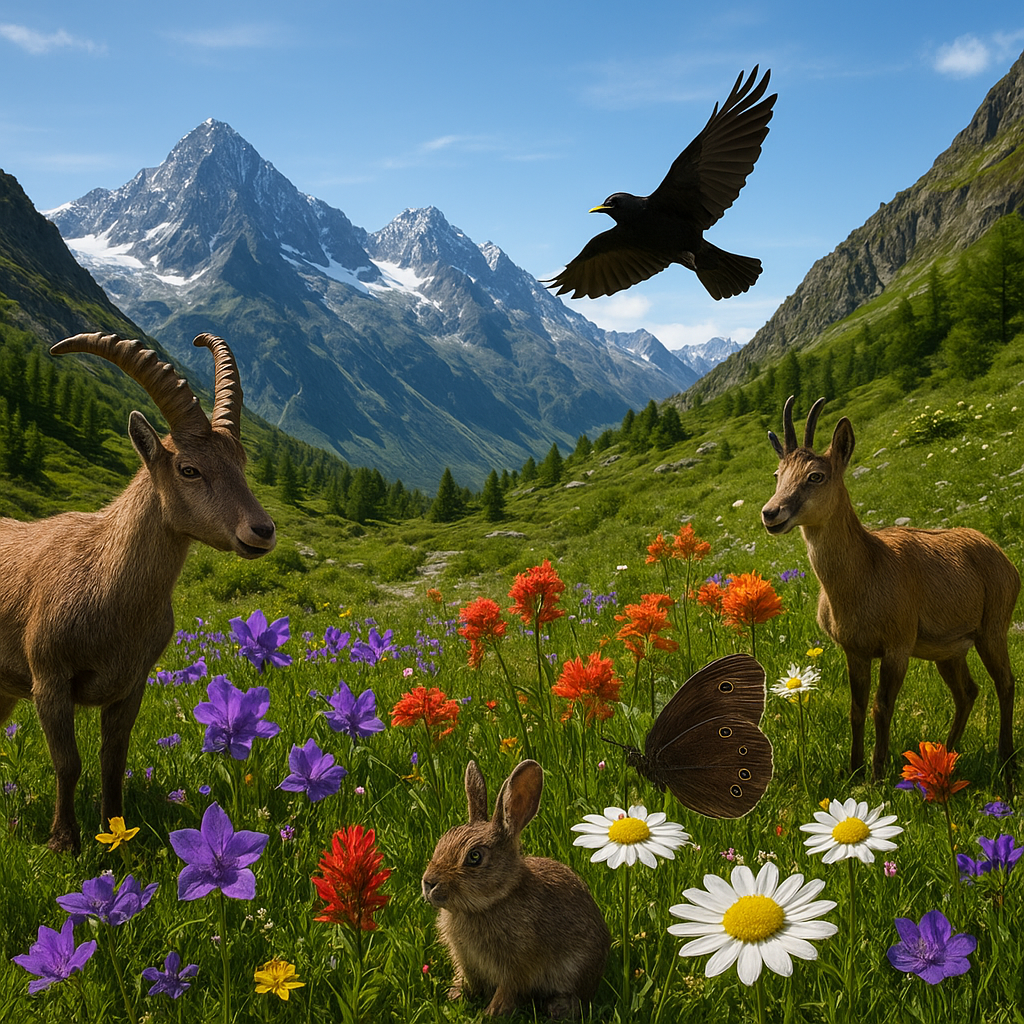
- Flowering Meadows: Carpeted by wildflowers such as gentians, primroses, and endemic orchids that attract pollinators.
- Scree Slopes: Host pioneer species like saxifrages and stonecrop, clinging to loose, rocky substrates.
- High-Altitude Pastures: Grazed by livestock and home to iconic edelweiss and alpine aster.
Notable Species and Adaptations
Key botanical residents include:
- Edelweiss (Leontopodium alpinum): Fuzzy, white bracts reflect UV radiation and reduce moisture loss.
- Alpine Gentian (Gentiana acaulis): Bright blue corollas attract high-altitude pollinators.
- Swiss Stone Pine (Pinus cembra): Produces calorie-rich seeds consumed by nutcrackers, facilitating seed dispersal.
- Rhododendron ferrugineum: Dark leaves and low stature limit frost damage and accumulate heat.
Seasonal variability yields a burst of color each summer, as ephemeral blooms complete their life cycles in mere weeks.
Fascinating Alpine Fauna
The Alps host a diverse animal assemblage, from alpine specialists to migratory visitors. Many species have evolved remarkable survival strategies to withstand deep snow, scarce food, and extreme cold.
Mammalian Inhabitants
- Alpine Ibex (Capra ibex): Sure-footed climbers with curved horns that dominate steep cliffs.
- Chamois (Rupicapra rupicapra): Agile ungulates able to spring across rocky outcrops.
- Alpine Marmot (Marmota marmota): Hibernates for up to eight months, relying on fat reserves.
- Golden Eagle (Aquila chrysaetos): Apex predator preying on marmots and other small mammals.
Avian and Invertebrate Communities
Along ridgelines and open slopes, bird species such as the rock ptarmigan and the alpine accentor endure frigid winds. Meadows and meadows pits harbor butterfly-rich habitats—species like the Apollo (Parnassius apollo) and the Mountain Clouded Yellow (Colias phicomone) exhibit striking wing patterns that aid thermoregulation.
Amphibians and Reptiles
Below tree line, ponds and marshes host nimble amphibians like the alpine salamander and the common frog, whose life cycles synchronize with seasonal thaw. Reptiles such as the viviparous lizard bask on sunlit rocks, using behavioral adaptations to regulate body temperature.
Threats and Conservation Efforts
Human activity and global warming pose mounting risks to Alpine habitats. Retreating glaciers diminish water supplies and modify downstream flow, while infrastructure development fragments corridors vital to species migration. Tourism, though economically significant, can disturb fragile biotopes and accelerate soil erosion.
Primary Threats
- Climate Change: Alters snow cover duration, forcing species to shift upward, with limited refuge at higher altitudes.
- Habitat Fragmentation: Roads, ski resorts, and urban expansion isolate wildlife populations.
- Pollution: Airborne nitrogen deposition fertilizes soils, promoting invasive plants that outcompete natives.
- Overgrazing: Livestock pressure modifies vegetation structure and reduces floral diversity.
Conservation Initiatives
Transnational frameworks such as Natura 2000 and UNESCO Biosphere Reserves promote ecosystem connectivity and research. Protected areas like the Vanoise, Stelvio, and Hohe Tauern National Parks safeguard keystone species and unique landscapes.
- Rewilding Projects: Reintroducing species like the bearded vulture to restore ecological balance.
- Climate Monitoring: Glaciological surveys track ice mass changes to inform water management.
- Sustainable Tourism: Eco-friendly infrastructure, visitor education, and low-impact hiking trails preserve conservation goals.
Human Interaction and Cultural Heritage
For centuries, mountain communities have harnessed Alpine resources through pastoralism, forestry, and mining. Today, agriculture—particularly dairying—sustains centuries-old cheese-making traditions, while folkloric festivals celebrate seasonal cycles and local crafts.
Alpine Tourism and Recreation
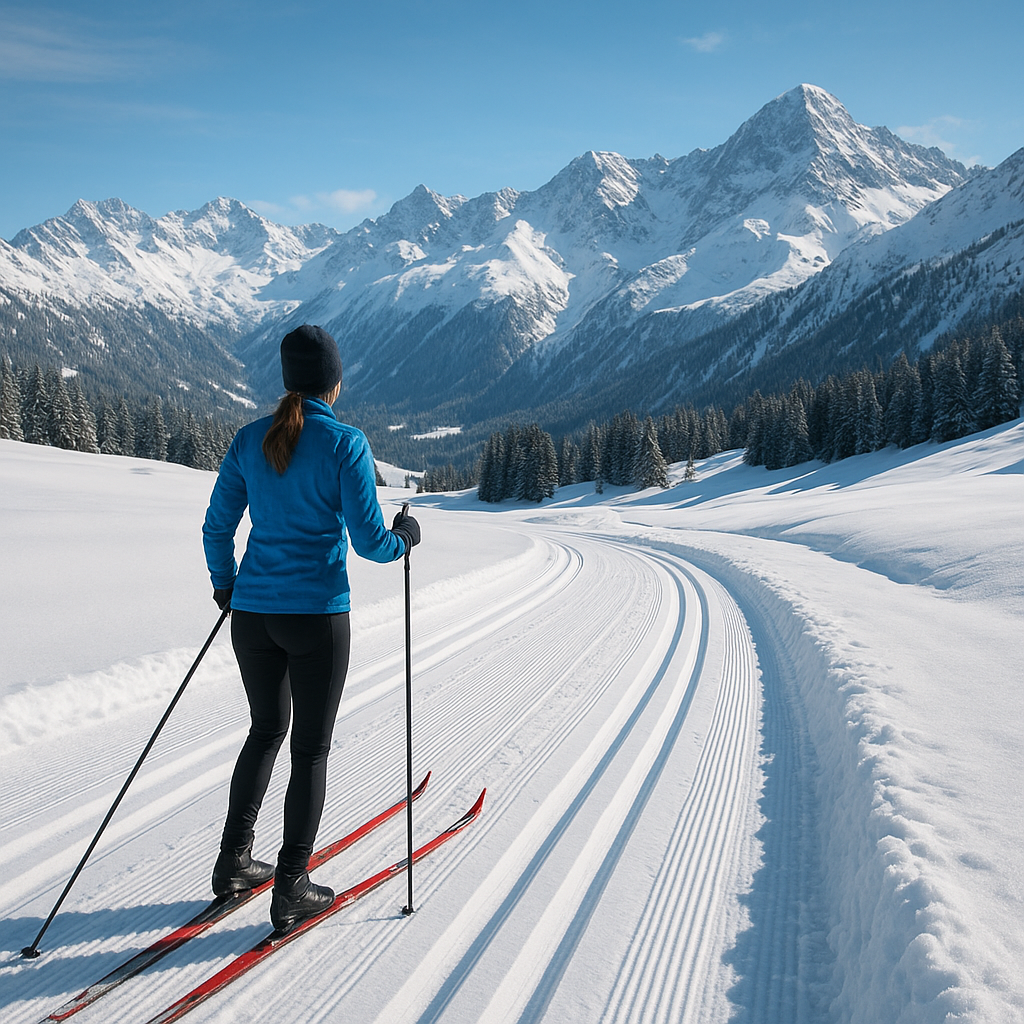
Skiing, mountaineering, and hiking draw millions annually. Responsible operators now emphasize minimal-impact practices, using renewable energy, eco-certification, and visitor limits to reduce footprints.
Traditional Practices and Modern Innovations
- Transhumance: Seasonal livestock migration to high pastures supports mountain meadows and fosters plant diversity.
- Hydropower: Alpine rivers power turbines, supplying clean energy while requiring careful watercourse management.
- Architecture: Vernacular chalets with deep eaves and sturdy stone bases adapt to heavy snowfall and steep slopes.
By blending ancestral wisdom with cutting-edge science, Alpine societies strive to maintain economic vitality without sacrificing the integrity of one of Europe’s most treasured landscapes.