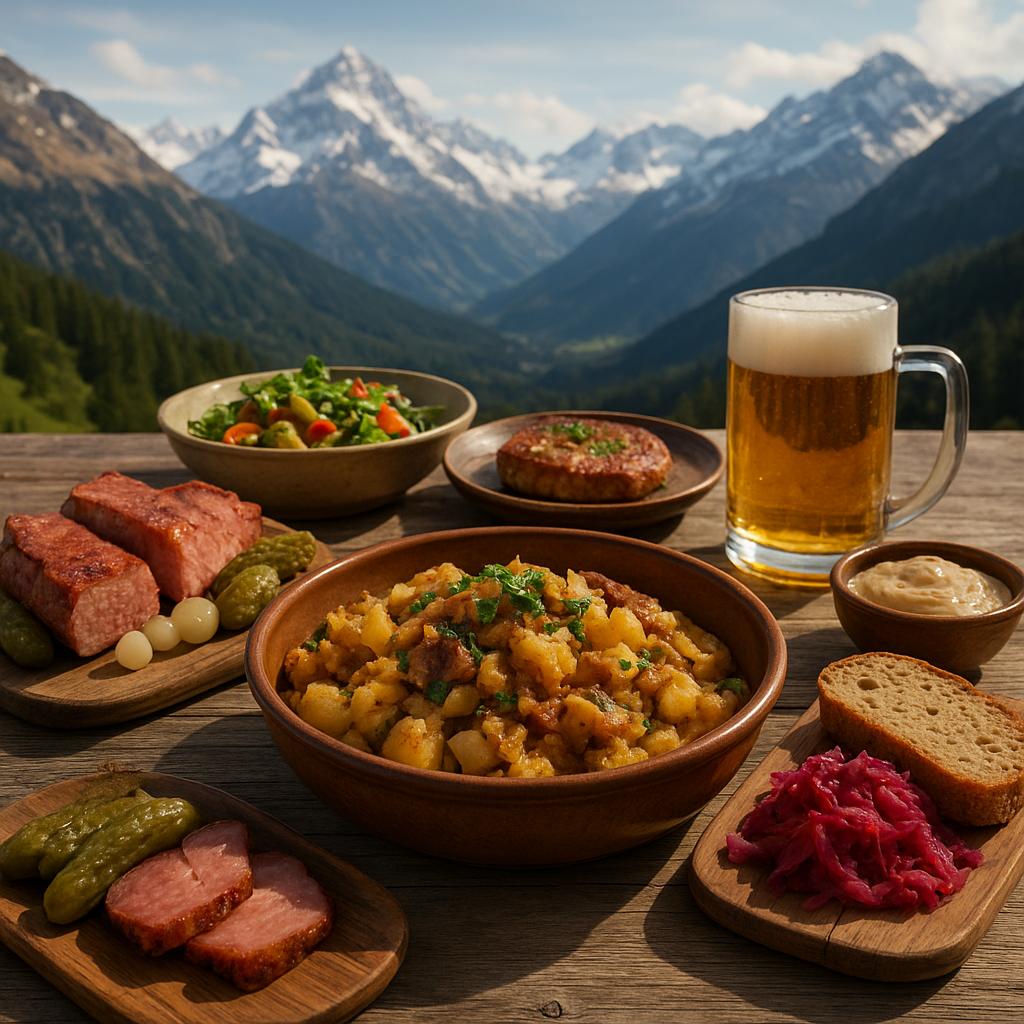
The Alpine region, stretching across eight European countries, offers a diverse tapestry of culinary traditions shaped by its mountainous landscapes and centuries of human ingenuity. Beyond the well-known realms of cheese and chocolate, Alpine cuisine showcases a wealth of flavors that celebrate local produce, resilient farming methods, and the fusion of cultural influences. From high-altitude herbs gathered on rocky slopes to hearty breads baked in wood-fired ovens, the gastronomy of the Alps reflects both a deep-rooted tradition and ongoing innovation.
Historical Roots of Alpine Gastronomy
Early settlers in the Alps relied on farming small plateaus and herding livestock on summer pastures. This transhumance lifestyle fostered a self-sufficient culture where every ingredient was valued. Grains were milled in communal watermills, while cured meats and preserved fruits ensured survival through long winters. Over time, trade routes and pilgrim paths introduced spices like caraway and juniper, further enriching Alpine tables.
- Resilient farmers adapted to steep slopes by building terraced fields.
- Villages maintained cooperatives for salt and smokehouses to preserve meat.
- Markets in mountain towns became hubs for exchanging exotic spices and grains.
Mountain Foraging and Alpine Herbs
Foraging remains a cherished practice, connecting chefs and home cooks with the wild ingredients of the high peaks. Handpicked herbs such as alpine thyme, wild garlic, and edelweiss flowers impart unique aromas. Mushrooms like chanterelles and porcini thrive under conifer trees, while berries—bilberries, raspberries, and cloudberries—add bright notes to jams and desserts.
Key Foraged Treasures
- Alpine thyme: a peppery accent for soups and stews
- Wild sorrel: tangy leaves used fresh in salads or cooked into sauces
- Bear’s garlic (ramsons): a garlicky alternative for pestos and dips
Conservation-focused foragers follow strict guidelines to protect biodiversity, ensuring that Alpine ecosystems remain balanced and sustainable.
High-Altitude Farming and Dairy Traditions
Dairy products are undeniably central to Alpine cuisine, yet beyond the famous cheeses lie a variety of farm-made treasures. Fresh yogurts infused with wild berries, fermented cream known as Stichkäse, and whey-based soups celebrate the full use of milk. Seasonal movements of herds to summer pastures, called “Almabtrieb” in German-speaking areas, mark festivals where newly made butter and Kapün—a type of cured goat and lamb sausage—take center stage.
- Raw-milk yogurts with mountain berry compote
- Fermented cream soups rich in probiotics
- Heirloom cattle breeds producing distinctive milk flavor
The tradition of using every component of milk reflects a zero-waste approach long before it became a modern buzzword. Village dairies still practice age-old methods: slow stirring, hand-woven butter molds, and gentle smoking.
Hearty Breads, Grains, and Preserves
Bread sustains Alpine communities through harsh winters. Dense rye loaves and barley breads are often enriched with pumpkin seeds or buckwheat, providing extra nutrition and texture. Stone mills in remote valleys grind heirloom grains, preserving both flavor and historic lineages. Preserved fruits—quince paste, plum jams, and pear compotes—complement cheeses or serve as fillings for sweet pastries.
Notable Bread Traditions
- Rye-Wheat-Sourdough: Supplemented with caraway for digestibility
- Buckwheat Crepes: Gluten-free option, paired with honey and cream
- Seeded Multi-Grain Loaf: A modern twist on ancient varieties
Local millers emphasize artisan techniques, often operating small-scale setups where the grain-to-flour process is transparent and traceable.
Innovative Chefs and Contemporary Interpretations
Modern Alpine restaurants balance authentic traditions with global influences. Chefs experiment with molecular gastronomy, deconstructing classic recipes into foams and gels while maintaining the essence of mountain ingredients. Farm-to-table initiatives connect diners directly with producers, highlighting provenance and seasonal cycles.
- Wild mushroom consomme served in hollowed spruce logs
- Heirloom grain risotto with alpine cheese espuma
- Edible flower garnishes cultivated in microclimates
Collaborations between chefs and local farmers foster innovation in crop varieties—resilient grains that thrive at high altitudes and aromatic herbs adapted to cold climates.
Unique Beverages of the Alpine Region
Beyond iconic wines of regions like Valais and Alto Adige, the Alps boast distinctive beverages rooted in local flora. Fruit brandies (Grappa, Schnapps, Eau-de-Vie) distilled from cherries, pears, and plums capture the essence of the harvest. Herbal liqueurs, such as Almkaffee—a coffee infusion with mountain herbs—and gentian-based spirits, offer medicinal as well as culinary appeal.
- Spruce-tip beer brewed with young conifer shoots
- Honey mead incorporating alpine flower pollen
- Fermented barley water, a traditional summer refresher
Tea blends using locally dried leaves and flowers provide a caffeine-free option with therapeutic properties, often paired with light pastries for afternoon gatherings.
Culinary Festivals and Authentic Experiences
Alpine communities celebrate their food heritage through festivals that blend music, dance, and feasting. Seasonal fairs showcase local producers, offering visitors a chance to taste rare cheeses, sample smoked meats, and learn traditional cooking methods. Farm stays and agritourism lodges invite guests to join milking sessions, foraging expeditions, and bread-baking workshops.
- Alpine Cheese Week: Focus on heritage dairies and raw-milk varieties
- Herb & Honey Festival: Foraging tours and mead tastings
- Mountain Bread Days: Stone-mill demonstrations and sourdough classes
Enthusiasts seeking an immersive journey can book guided culinary treks, combining scenic hikes with pit stops at mountain huts where rustic dishes are served over roaring stoves. These experiences highlight the sustainable ethos that underpins Alpine gastronomy, emphasizing respect for nature and community.