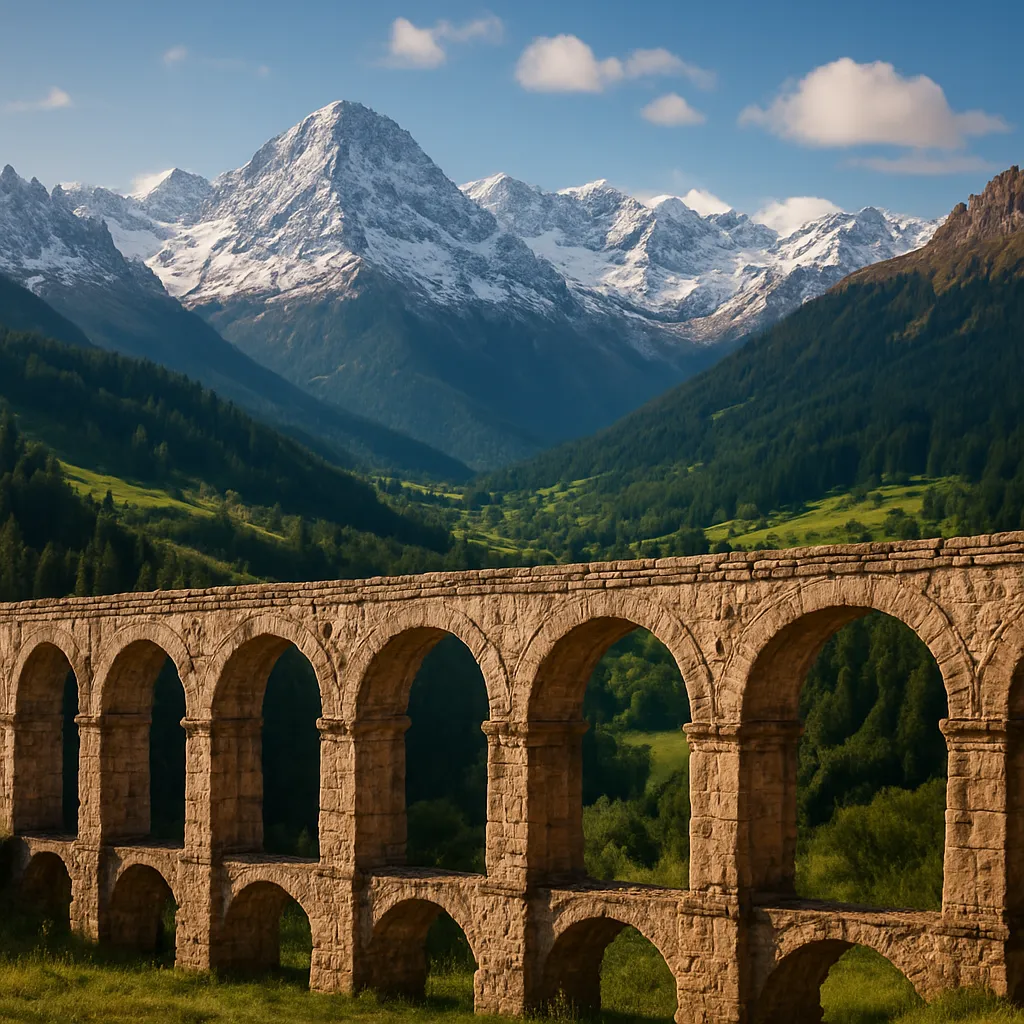
Hidden amid Europe’s soaring peaks and verdant valleys, the Alps unfold as a realm of unparalleled natural beauty and cultural richness. From the snow-dusted summits of Mont Blanc to the lush meadows of Tyrol, every corner of this mountain chain resonates with centuries-old traditions, vibrant local markets, and the meticulous craft of dedicated artisans. Exploring these highland communities offers travelers an intimate glimpse into a world where heritage and innovation meld seamlessly, inviting a deeper appreciation for the unique tapestry of Alpine life.
A Journey into Alpine Heritage
Embracing centuries of tradition
The Alps have long served as a crossroads of cultures, where Roman roads, medieval trade routes, and modern railways converge. Within this storied landscape, villagers still celebrate age-old customs through folk festivals, music, and dance. Shepherds guide their flocks across patchwork pastures at dawn, echoing practices that date back to the Bronze Age. In small hamlets perched on steep inclines, local families pass down recipes for hearty stews and preserves, each one emblematic of the land’s bountiful offerings.
Beyond these living traditions, the region’s architectural heritage captivates visitors. Steep-roofed chalets crafted from weathered timber, stone barns built to withstand harsh winters, and rustic chapels adorned with frescoes all speak to the resourcefulness of Alpine inhabitants. The interplay of sun, snow, and wind has shaped not only the physical environment but also the resilient spirit of mountain communities.
The Rich Tapestry of Local Markets
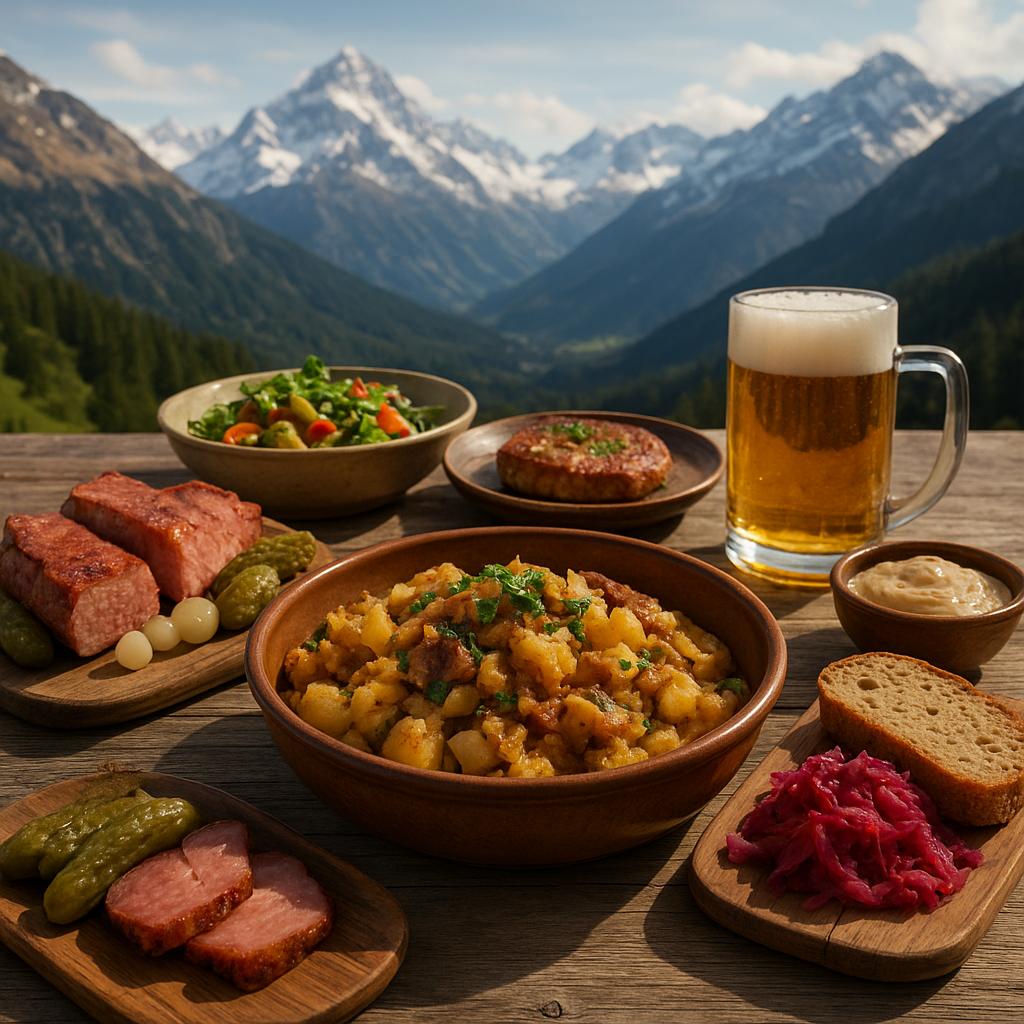
Flavors of the mountains
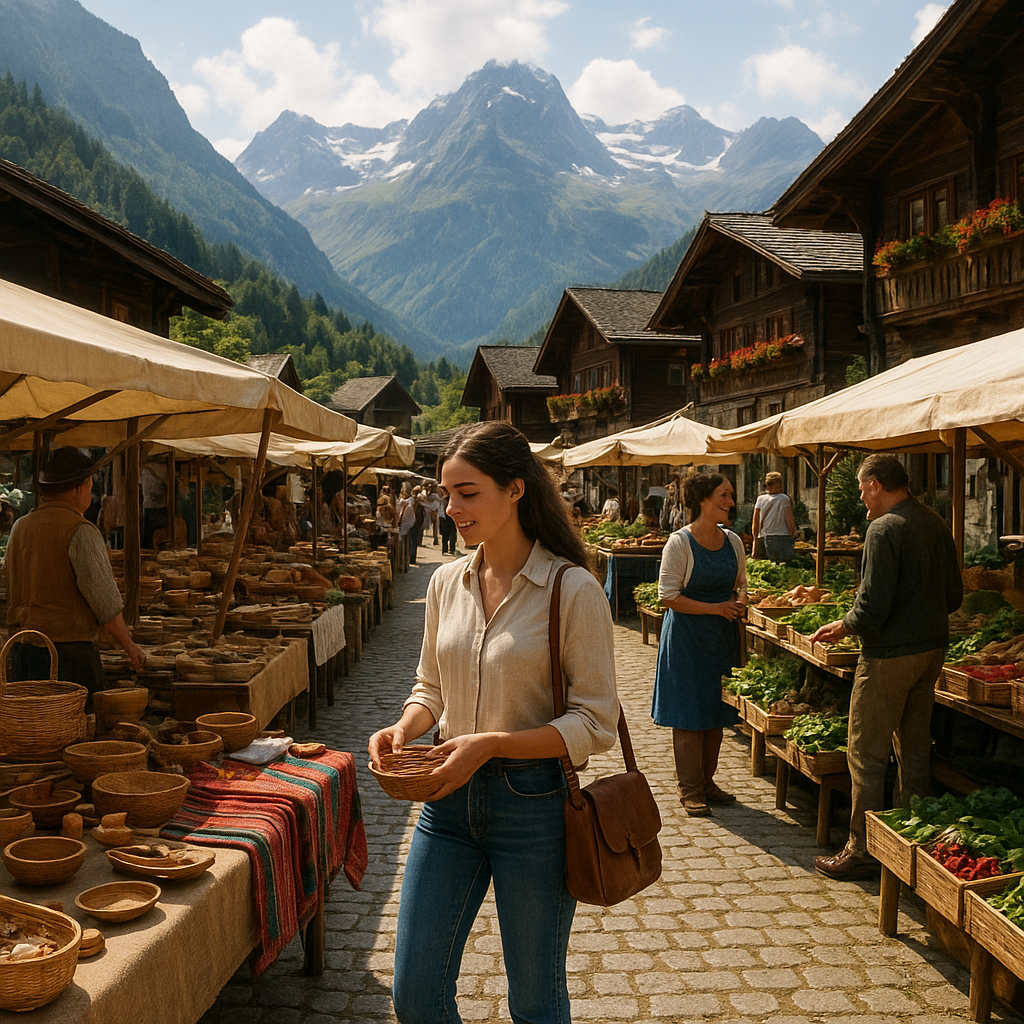
Wandering through a bustling Alpine market is a sensory feast. Colorful stalls brim with artisanal cheeses, cured meats, and freshly baked bread still warm from wood-fired ovens. Vendors proudly display jars of tangy berry jam, aromatic mountain honey, and handcrafted sausages infused with local herbs. Conversations in lively dialects add to the vibrant atmosphere, as neighbors exchange news and recipes.
Key highlights of a typical market might include:
- Cheddar-like mountain cheeses aged in cool cellars for complex flavor
- Hand-woven wool scarves dyed with natural alpine plants
- Delicate gingerbread hearts adorned with intricate icing
- Organic herbal teas featuring chamomile, mint, and elderflower
- Traditional schnapps distilled from local fruits
Each item on display reflects a commitment to authenticity and sustainability. Farmers and producers often cultivate small plots, ensuring minimal environmental impact and preserving biodiversity. By purchasing directly from these market stalls, travelers support local economies and forge personal connections with the people who guard age-old practices.
Artisanal Crafts Amid Mountain Heights
Mastery born of isolation
High above the valleys, in secluded workshops and family-run studios, skilled artisans work diligently to keep traditional crafts alive. The rugged terrain that once made travel difficult now lends a certain mystique to handcrafted goods. Visitors can observe master woodworkers shaping bowls and decorative carvings from Alpine spruce, or watch potters fashioning robust crockery from clay sourced at lower elevations.
Leatherworkers stitch thick hides into durable belts, gloves, and shoes designed to withstand cold temperatures and dense snow. Meanwhile, silversmiths in mountain towns refine intricate jewelry motifs inspired by edelweiss flowers, ibex horns, and swirling alpine streams. Each piece carries a narrative, a testament to generations of craftsmanship dedicated to transforming raw materials into objects of enduring beauty.
Supporting these artisans helps safeguard the traditions that form the cultural backbone of the region. Many workshops offer onsite demonstrations or short courses, inviting visitors to learn basic techniques and to appreciate the patience and precision required for truly authentic handiwork.
Sustainable Tourism and Community Support
Balancing growth with preservation
In recent years, the popularity of the Alps as a destination for skiing, hiking, and culinary exploration has surged. While tourism fuels local economies, it also poses challenges to fragile mountain ecosystems. Recognizing this, many communities have embraced eco-friendly practices that minimize carbon footprints and celebrate regional identity.
Key initiatives include:
- Promoting off-season visits to reduce overcrowding in peak months
- Investing in energy-efficient lifts and shuttle services powered by hydroelectricity
- Implementing strict waste-management protocols at markets and festivals
- Offering farm-stay experiences where guests participate in daily chores
- Collaborating with NGOs to monitor wildlife corridors and protect natural habitats
By championing community-driven projects, the Alps continue to thrive without sacrificing their pristine landscapes. Local councils partner with cooperatives to ensure fair wages and to create transparent supply chains for market goods. Cultural associations organize concerts, exhibitions, and storytelling events that shine a light on lesser-known villages, diverting tourists from overdeveloped hotspots.
Ultimately, the essence of the Alpine experience lies not only in panoramic vistas but in the warm exchanges that occur over a shared meal of polenta, raclette, or freshly caught trout. Each visit to a mountain market stall, each purchase of a handcrafted trinket, and each conversation with a local artisan fosters a deeper understanding of how tradition and innovation can coexist in harmony.
As travelers depart the Alpine realms—heart brimming with memories of crisp air, echoing cowbells, and the hearty laughter of market-goers—they carry with them more than souvenirs. They leave with a renewed respect for communities that have preserved their cultural heritage amidst soaring peaks, reminding us all of the profound bonds between people, place, and the timeless art of living well.