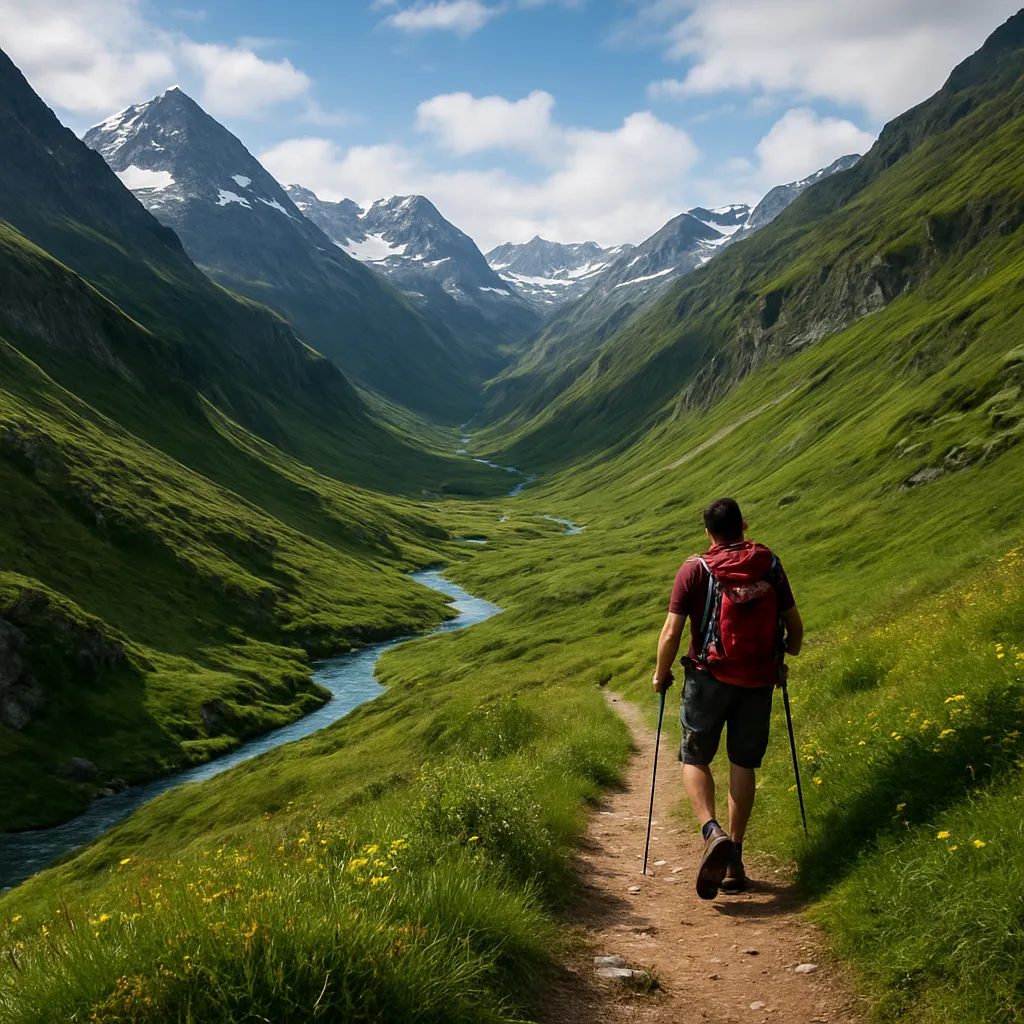
Nestled among soaring peaks and winding ridges, the Alpine region conceals a network of secluded valleys that remain inaccessible by road. These hidden corridors offer intrepid explorers a chance to reconnect with wilderness and uncover landscapes shaped by millions of years of geological forces. From remnants of ancient glaciers to meadows teeming with endemic life, every step reveals the delicate balance between nature’s power and fragility. Whether you are an experienced hiker or a curious nature enthusiast, the journey on foot through these remote valleys promises unparalleled encounters with dramatic scenery and local traditions.
Geological Wonders Carved by Ice and Time
The physical character of the Alpine interior owes much to vast glacial systems that advanced and retreated throughout the Pleistocene epoch. Today’s deep U-shaped valleys, hanging cirques, and striated bedrock surfaces are direct legacies of this icy sculpting.
The Legacy of Glacial Sculpting
During peak glaciation, ice sheets up to several kilometers thick ground mountain rock into fine sediment and gouged out broad basins. As the climate warmed, these glaciers receded, leaving behind:
- Moraine ridges marking former ice margins
- Ribbon lakes nestled in overdeepened troughs
- Polished bedrock with distinct striations
By studying these features, geologists reconstruct the ice advance patterns and gain insight into ancient climate fluctuations.
Hidden Canyons and Rock Formations
Beyond the main valleys lie narrow side canyons, often overlooked on popular maps. Carved by tributary glaciers and meltwater streams, these corridors reveal layers of rock in bold contrast:
- Schist and gneiss walls glimmering in the sun
- Dark limestone cliffs hosting rare cave systems
- Boulder fields strewn by rockfalls and avalanches
In some secluded gorges, mineral veins are visible to the naked eye, offering clues to the region’s tectonic history. Adventurers may stumble upon quartz deposits or iron-rich seams that once fueled small-scale mining in centuries past.
Flora and Fauna in Secluded Alpine Enclaves
These isolated valleys serve as refuges for a remarkable array of flora and fauna, many of which struggle to survive in lower, human-dominated landscapes. The interplay of altitude, microclimate, and soil composition gives rise to pockets of biodiversity unparalleled in accessibility.
Rare Alpine Plants and Meadows
Above the treeline, rocky slopes give way to vibrant mats of flowering plants adapted to harsh conditions:
- Alpine gentian displaying deep blue blossoms
- Silvery Saxifraga perched on limestone ledges
- Elusive Edelweiss thriving in crevices
Hidden valleys often feature sheltered hollows where moisture accumulates, nurturing lush meadows carpeted with millions of tiny blossoms each summer. Careful hikers may spot the pink starflower or the delicate glacier buttercup—species seldom seen along busier routes.
Wildlife Encounters Off the Beaten Path
Wild mammals and birds take advantage of the remoteness of these valleys to avoid human disturbance. Observant trekkers might glimpse:
- Chamois bounding across rocky slopes
- Ibex standing serenely on steep outcrops
- Golden eagles soaring overhead
Smaller inhabitants, such as the rock ptarmigan and Alpine marmot, add to the sense of discovery. Birdsong echoes differently here; with few external noise sources, even the soft call of a ring ouzel carries through narrow canyons.
Challenges and Rewards of Foot-Only Access
Reaching these remote valleys requires commitment, skill, and respect for mountain conditions. The absence of roads preserves their pristine nature but also demands careful planning and preparation.
Trailblazing and Route-Finding
Trails can be faint or non-existent as they wind through scree slopes and marshy plateaus. Hikers must rely on topographic maps, GPS units, and traditional compass skills. Key considerations include:
- Seasonal snowfields that persist into summer
- Loose rock requiring secure footing
- Stream crossings swollen by meltwater
Experienced guides often mark waypoints with cairns, but in truly hidden valleys, even these markers may vanish under winter snow. The reward for such route-finding is a sense of absolute solitude and an intimate connection with the wilderness.
Sustainable Trekking Practices
Preserving the fragile ecosystems of these valleys hinges on minimal-impact hiking. Adhering to conservation principles ensures that future visitors encounter the same unspoiled beauty:
- Pack out all waste and biodegradable matter
- Stick to durable surfaces to avoid trampling vegetation
- Avoid disturbing wildlife, especially ground-nesting species
Mountain refuges, when available, maintain strict waste management systems. Some valleys require hikers to carry portable toilet systems or bags that can be returned to valley stations for proper disposal.
Cultural Heritage of Mountain Communities
Beyond natural marvels, hidden valleys harbor centuries-old traditions preserved by small hamlets and alpine pastures. Seasonal migration of livestock and the architecture of remote chalets speak to a way of life closely tied to the land.
Traditional Alpine Architecture
Stone-built huts with thick mullioned windows offer shelter against snow-laden winters. In higher pastures, simple wooden barns store hay for winter feeding. Common features include:
- Steep, overhanging roofs to shed heavy snowfall
- Burnished wooden shutters sealed against drafts
- Central smoke holes for cooking and heating
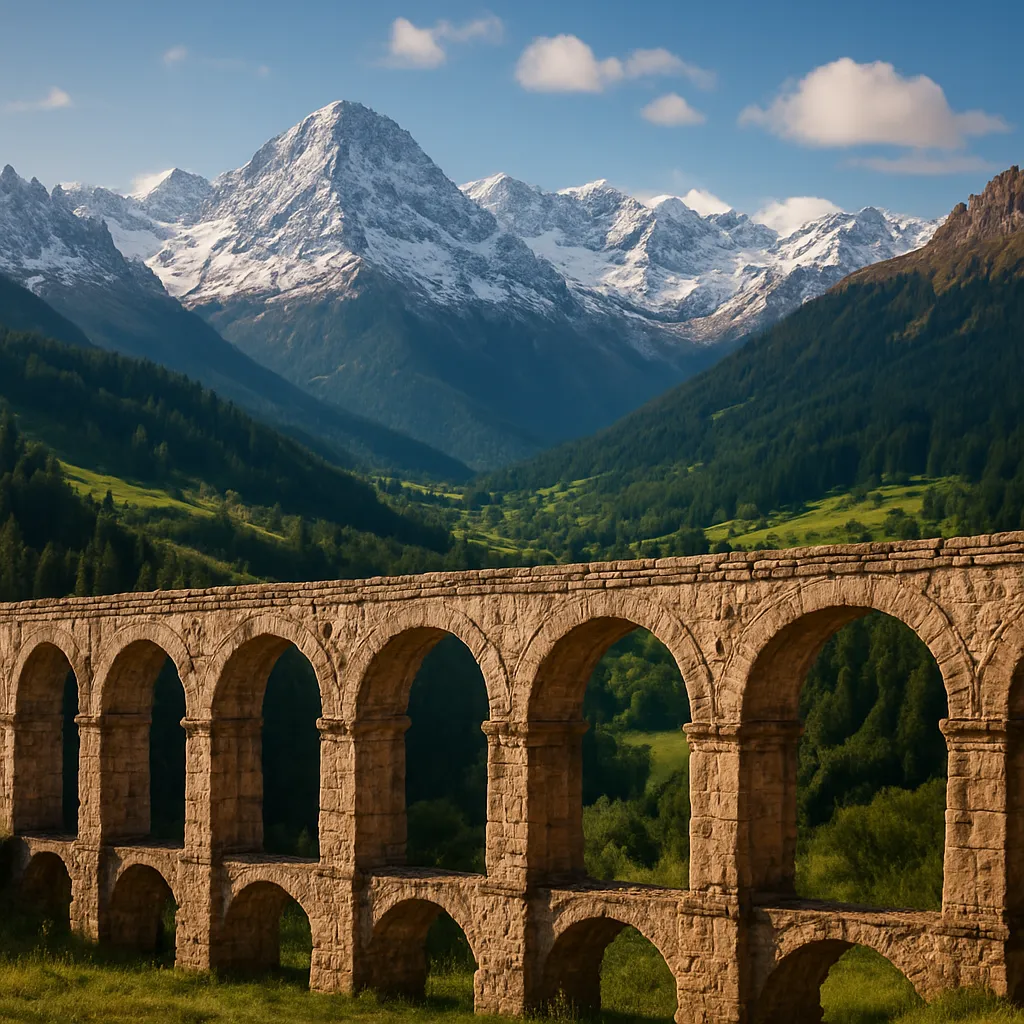
Many of these structures remain in use today, their construction techniques refined over generations to withstand extreme climate conditions.
Festivals, Folklore, and Local Cuisine
As summer arrives, shepherds bring flocks up to high meadows for grazing. Festivals celebrating the heritage of transhumance feature:
- Alphorn performances echoing through valleys
- Traditional dances in village squares
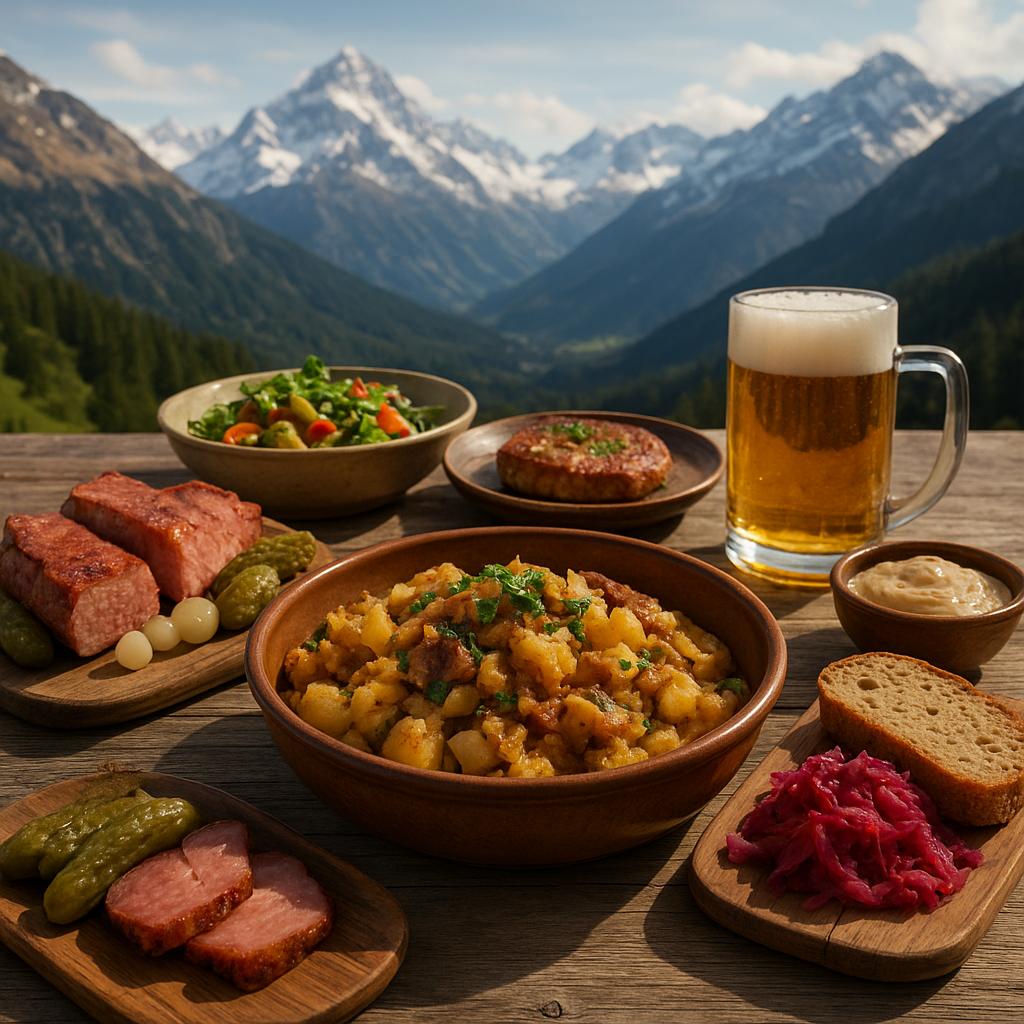
- Culinary specialties such as cured mountain cheese and hearty barley stew
Oral traditions passed down by elders recount tales of mythical creatures dwelling in remote grottos and epic rescues of stranded shepherds during snowstorms. Sampling artisanal cheeses flavored by alpine herbs offers a literal taste of the unique vegetation flourishing here.
Essential Gear and Planning Tips
A successful expedition into these hidden valleys depends on careful preparation and the right equipment.
- Layered clothing to adapt to rapid temperature changes
- Lightweight tent or bivouac sack for emergency shelter
- High-grip trekking boots suitable for steep, uneven terrain
- Navigation tools: detailed topographic maps, compass, GPS
- Portable water filter or purification tablets
- Emergency beacon or satellite phone for remote communication
Allow extra time for weather shifts and reduced pace at high altitude. Inform a trusted contact of your intended route and expected return. When possible, travel with a partner to share both the challenges and the exhilaration of exploration.