Nestled between soaring peaks and verdant valleys, the Alps have long served as a sanctuary for contemplative orders and devout pilgrims. From remote valleys to lofty passes, the region’s monasteries and churches bear witness to centuries of faith, art, and innovation. This journey through the Alpine realm uncovers the enduring heritage of those who sought both refuge and revelation amid the mountains’ rugged splendor.
The Spiritual Legacy of Alpine Monasticism
As early as the 6th century, hermits and monks were drawn to the tranquility of alpine solitude. The ascent into higher altitudes symbolized a departure from worldly distractions and a pursuit of inner purification. Over time, small eremitical cells gave way to grander foundations, transforming remote slopes into beacons of spirituality.
- Abbey of Saint Gall (Switzerland): Renowned for its medieval library, this UNESCO site flourished as a center of learning, preserving countless manuscripts that shaped European thought.
- Eremo di San Colombano (Italy): Carved into sheer rock above the Cervo Valley, this monastery exemplifies the ascetic ideal, where monks embraced simplicity and prayer.
- Monastery of Saint John (Austria): Perched along the Grossglockner High Alpine Road, its baroque interior and frescoes celebrate a synthesis of art and faith.
- Clairvaux Abbey (foot of Mont Blanc): Founded by Saint Bernard of Clairvaux, it gave birth to the Order of Cistercians and oversaw thousands of estates across Europe.
These institutions not only nurtured faith but also spurred agricultural and technological innovations. Terrace farming, alpine dairying, and water management techniques can trace their roots to monastic ingenuity. Monks mapped trails, maintained hospices, and even bred the famed Saint Bernard dogs to guide travelers through snowbound passes.
Architectural Marvels Amidst Majestic Peaks
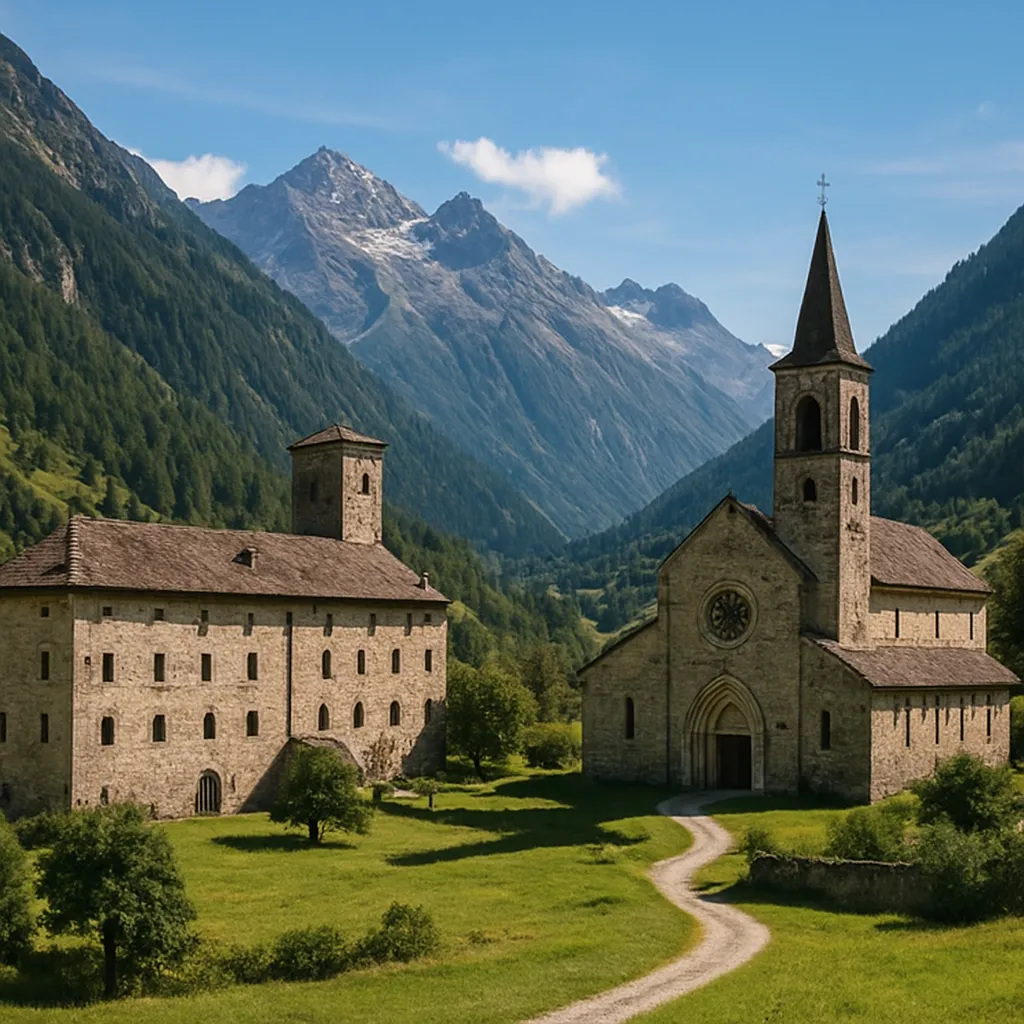
Perched on crags or nestled within pastoral meadows, Alpine sacred buildings reveal a unique architecture that harmonizes with the terrain. The contrast of sturdy stone walls against glacial backdrops underscores the majesty of human devotion sculpted by nature’s grandeur.
Romanesque Foundations
In valleys such as Aosta and Valais, early Romanesque churches feature semicircular arches, thick pillars, and small windows that emphasized inward contemplation. Their modest scale belies the spiritual intensity cultivated within candlelit chapels and crypts.
Gothic Elevation
By the 14th century, Alpine builders adopted soaring ribbed vaults and pointed arches. Examples like the Church of San Martino in Mürren display intricate traceries and stained glass that cast kaleidoscopic patterns upon stone floors as the sun passes over the eastern peaks.
Baroque Splendor
The Counter-Reformation spurred a wave of Baroque renovations. Interiors of churches such as Mariazell in Austria and Einsiedeln in Switzerland were transformed with opulent altarpieces, frescoed domes, and gilded stuccowork. Pilgrims arriving from distant lands found their faith rekindled by visual narratives of saints and miracles.
- Great St Bernard Pass Hospice: A lifeline for medieval travelers, its simple but robust chapel remains a shelter of hope amidst treacherous snowfields.
- Fountains of Faith: Numerous mountain springs were incorporated into cloistered gardens, symbolizing spiritual renewal and sustaining monastic communities.
Throughout these centuries, master builders adapted local stone—granite, limestone, and schist—to create structures that age gracefully under alpine suns and storms. Fundamental to all was a seamless blend of form and function, from fortified towers guarding against avalanches to south-facing apses capturing maximum daylight.
Pilgrimage Routes and Cultural Impact
Alpine monasteries and churches have long anchored intricate networks of pilgrimage routes. From the Via Francigena descending from St. Bernard’s Hospiz to lesser-known trails threading through remote hamlets, travelers embarked on paths of penance and discovery.
Major Alpine Pilgrimages
- Via Francigena: Linking Canterbury to Rome, this route crosses the history-steeped Great St Bernard Pass, where travelers once relied on hospices for shelter.
- Camino de Santiago Variation: Branches leading through the French Alps converge upon Santiago de Compostela, merging Alpine vistas with the broader European pilgrimage tapestry.
- Mariazell Way: A devotion to the Black Madonna, attracting devotees from Hungary, Slovenia, and beyond to the Austrian Marian shrine.
Cultural Resonances
These routes fostered exchange of art, music, and ideas. Gregorian chants drifted from abbey to abbey, while illuminated manuscripts were traded and copied. Local crafts, such as carved altarpieces and painted tiles, reflect a fusion of regional styles with influences from Italy, Germany, and beyond.
The living traditions persist today: processions at Easter, bell-ringing festivals in summer, and winter retreats guided by resident monks. Small mountain villages host guesthouses in restored cloisters, allowing modern seekers to revive the ancient rhythm of prayer, work, and contemplation.
The Mountain Monastic Experience
For contemporary visitors, exploring Alpine monastic sites extends beyond architectural admiration. It invites a deeper engagement with the land and spirit. Many communities welcome guests for silent retreats, offering opportunities to join the canonical hours, taste handcrafted cheese, and participate in conservation efforts.
Experiential Highlights
- Guided meditations in centuries-old chapels overlooking glacier-carved valleys.
- Herbal workshops led by monastic gardeners who cultivate healing plants in high-elevation gardens.
- Icon-painting sessions that echo medieval techniques, allowing individuals to craft tokens of reflection.
- Seasonal pilgrim dinners featuring mountain fare—polenta, alpine cheeses, and juniper-infused spirits.
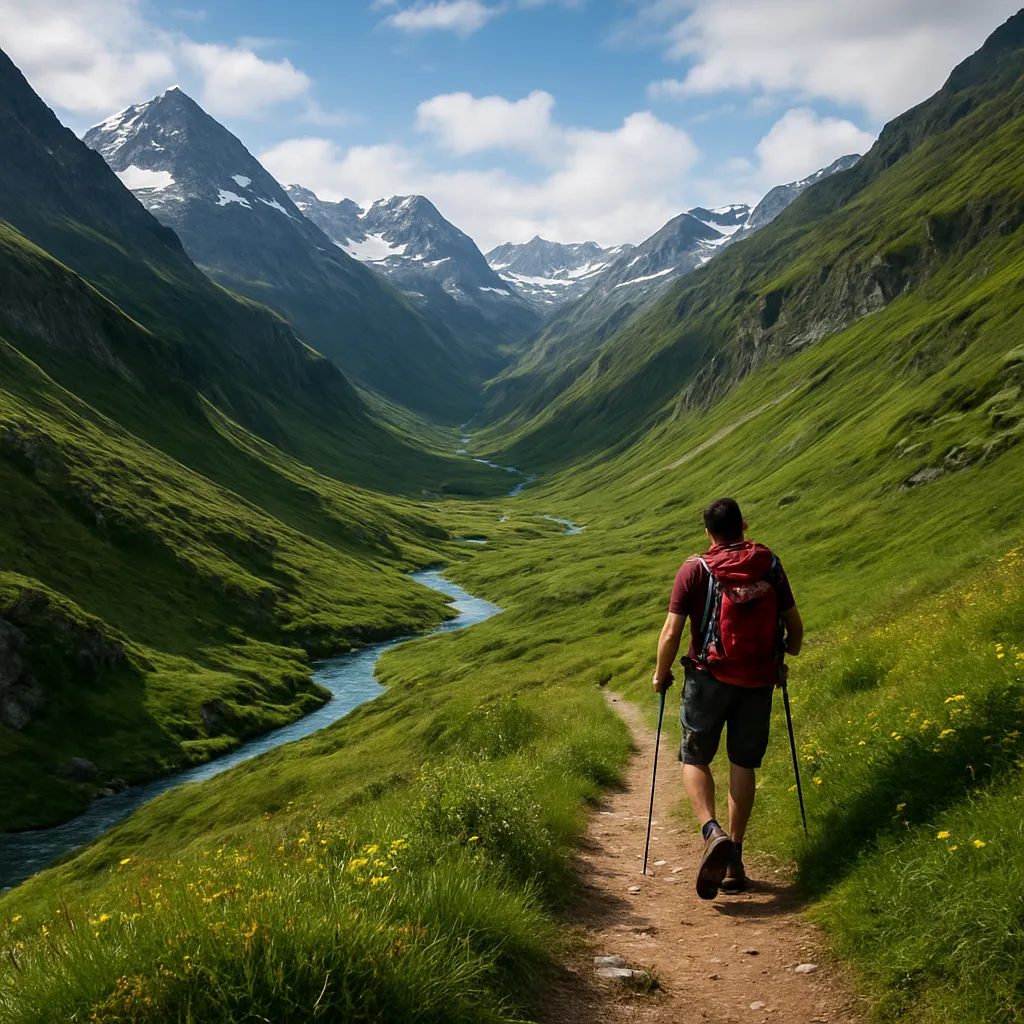
Walking in the footsteps of medieval travelers, today’s pilgrims might cross narrow stone bridges, ford frothy streams, and ascend switchback trails crowned by weathered crosses. Each step reveals hidden chapels, carved doorway inscriptions, and viewpoints framed by soaring peaks.
Preservation and Challenges
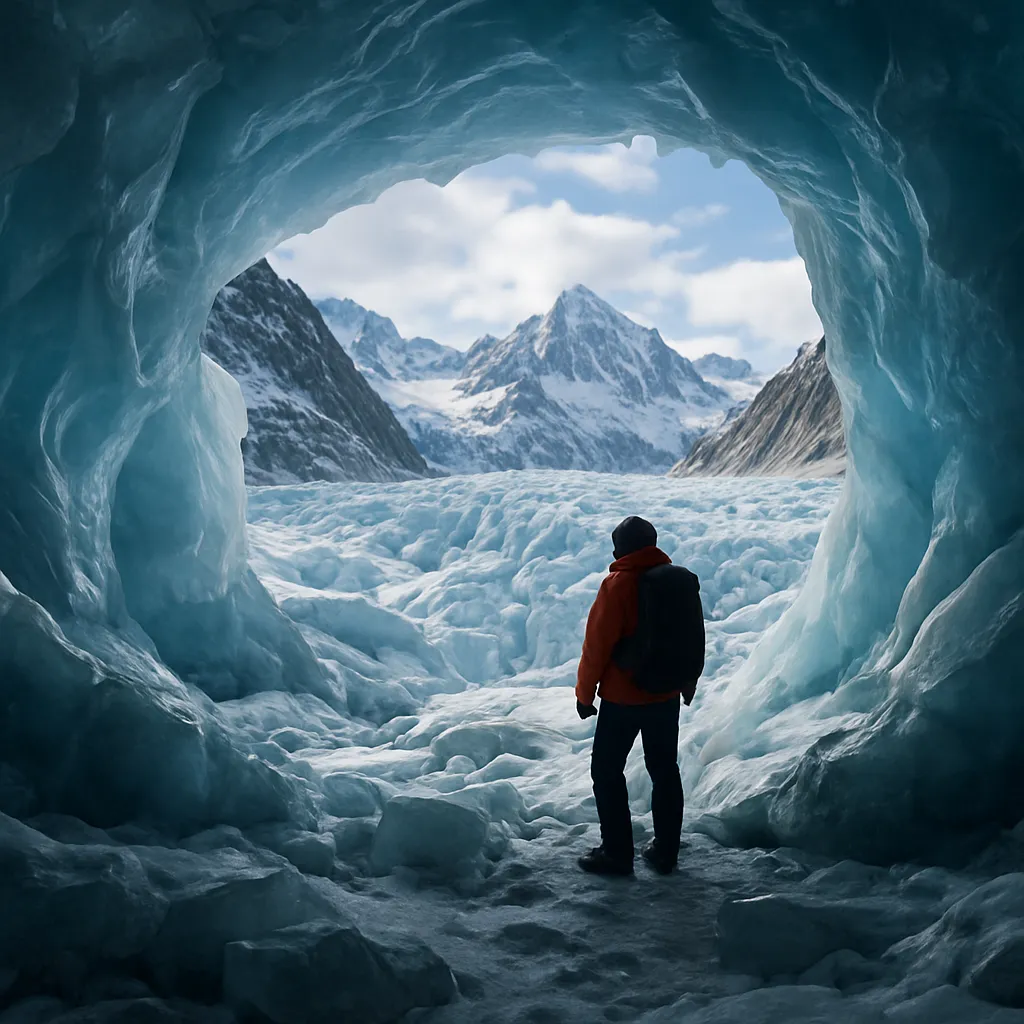
The conservation of Alpine monastic heritage faces unique challenges: shifting climate patterns, reduced snowfall, and occasional rockslides threaten ancient structures. Yet recent collaborations between heritage organizations and local communities have sparked innovative restoration projects.
- Digital mapping of frescoes to monitor damp-related deterioration.
- Seismic reinforcement using reversible techniques that respect original construction.
- Sustainable tourism strategies balancing visitor access with ecological sensitivity.
- Revival of monastic workshops to produce artisanal goods, fostering economic viability.
These efforts ensure that the history embedded in weathered stones, echoing bell towers, and manuscript collections endures for future generations seeking inspiration amid the craggy ridges and tranquil meadows of the Alps.