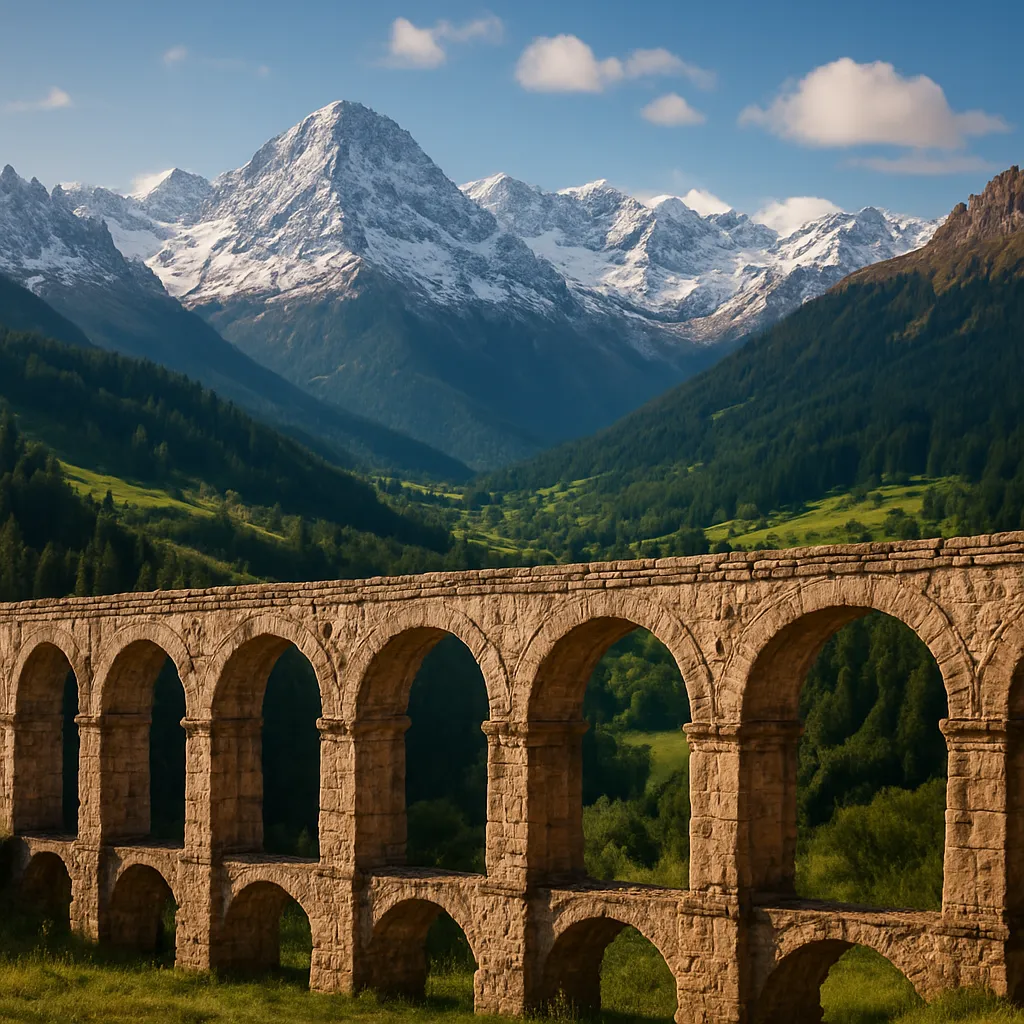
In the soaring heights of the European mountain chain, a landscape shaped by centuries of human ingenuity and natural forces unfolds. The Alpine region stands as a testament to the delicate balance between people and nature, where shepherds, farmers, and artisans have long carved out a living through a unique blend of **pastoral** practices and specialized **cheese** production. This article journeys through the evolving traditions and innovations of highland agriculture, exploring how the interplay of climate, culture, and **craftsmanship** created some of the world’s most celebrated dairy products.
Origins of Mountain Grazing Traditions
From the earliest days of human settlement in the Alpine valleys, communities learned to adapt to the steep slopes and short growing seasons. Grazing animals on high summer pastures—known as transhumance—became central to survival. Every spring, herds of goats and cattle were driven upward to lush meadows, where they foraged on a diverse tapestry of herbs and grasses. This rhythmic migration not only maximized limited forage but also shaped the region’s rich ecological fabric.
Adaptation to Harsh Environments
- The steep terrain required sturdy breeds of cattle, such as the Braunvieh and Simmental, which could navigate rocky outcrops.
- Farmers developed wooden chalets and alpine huts to house herders and livestock through unpredictable weather.
- A close-knit community network ensured that knowledge of feeding cycles, shelter techniques, and animal health was passed down through generations.
Ecological Benefits
While Alpine farming might appear harsh, its long-standing presence has enhanced biodiversity rather than depleted it. Rotational grazing and seasonal migrations prevent overgrazing, allowing wildflowers and native grasses to flourish. The region’s mosaic of meadows, forests, and wetlands supports a wide range of flora and fauna, from delicate orchids to chamois and ibex.
Evolution of Cheese Making Techniques
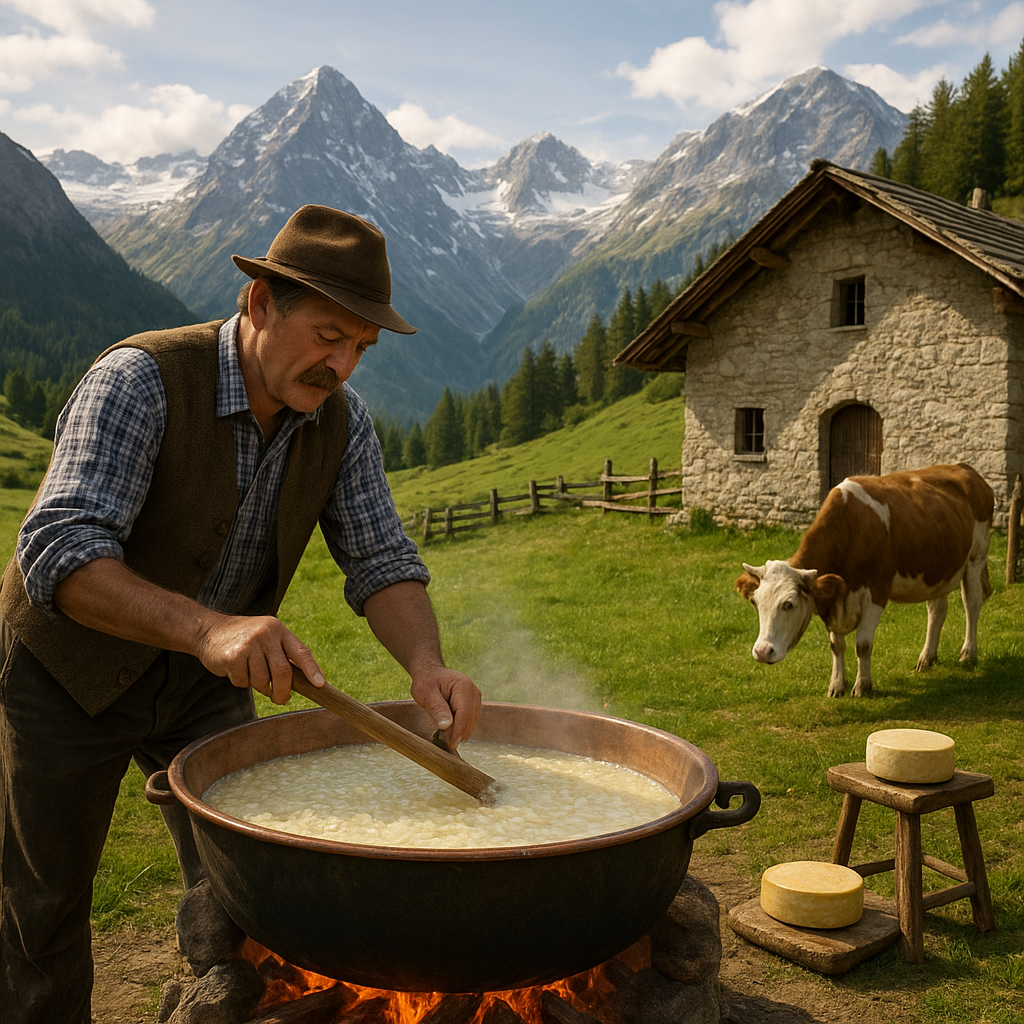
The moment milk flowed from the udder to the cheesemaker’s vat marked the birth of one of the Alps’ greatest legacies. Early Alpine farmers discovered that controlled fermentation stabilized milk, extending its shelf life and enhancing flavor. Over centuries, each valley and plateau nurtured a distinct style of cheese, influenced by microclimate, local flora, and individual skill.
From Soft to Hard Varieties
- Val d’Aosta’s Fontina matured in humid cellars, yielding a creamy, pungent cheese prized across Italy.
- In the Swiss cantons, the firm textures of Emmental and Gruyère emerged through careful pressing and long aging.
- France’s Beaufort and Comté drew from Jura-range pastures, where summer blossoms imparted unique aromatic notes.
Cultural Significance of Alpine Fromages
Cheese became more than nourishment; it represented identity and community pride. Annual competitions and market fairs showcased each village’s product, while monasteries and nobility often sponsored cheesemaking workshops. Recipes, passed down in hand-written guides, emphasized the importance of hygiene, temperature control, and the precise moment of curd cutting. Such traditions underline the deep connection between land, livestock, and local heritage.
Infrastructure and Tools of the Trade
Behind every wheel of Alpine cheese lay a network of specialized tools and shelters designed to meet mountain conditions. The evolution of cheesemaking equipment reflects a marriage of practicality with enduring tradition.
From Wooden Vats to Copper Boilers
- Simple wooden vats were the earliest vessels for liqueur collection; their porous walls encouraged beneficial bacteria growth.
- Copper vats, prized for even heat distribution, became standard by the 18th century, improving consistency in texture.
- Stone and brick aging cellars, dug into hillside bedrock, offered stable humidity and temperature for slow maturation.
Seasonal Infrastructure
High-altitude barns known as bisses in Swiss dialect or baitas in Italian served multiple roles. They stored hay harvested in lower valleys, sheltered herders, and provided a workspace for cheese production. In spring, herders would repair stockades and ditches to protect young animals, ensuring a continuous cycle of production despite unpredictable mountain weather.
Modern Challenges and Sustainable Paths
As tourism and climate change introduce new pressures, Alpine farmers face the challenge of preserving tradition while ensuring long-term viability. The fragile ecosystems that underpin pastoral life are sensitive to rising temperatures and shifting precipitation patterns. At the same time, global demand for artisanal cheeses has soared, offering both opportunity and risk.
Innovations in Environmental Stewardship
- Precision grazing schedules track grass growth with digital tools, preventing both overuse and underutilization of highland meadows.
- Renewable energy installations, such as solar panels on alpine huts, reduce dependency on fossil fuels.
- Agri-tourism programs welcome visitors to live alongside herders during peak seasons, fostering appreciation for mountain livelihoods and generating supplementary income.
Preserving Genetic Heritage
Maintaining rare cattle breeds and local flora is crucial for the flavors and resilience of Alpine dairy. Cooperative breeding programs, supported by government grants, protect endangered livestock lines. Meanwhile, seed banks collect local grass and herb varieties, safeguarding the natural components that define the distinctive notes of each cheese.
The Future of Alpine Farming and Cheese Making
Looking ahead, the union of time-honored methods with modern science offers a path forward. Research into microbial cultures, for instance, can enhance food safety without sacrificing traditional flavor. Collaborative networks of cheesemakers share best practices, ensuring that small-scale producers compete in a global marketplace. By championing local identity and ecological balance, Alpine communities keep alive a practice that is as much a cultural treasure as it is an economic necessity.