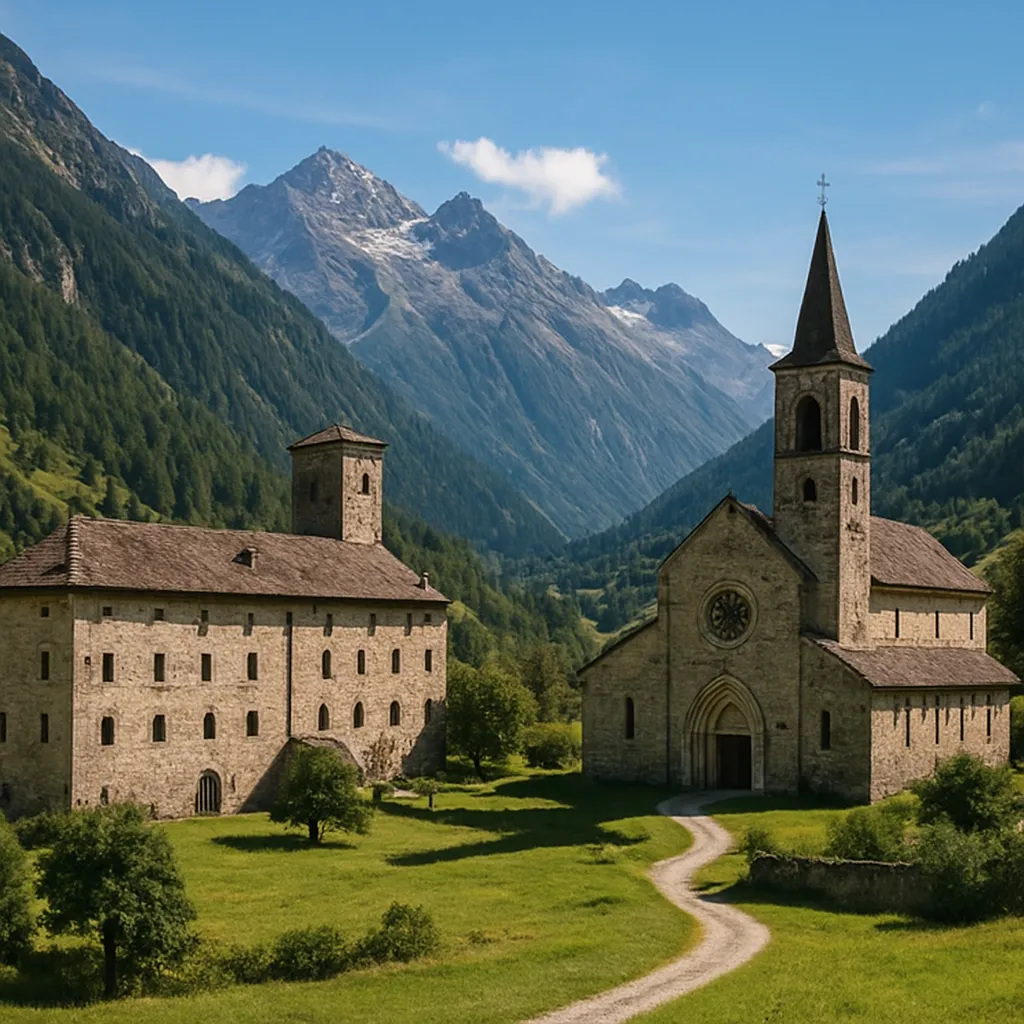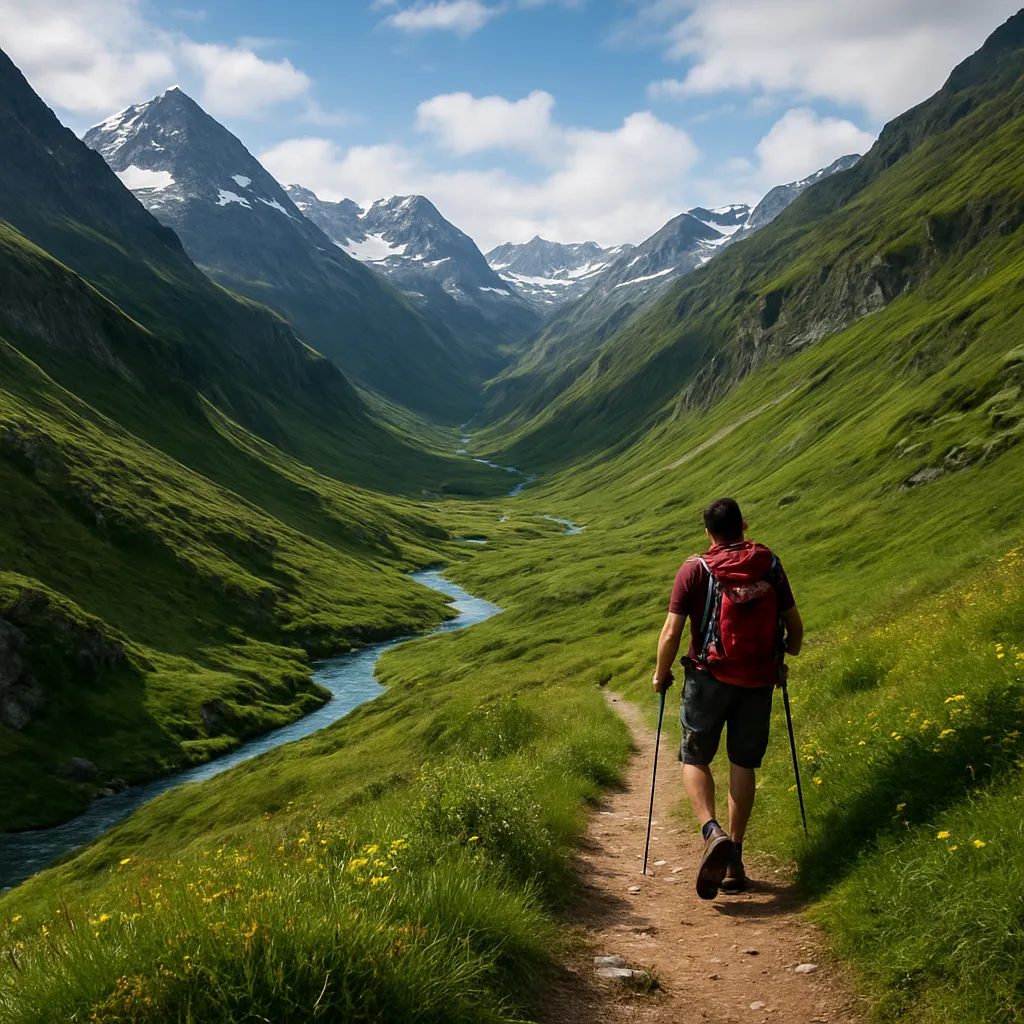
The Alpine region, stretching across multiple European countries, hosts some of the most **spectacular** and **enigmatic** ice formations on the planet. From deep, blue-hued caverns to towering seracs sculpted by time, the Alps provide a natural laboratory for both **scientists** and **adventurers** alike. Exploring these glacial wonders reveals not only the **power** of geological processes but also the delicate balance of ecosystems sustained by perennial ice.
Geological Origins of Alpine Glaciers
The story of Alpine ice begins millions of years ago during the Tertiary period, when the collision of the African and Eurasian tectonic plates thrust up the mountain chain we know as the Alps. Subsequent glacial epochs carved deep valleys and left behind vast deposits of moraine material. Today’s glaciers are remnants of these cycles, continuously reshaped by **temperature** fluctuations, precipitation patterns, and the relentless force of gravity.
Formation Processes
- Snow Accumulation: Over centuries, compacted snow transforms into firn and eventually dense glacial ice.
- Ice Flow: Under its own weight, the glacier moves downslope, creating crevasses and seracs.
- Subglacial Erosion: Meltwater flows beneath the ice, enlarging cavities and forging tunnels.
Types of Glaciers
- Valley Glaciers: Rivers of ice confined by mountain walls.
- Cirque Glaciers: Bowl-shaped hollows at high altitudes.
- Piedmont Glaciers: Ice spreading out onto broader plains at a mountain’s base.
Ice Caves and Unique Features
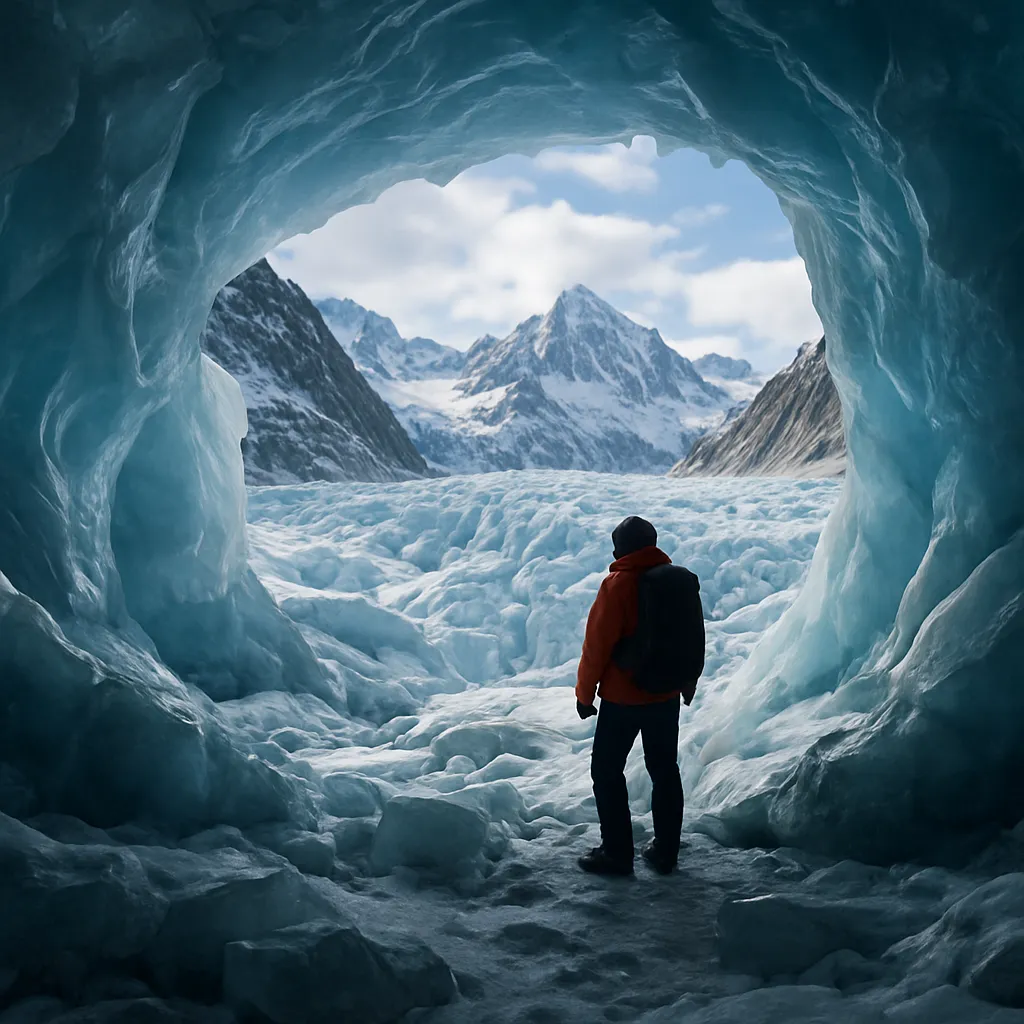
Hidden within the ice are caverns of crystal-clear sapphire walls that enthrall both photographers and researchers. These ice caves vary in size from narrow passageways to halls large enough to host hundreds of visitors. Their formation is governed by a combination of meltwater erosion, volcanic or geothermal heat sources, and structural weaknesses within the ice.
Color and Light
One of the most **mesmerizing** aspects of ice caves is their color palette. Pure ice absorbs longer wavelengths of light, causing interiors to glow in brilliant shades of blue and green. Sunlight filtering through surface crevasses can create prismatic effects, while artificial illumination during guided tours highlights ever-shifting textures and forms.
Acoustic Phenomena
Inside these frozen chambers, sound behaves in unexpected ways. Dripping water echoes like distant bells, and shifting ice produces a symphony of creaks and groans. Researchers employ acoustic mapping to understand cave dimensions and monitor structural stability, ensuring safe access for those who wish to witness these transient wonders.
Cultural and Historical Significance
For centuries, local communities in the Swiss, Austrian, Italian, and French Alps have woven myths around glacial landscapes. Legends speak of hidden treasures guarded by ice spirits, while early explorers documented their awe in travel journals, fueling the golden age of Alpine tourism.
Early Explorations
- 19th-Century Alpine Clubs: Pioneers organized expeditions to chart unmapped glaciers.
- Scientific Surveys: Geologists and naturalists collected ice cores to study past climates.
- Artistic Inspiration: Painters and writers immortalized glacier valleys in Romantic-era works.
Modern Adventure Tourism
Today, ice caves attract thrill-seekers and families alike. Guided tours emphasize both **safety** and education, offering insights into glaciology, permafrost dynamics, and the fragile nature of these formations in the face of climate change. Specialized gear allows visitors to descend into subzero chambers and learn about the unique biodiversity that thrives in these extreme environments.
Conservation Efforts and Future Research
As global temperatures rise, Alpine glaciers are retreating at unprecedented rates. Scientists are racing to document disappearing ice caves before they vanish forever. Collaborative projects bring together climatologists, speleologists, and local authorities to develop strategies for **monitoring**, **mitigation**, and public engagement.
Monitoring Techniques
- Satellite Remote Sensing: Tracks changes in glacier mass and surface area.
- Ground-Penetrating Radar: Maps ice thickness and subglacial features.
- Meteorological Stations: Record temperature, precipitation, and wind patterns.
Community Involvement
Local residents and **non-profit** organizations play a crucial role in preserving Alpine ice landscapes. Educational programs in schools foster awareness of environmental challenges, while citizen science initiatives allow hikers and climbers to contribute **data** on glacier retreat and cave stability.
Prospects for the Future
Despite the dire outlook for many glacial systems, research continues to uncover new ways to adapt and conserve. Proposals include artificial shading to reduce melt rates, sustainable tourism models that minimize ecological impact, and international agreements to limit greenhouse gas emissions. The fate of the Alps’ ice wonders depends not only on scientific ingenuity but also on collective action and political will.