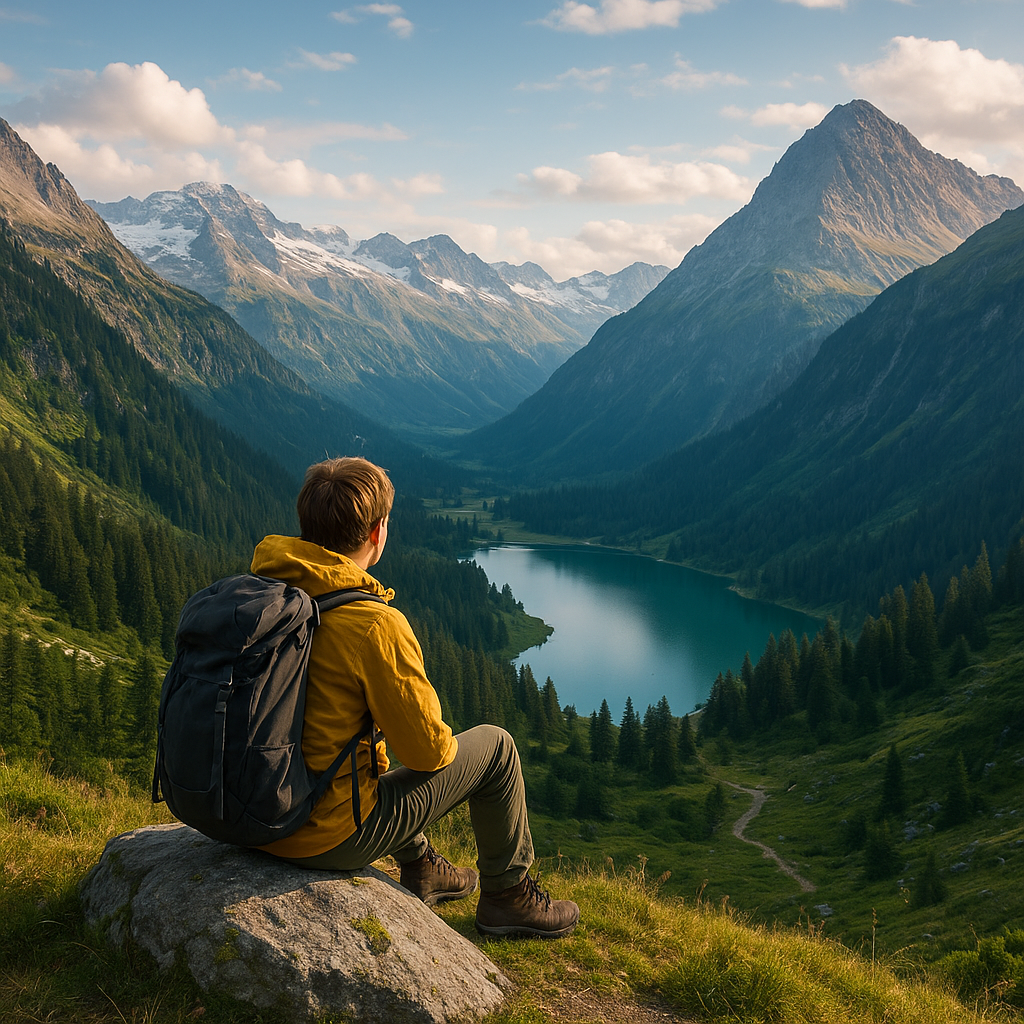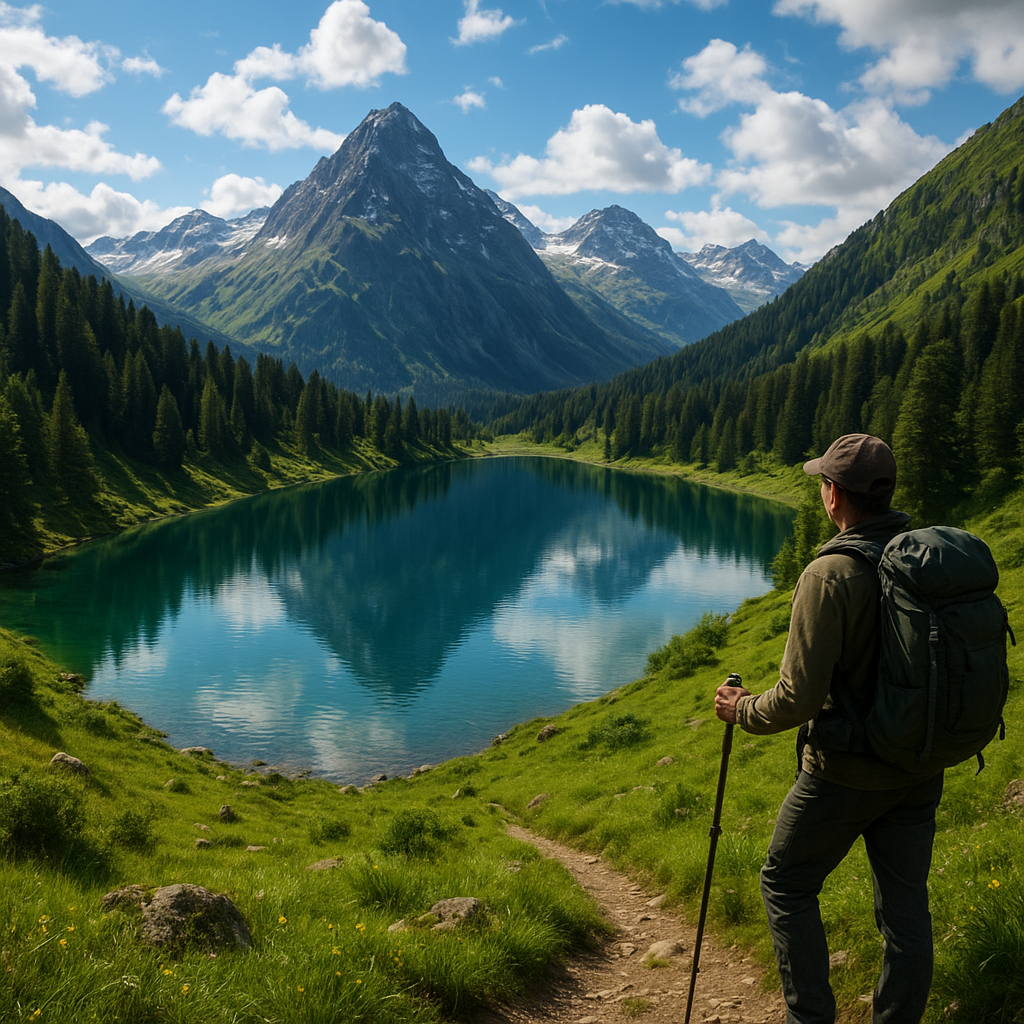
The Alpine region, stretching across eight European countries, stands as a testament to nature’s grandeur and humanity’s enduring relationship with mountainous landscapes. In this article, we journey through the UNESCO Biosphere Reserves nestled in the Alps, exploring their precious ecosystems, the conservation efforts that protect them, and the vibrant cultures that thrive within. Along the way, we highlight the synergy between scientific research, community initiatives, and policy measures designed to foster lasting resilience and balance.
Alpine Biosphere Geography and biodiversity
Boasting some of the most dramatic elevations in Europe, the Alps host an astonishing array of life zones—from submontane forests to nival zones above the permanent snow line. These shifting environmental gradients nurture a tapestry of species and habitats that is both fragile and magnificent.
Elevational Zones and Unique ecosystems
- Submontane and Montane Forests: Home to silver fir, beech, and larch, these woodlands support deer, foxes, and numerous bird species.
- Alpine Meadows: Vibrant in summer with gentians, edelweiss, and orchids, these grasslands are vital for pollinators like bees and butterflies.
- Nival and Glacial Areas: Sparse yet significant habitats for specialized plants, lichens, and cold-adapted invertebrates.
Across these belts, the Alpine Biosphere Reserves protect corridors that enable species migration and gene flow. The concept of connectivity is central: valleys and ridges serve as natural corridors, fostering genetic exchange among populations and enhancing the resilience of wildlife to environmental change.
Conservation and sustainable Development Initiatives
Within UNESCO’s Man and the Biosphere (MAB) framework, Alpine Biosphere Reserves adopt a threefold mandate: conservation of landscapes and species, sustainable economic development, and logistical support for demonstration projects and research. This integrated approach balances human needs with ecosystem integrity.
Key Strategies in Alpine Reserves
- Conservation Zoning: Core areas receive strict protection, while buffer zones allow low-impact activities like guided nature walks.
- Agroecological Practices: Alpine pastures are managed using rotational grazing, preserving soil health and floral diversity.
- Renewable Energy Projects: Small-scale hydropower and solar installations reduce reliance on fossil fuels without compromising scenic values.
- Visitor Management: Seasonal visitor caps and educational programs minimize disturbance to wildlife, especially during breeding seasons.
- Research and Monitoring: Long-term ecological studies track the effects of climate warming on glacial retreat and species range shifts.
By promoting sustainability in sectors such as agriculture, forestry, and tourism, these reserves act as living laboratories. Farmers implementing traditional low-intensity methods receive incentives for maintaining mosaic habitats, while visitor centers showcase best practices for responsible travel.
Cultural heritage and community Involvement
The Alps have been home to mountain communities for millennia, each carving out a place amid rugged peaks. Local customs, foods, and craftsmanship are integral to the identity of biosphere landscapes.
Traditional Practices and Modern Adaptations
- Cheese-making in high-altitude huts: Alpine dairying not only sustains families but also preserves open meadows, critical for alpine flora.
- Seasonal transhumance: Moving herds between valley winter quarters and summer uplands fosters biodiversity and underpins social cohesion.
- Herbal Medicine: Generations of herbalists collect mountain plants such as arnica and gentian, blending ancestral wisdom with contemporary quality control.
Communities are encouraged to develop local brands—mountain honey, artisanal cheese, or herbal teas—that honor heritage and provide economic resilience. Educational workshops invite residents and visitors to participate in bird counts, wildflower surveys, and storytelling sessions, forging a direct link between people and place.
Challenges and Future Prospects
Despite the strengths of the biosphere model, the Alpine region faces mounting pressures. Climate change accelerates glacial melt, alters precipitation patterns, and encourages the upward march of tree lines. Increased avalanche risk and changing water resources pose threats to both ecosystems and human settlements.
Adapting to a Changing Environment
- Climate-Smart Infrastructure: Elevated walkways, avalanche galleries, and slope stabilization projects reduce risks to communities and tourists.
- Adaptive Management: Reserve managers revise zoning plans and grazing quotas in response to real-time environmental data.
- Cross-Border Cooperation: Since the Alps transcend national frontiers, harmonized policies enable unified responses to threats like invasive species.
Looking ahead, the biosphere reserves aim to strengthen their role as hubs for innovation. Collaborative networks among scientists, local authorities, and NGOs facilitate the development of new tools—remote sensing for habitat monitoring, digital platforms for citizen science, and green finance schemes to fund ecosystem restoration.
Ultimately, the Alpine UNESCO Biosphere Reserves exemplify how an integrated ethos—combining rigorous research, active stewardship, and respect for human cultures—can safeguard mountain landscapes. By nurturing diversity, promoting adaptation, and empowering local communities, these reserves chart a path toward a future where nature and society thrive in harmony.