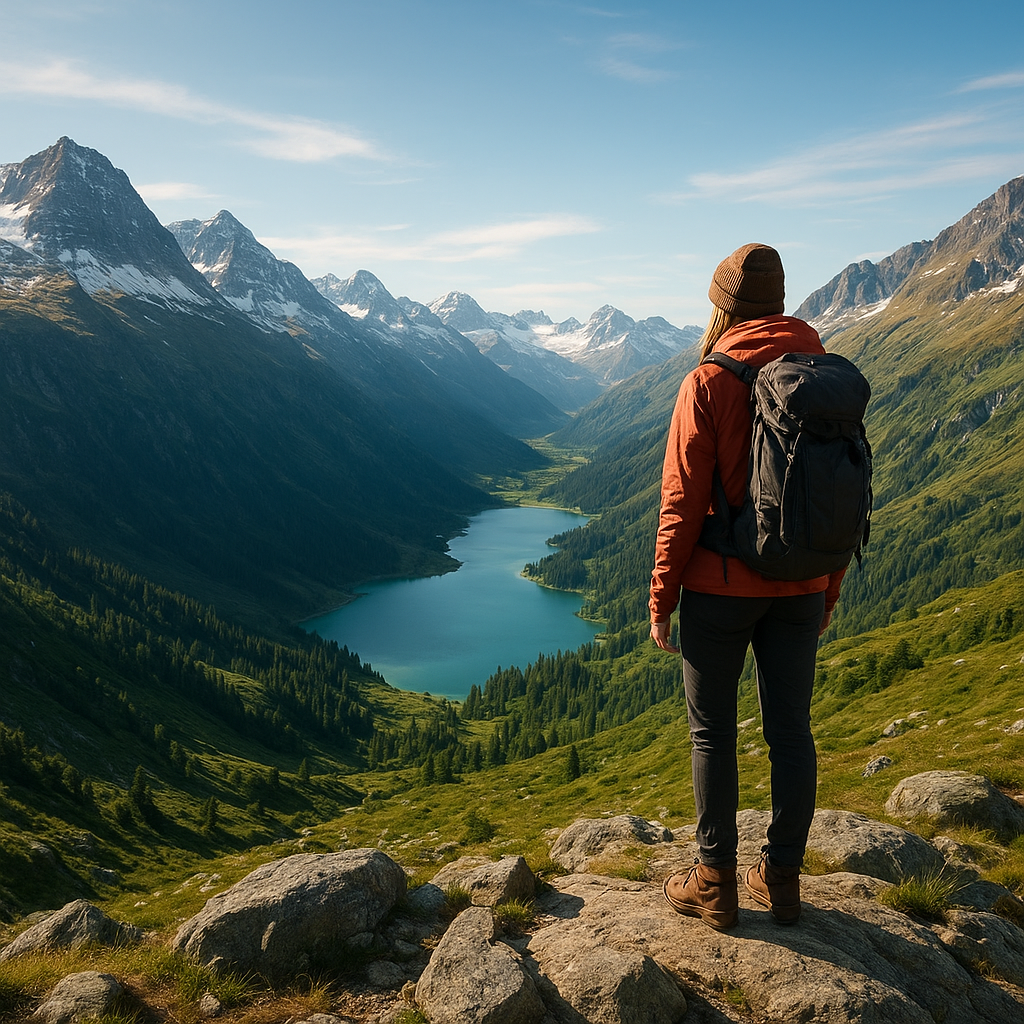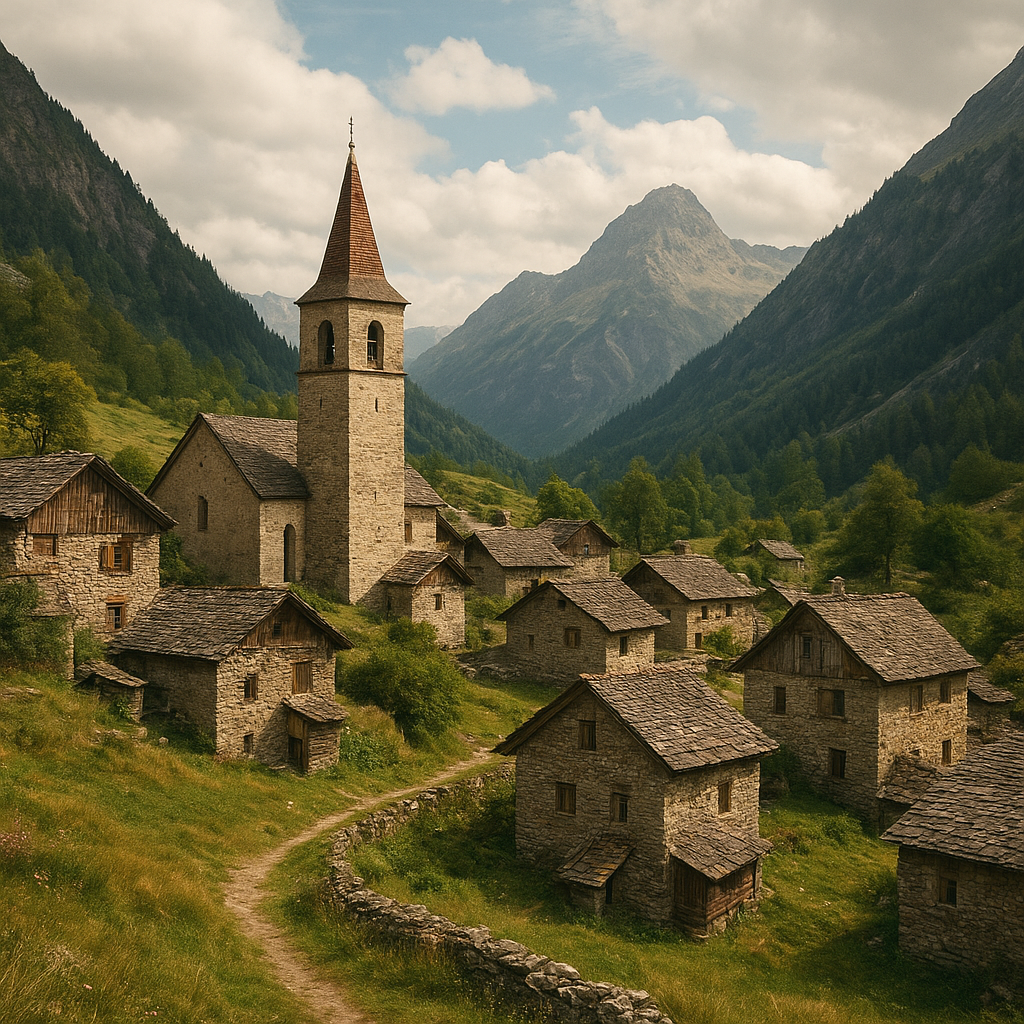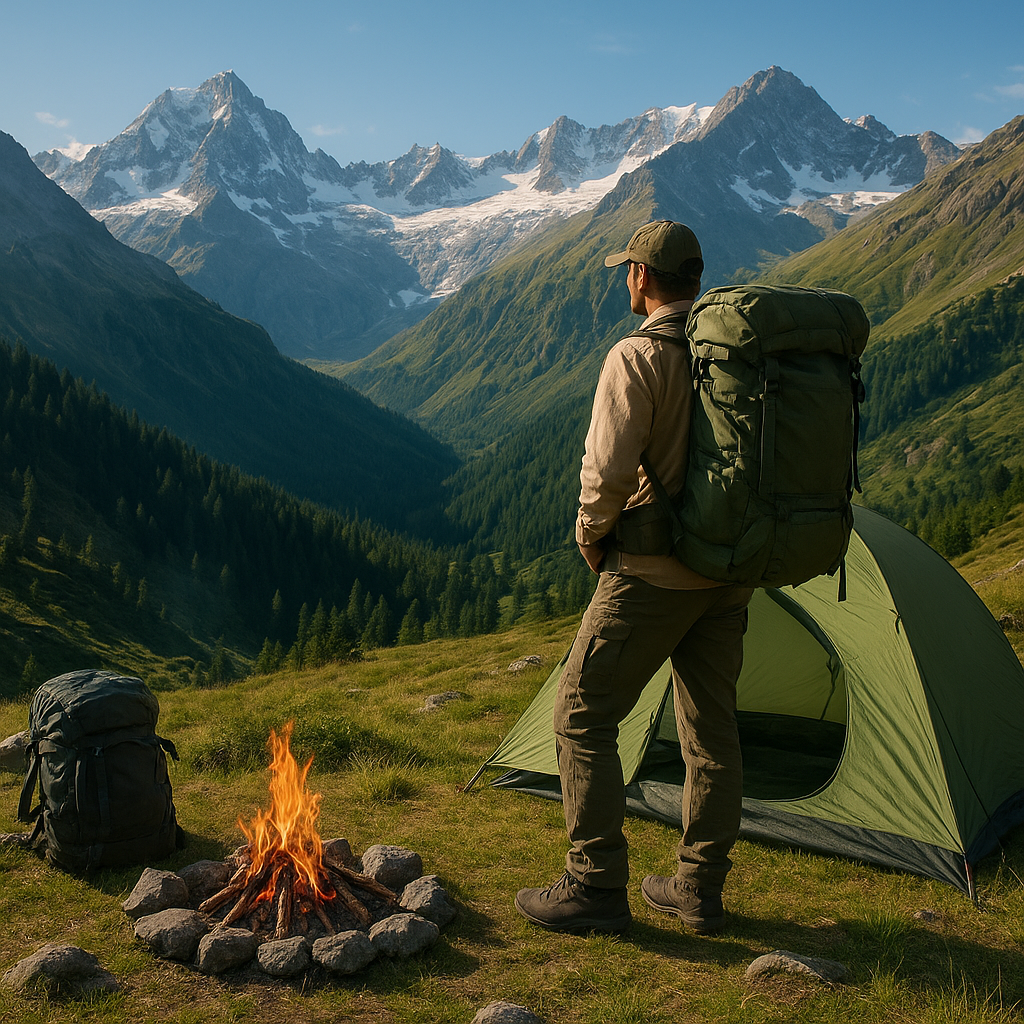
Exploring the towering peaks and verdant valleys of the Alps demands not only a spirit of adventure but also a commitment to preserving this majestic environment. By embracing sustainable practices on the trail and at camp, hikers and campers can reduce their footprint, protect fragile ecosystems, and foster positive relations with local residents. This guide offers practical advice to help you enjoy the Alps responsibly and leave a positive legacy for generations to come.
Planning Your Sustainable Adventure
Before lacing up your boots, careful planning lays the foundation for a minimal impact journey. Aim to select itineraries that match your skill level and physical fitness, reducing the risk of unexpected rescues or trail damage. Research the specific regions you’ll visit—whether the soaring Mont Blanc massif, the jagged Dolomites, or the lush Swiss Prealps—to understand local regulations, seasonal closures, and protected areas.
- Permits and Access: Many Alpine regions require permits for multi-day treks or entry into national parks. Secure these in advance to avoid last-minute hassles and comply with quota systems designed to protect delicate trails and habitats.
- Seasonal Timing: Choose dates that align with wildlife breeding cycles and avalanche risk windows. Spring and early autumn often offer mild weather and fewer crowds, promoting both safety and conservation.
- Group Size: Smaller parties lessen trampling on alpine meadows and mitigate noise pollution that can disrupt wildlife. Consider solo or two-person treks when possible.
Eco-Friendly Gear and Practices
Your equipment choices can significantly influence the carbon footprint of your expedition. Opt for durable, high-quality items that resist wear, minimizing the need for replacements. Seek out brands committed to using recycled materials and renewable energy in manufacturing.
Packing Light and Smart
- Multi-Functional Tools: A lightweight stove that doubles as a water purifier, or a jacket with removable layers, reduces overall weight and waste.
- Reusable Essentials: Replace disposable plastic bottles with collapsible, BPA-free containers. Carry cloth napkins, reusable utensils, and packable shopping bags for village stops.
- Biodegradable Materials: Choose soaps, detergents, and toilet paper labeled biodegradable to respect water sources and soil life.
Energy and Waste Management
- Renewable Power Banks: Solar chargers or hand-crank devices keep electronics running without relying on single-use batteries.
- Leave No Trace: Adhere to the seven principles, from planning ahead to disposing of waste properly. Carry out all rubbish, including food scraps and hygiene items, to prevent attracting animals and polluting the landscape.
- Composting Toilets: In popular backcountry huts or campsites, seek out facilities using composting systems. If none are available, pack a lightweight trowel to bury human waste at least 200 meters from trails and water sources.
Protecting Alpine Biodiversity
The Alps harbor an astonishing array of flora and fauna, from delicate edelweiss blooms to elusive ibex scaling rocky crags. By respecting wildlife and plant communities, you help maintain the region’s rich biodiversity and natural beauty.
Wildlife Etiquette
- Avoid feeding animals. Human food can be harmful, and regular feeding encourages wildlife to approach humans, increasing the risk of conflict.
- Keep a respectful distance when observing creatures such as chamois, marmots, or eagles. Use binoculars or a zoom lens to appreciate details without causing stress.
- Reduce noise levels. Loud conversations or music can disrupt mating calls and alarm wildlife.
Flora Conservation
- Stay on marked trails to prevent trampling sensitive alpine meadows. A single off-trail detour can damage centuries-old plant communities.
- Resist the urge to pick wildflowers. Instead, photograph them to preserve their beauty for others.
- Be aware of invasive species. Clean your boots and gear between regions to avoid transporting seeds or pathogens.
Engaging with Local Communities
Responsible travelers recognize that the Alps are home to vibrant cultures, traditions, and economies that depend on sustainable tourism. By supporting local initiatives, you contribute to the well-being of mountain villages and help preserve age-old customs.
Responsible Accommodation
- Choose eco-certified lodges or huts powered by renewable energy sources such as hydro, solar, or biomass.
- Prioritize family-run guesthouses where profits stay in the community, fostering long-term stewardship of local landscapes.
- Participate in village eco-projects, like tree planting or trail maintenance, to give back directly.
Culinary and Cultural Exchange
- Savor regional specialties made from local, organic ingredients—cheeses, cured meats, and farm-fresh produce reduce the environmental cost of food transport.
- Learn basic phrases in local dialects. A few words of greeting can open doors to deeper cultural understanding and shared respect.
- Attend traditional festivals or craft workshops. Engaging with artisans highlights the importance of preserving intangible heritage alongside natural treasures.
Emergency Preparedness and Safety
Even with meticulous planning, mountain environments carry inherent risks. Sustainable hiking includes being well-prepared to ensure both your safety and the protection of rescue resources.
- Share your itinerary with trusted contacts and register with local rescue services if available.
- Carry a map, compass, and GPS device. Avoid relying solely on mobile phones, as reception can be unreliable.
- Pack a comprehensive first-aid kit, including items to treat blisters, sprains, and altitude-related symptoms.
- Learn basic rescue signals: whistle blasts and reflective mirrors can speed assistance without expending batteries.
Fostering a Conservation Mindset
Sustainable hiking and camping in the Alps is more than a set of rules—it’s an attitude of stewardship that transcends your own journey. By embodying principles of responsible travel, you inspire others to adopt practices that preserve the mountains’ allure. Whether you’re crossing a glacier, pitching a tent by a crystal-clear lake, or breathing in panoramic summit views, remember that each action counts. Embrace the challenge to leave the Alps as pristine as you found them, and become an ambassador for lasting conservation.