Embarking on an alpine adventure without relying on a personal vehicle opens doors to unforgettable experiences while championing sustainability and protecting precious ecosystems. The Alps, stretching across eight countries in Europe, offer a playground of snow-capped peaks, lush valleys, and crystal-clear lakes. By choosing eco-conscious travel methods, you not only reduce your carbon footprint but also immerse yourself in local cultures and pristine landscapes. This guide will help you navigate the Alpine region, discover charming accommodations, enjoy thrilling activities, and support local communities—all in an eco-friendly way.
Getting There and Around Sustainably
Reaching the Alps without a car may seem daunting, but an extensive network of trains, buses, and shuttles makes it surprisingly easy. Once you arrive, exploring via pedal or public service ensures minimal impact on delicate alpine habitats.
Public Transport Options
- Trains: European rail networks connect major cities like Geneva, Zurich, and Munich to Alpine hubs such as Interlaken, Chamonix, and Innsbruck. Opt for scenic routes like the Glacier Express for an unforgettable journey.
- Buses and Shuttles: Local companies operate frequent services from train stations to mountain villages and trailheads. Pre-booking can secure seats during peak season.
- Seasonal Passes: Consider regional passes like the Swiss Travel Pass or Eurail Pass, granting unlimited travel on participating trains and buses for a set number of days.
Rental Bikes and E-Bikes
Once settled in an alpine town, unlock hidden valleys and high-altitude plateaus on two wheels. Many villages offer bike-sharing stations and rental shops with traditional mountain bikes and modern e-bikes. Guided e-bike tours blend moderate exercise with effortless climbs, allowing you to focus on panoramic vistas rather than steep ascents.
Eco-Friendly Accommodation
Choosing green lodging contributes to the conservation of alpine ecosystems while enhancing your stay with authentic, locally rooted experiences. From cozy mountain huts to certified eco-hotels, there are options to suit every budget and preference.
Green Hotels and Hostels
Look for certifications like Green Key or Travelife, which verify that a property follows rigorous environmental standards. Many eco-hotels employ solar panels, use geothermal heating, and recycle waste. Hostels often partner with local suppliers to serve organic breakfasts and encourage guests to participate in community-led conservation projects.
Alpine Farm Stays
Immerse yourself in rural life by booking a room on a working farm. Wake up to fresh dairy products, observe traditional cheese-making processes, and learn about efforts to protect biodiversity in high-altitude meadows. Staying on a farm promotes direct support for local families and regional agriculture.
Low-Impact Alpine Activities
The Alps offer a wealth of activities designed to thrill visitors while preserving the natural beauty of the region. Selecting low-impact pursuits ensures that future generations can enjoy these landscapes as much as you do.
Hiking and Trekking
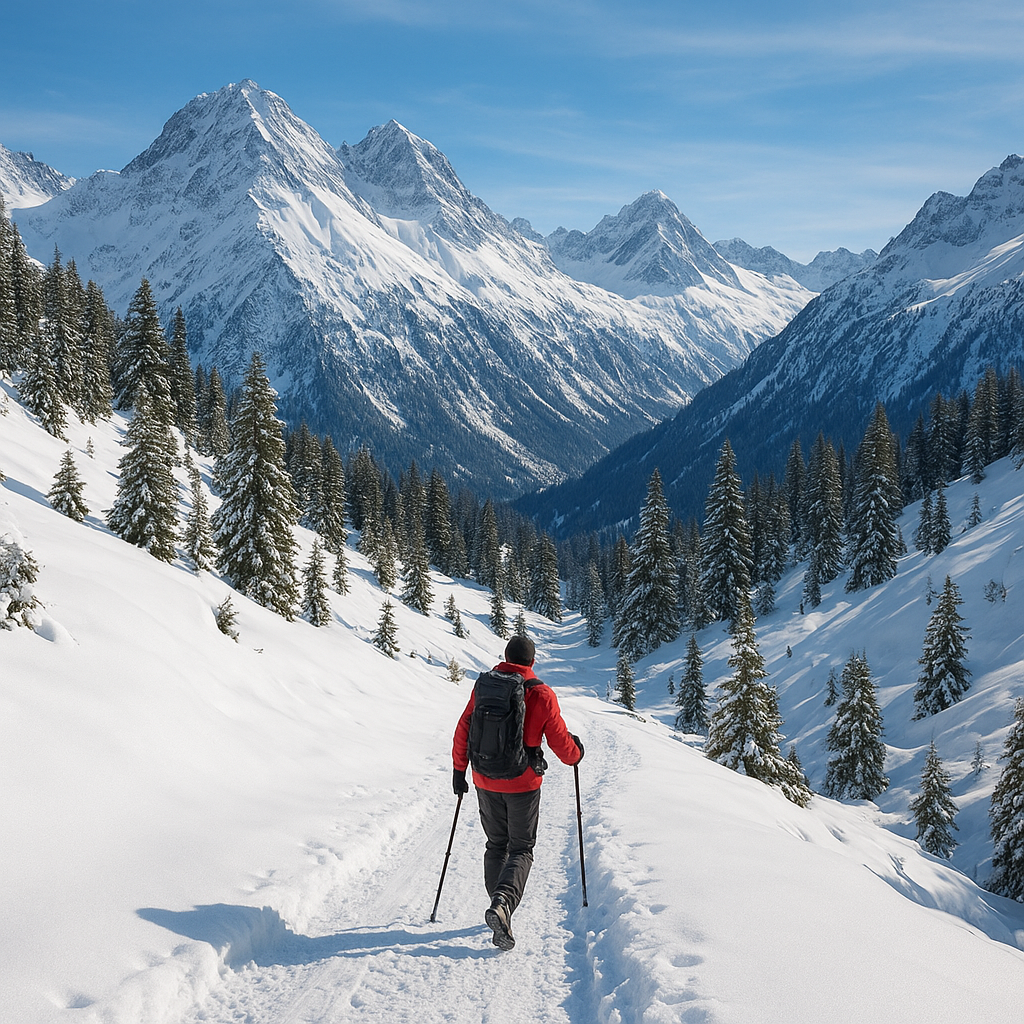
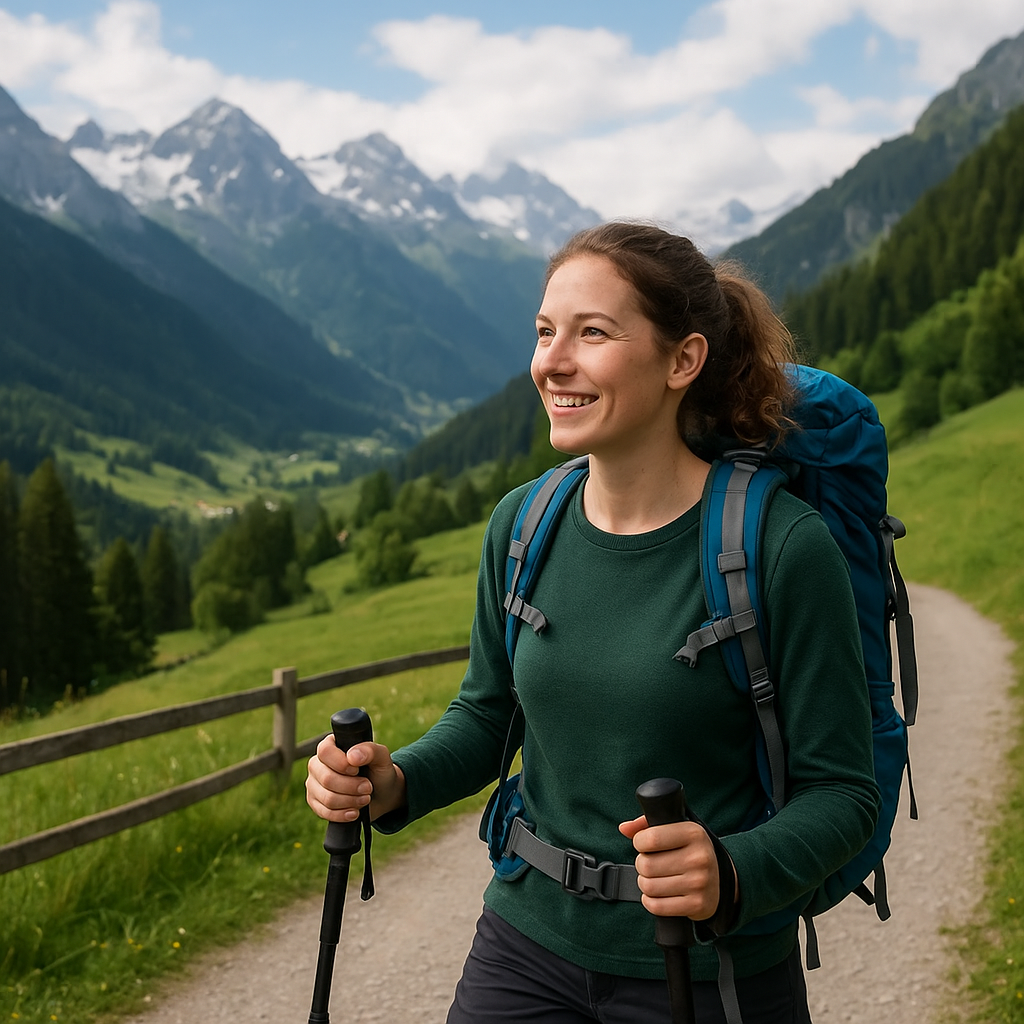
- Marked Trails: Stick to established paths to avoid trampling fragile flora. National parks provide maps with recommended routes for all skill levels, from gentle valley walks to multi-day treks.
- Guided Tours: Joining a certified mountain guide supports local expertise and safety. Guides teach Leave-No-Trace techniques and share knowledge about native plant life and wildlife behavior.
Riding Mountain Bikes and E-MTB
Mountain biking is booming in regions like the Dolomites and Bavarian Alps. Choose routes that avoid nesting sites and wildlife corridors. Many resorts now designate specific trails for e-MTBs to reduce erosion and manage trail use effectively.
Supporting Local Communities
Authentic connections with alpine inhabitants enrich your journey and strengthen the social fabric of mountain regions. Engaging respectfully with local traditions preserves cultural heritage and promotes economic resilience.
Local Markets and Cuisine
Visit weekly farmers’ markets in villages such as Annecy or Grindelwald to sample regional specialties—savory cheese, artisan bread, and herbal teas. Dining at family-run restaurants ensures your tourist euros funnel back into the community.
Cultural Experiences
- Festivals and Fairs: Attend seasonal events like the Valais Onion Festival or Almabtrieb, when cattle return from summer pastures adorned with floral wreaths.
- Workshops and Crafts: Take part in woodcarving classes or pottery workshops led by local artisans. Supporting traditional crafts helps maintain centuries-old skills.
Responsible Practices in the Mountains
Conscientious travelers leave the Alps as pristine as they found them. Adopting ethical habits protects fragile habitats and ensures wildlife thrives undisturbed by human presence.
Leave No Trace Principles
- Plan Ahead: Research regulations, pack reusable items, and avoid single-use plastics.
- Dispose Properly: Carry out all waste, including biodegradable food scraps, to prevent attracting animals.
- Respect Wildlife: Observe animals from a distance and never feed them. Protecting natural behaviors is crucial for their survival.
Wildlife and Conservation
Alpine regions host species like ibex, chamois, and golden eagles. Partnering with local conservation groups through volunteering or donations sustains efforts to monitor populations and restore habitats. Every small action contributes to the long-term health of these majestic wildlife populations.