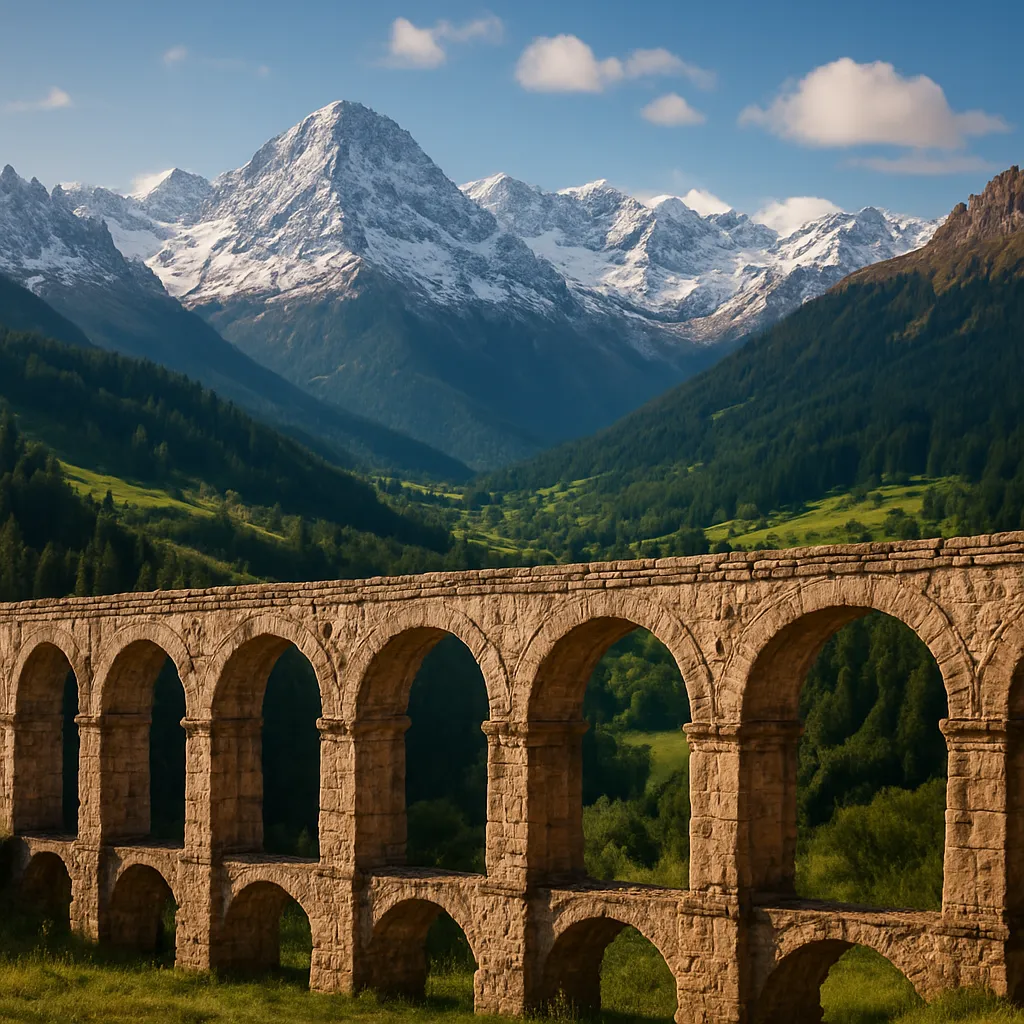
The majestic Alps stretch across eight countries, carving a rugged backdrop for centuries-old rituals of music and movement. Echoes of ancient melodies resound in mountain valleys, offering travelers an authentic window into an enduring heritage. From the haunting call of the Alphorn to the spirited whirl of folk dancers, the Alpine region invites visitors to partake in a living tradition that binds communities in harmony. This guide will lead you through the key instruments, vibrant festivals, dance rituals, and cultural pairings essential to experiencing local folk arts in the Alps.
Discovering Traditional Alpine Instruments
The Alpine soundscape is defined by a handful of unique instruments, each crafted to project over high pastures and echo among peaks.
Key Instruments and Their Origins
- Alphorn: A long wooden horn traditionally used by herders. Its deep, resonant tones carry across valleys.
- Hackbrett: A zither-like instrument played with mallets, producing a bright, shimmering timbre.
- Zither: Strings stretched across a flat body, plucked or strummed to create gentle, harp-like chords.
- Steirische Harmonika: A diatonic accordion popular in Austrian Styria, known for its vibrant bass patterns.
- Trummler: Hand-held drums and bells used in processions to maintain rhythm and signal gatherings.
To appreciate these instruments fully, consider attending a masterclass in a village crafts workshop. Local artisans often demonstrate how spruce, maple, or fir wood transforms into acoustic masterpieces. Observing the careful carving and tuning process provides insight into the instruments’ significance and their role in Alpine storytelling.
Immersive Festivals and Local Gatherings
Across the Alps, seasonal festivals celebrate agricultural milestones, religious feasts, and historical dates through music and dance. Immersion in these events allows visitors to experience communal joy at its most authentic.
Major Alpine Festivals
- Almabtrieb: The autumn cattle drive in Bavaria and Tyrol, when decorated cows descend from mountain pastures to village squares accompanied by bands playing lively tunes.
- Yodel-Fest: Held in rural Swiss cantons, this gathering features yodeling competitions, where performers showcase vocal layering and rapid pitch changes.
- Fête de la Musique in the French Alps: A summer street festival with improvised folk ensembles filling plazas and mountain passes.
- South Tyrolean Folk Festival: A showcase of traditional costumes (trachten), live bands, and communal polkas held each midsummer.
When planning your visit, review local tourism websites for event calendars. Arrive early on festival mornings to secure a spot in the main square, where brass bands, string quartets, and yodel choirs converge. Engage with festivalgoers—their stories will enrich your understanding of how these gatherings foster solidarity and joy.
Participating in Folk Dance Traditions
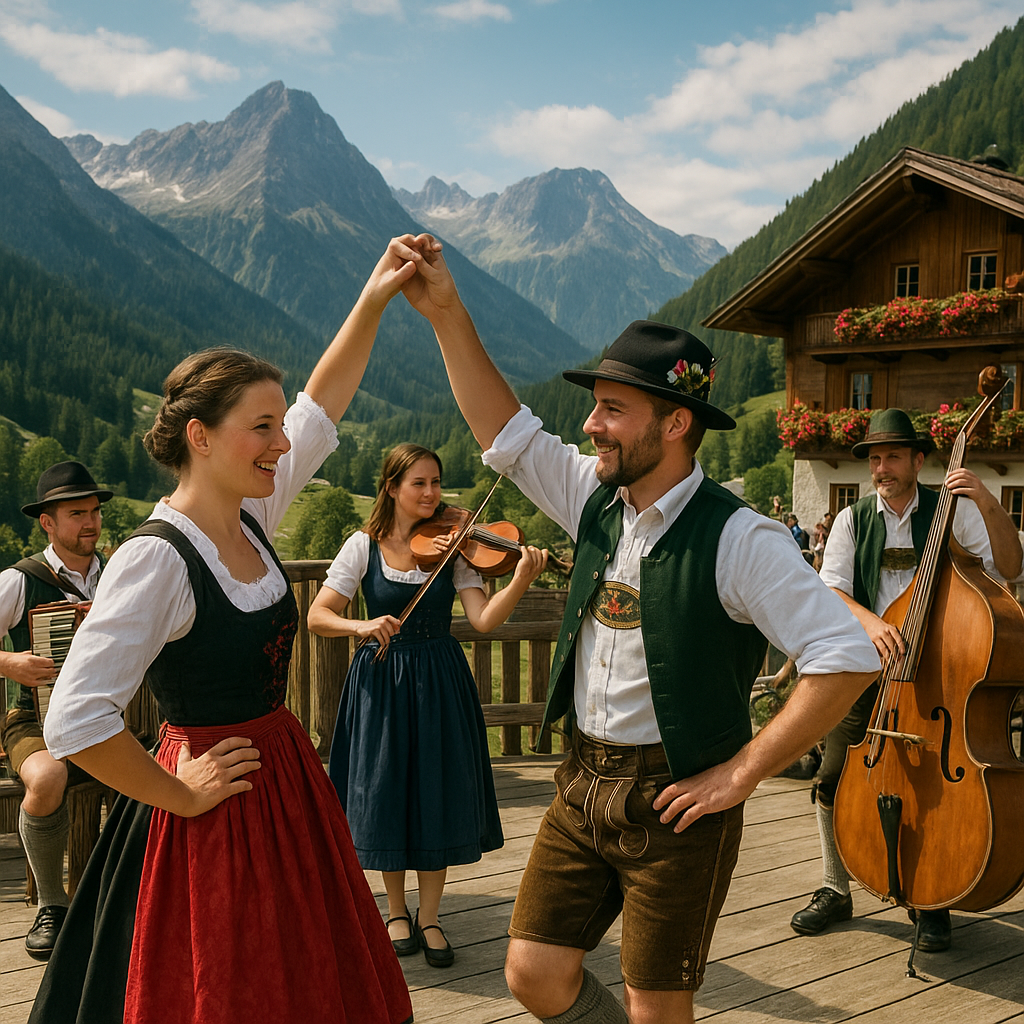
Alpine folk dance is more than entertainment; it is a physical narrative of rural life, courtship, and communal bonds. From stomping Schuhplattler performances in Bavarian beer gardens to elegant waltzes gliding across Tyrolean dance floors, each step has a story.
Popular Dance Styles
- Schuhplattler: Dancers slap their thighs, knees, and soles in rhythmic patterns, often wearing leather breeches and dirndls.
- Tyrolean Waltz: A graceful triple-time dance, inviting partners to twirl in flowing motion.
- Polka: A lively duple-time dance accompanied by accordions and fiddles, perfect for communal floor circles.
- Ländler: A slower, turning couple dance that served as a precursor to the Viennese waltz.
Many Alpine villages host weekly dance nights in local inns. Tourists are encouraged to join introductory workshops led by experienced folk dancers. Wearing comfortable footwear and traditional attire—if available—enhances the sense of belonging. Through participation, you not only learn steps but also forge friendships over shared rhythms, experiencing the unifying power of dance firsthand.
Cultural and Culinary Connections
Folk arts in the Alps cannot be separated from the region’s hearty cuisine and convivial atmosphere. Music and dance often accompany communal feasts featuring cheese, cured meats, and regional wines or spirits.
Dining with Local Artists
- Visit a mountain hut after a folk concert to savor raclette or fondue paired with crisp white wines.
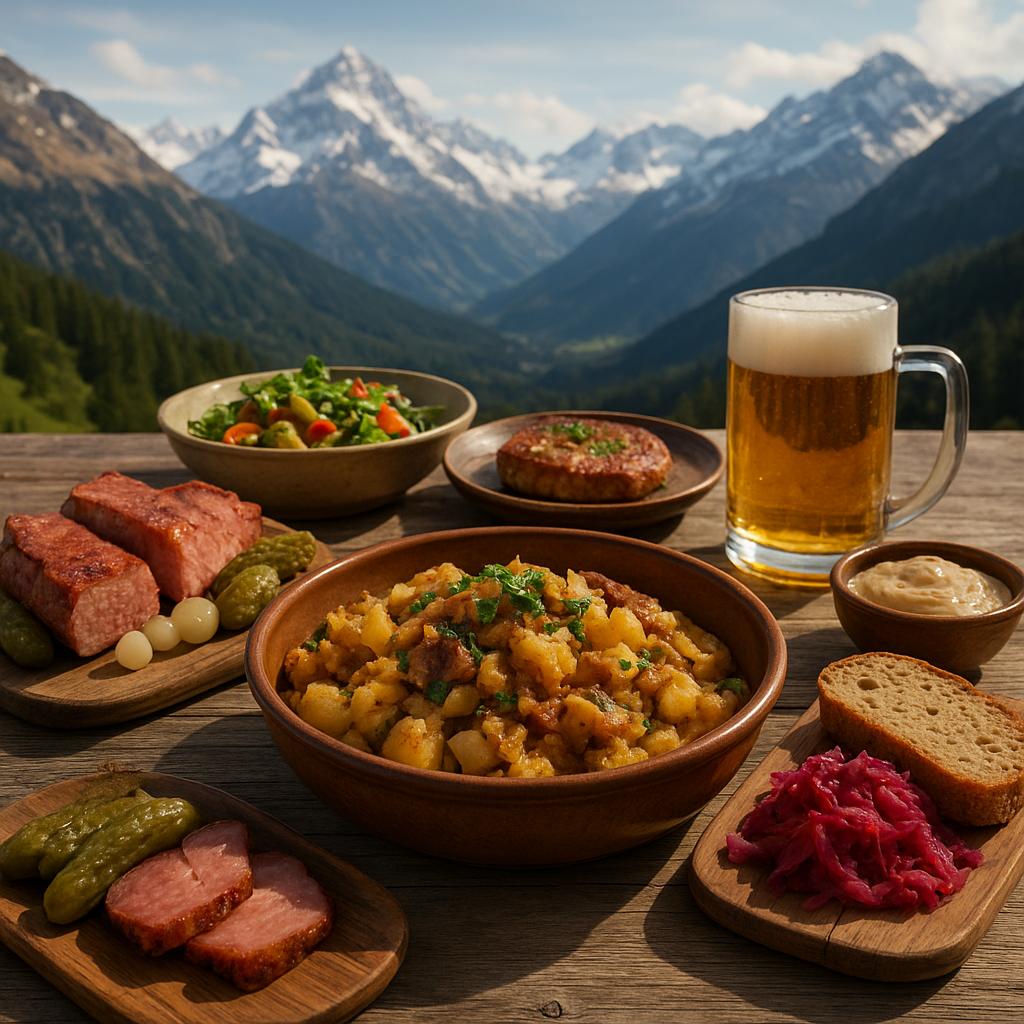
- Attend a farmhouse meal where accordion players and fiddlers perform between courses of speck, sauerkraut, and dumplings.
- Join a harvest celebration featuring plum brandy tastings alongside yodeling performances at dusk.
Engaging in these culinary traditions amplifies your cultural immersion. Locals often invite guests to sing along or step onto improvised dance floors, creating spontaneous connections. Savor the moment, as music, food, and fellowship intertwine to form an unforgettable experience.
Navigating Etiquette and Practical Tips
Respectful participation enhances authenticity for both you and the community. Keep these guidelines in mind:
- Learn a few basic phrases in German, French, or Italian, depending on the region.
- Arrive punctually; traditional performances start on time and delays are frowned upon.
- Dress modestly or invest in a local trachten rental to show appreciation for customs.
- Offer small tokens—such as a thank-you note or regional specialty—to hosts and performers.
- Remain open-minded and curious; asking respectful questions demonstrates genuine interest in their culture and community.
By embracing these local protocols, you forge deeper bonds with hosts and performers alike. Your journey through Alpine folk music and dance becomes more than sightseeing; it evolves into a shared celebration of tradition and human connection.