Embarking on a cross-country Alpine adventure is a thrilling way to immerse yourself in the heart of Europe’s most spectacular mountain range. From winding high-altitude trails to quaint villages nestled in verdant valleys, every stage offers an opportunity to challenge your skills and deepen your appreciation for the natural world. Proper planning is essential to ensure a safe, enjoyable, and truly memorable experience.
Selecting Your Ideal Alpine Route
Choosing the right route is the first step toward a successful journey. The Alps span eight countries—France, Switzerland, Italy, Austria, Germany, Slovenia, Liechtenstein, and Monaco—each offering unique landscapes and cultural experiences. Whether you opt for a section of the famed GR5 trail, the Via Alpina, or an off-the-beaten-path itinerary, consider the following:
- Duration: Decide how many days or weeks you can commit. Multi-week treks require more extensive gear and logistics.
- Elevation Gain: High passes often exceed 2,500 meters. Assess your tolerance for altitude and steep ascents.
- Season: Late June through early September is usually free of heavy snow, but weather can remain unpredictable well into summer.
- Accommodation Style: Options range from cozy mountain huts (rifugi or refuges) to camping sites and guesthouses in villages.
Evaluating Difficulty and Terrain
Alpine trails vary from gentle valley routes to challenging glacial crossings. Research topographic maps and recent trip reports to gauge technical sections. Ridgelines and moraines may demand basic scrambling or the use of ice axes and crampons. If you plan to traverse glaciers, secure proper crevasse-rescue training or hire a certified guide.
Mapping Key Stages
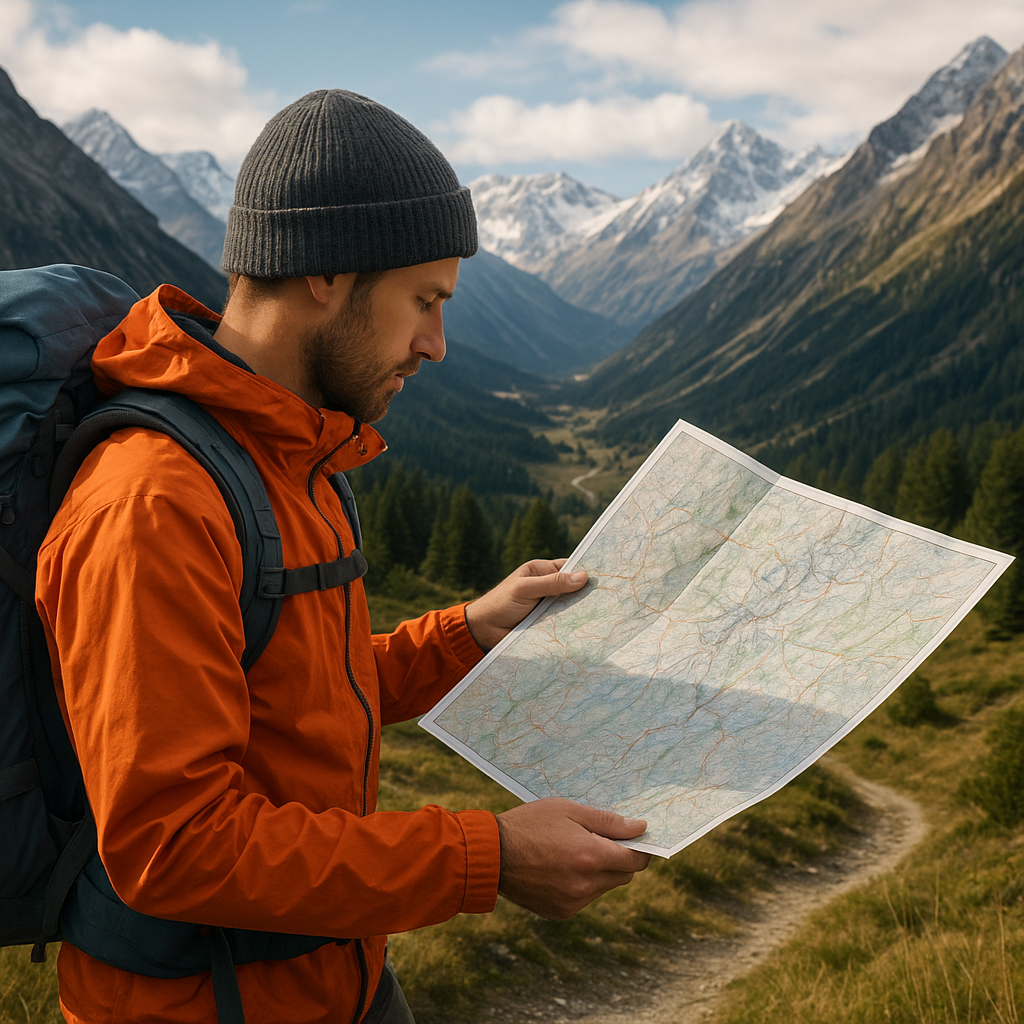
Break the trek into manageable daily stages, allowing room for rest or unforeseen delays. Identify reliable water sources, such as streams and springs, and plan resupply points in larger villages. Digital tools like GPS apps and offline mapping software can enhance navigation, but always carry a paper map and compass as backup.
Essential Gear and Equipment
Every item in your pack should earn its place by balancing weight with functionality. Here’s a list of core equipment:
- Backpack (40–60 L capacity): Comfortable harness, padded hip belt, and rain cover.
- Layered clothing system: Base layer, insulating mid-layer (fleece or down), and waterproof shell.
- Durable hiking boots: Break them in thoroughly to prevent blisters.
- Lightweight tent or bivouac sack (if camping).
- Sleeping bag rated for Alpine nights (around –5 °C) and an inflatable pad.
- Navigation tools: Map, compass, altimeter, and GPS device.
- Cooking stove, fuel, and lightweight pot for hot meals and drinks.
- Hydration system and water purification (filters or tablets).
- First-aid kit with blister-care supplies and emergency whistle.
- Headlamp with spare batteries.
- Sun protection: Sunglasses, sunscreen, and a wide-brimmed hat.
- Optional: Trekking poles, crampons, ice axe, helmet.
Physical Preparation and Training
Endurance and strength are critical components of a demanding Alpine crossing. Start training at least three months before your departure:
- Cardiovascular workouts: Running, cycling, or stair-climbing to boost aerobic capacity.
- Leg strength: Squats, lunges, and weighted step-ups to mimic uphill hiking.
- Core stability: Planks and rotational exercises to support balance on uneven ground.
- Backpack conditioning: Practice hikes with a gradually loaded pack to build tolerance.
- Altitude acclimatization: If possible, spend weekends at higher elevations to adapt gradually.
Incorporate rest days into your training schedule to allow muscle recovery and minimize the risk of injury. Proper nutrition, hydration, and sleep will optimize your performance and resilience.
Understanding Alpine Weather and Safety
The Alps are notorious for rapid weather changes. Clear skies can quickly give way to thunderstorms, hail, or snow, even midsummer. Monitor local forecasts from mountain guides or official meteorological services. Look for these key indicators:
- Afternoon thunderstorm risk: Warm mornings that build instability in the afternoon.
- Wind speeds: High ridges become treacherous in gale-force winds.
- Temperature swings: Be prepared for frost at night and strong solar radiation by day.
- Snow conditions: Late-season snowfields may linger above 2,200 meters.
Carry a lightweight emergency shelter or bivy bag, and always inform someone of your planned route and expected arrival times. Knowledge of basic rescue signals, such as mirror flashes or whistle patterns, can prove vital in a pinch.
Nutrition, Hydration, and Energy Management
Proper fueling ensures sustained energy levels on long days in the mountains. Aim for:
- High-calorie, nutrient-dense foods: Nuts, dried fruits, granola bars, and energy gels.
- Balanced meals: Dehydrated or fresh pasta, rice, and protein sources like tuna packets or cured meats.
- Regular snacks: Consume small portions every 45 to 60 minutes to prevent energy dips.
- Hydration strategy: Drink at least 2 to 3 liters per day, more at higher altitudes or in hot weather.
Electrolyte powders or tablets can help replenish minerals lost through sweat. If you rely on natural water sources, treat or filter before consumption to avoid gastrointestinal issues.
Embracing Local Culture and Sustainability
One of the most rewarding aspects of an Alpine trek is the opportunity to engage with local traditions, cuisine, and conservation efforts. During your journey:
- Support family-run refuges and village eateries to boost the regional economy.
- Practice Leave No Trace principles: Pack out all waste, stay on marked trails, and respect wildlife.
- Learn a few basic phrases in the local language—French, German, Italian, or Slovene—to foster goodwill.
- Seek out regional specialties: Cheese varieties (Gruyère, Raclette), cured hams (Speck, Jambon de Savoie), and local herbal teas.
By minimizing your environmental footprint and engaging with communities, you contribute to the long-term preservation of this breathtaking landscape.