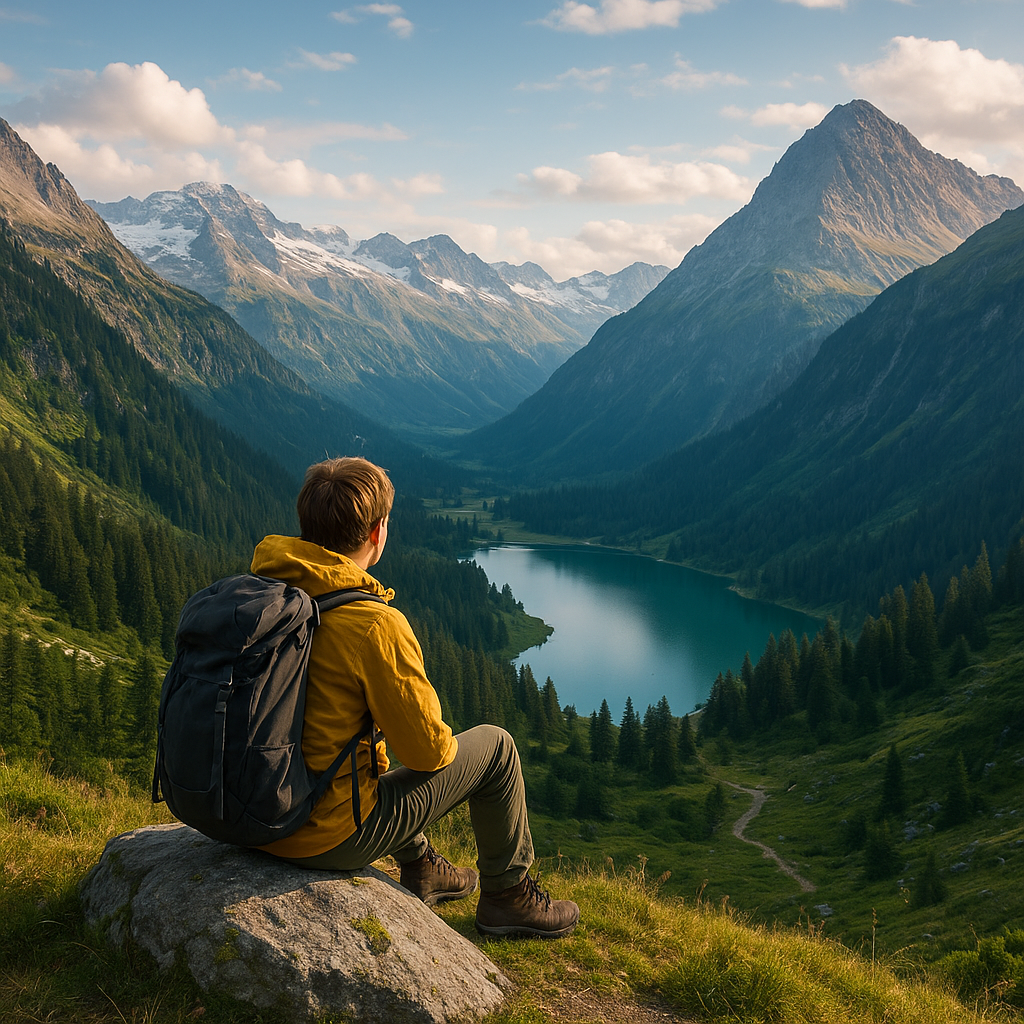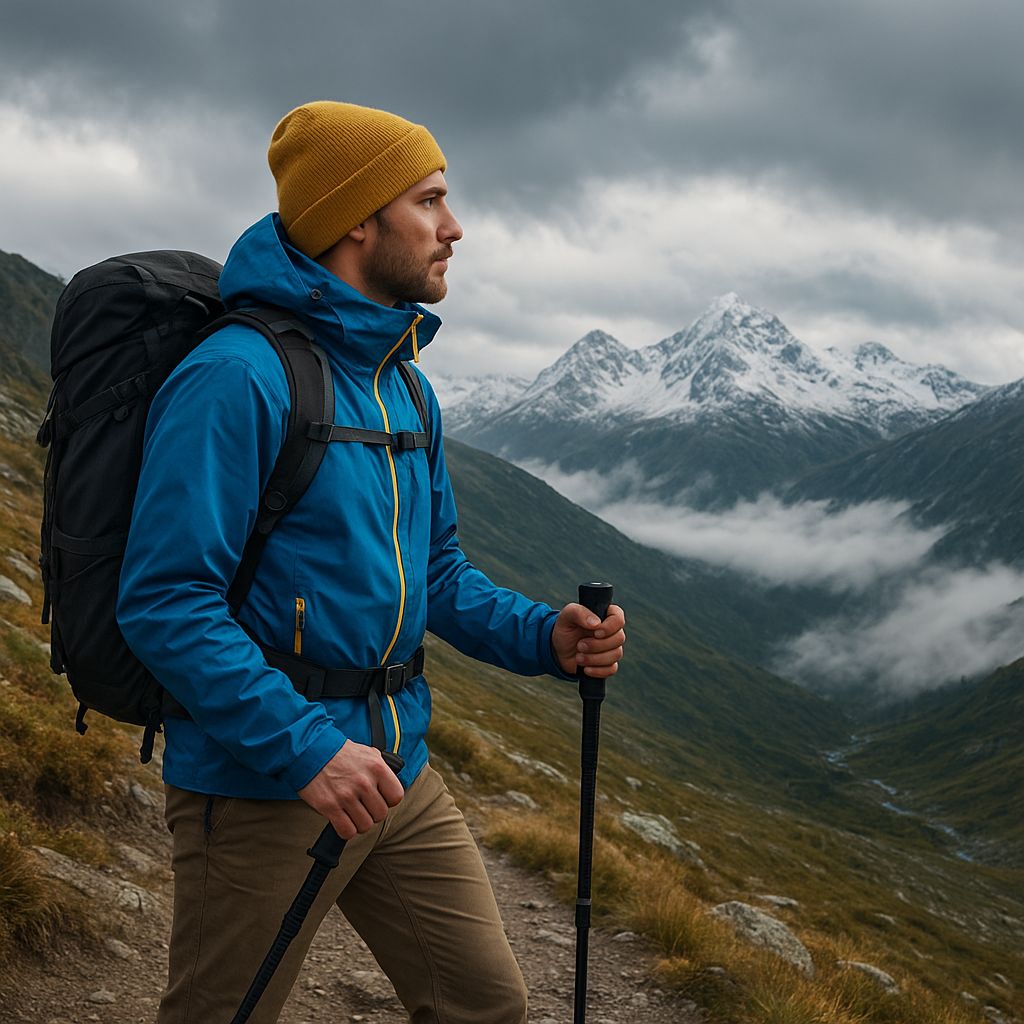
The majestic peaks of the Alps challenge adventurers with their ever-shifting skies and unpredictable conditions. From the gentle alpine meadows below to the snow-capped summits above, preparing for sudden weather swings is vital. This guide offers practical insights into reading the mountains, selecting the right equipment, and adopting strategies to enhance your safety and resilience on high-altitude journeys.
Understanding Alpine Weather Patterns
Weather in the Alps can change in a matter of minutes. A clear blue sky can quickly give way to dense fog or roaring winds. To navigate this volatile environment, climbers and hikers must grasp the factors influencing mountain weather:
Topographical Influence
- Rising air masses cool rapidly as they ascend the steep valleys and ridges.
- Leeward sides of peaks often experience sudden “rain shadows,” where moisture-laden clouds dump precipitation before clearing.
- Local features such as glaciers and cirques create microclimates with their own unique conditions.
Meteorological Indicators
Key signs that signal an approaching storm include:
- Rapid drop in barometric pressure recorded on portable altimeter gauges.
- Formation of lenticular or roll clouds near summits, often indicating powerful winds at altitude.
- Sharpening temperature gradients visible when shadows become more pronounced against distant ridges.
Staying informed via real-time weather services and mountain-specific forecasts is essential. Many services now offer apps tailored to the Alps, providing updates on wind speeds, precipitation, and avalanche risks for specific valleys and peaks.
Essential Gear and Clothing for Alpine Expeditions
Choosing the correct gear can spell the difference between a triumphant ascent and a perilous retreat. Layering is the cornerstone of alpine preparation:
- Base Layer: Moisture-wicking synthetic or merino wool to keep skin dry.
- Insulation Layer: Fleece or lightweight down to retain body heat.
- Shell Layer: Waterproof, breathable jackets and trousers that shield against wind and snow.
Footwear and Accessories
- Mountaineering boots with rigid soles compatible with crampons for icy slopes.
- Gaiters to prevent snow from entering boots during deep drifts.
- Gloves: A combination of insulated and waterproof designs, plus thin liners for dexterity.
Technical Equipment
For climbers tackling steep terrain:
- Crampons and ice axes rated for mixed snow and rock.
- Dynamic climbing rope, harness, and a compact rack of protection devices.
- Helmet to fend off falling rock or ice chips.
Don’t overlook emergency essentials: a GPS locator, headlamp with extra batteries, a multi-tool, and a first-aid kit stocked with blister pads, bandages, and pain relief. These items reinforce your safety net when rapid weather shifts force delayed descents or unexpected bivouacs.
Strategies for Abrupt Climate Shifts and Safety Measures
When a storm rolls in, time becomes your most valuable asset. Respond swiftly and decisively by following these guidelines:
Risk Assessment and Route Planning
- Break your journey into manageable segments with clear turnaround times based on forecast windows.
- Identify safe havens such as alpine huts, rock overhangs, or sheltered tree lines.
- Maintain flexibility: be prepared to abandon summits and opt for lower-elevation routes.
Weather-Driven Decision Making
Three core principles guide successful decisions:
- Conservatism: If indicators hint at worsening weather, descend early. No summit is worth risking hypothermia or disorientation.
- Communication: Keep in touch with base support or fellow parties using satellite messengers when out of cell range.
- Continuous Monitoring: Regularly check altimeter readings and weather apps on the move, adjusting plans as conditions evolve.
Emergency Response Techniques
In the event of an unexpected blizzard or whiteout:
- Establish a makeshift shelter using your emergency bivvy and snow shovel to create a windbreak.
- Signal rescuers with brightly colored gear or a reflective panel, and fire smoke or mirror flashes if visibility improves.
- Ration food and water, using fuel to melt snow only in brief intervals to conserve gas canisters.
Equipping yourself with avalanche training and a beacon, probe, and shovel is critical for winter and early spring expeditions. Practicing timed mock rescues will hone your team’s coordination under stress.
Preparing Mentally and Physically for Alpine Challenges
Success in high mountains depends as much on mindset as it does on gear. Cultivate these habits well before you step onto glacier ice:
Physical Conditioning
- Endurance Training: Long hikes with weighted packs replicate summit days and build cardiovascular stamina.
- Strength Workouts: Focus on legs, core, and back muscles to handle steep ascents and heavy loads.
- Altitude Acclimatization: Plan for gradual elevation gains, incorporating rest days or lower-altitude hikes.
Mental Preparedness
- Visualization Practices: Mentally rehearse challenging sections, transitions, and emergency scenarios.
- Stress Management: Techniques like controlled breathing, meditation, or mindfulness help maintain calm under duress.
- Team Dynamics: Foster clear communication, role assignments, and collective decision-making to reinforce mutual trust.
By training adequately, you enhance your physical capacity and sharpen the instincts that keep you safe when the climate turns against you. Remember that no amount of preparation can eliminate all risk, but a combination of knowledge, practice, and the right mindset will dramatically tip the odds in your favor.