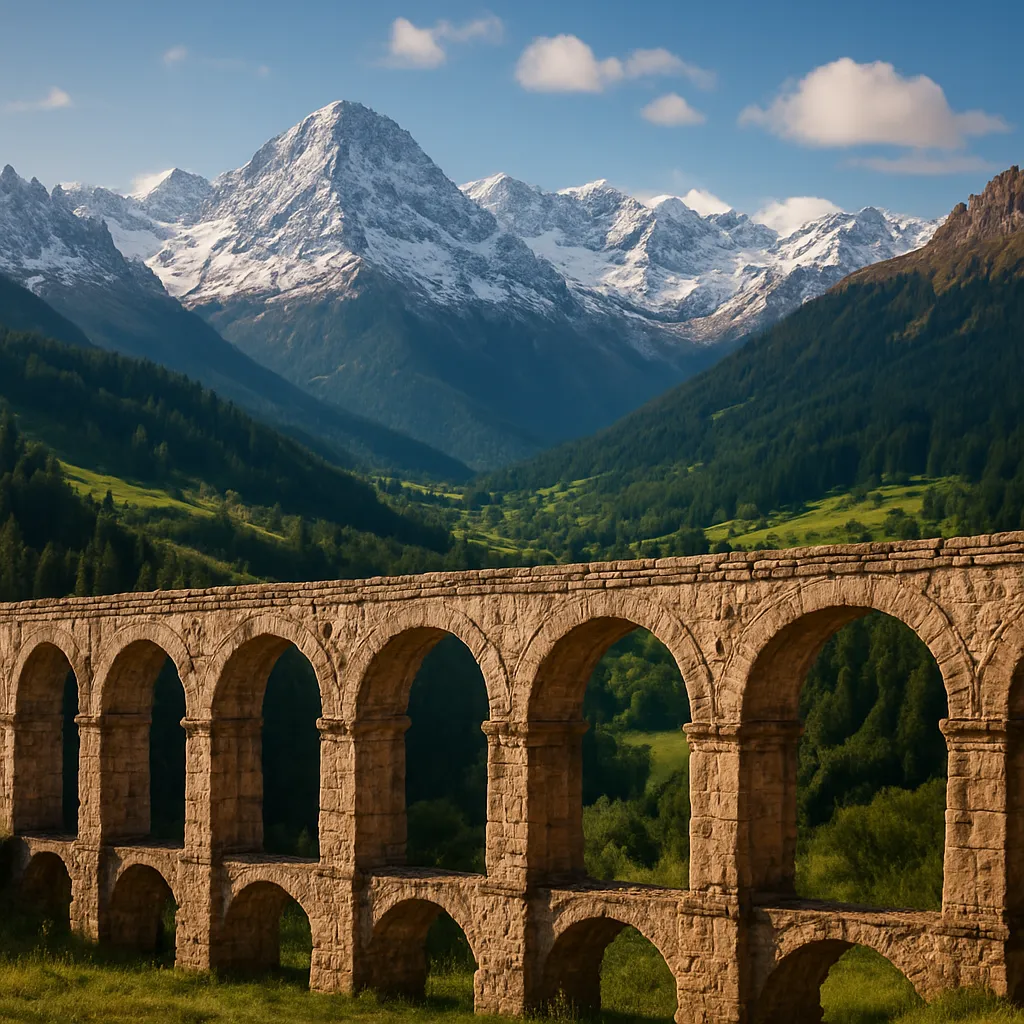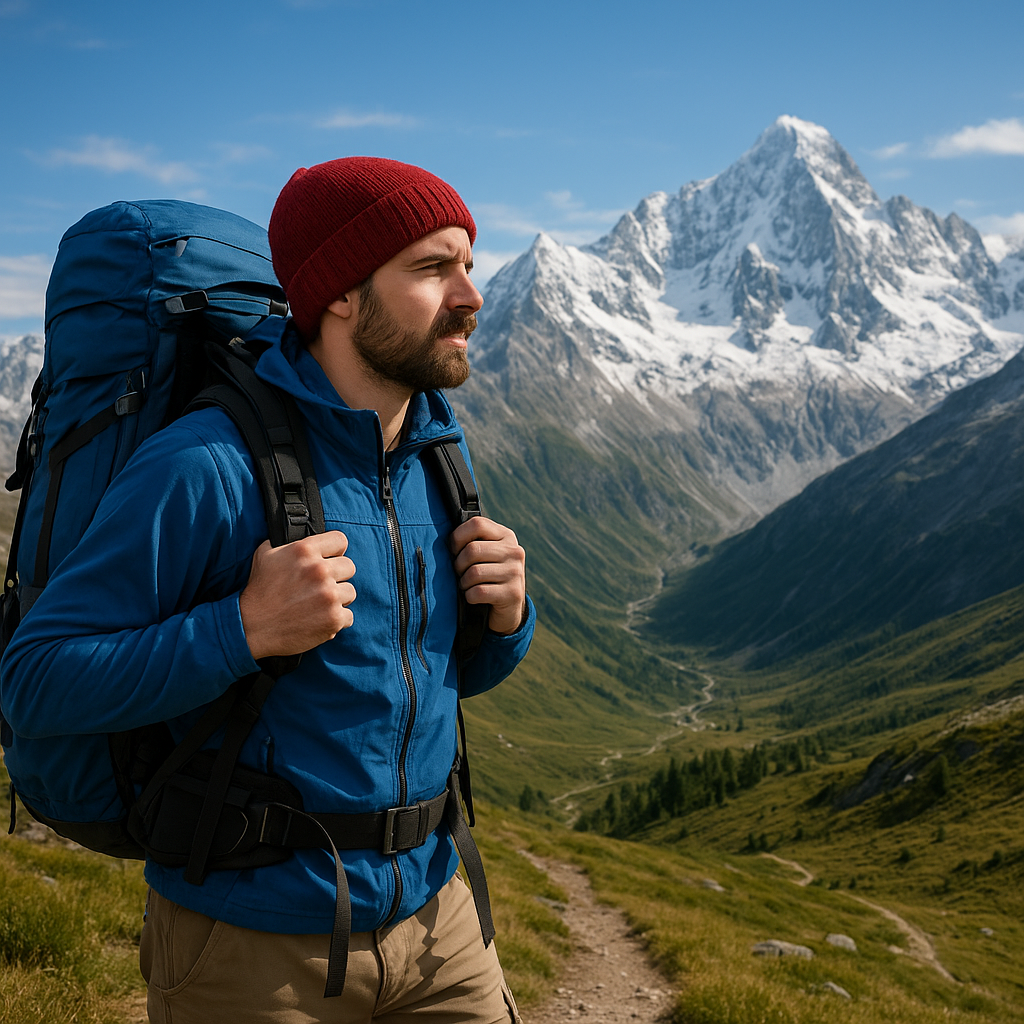
The Alps offer a breathtaking landscape of snow-capped peaks, lush valleys and winding trails that challenge even the most experienced hikers. Preparing for a high-altitude trekking adventure in this iconic mountain range requires careful planning, rigorous training and a solid understanding of the environmental factors at play. This guide will explore the essential steps to ensure you arrive at the trailhead ready to tackle the world’s most dramatic alpine scenery.
Understanding the Challenges of High-Altitude Trekking
High-altitude trekking involves more than just following a marked trail. As elevation increases, the atmosphere becomes thinner, temperatures fluctuate dramatically and weather patterns shift unexpectedly. Merely strolling at sea level won’t prepare you for the unique stresses your body will encounter above 2,500 meters.
- Altitude impacts your breathing by reducing the amount of oxygen available per breath. You may feel short of breath after minimal exertion.
- Lower atmospheric pressure can lead to altitude sickness, causing headaches, nausea and dizziness if not managed properly.
- Ultraviolet radiation is stronger at higher elevations, increasing the risk of sunburn and snow blindness.
Understanding these physiological and environmental factors is the first step toward a successful expedition. Proper research on each segment of your route—including elevation gain, terrain type and remoteness—should be conducted well in advance.
Essential Physical Preparation and Training
Building a strong fitness base is critical when planning a trek in the Alps. Strengthening your cardiovascular system, improving muscular endurance and fine-tuning your balance will help you conquer rocky trails, icy patches and steep ascents.
Cardiovascular Conditioning
Endurance is the cornerstone of any hiking expedition. Incorporate the following into your routine:
- Long-distance running or cycling sessions, gradually increasing duration.
- High-intensity interval training to boost lung capacity and improve oxygen utilization.
- Hiking with a weighted backpack on varied terrain to simulate real conditions.
Strength Training and Core Stability
Targeted exercises will preserve your joints and improve your ability to carry a fully loaded pack:
- Squats, lunges and step-ups to enhance leg power.
- Planks, Russian twists and deadlifts for a rock-solid core.
- Resistance band workouts to increase muscle endurance in the shoulders and back.
Finally, don’t neglect flexibility and mobility drills. Yoga or dynamic stretching routines can reduce the risk of strains when traversing uneven ground.
Gear and Equipment for Alpine Expeditions
Selecting the right gear can make the difference between a memorable climb and a treacherous ordeal. The Alps present a range of conditions, from scorching valley heat to sub-zero summit winds.
- Footwear: Waterproof, insulated hiking boots with firm ankle support and aggressive tread patterns.
- Clothing Layers: A moisture-wicking base layer, an insulating mid layer and a windproof, breathable outer shell.
- Backpack: A 40–60 liter pack with a sturdy frame, hip belt and multiple compartments for easy access to essentials.
- Sleeping System: A 4-season sleeping bag rated for temperatures well below your expected low, and an insulating sleeping pad.
- Navigation tools such as a map, compass and GPS device, alongside spare batteries and waterproof cases.
- Optional items: ice axe, crampons, trekking poles and ski goggles for glacier crossings or snowy ridges.
Perform a trial run by packing your kit and hiking a local mountain. This exercise will reveal any discomfort, weight distribution issues or missing items.
Navigating Altitude Sickness and Health Risks
Altitude sickness is an unpredictable adversary. Proper acclimatization and vigilance are key to staying safe. Common symptoms include headaches, fatigue, loss of appetite and swollen extremities.
Preventive Strategies
- Climb high, sleep low: Ascend to higher altitudes for short periods, then return to lower camps to rest.
- Hydration: Maintain high fluid intake. Aim for at least 4 liters per day to combat dehydration from dry mountain air.
- Nutrition: Prioritize carbohydrates for quick energy. Nuts, energy bars and dried fruits are concise, calorie-dense snacks.
- Pace yourself: Avoid rapid ascents. A daily rise of no more than 300–500 meters reduces risk.
Recognizing and Responding to Symptoms
- Mild symptoms can often be managed by rest, extra fluids and a slow ascent.
- If severe symptoms appear—such as persistent vomiting, ataxia or confusion—immediate descent is imperative.
- Carry a small medical kit with medications like acetazolamide, ibuprofen and anti-nausea tablets after consulting a physician.
Choosing Routes and Acclimatization Strategies
The Alps cover multiple countries and offer routes of varying difficulty. Whether you pick the famous Tour du Mont Blanc or lesser-known Tyrolean passes, ensure your plan aligns with your skill level and timeframe.
Classic Alpine Routes
- Tour du Mont Blanc: A 170 km loop encountering France, Italy and Switzerland, with well-developed refuges.
- Haute Route: Connects Chamonix and Zermatt over glaciated terrain, recommended for experienced mountaineers.
- Dolomite High Route: A more accessible trek in Italy’s dramatic limestone landscapes, with cableway shortcuts.
Customizing a Personal Itinerary
Consider these factors when plotting each stage:
- Total elevation gain per day and cumulative altitude changes.
- Availability and location of mountain huts or refuges.
- Weather windows and typical seasonal variations.
- Emergency exit points and nearest medical facilities.
By carefully choosing rest days and ascent profiles, you can optimize your body’s adaptation to decreasing oxygen levels. Always leave your route plan with a trusted contact and check in periodically.
Maintaining Safety and Environmental Respect
Mountains demand respect. Your safety plan should include reliable communication methods such as satellite messengers or emergency beacons. Carry extra food and water purification tools in case of delays.
Equally important is preserving the alpine ecosystem. Follow Leave No Trace principles: pack out all waste, avoid disturbing wildlife and use established trails to minimize erosion.
With thorough physical preparation, the right training regime and a clear awareness of altitude-related risks, you can conquer the Alps with confidence. This majestic mountain range may test your limits, but it also rewards perseverance with unforgettable vistas and a profound sense of achievement.