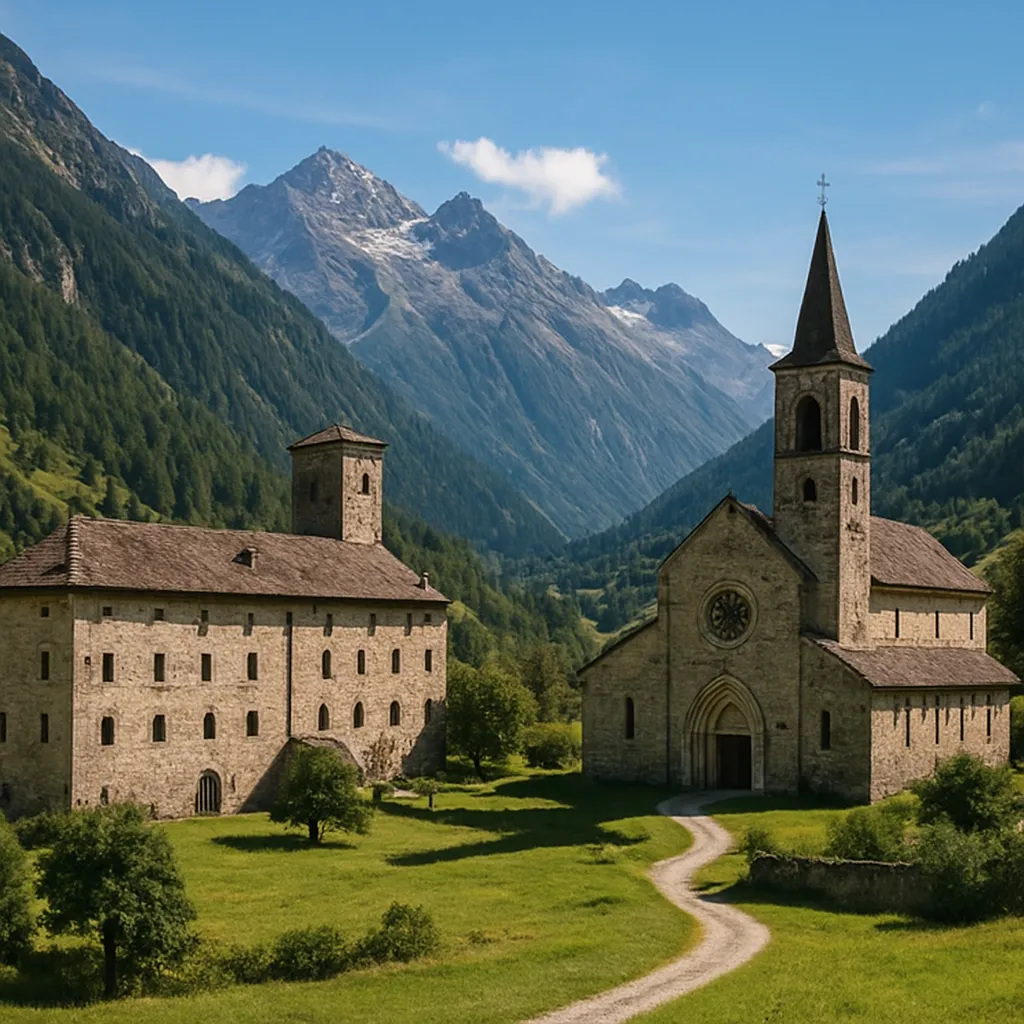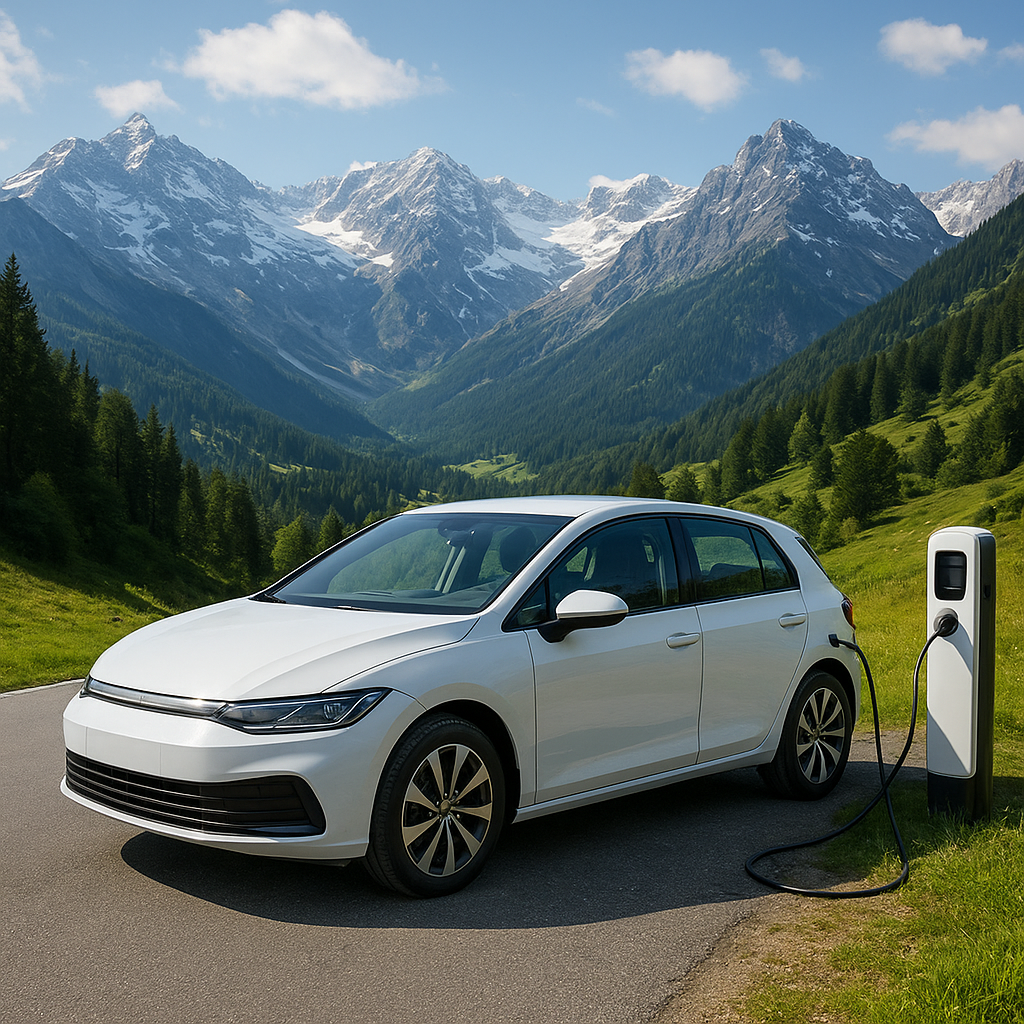
The majestic mountain range known as the Alps offers breathtaking landscapes, winding roads, and a unique blend of culture and nature. Exploring this region with an electric car adds an innovative twist to the classic road trip. From planning your route and mastering the art of charging on the go to discovering the most scenic viewpoints, this guide will equip you with the knowledge needed for an unforgettable adventure.
Planning Your Alpine Route
Before hitting the road, thoughtful preparation is essential. Traveling across high-altitude passes and remote valleys demands careful consideration of your vehicle’s battery capacity and the availability of charging points. Begin by mapping out major towns and tourist hubs where you can top up your vehicle’s power.
Choosing the Right Path
- Identify key mountain passes such as the Great St. Bernard, Stelvio, and Großglockner.
- Consider alternative scenic detours to experience lesser-known villages and panoramic vistas.
- Plan for daily driving distances that align with your car’s range, accounting for elevation changes.
Utilizing Digital Tools
Several mobile applications and online platforms specialize in electric vehicle journey planning. They can predict energy consumption based on factors like temperature, terrain, and speed. Integrate real-time traffic updates and station availability to minimize waiting times. This approach supports sustainability by reducing unnecessary detours.
Charging Infrastructure and Pit Stops
The growing network of public chargers throughout the Alps makes long-distance travel more feasible than ever. From ultra-fast stations near major highways to slower AC chargers in quaint mountain hamlets, you’ll find a variety of options.
Types of Chargers
- Ultra-Fast DC Chargers: Ideal for quick top-ups, often delivering 100–350 kW.
- Level 2 AC Chargers: Commonly found at hotels, restaurants, and municipal parking lots.
- Tesla Superchargers: Strategically located along main corridors for Tesla owners.
Optimizing Charging Sessions
Avoid charging from 10% to 100% in one go; instead aim for 20%–80% to benefit from a faster charging curve. Use breaks to explore local attractions, sample regional cuisine, or simply stretch your legs. This strategy transforms every stop into an opportunity for discovery.
Discovering Alpine Highlights
Electric travel doesn’t mean missing out on classic mountain experiences. On the contrary, the quiet hum of an EV complements the serene ambiance of the highlands and forests.
Iconic Mountain Passes
- Stelvio Pass (Italy): Known for its hairpin turns and dramatic elevation changes.
- Col du Galibier (France): Offers sweeping views of glaciers and rock formations.
- Furka Pass (Switzerland): Scenes from cinematic classics meet modern engineering.
Cultural and Natural Attractions
Venture into traditional villages to admire wooden chalets and sample artisanal cheese. Visit high-altitude botanical gardens where endemic species thrive in rocky soil. If you’re chasing an eco-friendly experience, check out mountain resorts that harness hydroelectric or solar power for their operations.
Tips for a Smooth Alpine Electric Journey
Mountain driving presents specific challenges. Follow these guidelines to ensure comfort and safety as you navigate winding roads and sudden weather shifts.
Driving at High Elevations
- Expect reduced battery efficiency at colder temperatures and steep climbs.
- Use regenerative braking on descents to recover energy and maintain control.
- Monitor tire pressure; it can drop in lower temperatures, affecting traction.
Seasonal Considerations
Winter travel demands snow tires or chains, and chargers may be slower if iced over. Summer months, while warmer, can increase energy consumption due to air conditioning. Adjust your itinerary to avoid high traffic periods and to secure charging stations in less crowded regions.
Accommodation and Local Experiences
Choosing the right places to stay can elevate your journey beyond a simple road trip. Seek out lodgings that cater to EV drivers by providing on-site charging, perhaps even powered by renewable sources.
- Mountain lodges with solar canopies covering parking areas.
- Eco-resorts utilizing wind or micro-hydropower alongside traditional hydroelectric plants.
- Family-run B&Bs offering personalized recommendations on hidden gems away from main thoroughfares.
Eating local specialties—such as hearty fondue in Switzerland, polenta dishes in northern Italy, or sauerkraut and sausages in Austria—adds a cultural flavor to each stop. Engage with regional festivals celebrating alpine traditions, music, and crafts to immerse yourself fully in the mountain heritage.
Conclusion
Embarking on a tour of the Alps with an electric car is both feasible and rewarding. By meticulously planning your routes, mastering the art of charging, and embracing the region’s natural and cultural riches, you’ll experience a uniquely quiet, zero-emission journey. Let the mountains challenge your driving skills and inspire your sense of adventure, all while demonstrating the true potential of sustainability on four wheels.