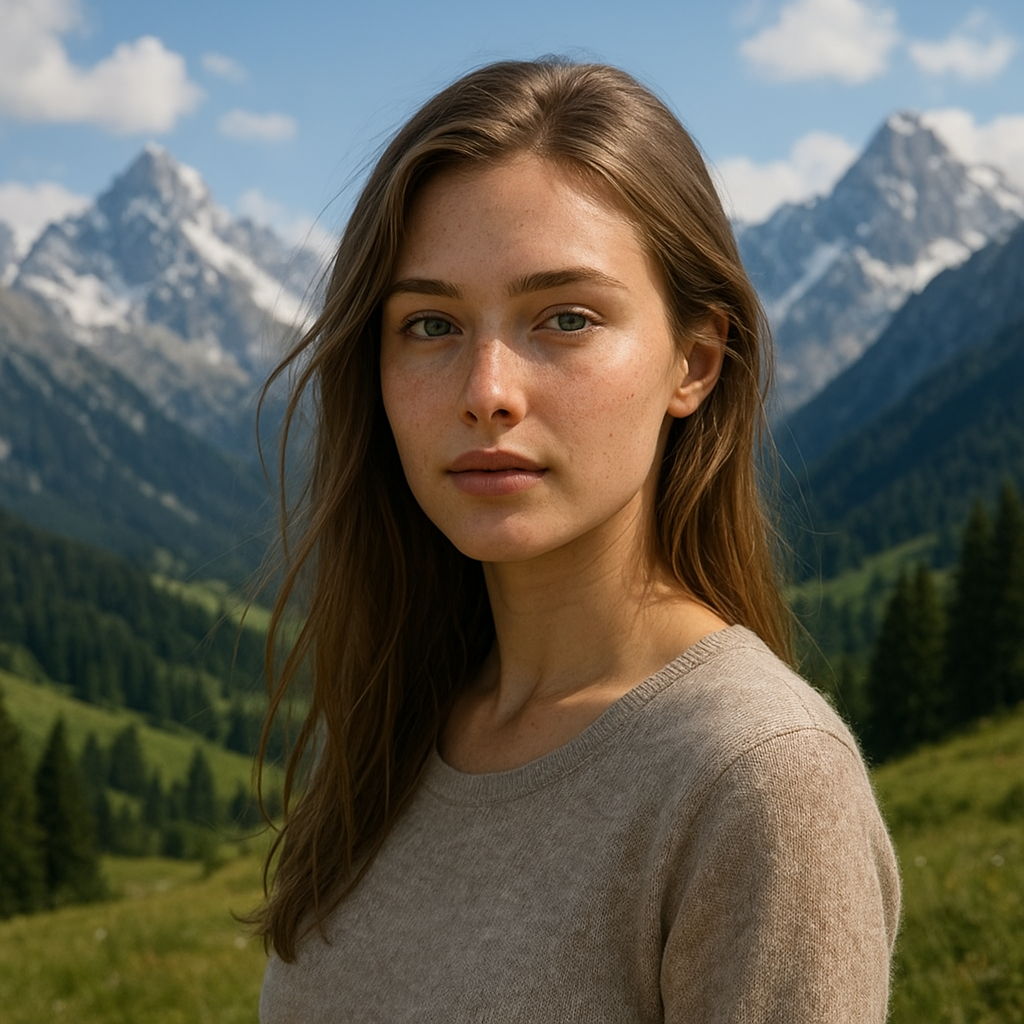
Nestled among soaring peaks and crystalline lakes, the Alps have long been a sanctuary for those seeking authentic, **natural** inspiration. Their untamed landscapes, herbal traditions, and timeless craftsmanship offer a refreshing alternative to mass‑produced beauty trends. Today, more and more creators turn to the Alpine world to rediscover simplicity, purity, and mindful self‑care. On laudanumcrafts.com you can explore how contemporary artisans reinterpret these mountain values for modern life, merging respect for nature with refined aesthetics. From the scent of conifer forests to the silvery glow of glacial streams, Alpine beauty is not only about appearance, but also about a deeper sense of harmony with the environment and with oneself.
The Alpine landscape as a living laboratory
The Alps form one of Europe’s most diverse ecological regions, stretching across several countries and altitudes. This dramatic range of climates and terrains creates unique microhabitats where plants, minerals, and waters develop exceptional properties. Steep slopes, intense sun exposure, thin air, and sudden temperature changes encourage plants to produce concentrated aromatic oils, resins, and protective compounds. For centuries, local communities have learned to read these signs of resilience, transforming them into remedies and beauty rituals.
High‑altitude meadows are filled with wildflowers rich in antioxidants, while conifer forests exude purifying essential oils. Glacial streams transport finely milled mineral sediments that gently cleanse and polish the skin. Alpine valleys shelter mosses, lichens, and hardy shrubs whose capacity to retain moisture in harsh conditions inspires modern hydrating formulas. This interplay of rock, ice, and vegetation forms a natural laboratory where each element contributes to a holistic vision of **beauty** rooted in balance rather than excess.
Traditions of Alpine self‑care
Before the rise of commercial cosmetics, mountain people relied on simple, multi‑purpose preparations made from locally available resources. Melted snow or spring water was the base for washing and infusions. Animal fats or plant oils were combined with beeswax to protect skin from wind and cold. Dried herbs were steeped into balms and compresses used for both health and appearance. Although modest, these formulas were carefully observed and refined through generations of trial, error, and patient observation of nature.
Many Alpine households maintained a small herbal garden beside the cottage. Calendula, chamomile, sage, and thyme were cultivated not only as food seasonings and medicines but also as ingredients for skin soothing ointments. In some regions, women added powdered dried flowers to warm bathwater to relax sore muscles after farm work and to soften rough skin. Men protected hands and faces from snow glare with animal‑fat salves mixed with resin from pine or larch trees, creating a primitive yet effective sun and wind barrier that inspired later **cosmetics**.
Alpine plants and their beauty benefits
Among the many species that thrive in this mountain world, some have become emblematic of Alpine‑inspired care. Edelweiss, with its star‑shaped white petals, symbolizes loyalty and toughness in face of adversity. Botanically, its tiny hairs protect the flower from UV radiation and dehydration. Extracts of edelweiss are now valued for their antioxidant and soothing qualities, making them popular in modern creams and serums that aim to defend the skin from environmental stress.
Another key player is arnica, a bright yellow mountain flower traditionally applied to bruises and tired muscles. Its warming and stimulating properties make it a common component of massage oils and sports balms. Alpine rose, a shrub with delicate blossoms that grows on rocky slopes, has been studied for its potential to support skin elasticity. Meadowsweet and yarrow bring gentle astringent and balancing effects, ideal for combination or oily skin types. Together, these plants form a pharmacopeia of gentle yet potent substances that mirror the **resilience** of their habitat.
The role of water, stone, and climate
Alpine beauty is shaped not only by plants but also by geological and climatic forces. Glacial water, often low in pollutants and rich in minerals, is naturally soft and refreshing. Its clarity and purity inspire cleansing rituals that emphasize lightness instead of heavy fragrances or aggressive surfactants. Many traditional mountain villages also made use of mineral springs, whose iron, sulfur, or magnesium content gave rise to localized bathing customs for skin and joint comfort.
Stone plays a subtle but significant role as well. Finely ground rock powders, such as clay, limestone, or marble dust, were historically added to soaps and scrubs to gently remove impurities. Today, these practices resurface in the form of mineral masks and exfoliating treatments that recall the tactile pleasure of mountain streams polishing pebbles over centuries. The cool, dry mountain air encourages routines focused on barrier protection and deep nourishment, underscoring the importance of oils, balms, and slow‑absorbing textures that guard against extreme conditions.
Craftsmanship and simplicity
One of the most compelling aspects of Alpine‑inspired beauty is its connection to craftsmanship. Small‑scale producers often favor manual methods: stirring balms by hand, cutting soaps with simple tools, or blending herbal infusions in small batches. This approach contrasts with anonymous industrial production, emphasizing traceability, transparency, and a closer relationship between maker and user. Each jar or bar of soap becomes a small testimony to the rhythm of the seasons and the knowledge embedded in local culture.
Simplicity is not a limitation but a guiding principle. Instead of very long ingredient lists, Alpine‑inspired formulas typically highlight a few carefully chosen components: one or two plant oils, beeswax, a selected extract or essential oil, and perhaps a mineral element. The goal is not to overwhelm the skin, but to support its natural functions. This perspective encourages us to reconsider what we truly need, reducing unnecessary steps and focusing on quality rather than accumulation. Through this lens, **craftsmanship** becomes a form of quiet resistance to overconsumption.
Alpine wellness as a lifestyle
Alpine beauty cannot be separated from Alpine living. The daily routines of mountain communities remind us that appearance is closely interwoven with movement, rest, and time spent outdoors. Regular walking, even on short distances between fields or villages, keeps the body active. Clean air at higher altitudes stimulates the respiratory system, while sunlight, when approached with caution, supports mood and vitamin D synthesis. These habits form the background against which skincare and bodycare operate.
Traditional diets in these regions also contribute to an integrated view of well‑being. Local cheeses, fermented foods, root vegetables, and berries supply a variety of nutrients and beneficial bacteria that influence not only internal health but also the skin’s visible state. Alpine‑inspired beauty, therefore, extends beyond the bathroom shelf into the kitchen, the hiking trail, and the way we manage stress. A slower pace, regular contact with landscapes larger than ourselves, and seasonal rhythms all play a role in how we feel and how we look.
Modern reinterpretations of Alpine beauty
Contemporary creators take these age‑old principles and adapt them to the realities of urban life. While not everyone can live among snow‑capped peaks, it is possible to translate the Alpine spirit into daily routines. This may mean choosing products that highlight a few well‑sourced botanicals, preferring gentle cleansing over harsh stripping, and dedicating moments of stillness to simple rituals like facial massage or herbal baths. The aesthetic associated with the Alps—clean lines, natural materials, muted colors—also appears in packaging and interior decor, encouraging a calm and uncluttered environment.
In this context, the digital world becomes a bridge rather than a barrier. Online spaces that celebrate handcrafted, **artisan** goods help connect buyers with small Alpine or Alpine‑inspired workshops. Stories about ingredient origins, harvesting methods, and maker philosophies invite users to participate in a more mindful form of consumption. Even if produced elsewhere, items inspired by this heritage can evoke the sensation of stepping into a wooden chalet after a day in the snow, or sitting beside a mountain lake at dawn, wrapped in silence.
Mindful rituals inspired by the Alps
Creating a personal ritual influenced by Alpine traditions does not require elaborate tools. It may begin with something as simple as a bowl of warm water infused with dried herbs, used to steam the face before cleansing. A few drops of conifer essential oil in a diffuser can evoke the refreshing atmosphere of a forest trail. Slow, deliberate application of a balm or oil, with attention to breath and sensation, transforms a routine step into an act of presence and self‑respect.
Another idea is to integrate temperature contrasts that echo the mountain climate. Alternating warm and cool compresses for legs or arms can boost circulation and offer a subtle energy lift. Stepping outside, even in a city, to feel the air on the skin for a few minutes each day strengthens the connection between body and environment. These gestures cost little but cultivate an inner landscape of calm, clarity, and subtle **luxury** that mirrors the quiet magnificence of Alpine panoramas.
Sustainability and respect for the mountain world
Authentic Alpine beauty must also address the question of sustainability. Overharvesting wild plants or overusing water resources can damage fragile ecosystems. Responsible makers pay attention to cultivation methods, favor organic or low‑impact agriculture, and respect seasonal limits. Packaging choices, energy use, and transportation routes are also part of this equation, especially when products travel far from their origin. By supporting such practices, users become partners in safeguarding the landscapes that inspire them.
This sense of responsibility reflects an older mountain ethic: living within the limits of what the land can offer. Seasonal scarcity taught communities to value every resource and to repair, reuse, or repurpose whenever possible. Translating this mindset into modern beauty means choosing fewer but better items, using them fully, and disposing of them conscientiously. In this way, the search for **harmony** between self‑care and planetary care becomes a continuation of Alpine wisdom rather than a marketing slogan.
Inner beauty and the Alpine metaphor
Beyond ingredients and textures, the Alps offer a powerful metaphor for inner life. Peaks and valleys mirror emotional highs and lows, while slow geological processes remind us that meaningful change takes time. Just as mountains are shaped by pressure, erosion, and quiet accumulation, our character and sense of self are sculpted by daily choices and small routines. Beauty, in this view, arises not from perfection but from authenticity and perseverance.
When we draw inspiration from the Alps, we are invited to cultivate stability without rigidity, strength without harshness, and serenity without passivity. Tending to the skin or hair becomes a symbol of a broader commitment to nurturing what is delicate yet enduring within us. The glow we associate with a day in the mountains—clear eyes, relaxed features, a sense of expansion—emerges from alignment between body, mind, and surroundings. True **natural** beauty thus reveals itself as a dialogue between our inner landscape and the world we inhabit.