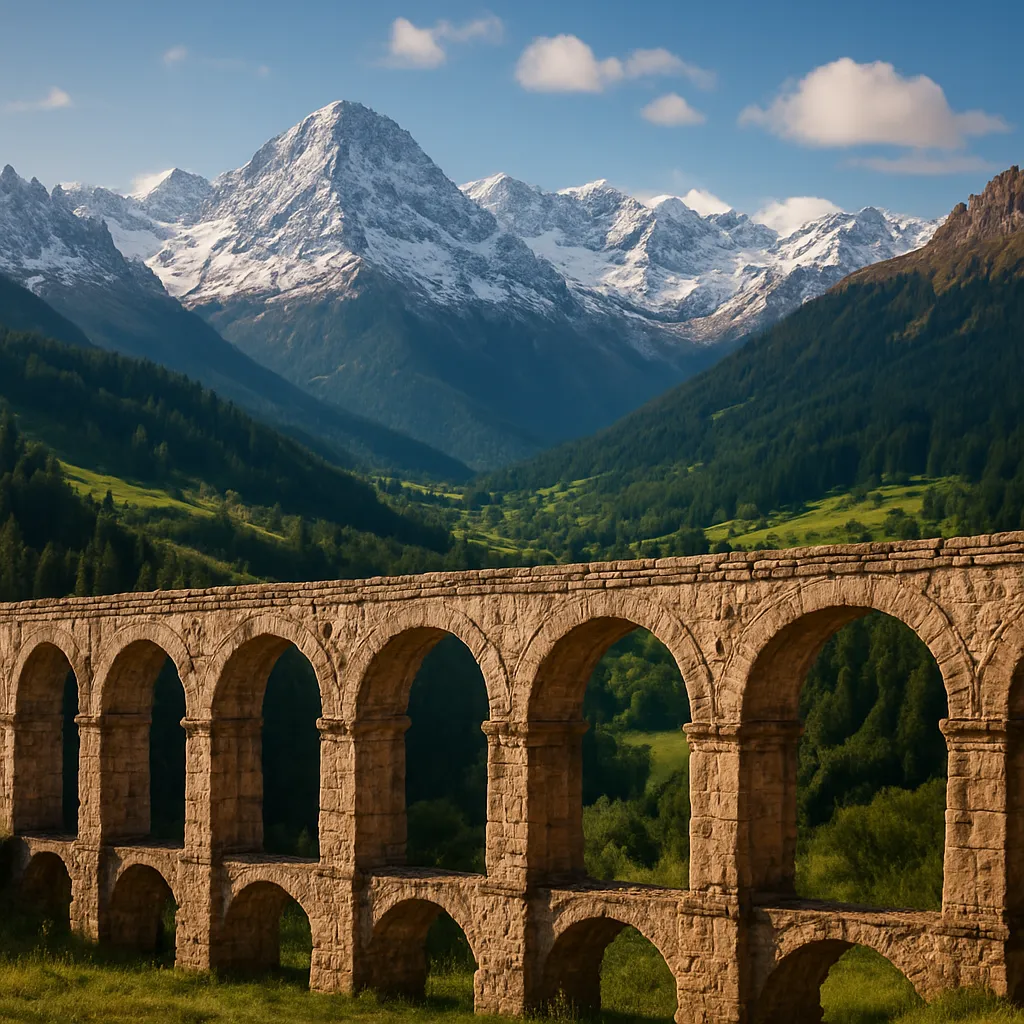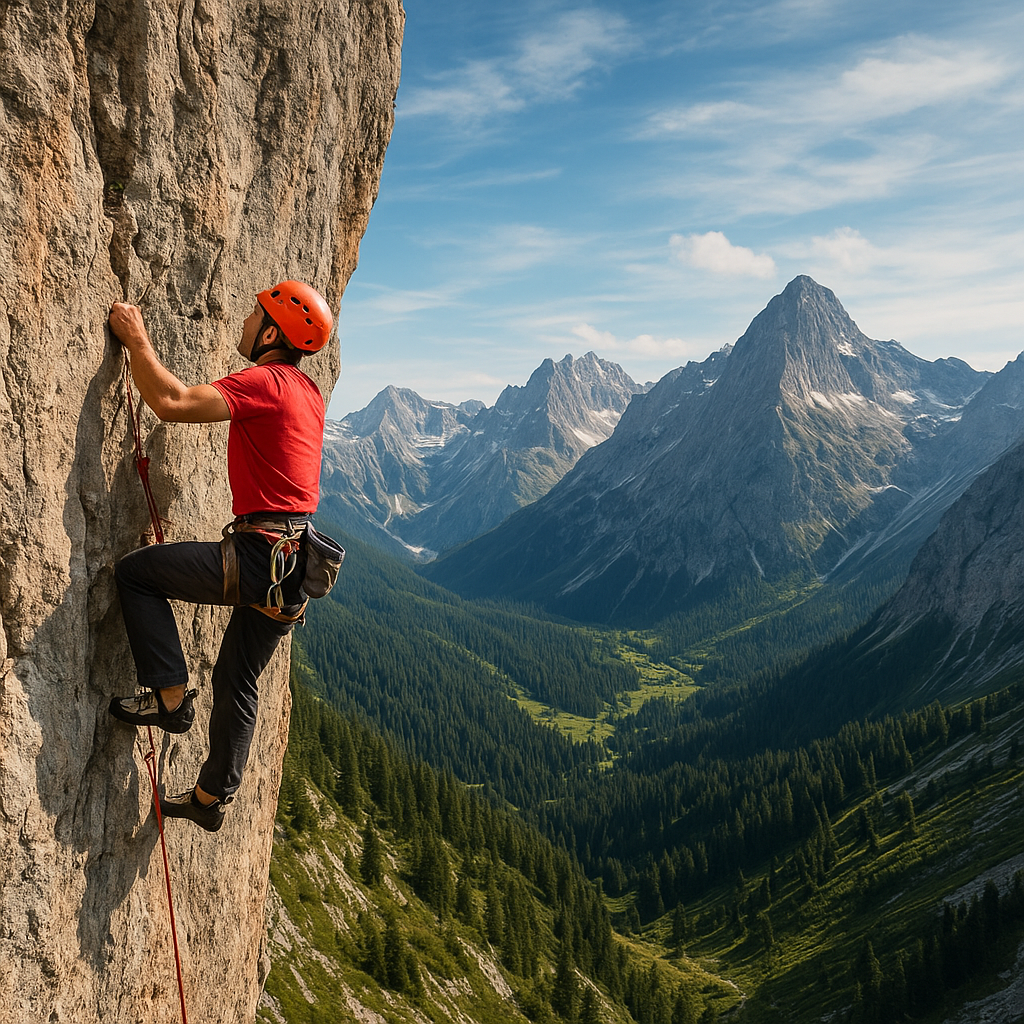
Nestled across eight European countries, the Alps stand as a monument to natural splendor and human perseverance. From jagged ridges carved by ancient glaciers to lush valleys threaded with crystal-clear rivers, this mountain range offers a playground for climbers, hikers, and nature lovers alike. The intricate tapestry of peaks, couloirs, and faces makes exploring the Alps an unforgettable adventure that tests skill, endurance, and respect for the environment.
Geographical Majesty of the Alps
Stretching over 1,200 kilometers from the Mediterranean coast of France to the borders of Slovenia, the Alps form a continuous wall of rock and ice. Their formation dates back tens of millions of years, a testament to the slow collision of the African and Eurasian tectonic plates. You’ll find a diverse mix of rock types here—
- Granite monoliths in the Mont Blanc massif
- Dolomitic limestone towers in the Italian Dolomites
- Mica-schist and gneiss in the eastern sectors
These geological variations create an unparalleled array of climbing challenges. Altitude zones shift rapidly, so one minute you may be in lush alpine meadows at 1,500 meters, and the next you’re scaling a sheer rock wall above 3,000 meters in subzero temperatures.
Iconic Rock Climbing Destinations
Chamonix Valley, France
Often called the “capital of Alpine climbing,” Chamonix sits at the foot of Mont Blanc (4,810 m), the highest peak in Western Europe. Classic routes like the Cosmiques Arete and the Three Monts Traverse demand both technical skill and acclimatization to high altitude. Climbers here must be prepared for fast-changing weather and glacial travel. Local guides emphasize solid ropework, crevasse rescue drills, and thorough gear checks.
Dolomites, Italy
The Dolomites are renowned for their pale, vertical cliffs and contoured buttresses. Named a UNESCO World Heritage Site, this region offers over 3,000 recorded routes. Iconic formations such as the Tre Cime di Lavaredo, Marmolada’s West Face, and the Campanile di Val Montanaia attract climbers seeking exposure and aesthetic lines. Expect pure limestone, pocketed faces, and steep chimneys requiring precise technique and finger strength.
Berchtesgaden, Germany
On Germany’s southeastern edge lies Berchtesgaden National Park, a lesser-known gem for seasoned climbers. The distinctive Watzmann East Face (1,800 m) challenges with mixed ice and rock pitches. This face requires versatility—transitioning from steep limestone to ice-slicked slabs. Climbers often combine alpine-style tactics with traditional fixed-line portions, testing mental fortitude and the ability to read microclimates.
Essential Tips for Alpine Climbing Adventures
Whether you’re tackling a multi-pitch limestone wall or an icy arete, meticulous preparation can mean the difference between success and retreat. Consider these guidelines:
- Select routes that match your skill level and physical endurance.
- Train on comparable rock types: granite crags for Mont Blanc excursions, limestone faces for Dolomite trips.
- Acclimatize properly—spend at least three days above 2,500 m before pushing for higher peaks.
- Invest in high-quality gear: crampons, ice axes, harness, ropes, and a reliable weatherproof shell.
- Master self-rescue techniques: prusik knots, pulley systems, and ice screw extractions.
- Monitor dynamic weather patterns. Alpine storms can form in under an hour, bringing snow, hail, or lightning.
- Partner communication is critical—establish clear commands for belay, rappel, and emergency scenarios.
Physical conditioning should focus on plyometric exercises, core stabilization, and cardiovascular workouts that simulate long ascents with weight. Mental adventure also plays a role; climbing above 3,500 m means coping with thin air, wind chill, and heightened risk assessment.
Cultural and Environmental Considerations
Exploring the Alps is not just about conquering faces; it’s an immersion into centuries-old mountain traditions. Alpine villages—
- Champex-Lac in Switzerland
- Cortina d’Ampezzo in Italy
- St. Anton in Austria
—host small museums, mountaineering schools, and local huts (rifugi and refuges) that offer both shelter and insight into mountain culture. Respecting these communities means adhering to Leave No Trace principles:
- Pack out all waste, including micro-trash like tape or food wrappers.
- Stay on designated trails and belay ledges to avoid trampling delicate alpine flora.
- Use eco-friendly cleaning products at high camps.
- Support local economies by dining in village inns and purchasing supplies from regional shops.
Conservation efforts are growing in importance as climate change accelerates glacial retreat. Active participation in citizen-science programs—such as photographing glaciers year after year—helps researchers track changes. Many alpine refuges now implement solar panels, rainwater harvesting, and composting toilets to reduce environmental impact.
Navigating Seasonal Variations
Climbing in the Alps demands a year-round perspective. Each season offers unique opportunities and hazards:
- Spring: Ski-mountaineering transitions to mixed climbing. Expect snow bridges and unpredictable spring avalanches.
- Summer: Optimal for pure rock routes. Crowds peak in July and August, so book huts early and start routes at dawn to avoid heat exposure.
- Autumn: Cooling temperatures bring stable conditions, but shorter daylight requires efficient timing. Larch forests blaze golden ideal for trail approaches.
- Winter: Ice climbing and ski tours on couloirs. Only seasoned alpinists with avalanche training should attempt remote faces.
Adapting to these seasonal shifts maximizes enjoyment and minimizes risk. Always carry a GPS or reputable Alpine topo maps, and update yourself on the local avalanche bulletin before venturing into high corridors.
Innovations in Alpine Gear and Technique
Recent advancements have revolutionized how climbers approach the Alps. Lightweight alloy frames and carbon-fiber trekking poles reduce fatigue on long approaches. Ice tools with modular heads allow climbers to switch between dry-tooling adzes and classic picks. Core innovations include:
- Smart helmets with integrated communication and fall detection.
- High-dexterity gloves featuring ripstop fabrics and minimal bulk.
- Rechargeable headlamps with red/white beam switching for low-light bivouacs.
- Ultralight bivy sacks with waterproof membranes for emergency retreats.
Technique-wise, the trend leans toward “alpine partnerships”—small, self-contained teams that travel fast and commit deeply. Reducing external support and abandoned fixed ropes lowers environmental impact and heightens the authentic spirit of alpinism.
Embarking on Your Alpine Quest
Every cliff, ridge, and glacier in the Alps holds a story of challenge and triumph. Whether you’re plotting a multi-day traverse of the Pennine Alps or just itching to top out on a sunny limestone face in the Dolomites, the keys to success remain consistency in training, respect for mountain traditions, and unwavering attention to safety. Preparation breeds confidence, and confidence transforms daunting couloirs into exhilarating passages. Gear up, plan meticulously, and let the Alps reveal their grandeur—one breathtaking pitch at a time.