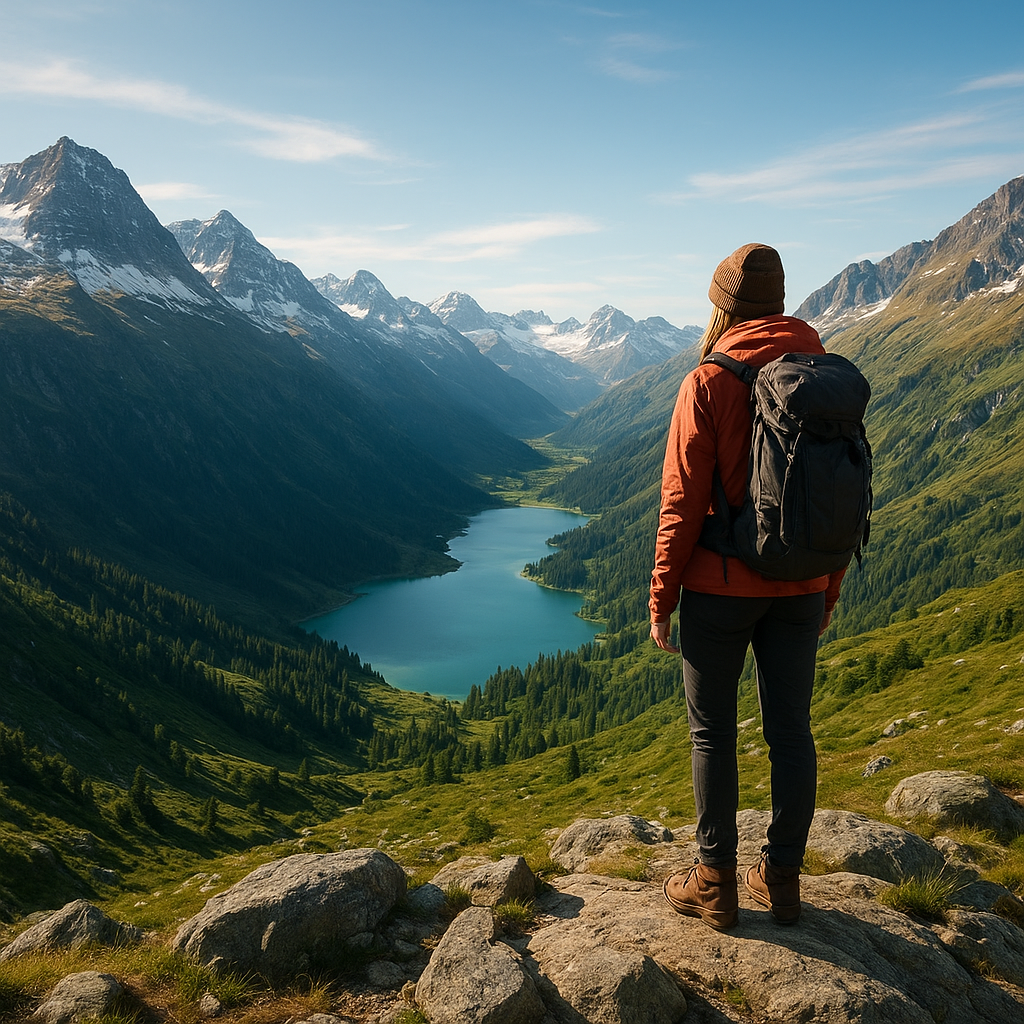
The majestic mountain range that spans eight countries in Europe has captivated explorers, artists, and adventurers for centuries. From humble beginnings as remote pastures to bustling winter playgrounds, the transformation of the Alps epitomizes human ingenuity and the enduring allure of nature’s grandeur. This article traces the journey of Alpine tourism, examining how traditional mountain life evolved into a global industry and how modern challenges shape the future of these iconic peaks.
The Birth of Alpine Tourism
Early Trails and Mountain Guides
Long before chairlifts and luxury lodges, the Alps served as a network of rugged trails, connecting isolated valleys. Shepherds and traders relied on these passes to transport goods, while curious scholars ventured upward in pursuit of scientific knowledge and natural beauty. The spirit of mountaineering took root as pioneers such as Horace-Bénédict de Saussure ascended to the summit of Mont Blanc in 1786. Their daring exploits inspired a new wave of explorers, laying the foundation for what would become organized Alpine tourism.
Emergence of First Chalets
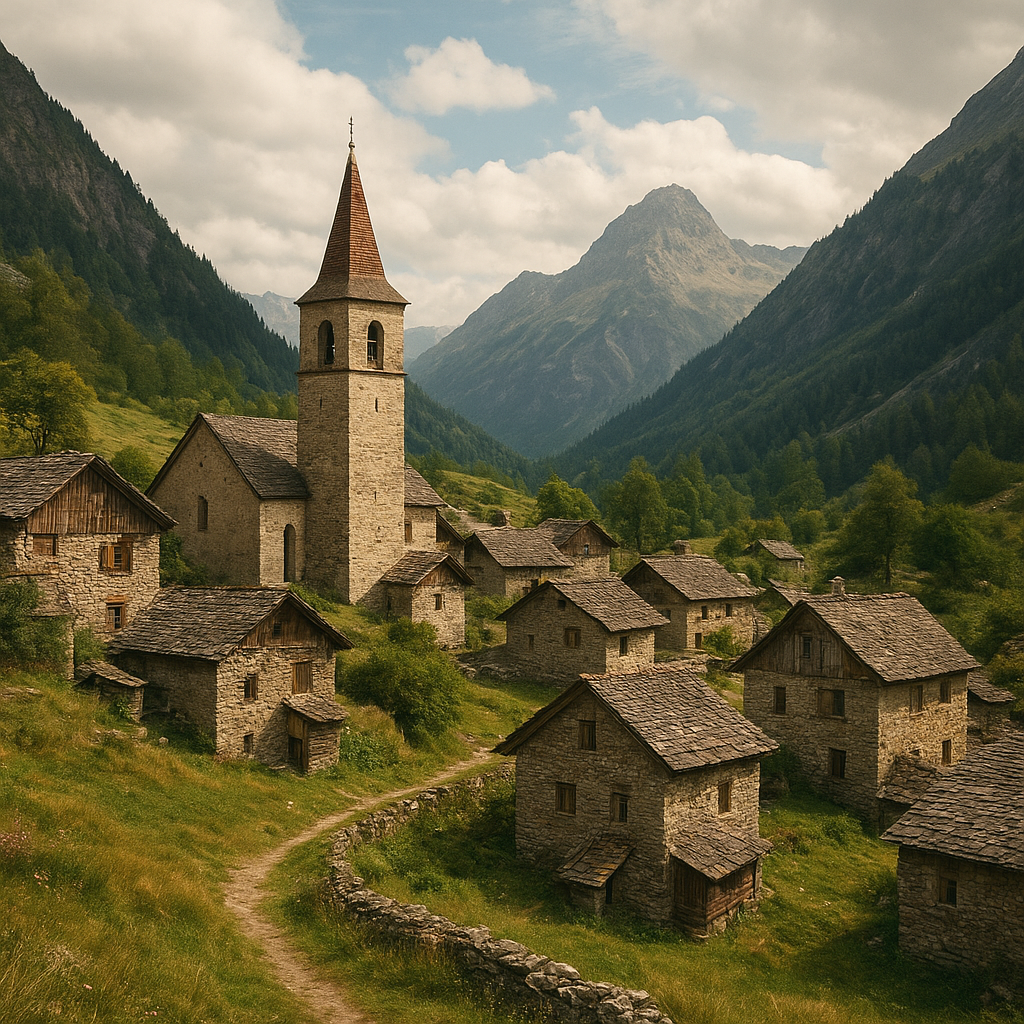
By the mid-19th century, small wooden chalets cropped up near frequented passes. These rudimentary shelters provided weary travelers with simple rooms, hearty meals, and local hospitality. Word spread among European elites about the crisp mountain air and sweeping vistas. Despite limited infrastructure, these early hosts recognized the potential for income, marking the first commercial foothold of Alpine resorts.
Golden Age of Skiing
From Wooden Skis to Organized Clubs
The introduction of modern skis in the early 20th century revolutionized winter movement. What began as flat-plank wooden boards with leather straps soon evolved into metal-edged equipment, offering better control and speed. Ski clubs formed in Austria and Switzerland, promoting friendly competitions and establishing technical standards. Enthusiasts flocked to snowy slopes, eager to master this new sport and escape crowded cities.
Infrastructure Expansion
- Installation of rope tows and T-bar lifts, reducing arduous climbs
- Construction of purpose-built mountain hotels offering heated rooms
- Introduction of mountain railways and funiculars, enhancing accessibility
- Development of avalanche control measures to ensure safety
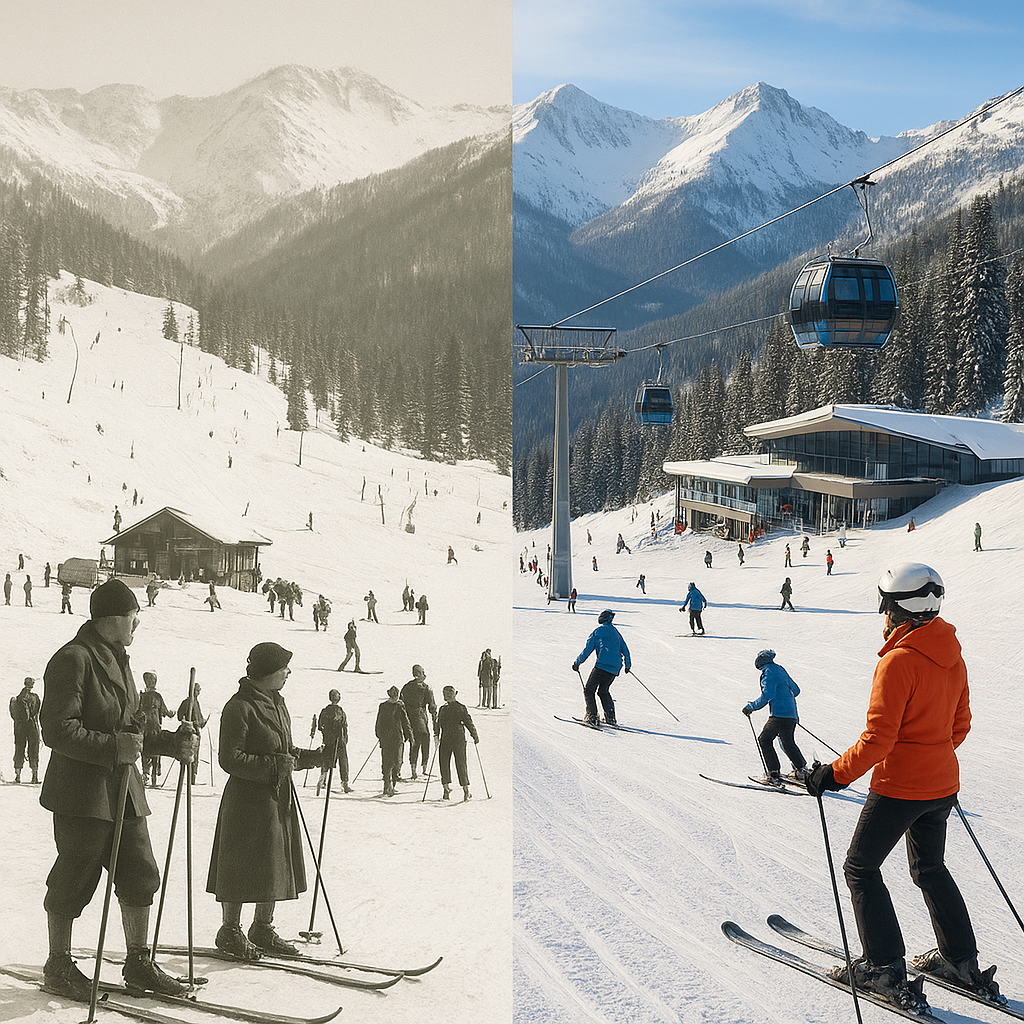
By the 1950s, Alpine towns had grown into sophisticated winter hubs. Ski lifts stretched up the lofty ridges, while ski schools taught thousands of visitors each season. With improved roads and rail connections, villages once cut off by winter snows became lively centers of economy and recreation.
Transition to Modern Ski Resorts
Technology and Innovation
The latter half of the 20th century witnessed rapid innovations. Gondolas whisked skiers over vast chasms, while snowmaking machines guaranteed reliable coverage even in lean winters. High-speed detachable lifts cut transit times drastically, enabling enthusiasts to maximize runs per day. Meanwhile, digital mapping and mobile applications transformed trip planning, allowing guests to track trail conditions in real time. These advances cemented skiing’s status as a mainstream global pastime.
Sustainability and Climate Change
Facing unpredictable snowfall patterns, resorts have embraced sustainability as a core principle. Renewable energy sources—hydropower, solar panels, and biomass—now power lifts and lodges. Water-efficient snow cannons reduce consumption during artificial snowmaking. Collaborative research between resorts and universities addresses rising temperatures and glacier retreat. The concept of the “four-season resort” has gained traction: summer hiking, mountain biking, and wellness retreats complement winter activities, reducing reliance on skiing alone.
Cultural and Environmental Challenges
Local Traditions vs Mass Tourism
As resorts expand, balancing local heritage with visitor demands becomes increasingly complex. Traditional Alpine architecture—steep roofs, timber frames, and stone foundations—coexists with modern steel-and-glass constructions. Efforts to preserve dialects, customs, and cuisine lead to the creation of cultural festivals, folk museums, and authentic culinary trails. Yet the influx of international guests can strain community resources, driving up property values and altering social dynamics.
Conservation Efforts
Protecting fragile ecosystems is a top priority. National parks and cross-border nature reserves safeguard endemic flora and fauna. Reforestation projects and erosion control measures preserve watersheds vital for agriculture and hydropower. Wildlife corridors ensure the free movement of species such as ibex and lynx. Through careful planning and strict zoning regulations, many Alpine valleys strive to achieve harmony between nature and human activity.
The Future Peak
Embracing Resilience and Adaptation
Looking ahead, the success of Alpine resorts will hinge on resilience and adaptability. Advanced climate modeling guides investment in all-season infrastructure and alternative attractions. Green mobility initiatives—electric shuttle buses, car-free village centers, and valley gondolas—minimize carbon footprints. Partnerships among governments, local stakeholders, and private enterprises foster innovation in sustainable tourism and community development.
Innovation at New Heights
Emerging technologies will further redefine the Alpine experience. Virtual reality tours can preview off-piste routes, while augmented reality signage enriches on-trail learning about geology and history. Smart materials enhance building insulation, reducing energy consumption in chalets and hotels. Microgrid systems optimize power distribution, and precision agriculture supports local food production year-round.
From the first adventurous conquests of jagged peaks to the state-of-the-art winter playgrounds of today, the transformation of the Alps mirrors our evolving relationship with nature. By embracing innovation, honoring traditions, and committing to environmental stewardship, the Alpine region can continue to inspire millions while safeguarding its treasures for generations to come.