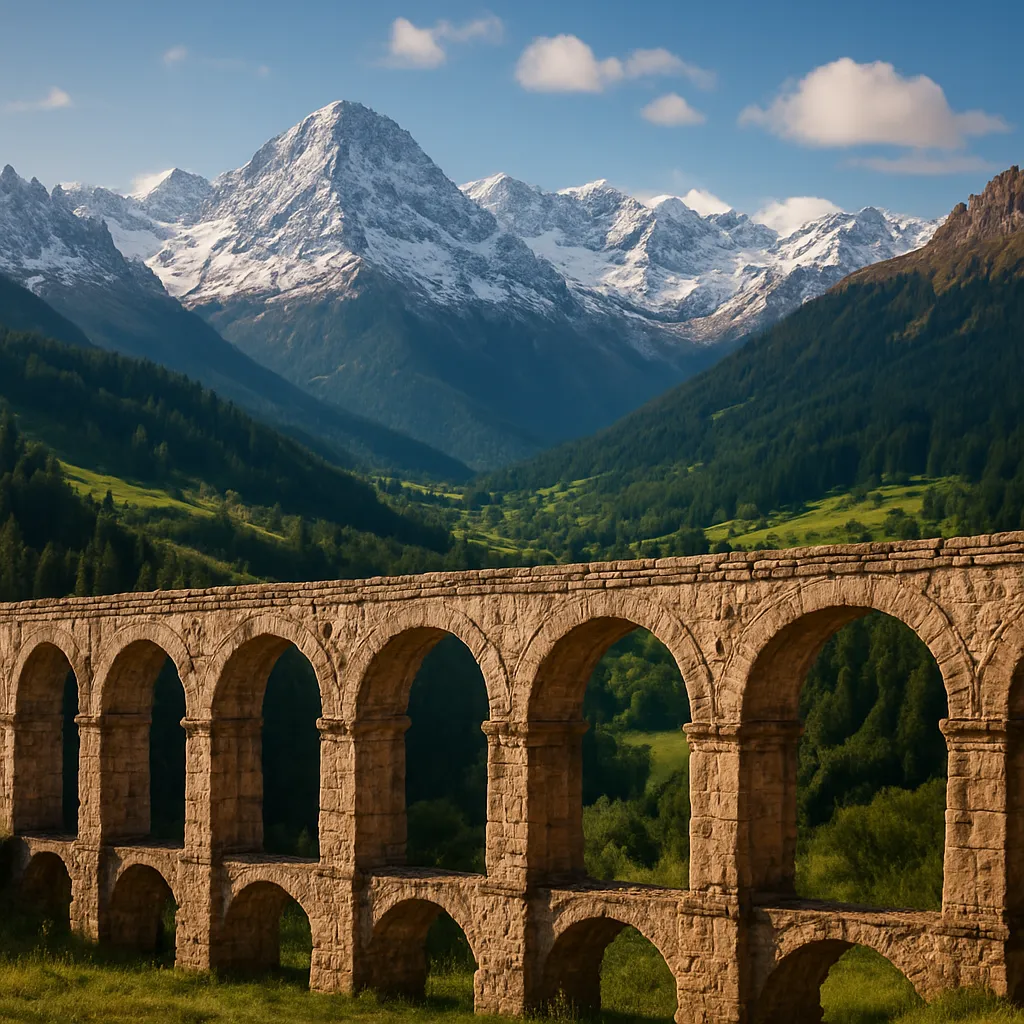
The Alpine region, stretching across eight European countries, has long captured the imagination of travelers, explorers, and athletes alike. Towering peaks, deep valleys, and pristine glaciers form a dramatic backdrop for a rich tapestry of human endeavor. From the earliest salt traders crossing ancient passes to the bustling ski resorts of today, the Alps stand as a testament to the enduring bond between people and nature. This article explores the evolution of skiing culture in this remarkable landscape, tracing its origins, celebrating its growth, and examining the challenges that lie ahead for the environment and local communities.
Historical Beginnings of Alpine Adventure
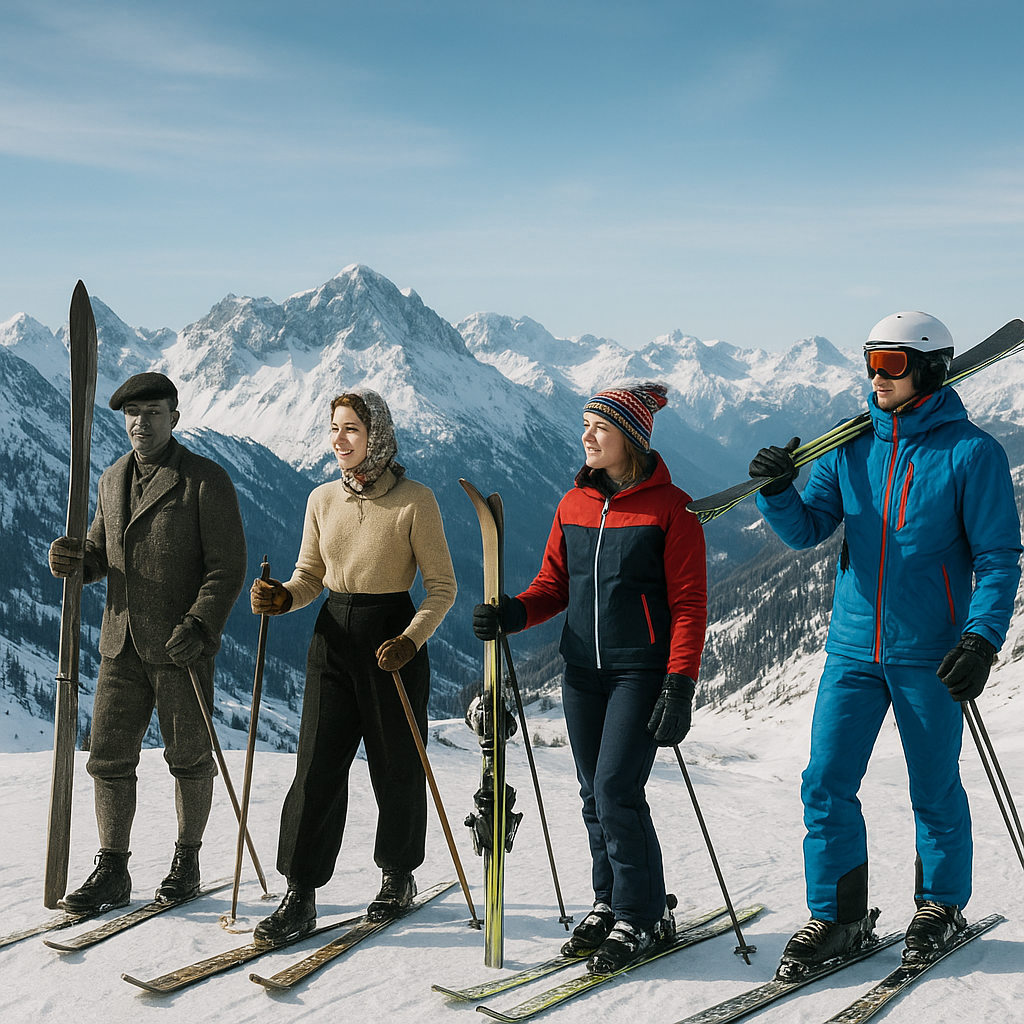
The story of human presence in the Alps dates back thousands of years. Traders, shepherds, and pilgrims first braved high mountain passes such as the Great St. Bernard and Brenner, forging routes that would later become arteries of commerce and culture. Evidence of rudimentary wooden runners suggests that early mountain dwellers used primitive skis to glide across snowfields in winter, driven by necessity rather than sport. Over centuries, this functional activity transformed into a pursuit of leisure and exploration.
The 19th century witnessed a surge of interest from naturalists and climbers eager to conquer peaks like Mont Blanc and the Matterhorn. Alpine clubs formed, maps were drafted, and the concept of mountain tourism took root. Inns sprang up along popular routes, offering shelter and local cuisine to guests. As an appreciation for these majestic mountains grew, so did the desire to experience them more intimately, leading to the earliest attempts at organized winter activities.
The Rise of Premier Ski Destinations
By the early 20th century, the Alps had become a playground for the adventurous. Resorts such as St. Moritz, Chamonix, and Kitzbühel emerged as hubs of tourism, attracting aristocrats and sports enthusiasts from across Europe. Railroads and mountain railways extended their lines into high-altitude valleys, making the remote accessible. Wealthy visitors commissioned chalets and hotels, and local economies shifted to cater to the seasonal influx.
Key Alpine Activities
- Downhill skiing and ski racing
- Cross-country skiing and Nordic walking
- Ice climbing and alpine mountaineering
- Sledding and snowshoeing
- Après-ski social gatherings
Post-World War II reconstruction and the rise of leisure culture further accelerated development. Ski lifts, cable cars, and gondolas multiplied, reducing travel time to high slopes and making skiing achievable for a broader public. National and international competitions, including the Winter Olympic Games and World Cup events, solidified the Alps’ reputation as the epicenter of winter sport. This era also saw the fusion of innovation in ski technology—lightweight boots, metal edges, and refined bindings—enhancing both safety and performance.
Cultural Impact on Local Communities
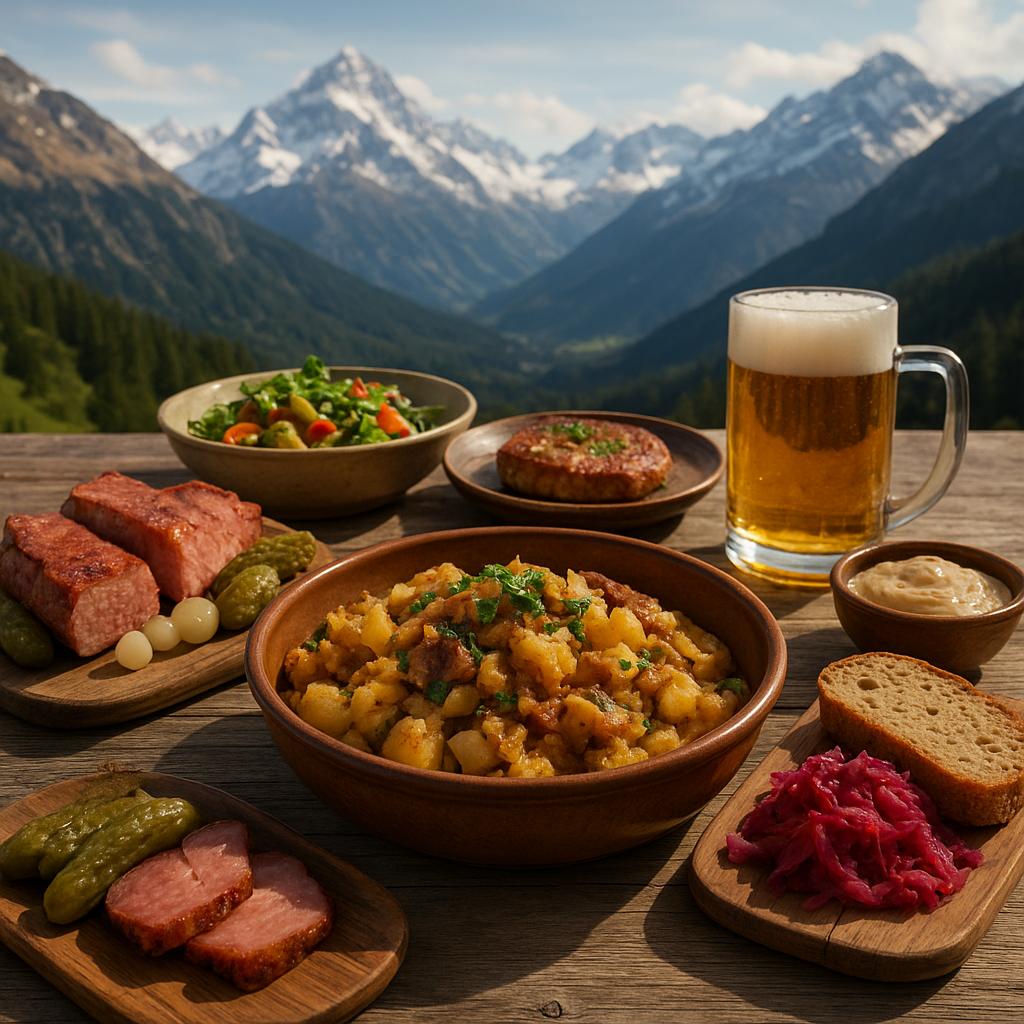
Skiing culture in the Alps extends far beyond the sport itself. The seasonal rhythm of cold winters and vibrant summers has shaped architecture, cuisine, and folklore. Villages originally built with steeply pitched roofs and thick stone walls to withstand snowdrifts have become evocative symbols of Alpine charm. Visitors delight in regional specialties—fondue, raclette, hearty stews—celebrating local agricultural traditions and timeless heritage.
Festivals and events, from folk processions to ski festivals, foster a sense of shared identity. Locals dress in traditional costumes, perform yodeling and barrel-organ tunes, and recount legends of mountain spirits. At the same time, the influx of international guests has sparked fusion in art, language, and lifestyle. Many resorts now offer spas, gourmet dining, and luxury boutiques, blending old-world ambiance with modern comforts.
Modern Innovations and Environmental Challenges
Today’s ski industry stands at a crossroads. On one hand, technological advancements continue to redefine the visitor experience. High-speed chairlifts, slope-grooming machines, artificial snowmaking systems, and real-time avalanche monitoring have made winter sports safer and more convenient. Digital platforms enable travelers to book accommodations, purchase lift passes, and check weather conditions with ease. All these developments reflect the ongoing pursuit of innovation in an ever-competitive market.
On the other hand, climate change poses a severe threat to the long-term viability of winter tourism. Temperatures in the Alps have risen faster than the global average, resulting in shorter snow seasons, retreating glaciers, and unpredictable weather patterns. Lower-altitude resorts struggle to maintain reliable conditions, prompting many to invest heavily in snow cannons and water reservoirs. Yet these measures consume vast amounts of energy and water, raising concerns about their ecological footprint.
Strategies for a Sustainable Future
- Implementing green energy sources (solar, wind, biomass)
- Encouraging eco-friendly transportation (electric buses, trains)
- Promoting responsible land-use planning and reforestation
- Supporting local, low-impact businesses and organic agriculture
- Educating tourists on conservation and waste reduction
Major stakeholders now emphasize sustainability and environmental stewardship. Some resorts achieve carbon-neutral status, while mountaineering associations advocate for stricter waste management and trail preservation. Visitors are encouraged to adopt “leave no trace” principles, respect wildlife habitats, and participate in eco-tours. By balancing economic vitality with ecological responsibility, the Alpine region seeks to secure its pristine beauty for generations to come.
Looking Ahead: Tradition Meets Tomorrow
The future of skiing culture in the Alps will hinge on adaptability. As technology advances, augmented reality ski goggles, real-time slope analytics, and sustainable winter coatings may become standard. Yet the allure of the Alps will always lie in the raw grandeur of snow-capped peaks, the thrill of carving fresh powder, and the warmth of a mountain hamlet illuminated at dusk. By preserving local culture and embracing responsible practices, the region can continue to inspire adventurers and safeguard its irreplaceable natural legacy.