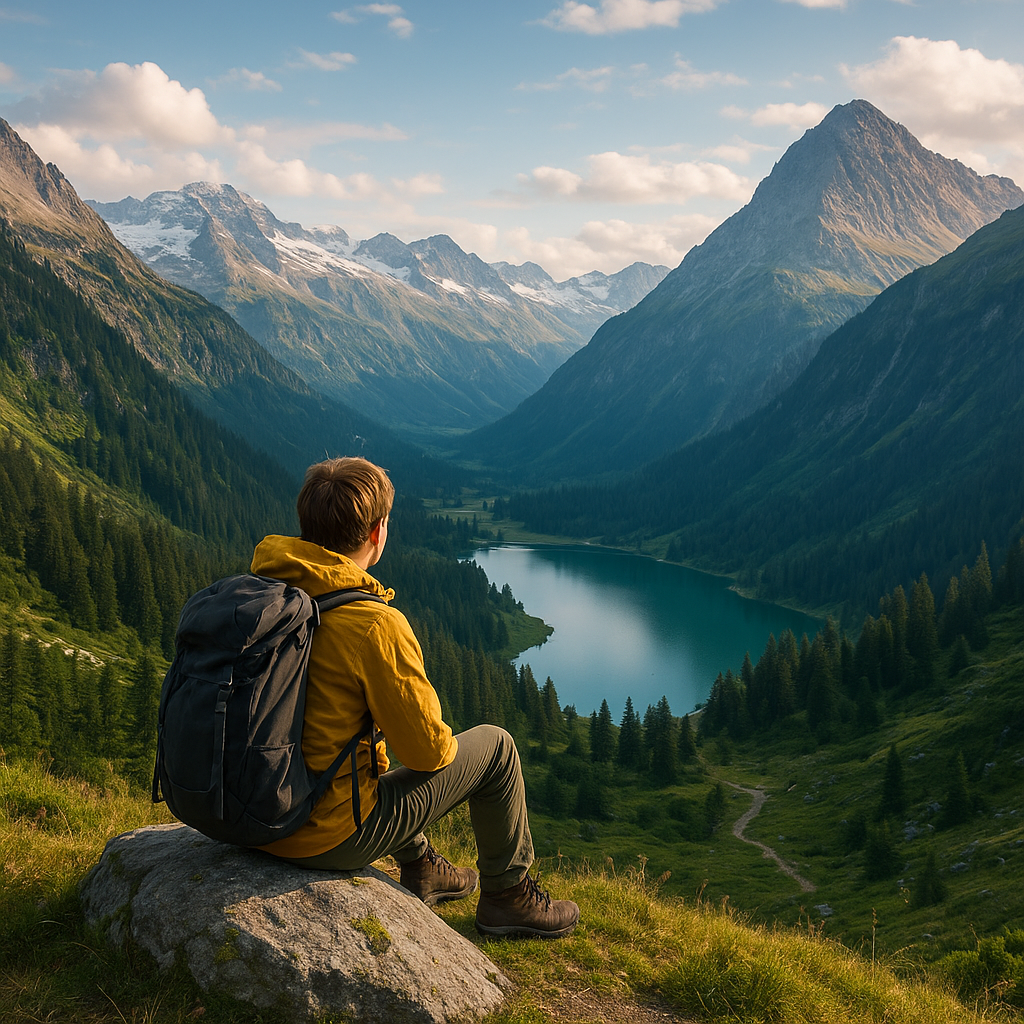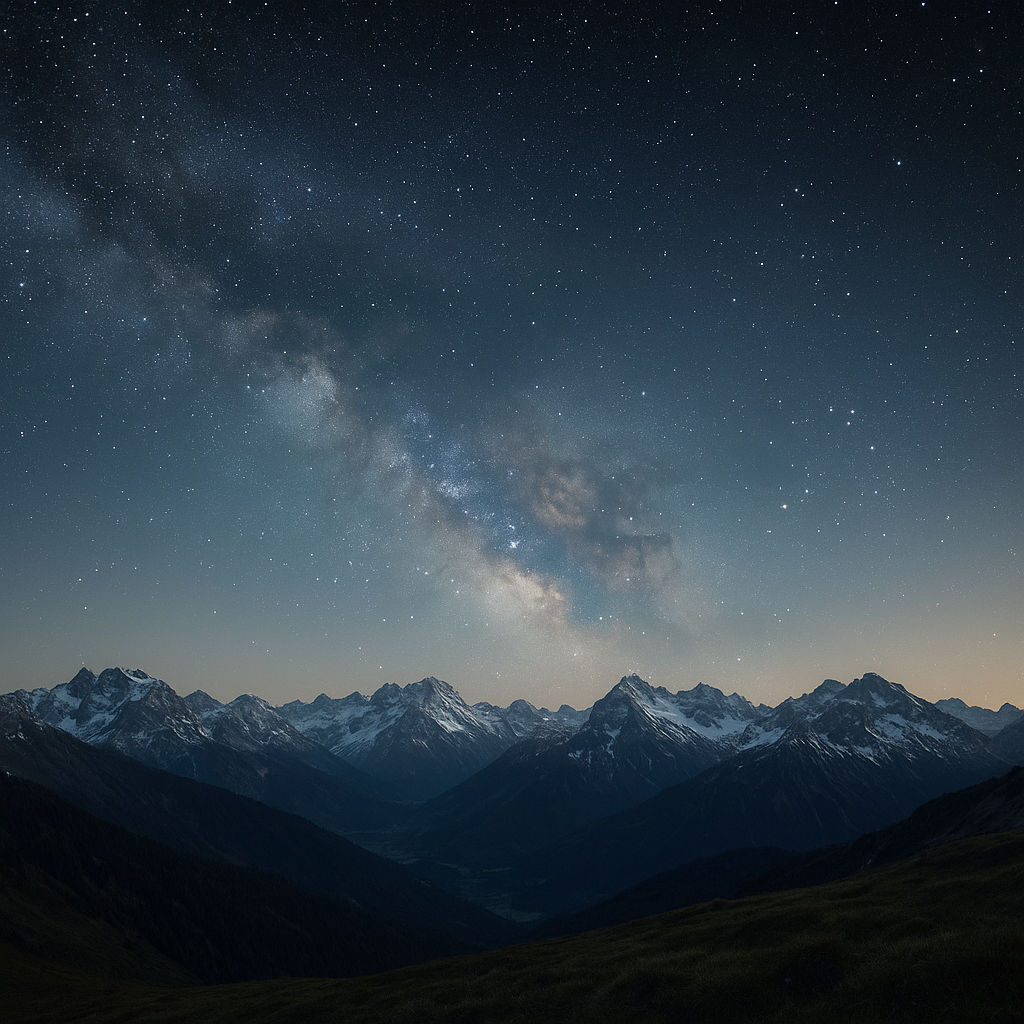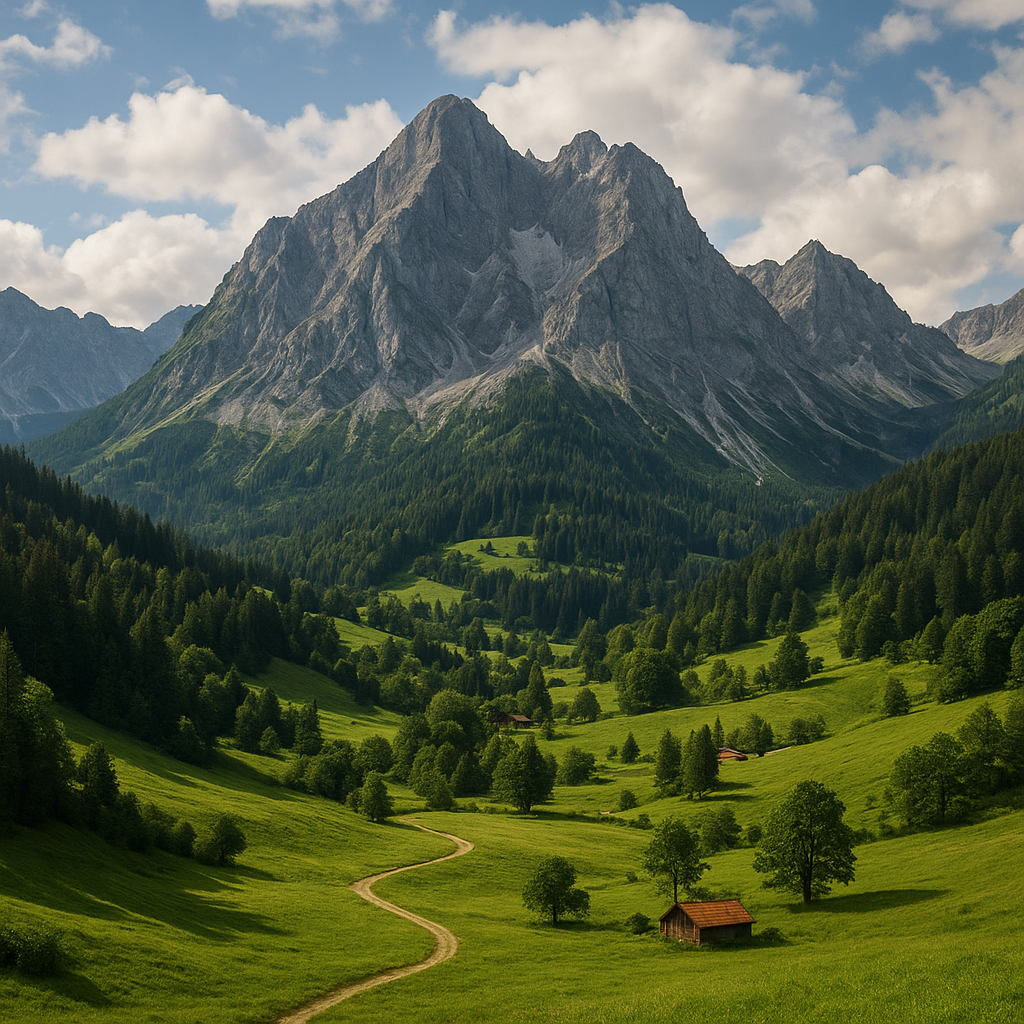
The German Alps stretch like a majestic tapestry across Bavaria’s southern frontier, offering travelers a blend of serene landscapes and vibrant cultural pockets. Far from the crowds that flock to the Swiss peaks, these mountains harbor hidden treasures waiting to be explored. From ancient villages perched on rolling hills to crystal-clear lakes reflecting towering summits, every corner reveals a fresh perspective on alpine life.
Landscape and Geography
The German Alps are an extension of the larger Alpine range, covering an area that extends from Lake Constance in the west to the border with Austria in the east. Characterized by dramatic peaks soaring above 2,000 meters, the region also features deep valleys, lush meadows, and glacial formations. Key subregions include the Wetterstein, Berchtesgaden, and Allgäu Alps, each offering distinct terrain and geological wonders.
- Wetterstein Mountains: Home to Germany’s highest peak, Zugspitze (2,962 m).
- Berchtesgaden Alps: Famous for the glacial Königssee and the Watzmann massif.
- Allgäu Alps: A blend of gentle slopes and rugged crags, ideal for family outings.
Rivers such as the Lech and the Inn carve their way through narrow gorges, creating dramatic vantage points and unique ecosystems. Alpine lakes—including Eibsee and Hintersee—reflect the surrounding mountain walls, offering panoramic vistas at dawn and dusk.
Flora, Fauna, and Biodiversity
Despite its compact size, the German Alps host an impressive array of wildlife and plant species. Coniferous forests of spruce and larch give way to alpine meadows bursting with color as spring arrives. Rare orchids, gentians, and edelweiss nestle among rocky outcrops, while mountain streams teem with trout and minnows.
- Biodiversity hotspots:
- The Berchtesgaden National Park, home to chamois, ibex, and golden eagles.
- Allgäu’s moorlands, a refuge for amphibians and migratory bird species.
- Flora highlights: over 1,500 plant varieties including Alpine rose and bellflowers.
- Fauna highlights: red deer, marmots, and occasionally lynx and bear sighted in remote zones.
Preservation efforts focus on maintaining the delicate balance of these alpine ecosystems. Seasonal grazing by traditional herds keeps meadows healthy, while controlled forestry ensures that wildlife corridors remain intact. Visitors can learn about these practices at educational centers dotted along hiking trails.
Cultural Heritage and Alpine Communities
Upholding centuries-old customs, the local communities of the German Alps infuse cultural richness into every festival and daily ritual. Traditional costumes—loden jackets, dirndls, and lederhosen—still make appearances during major gatherings. Cuisine showcases hearty mountain fare: käsespätzle (cheesy noodles), dumplings, and smoked meats fuel climbers and wanderers alike.
- Architecture treasures:
- Painted farmhouses in Oberammergau, adorned with intricate frescoes.
- Romanesque churches with wooden altars and centuries-old icons.
- Folklore and festivals:
- The famous Oberammergau Passion Play, performed every ten years since 1634.
- Almabtrieb, the colorful cattle drive in autumn, celebrating the return from high pastures.
Charming villages such as Mittenwald and Füssen offer cobblestone streets lined with artisan shops, where craftsmen carve wooden figurines and paint delicate Christmas ornaments. In the high season, open-air markets buzz with visitors sampling local honey, jams, and cheese, forging an authentic bond between traveler and tradition.
Outdoors Activities and Adventure
Adventurers find endless opportunities for exploration year-round. Summer welcomes hiking enthusiasts to a network of trails ranging from leisurely valley walks to challenging alpine ridges. Winter transforms the landscape into a snowy playground: ski resorts at Garmisch-Partenkirchen and Reit im Winkl rival their Swiss counterparts in both thrills and scenery.
- Hiking must-dos:
- Zugspitze summit trail—offers 360° views across four countries.
- Pöllat Gorge via ferrata—a secured climbing route above waterfalls.
- Winter sports:
- Cross-country skiing through the Bavarian Forest and Berchtesgaden.
- Snowshoeing circuits around Lake Eibsee after sunset lantern walks.
- Water adventures: rafting the fast-flowing Lech River or paddleboarding on tranquil lakes.
- Paragliding and hang-gliding from favorable updraft points like Wank Mountain.
Each season delivers a unique vantage on the German Alps’ evolving personality, from vibrant wildflowers carpeting the valleys in summer to a silent, frosted wonderland in winter.
Hidden Gems of the German Alps
Exploring beyond the main tourist hubs reveals secluded sanctuaries known mostly to locals:
- Walchensee: One of Germany’s deepest lakes, ideal for windsurfing and cliff jumping.
- Geisterklamm (Ghost Gorge): A narrow ravine near Reutte with dramatic suspended walkways and eerie rock formations.
- Achenkirch: A tranquil lakeside village overlooked by the Karwendel range, perfect for birdwatching and meditation retreats.
These off-the-beaten-path locales reward travelers with solitude and untouched panoramas, far from bustling cable cars and crowded cafés.
Sustainable Tourism and Conservation
Recognizing the fragility of alpine environments, regional authorities and community groups have implemented measures to support sustainable travel. Initiatives include:
- Eco-certified accommodations that run on renewable energy and practice waste reduction.
- Limits on cable car passenger numbers to protect sensitive mountain flora.
- Guided tours led by local naturalists, emphasizing Leave No Trace principles.
Conservation programs extend to reforestation projects, habitat restoration for endangered species, and public awareness campaigns encouraging low-impact recreation. By choosing green transportation options—electric buses connecting valley rail stations or e-bike rentals—visitors actively contribute to the preservation of this timeless landscape.
The German Alps, with their blend of natural grandeur and cultural authenticity, stand as a testament to the enduring bond between humanity and the high mountains. Each vista, each tradition, and each ecological initiative invites you to discover a side of the Alps few ever truly experience.