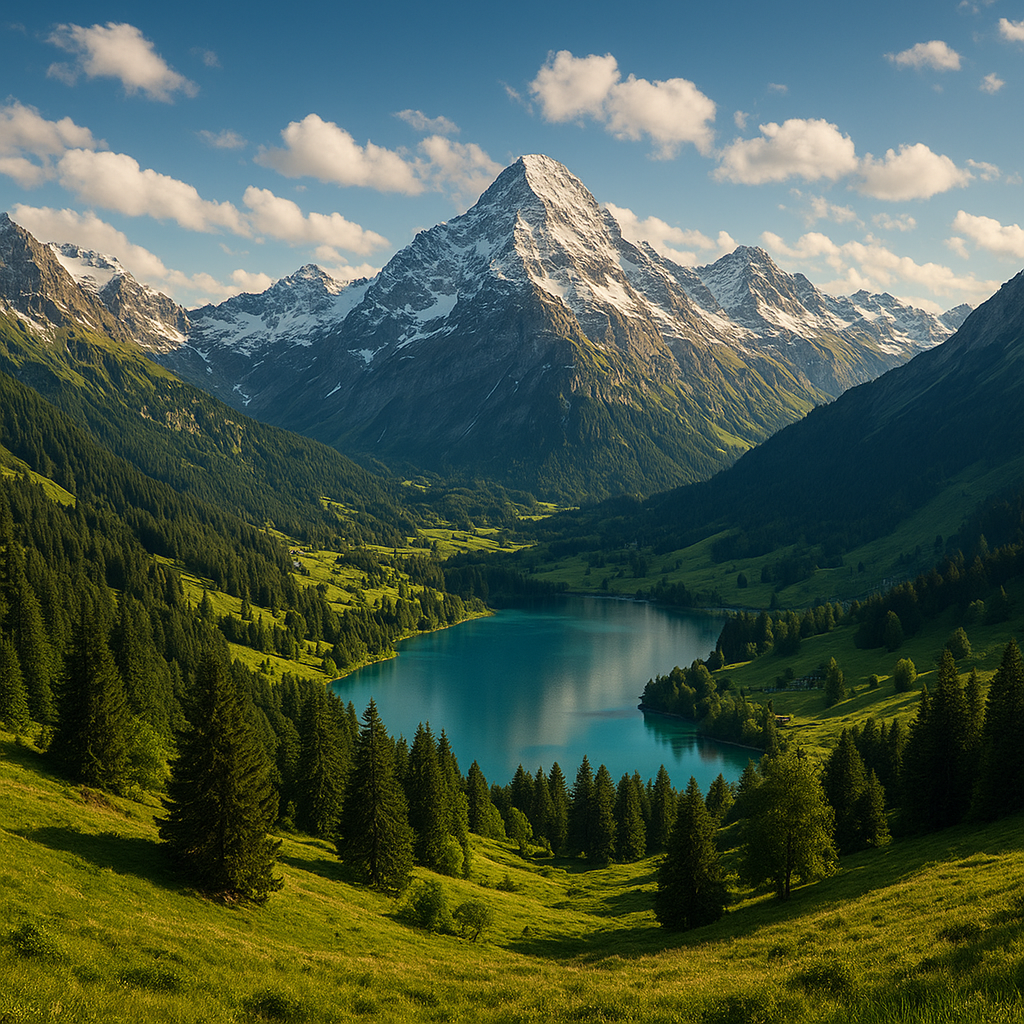
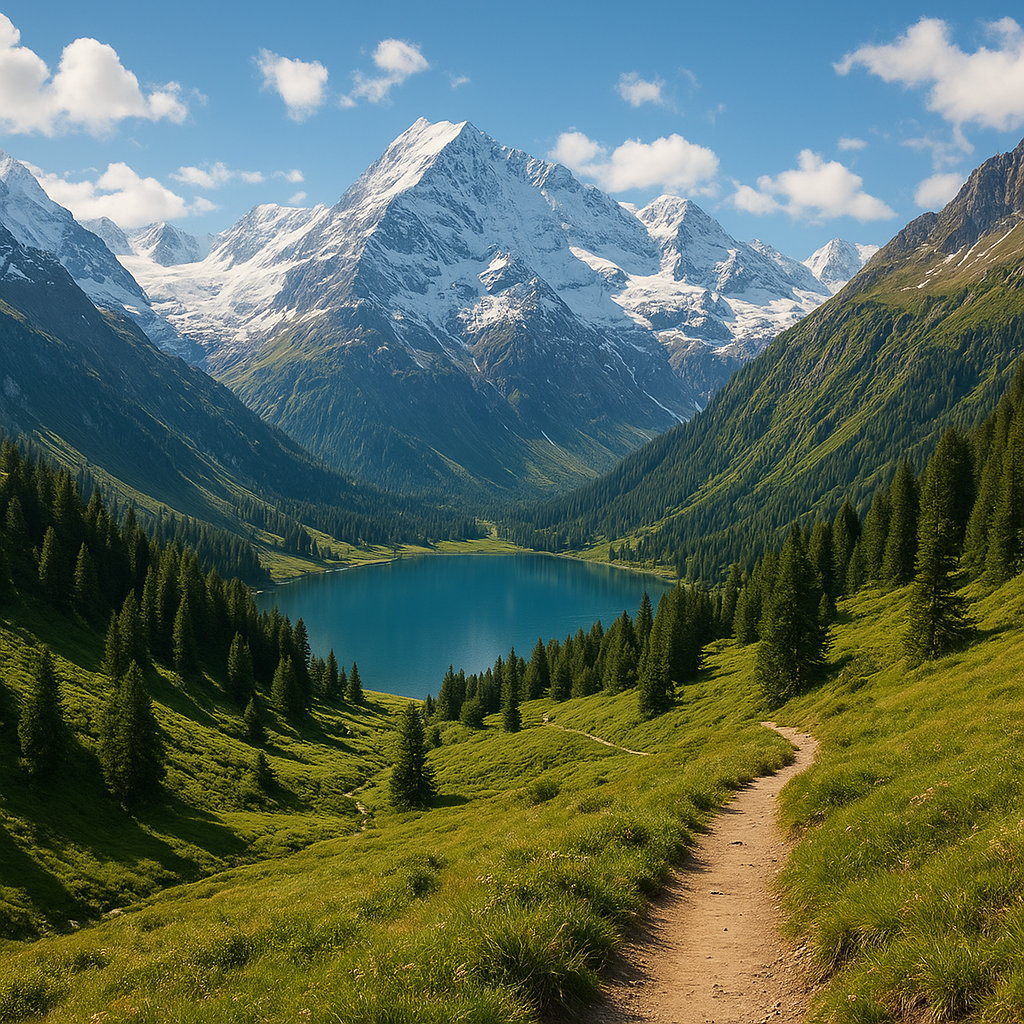
The rugged summits of the Alps have captivated explorers, scientists, and adventurers for centuries. Stretching across eight countries in Europe, this majestic mountain range boasts dramatic landscapes, an intricate network of glaciers, and a rich tapestry of cultural heritage. From the first daring ascent of Mont Blanc to today’s high-altitude expeditions, the history of mountaineering in the Alps is a story of evolving techniques, pioneering spirit, and an ever-deepening respect for the fragile beauty of this iconic region.
Early Ascents and Pioneers
By the mid-18th century, curiosity about the Alps began to grow among scholars and travelers. Naturalist Horace-Bénédict de Saussure offered a prize in 1760 for the first successful climb of Mont Blanc, igniting the age of adventure. On August 8, 1786, Jacques Balmat and Dr. Michel-Gabriel Paccard achieved the historic peak, inaugurating a new era of alpine exploration. Their achievement demonstrated that human determination, combined with careful planning, could surmount even the highest barriers.
First Explorations
Strapping on primitive crampons, early mountaineers navigated crevasses and icefalls with rudimentary ice axes and hemp ropes. Guides from the Chamonix valley played an essential role, sharing local knowledge of ravines, weather patterns, and hidden routes. As word of successful climbs spread across Europe, an influx of British, German, and Austrian parties ventured into the high mountains, documenting peaks such as the Matterhorn (first climbed in 1865) and the Eiger (1858).
Formation of Alpine Societies
To coordinate expeditions and share vital information, enthusiasts founded the world’s first alpine clubs. In 1857, the Alpine Club of London provided a formal structure for British climbers. Soon after, similar organizations appeared in France (Club Alpin Français, 1874), Switzerland (SAC, 1863), Italy (CAI, 1863), and Austria (1873). These societies published journals, organized lectures, and established mountain huts, creating a network that lowered barriers to high-mountain travel.
- Publication of route maps and guidebooks
- Construction of refuge huts at key altitudes
- Establishment of mountain rescue protocols
Development of Mountaineering Techniques
The turn of the 20th century saw radical improvements in safety and performance. Climbers adopted stronger iron crampons, developed ergonomic ice axes, and tested novel rope textures. The introduction of dynamic kernmantle rope in the mid-20th century revolutionized belaying and led to safer ascents on challenging ice faces. Meanwhile, innovations in lightweight clothing—such as Gore-Tex shells and synthetic insulation—allowed teams to endure colder temperatures with less bulk.
Equipment Innovations
- Rope technology: From hemp to dynamic nylon
- Crampons: From two-point to 12-point designs for technical ice
- Climbing boots: Rigid soles for optimal crampon attachment
- Ice axes: From wooden shafts to aluminum alloys
- Protective hardware: Pitons, nuts, and later camming devices
Training and Risk Management
Professional mountain guides—especially from Switzerland and Austria—formalized training curricula. Certification programs emphasized crevasse rescue, avalanche assessment, and high-altitude first aid. The development of avalanche transceivers and probe alarms in the late 20th century drastically improved survival rates during snowslides. Today’s climbers rely on comprehensive weather forecasts, remote avalanche bulletins, and GPS mapping, reflecting a culture that values both adventure and responsibility.
Modern Challenges and Conservation
While the allure of peaks like the Matterhorn and Mont Blanc remains undiminished, modern peaks face unprecedented challenges. Rising temperatures have accelerated glacial retreat—some glaciers have lost more than half their volume in a century—altering traditional routes and increasing rockfall hazards. The Alpine ecosystem, home to endemic plant species and delicate wildlife, suffers from habitat fragmentation and rising tourist pressure.
Environmental Impact
Scientific teams monitor changes in snow cover, permafrost stability, and water runoff to assess the effects of climate change. As glaciers recede, alpine meadows expand, but rare plants such as edelweiss and glacier buttercup face new competition. Conservation initiatives, led by regional governments and NGOs, focus on limiting foot traffic in sensitive zones, promoting “leave no trace” ethics, and educating visitors about local biodiversity.
Future of Alpine Mountaineering
The next generation of climbers will likely integrate advanced technology—drones for route reconnaissance, wearable sensors for real-time health data, and augmented-reality glasses for navigation. Simultaneously, there is a growing movement toward sustainable tourism. Eco-friendly mountain huts now feature solar panels and greywater recycling systems. Community-led programs emphasize cultural heritage, encouraging climbers to support local economies and adopt practices that safeguard fragile habitats.
- Promotion of low-impact travel guidelines
- Support for local mountain rescue and guide services
- Collaboration with scientists on glacier and wildlife monitoring
Through centuries of trial, triumph, and transformation, the Alps continue to inspire. Their snow-draped peaks and hidden valleys stand as a testament to human courage and the enduring need to protect our natural wonders. As mountaineers press on to higher, more remote objectives, they carry forward a legacy of innovation, camaraderie, and a deep respect for the ever-changing face of the high mountains.