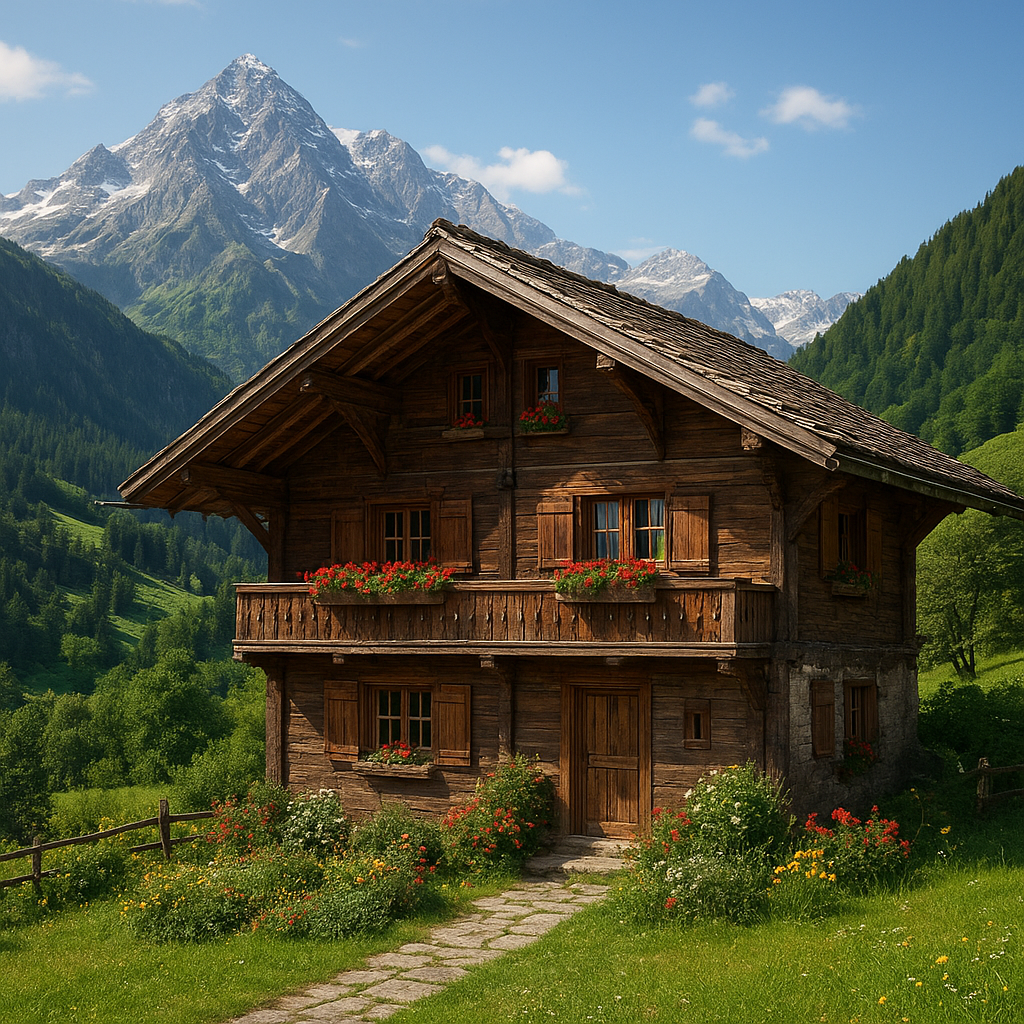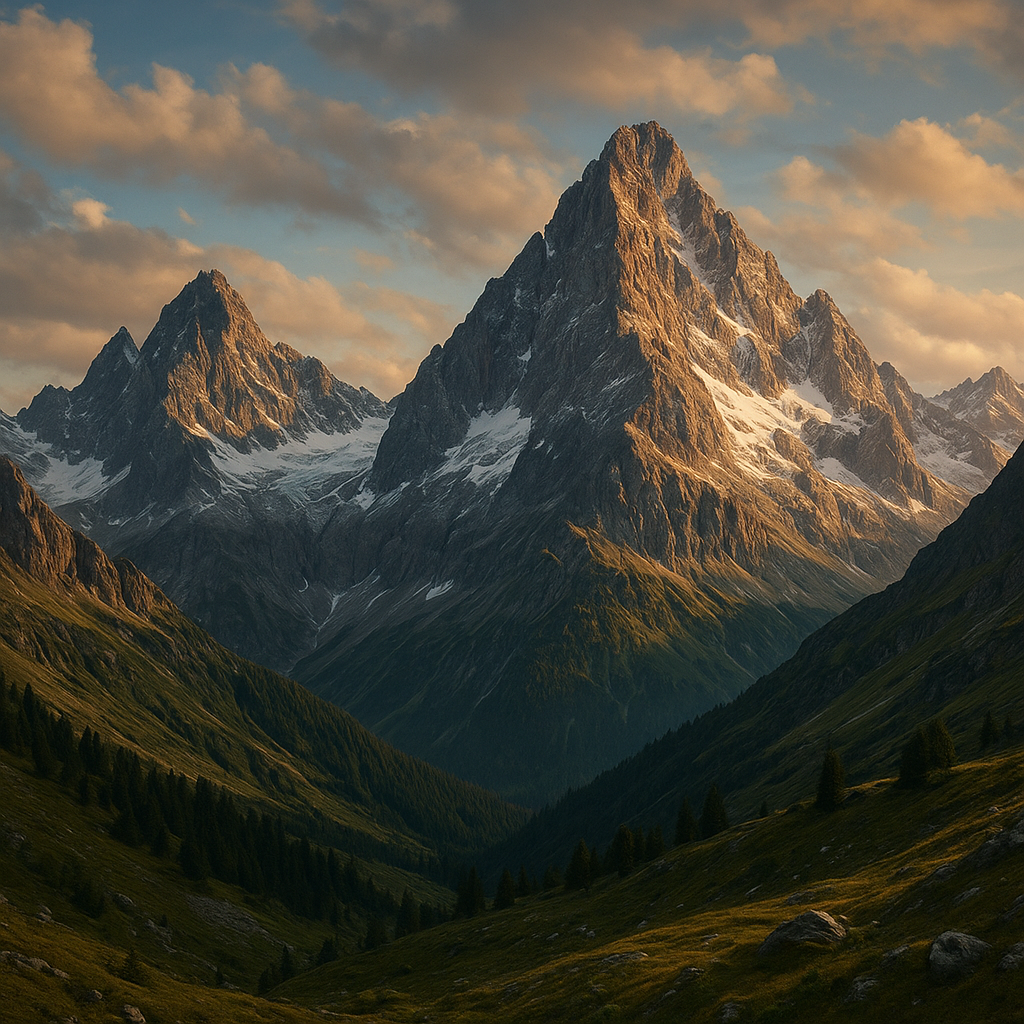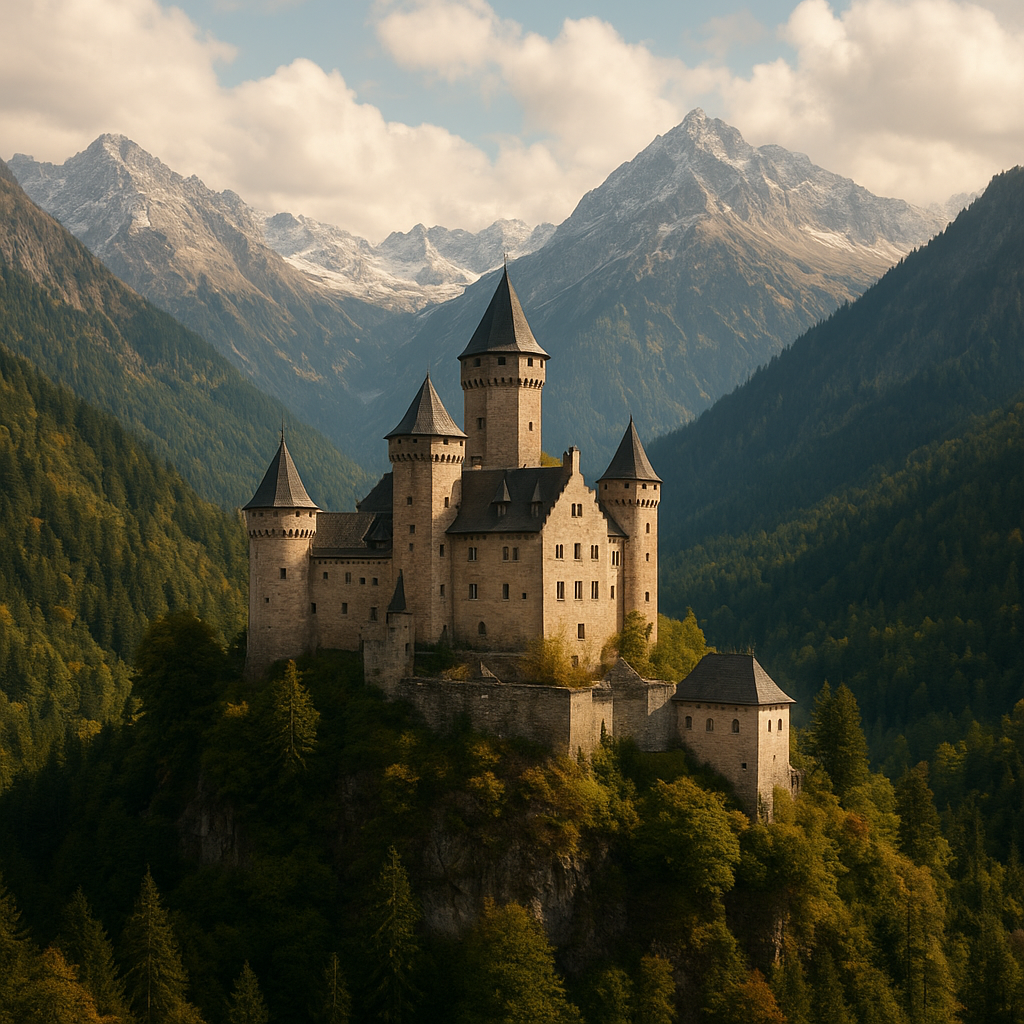
Rising majestically between France, Switzerland, Italy, Austria, and Slovenia, the Alps form one of Europe’s most iconic mountain ranges. Beyond their snow-capped peaks and sweeping valleys lie ancient fortresses that whisper tales of knights, emperors, and border skirmishes. This article invites you on a journey through the heart of these rugged landscapes to discover some of the most enchanting castles tucked away in remote passes and perched on rocky crags. From soaring battlements to hidden ruins, immerse yourself in the interplay of natural beauty and human ingenuity that has shaped Alpine history for centuries.
Geographical Splendor of the Alps
Mountains, Climate, and Biodiversity
The Alps stretch over 1,200 kilometers, encompassing an array of microclimates that range from glacial summits to sun-drenched meadows. The high-altitude environment fosters astonishing biodiversity: edelweiss carpets steep slopes, while chamois and ibex navigate sheer cliffs. Alpine weather can shift rapidly, with clear morning skies giving way to afternoon storms. These conditions not only sculpt dramatic panoramas but also provided strategic advantages to builders of medieval strongholds who exploited natural defenses to guard against invaders.
Waterways and Trade Routes
Carved by ancient glaciers, the Alps are interlaced with narrow valleys and winding rivers that historically functioned as vital trade arteries. Merchants traversed passes such as the Brenner and the Great St. Bernard, carrying salt, spices, and silks between northern and southern Europe. Along these routes, castles emerged at chokepoints—commanding tolls and offering refuge. Today, those same corridors host scenic railway lines and high-altitude roadways that grant travelers access to hidden architectural gems.
Historical Treasures: Castles Carved in Time
Origins and medieval strongholds
From the 10th to the 15th centuries, the turbulent political landscape of Europe spurred the construction of hundreds of Alpine fortifications. Nobles, bishops, and emperors vied for control of fertile valleys and lucrative trade passages. Early structures were often simple wooden keeps, later replaced by imposing stone towers with thick walls exceeding two meters. Many castles perched atop sheer rock spurs, making frontal assaults nearly impossible. Within their ramparts, inhabitants stored grain, forged alliances, and plotted defenses that would withstand lengthy sieges.
Legends, Sieges, and Strategic Utility
Countless legends surround these fortresses—tales of daring escapes, hidden tunnels, and ghostly apparitions. One famous account tells of a besieged garrison sending carrier pigeons with coded messages to summon relief from a distant duke. Another describes a secret water supply channel cut through bedrock to sustain occupants during blockade. While folklore adds enchantment, documented sieges reveal the importance of strongholds in determining regional power. Some fared well against attackers for decades, only to fall through betrayal or exhaustion of supplies.
Architectural Marvels and Styles
Romanesque Foundations to Gothic Flourishes
Early Alpine castles exhibit robust architecture—thick curtain walls, rounded arches, and squat towers reminiscent of Romanesque design. As masonry techniques advanced, builders introduced slender windows, pointed arches, and decorative buttresses characteristic of the Gothic era. Interiors evolved to include vaulted chapels, great halls, and intricately carved fireplaces. Stone craftsmen imported motifs from distant cathedrals, marrying functional defense with refined aesthetics.
Defensive Features and Innovations
- Machicolations: Overhanging parapets with openings for dropping stones or boiling oil.
- Murder holes: Narrow slits in ceilings of gateways allowing defenders to assault invaders.
- Drawbridges and portcullises: Retractable barriers that could isolate the inner ward.
- Arrow slits and embrasures: Slender openings providing wide firing angles with minimal exposure.
Many Alpine castles also incorporated concentric defenses—multiple layers of walls separated by courtyards—forcing attackers to surmount successive obstacles. Some sites leveraged natural cliffs as part of their fortifications, reinforcing sheer faces with minimal masonry and placing living quarters against the more sheltered western side.
Conservation Efforts and Sustainable Tourism
Preservation Challenges
The harsh mountain climate takes a toll on centuries-old stonework. Freeze-thaw cycles, vegetation growth in mortar joints, and shifting foundations accelerate decay. In response, local authorities and heritage organizations launched restoration programs to stabilize walls, replace eroded blocks, and monitor structural health. These efforts often require specialized craftsmen skilled in traditional stonemasonry. Funding comes from a mix of public grants, private donations, and modest entrance fees charged to visitors eager to wander battlements once trodden by knights.
Eco-Friendly Travel Tips
- Opt for regional trains or electric shuttle buses to access remote valleys, reducing your carbon footprint.
- Stay in local guesthouses that source food from nearby farms, supporting village economies.
- Follow marked trails to limit erosion and protect fragile alpine flora.
- Pack reusable water bottles – many castles feature natural springs or public fountains offering fresh mountain water.
Sustainable tourism ensures that these architectural wonders endure for future generations while preserving the surrounding ecosystems. By treading lightly and showing respect for both the built and natural environment, travelers contribute to the ongoing story of Alpine heritage.