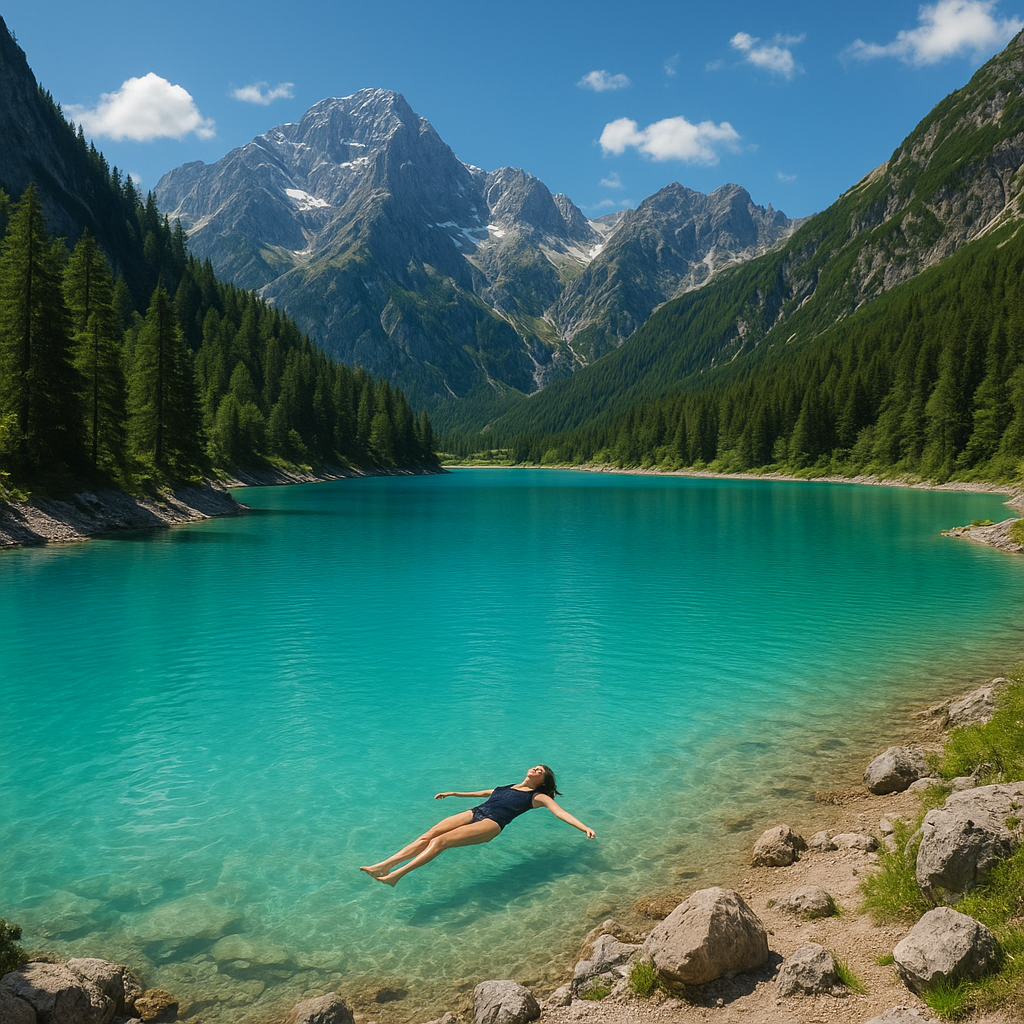
This summer, the soaring peaks of the Alps beckon travelers to uncover a hidden paradise of crystal waters, lush meadows, and towering summits. Far beyond mere mountaineering, these mountain giants cradle some of Europe’s most stunning lakes, inviting hikers and families alike to indulge in invigorating swimming experiences. Beneath the azure sky, every dip becomes a journey into pristine nature, where clarity reigns supreme and the cutting chill reminds visitors of the lofty altitude that nurtures this adventure. Join us as we explore the glacial treasures, lively ecosystems, and essential tips to make your trip truly unforgettable.
Enchanting Alpine Lakes: Nature’s Reflections
High above the valleys, ancient glaciers carved out deep basins that now hold some of the purest waters on earth. Each basin tells a story of ice, stone, and time, shaped by the relentless force of seasons. As snow melts and trickles into these hollows, it brings a constant influx of fresh, mineral-rich water. The result is an almost surreal spectacle: lakes that mirror the jagged ridges and pine-covered slopes in perfect symmetry. Photographers and dreamers alike are drawn to these silent mirrors of nature, where every ripple becomes an artistic flourish on a canvas of sky and rock.
The unparalleled serenity of Alpine lakes extends beyond visual beauty. Their quiet shores offer moments of introspection, where only the calls of distant birds and the gentle lapping of water on the pebbled beach break the silence. On calm mornings, mist hovers just above the surface, creating an ethereal atmosphere reminiscent of a fairy tale forest. As the sun climbs, the mist dissipates, unveiling a kaleidoscope of blues and greens that shift with every passing cloud. Here, time seems suspended, and every visitor is invited to savor a rare communion with the elements.
Beyond their aesthetic appeal, these waters sustain a remarkable array of wildlife. Alpine newts dart among submerged rocks, while trout patrol the deeper basins in search of insects carried by wind and gravity. Dragonflies skim the surface, their translucent wings catching the sunlight in dazzling patterns. Onshore, ibex and chamois navigate steep scree slopes, pausing to drink at secluded inlets. Birdsong weaves through the pines, as woodpeckers and nutcrackers maintain a lively symphony that underscores the delicate balance between land and water.
Among the most iconic bathing spots, consider:
- Lake Blausee in Switzerland – famed for its intense sapphire hue and accessible hiking loops.
- Lake Carezza in Italy – nestled beneath the Dolomite spires, offering postcard-perfect vistas.
- Lago di Braies in South Tyrol – with its charming boathouse and gentle rowing boat rentals.
- Lake Königssee in Germany – where emerald water meets the steep walls of the Berchtesgaden massif.
- Lac d’Emosson in Switzerland – a high-altitude reservoir with nearby panoramic viewpoints.
To reach these havens, walkers traverse well-marked trails that wind through wildflower meadows and larch forests. Alpine huts along the routes provide hearty regional fare and warm hospitality, allowing you to refuel before another day of exploration. Whether you plan a day trip or a multi-day trek, each lake presents its own character, promising moments of wonder at every turn.
Thrilling Activities Beyond the Refreshing Dip
While the primary draw is undoubtedly the chance to plunge into crystalline water, Alpine lakes offer a spectrum of experiences designed to thrill and inspire. Adventurers can lace up boots for challenging treks, chart new routes along narrow ridges, or simply amble on gentler paths that reveal secret waterfalls and panoramic ledges.
Hiking and Climbing
- High-altitude circuits often circle multiple lakes, linking saddles and passes with rewarding views.
- Via ferrata routes cater to those seeking vertical thrills, equipped with cables and ladders secured to rock faces.
- Guided climbs allow novices to ascend iconic peaks under the watchful eye of certified mountain leaders.
Water Sports and Relaxation
- Stand-up paddle boarding creates a unique vantage point, letting you glide silently across the mirror-like surface.
- Kayaking and canoeing unlock hidden coves that remain unseen by most day visitors.
- Paddle boats and rowboats at lakeside boathouses offer a leisurely alternative for families.
Photography and Wildlife Watching
- Early mornings and late afternoons yield the softest light, perfect for capturing reflections and wildlife moments.
- Binoculars and long lenses bring distant mountain goats and soaring eagles into crisp focus.
- Macro photography among shore pebbles reveals intricate aquatic insects and waterborne plant life.
Sustainable Exploration Preserving Alpine Beauty
To ensure that these fragile environments endure for generations to come, visitors must adopt sustainable practices at every turn. While the Alps appear vast and untamed, their ecosystems respond quickly to human impact. By following a few simple guidelines, you can leave minimal trace and help protect this delicate balance.
- Stick to established trails to prevent erosion and protect alpine plants that cling to thin soil layers.
- Pack out all waste, including fruit peels and biodegradable items; what seems natural can upset local wildlife diets.
- Opt for public transport, carpooling, or shuttle buses that connect to trailheads, reducing carbon emissions.
- Respect seasonal closures and breeding grounds, especially near nesting waterfowl and spawning fish.
- Support local guides, artisans, and family-run accommodations that reinvest in the community and conservation efforts.
By embracing these principles, you contribute directly to the health of alpine watersheds, soil stability, and wildlife corridors. Every mindful choice enhances the vitality of mountain springs that feed downstream rivers and communities far beyond the high peaks.
Practical Tips for a Memorable Alpine Swim
Preparation is key to fully enjoy the fresh mountain waters without compromising safety or comfort. Keep the following considerations in mind as you plan your excursion:
- Check water temperatures: Even in summer, alpine lakes hover between 10–18 °C, so a quick dip is often more feasible than long swims.
- Acclimatize gradually: Hike to intermediate altitudes first to allow your body to adapt before tackling higher-elevation lakes.
- Bring layering options: Rapid weather shifts can send temperatures plummeting, so pack a lightweight fleece or waterproof jacket.
- Inspect shoreline conditions: Some beaches are rocky; water shoes with sturdy soles provide traction and warmth.
- Stay hydrated and fueled: High-energy snacks like nuts, dried fruit, and whole-grain bars help maintain stamina on steep ascents.
- Review local regulations: Many lakes require day permits or limit swimming to designated zones for the sake of safety and ecosystem health.
- Set an early start: Trails are quieter, parking is easier, and you can claim the best swimming spots before crowds arrive.
Armed with these insights, you are ready to embark on a summer pilgrimage to the Alps—where each shimmering lake promises an encounter with nature at its most pristine. Dive in, explore far beyond the shoreline, and let the mountain spirit become part of your story.